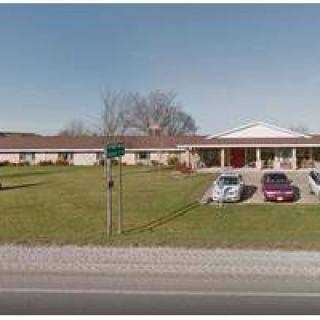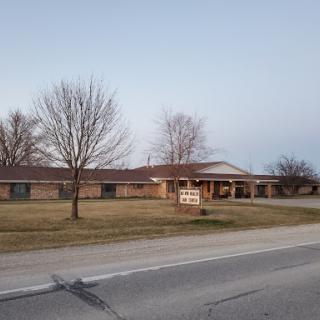
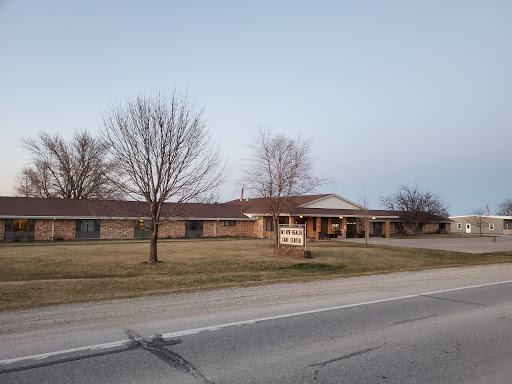
1504 East South Street, Mount Ayr, IA 50854
For more information about senior living options: (866) 208-4318
Overall Review of Mount Ayr Health Care Center
Pros
 Travis and all the nurses and CNAs are totally awesome.
- The facility is a caring and clean place where residents are well taken care of.
- It is the best nursing home in Mt Ayr—beautiful and cheerful, with many activities for residents.
- The staff are very kind and loving, and the place feels like a home with a strong sense of family.
- The facility is family-owned and run, with care that is greatly appreciated by residents and families.
- Residents are taken on little trips and enjoy social activities, and the atmosphere is warm and welcoming.
Cons
 The reviewer says the facility shifted blame onto a family member for depleted funds, leading to a criminal conviction that devastated the family.
- The reviewer asserts the manager’s actions and those of their parents caused the loss of the family’s home and savings, with the father’s health declining severely and permanent emotional and financial damage.
- The reviewer notes the General Manager ignored follow-ups, claimed emails went to junk, and demonstrated poor communication in running the business.
- The reviewer alleges that honest reviews were mysteriously disappeared, implying deletions and possible cover-ups.
- The reviewer warns others to ask difficult questions about how the facility treats families and who is held accountable, saying it wasn’t them in this case.
- The reviewer states they do not recommend this place.
Review
Mount Ayr Health Care Center in Mount Ayr, IA is best suited for families seeking a warm, home-like skilled-nursing option where frontline caregivers deliver attentive daily care and a tight-knit, family-owned culture shapes everyday life. It works well for residents who thrive in a smaller setting, where staff learn names quickly, tailor activities to individual interests, and where families feel welcome to participate in daily life. Those who prize cheerful atmosphere, meaningful social engagement, and routines that feel more like a family neighborhood than a hospital should view this center as a strong candidate. Yet for families prioritizing impeccable financial governance, transparent billing practices, and formal accountability, alternatives deserve serious consideration.
The most consistently praised dimension is the caregiving heart of the operation. Reviews highlight nurses and CNAs who are described as awesome, caring, and deeply invested in helping families navigate tough times. Residents appear to benefit from a home-like feel, with staff who treat people with warmth and familiarity, turning the facility into a supportive orbit for daily living. The environment is repeatedly characterized as clean and welcoming, with a sense of family permeating the halls. Activities are another standout, with reports of trips, art projects, and social gatherings that knit residents into a lively, engaged community. The emphasis on personal grooming and pampering, hair and nails, stylistic touches, adds to the sense that residents are treated with individualized attention.
Those strengths matter because they partly offset the core trade-offs that accompany a facility of this size and history. When daily care quality and emotional well-being are the defining metrics, Mount Ayr Health Care Center delivers consistently. A home-family atmosphere and active engagement options can blunt concerns about impersonal care found in larger institutions, making the center a comforting choice for families who want visible, affectionate caregiving and a business that feels personally invested in residents’ comfort. The combination of strong on-the-ground staff and genuine community life creates a reassuring baseline: residents are likely to be seen, spoken to, and included in meaningful activities most days.
However, a principal con-root remains, and it is serious enough to influence decision-making. One review recounts a troubling episode involving power of attorney, depleted funds, and accusations that the facility shifted blame in a way that caused lasting financial and emotional damage to a family. The account describes alleged mismanagement by the management chain, with the General Manager, and the owners, allegedly dodging accountability and failing to follow through on communications. The reviewer even questions the integrity of review practices themselves. While this is a single account among many positive experiences, the weight of fiduciary risk and governance concerns cannot be dismissed. It undermines trust in the sustainability of the care model if families fear that financial conduct will be mishandled or that accountability is elusive.
Given those dynamics, it is prudent to reserve this option for families prioritizing intimate, compassionate care and a strong, family-like atmosphere, while recognizing the governance red flags that may complicate long-term confidence. Alternatives should be considered for families whose decision criteria include transparent financial practices, documented accountability, and predictable policy enforcement. The positive care culture does not automatically erase concerns about governance; the contrast between excellent day-to-day care and questions about oversight means diligence is nonnegotiable before commitment.
Practical decision steps are essential. Prospective residents or families should request a frank meeting with the administrator and finance lead to review financial policies, billing practices, and how fiduciary concerns are monitored and resolved. Seek recent state survey results, learn about oversight mechanisms, and ask who is accountable for complaints and how investigations are conducted. Observe a care plan in action: talk with direct caregivers during a shift, assess staff-to-resident ratios, and verify opportunities for family involvement in activities and decisions. Finally, corroborate the overall tone with multiple families or recent residents to gauge consistency of care and governance. With rigorous questions and clear expectations, Mount Ayr Health Care Center can be a strong choice for those who prize warmth and engagement, even as governance considerations push some families to look elsewhere.
 46 resident community capacity
 Skilled Nursing Facility
 Beauty salon
 Cable or satellite TV
 Dining room
 Fully furnished
 Garden
 Housekeeping services
 Kitchenette
 Move-in coordination
 Outdoor space
 Restaurant-style dining
 Small library
 Telephone
 Wi-Fi/high-speed internet available
 24-hour call system
 Activities of daily living assistance
 Assistance with bathing
 Assistance with dressing
 Assistance with transfers
 Diabetes diet
 Medication management
 Mental wellness program
 Special dietary restrictions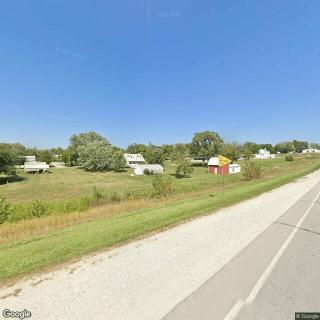


 Comprehensive Guide to Medicare Coverage for Hospice Care
 Caring for Those Who Care: Recognizing, Understanding, and Overcoming Caregiver Burnout
 Caregiver Exhaustion: Recognizing the Signs and Restoring Your Well-Being