
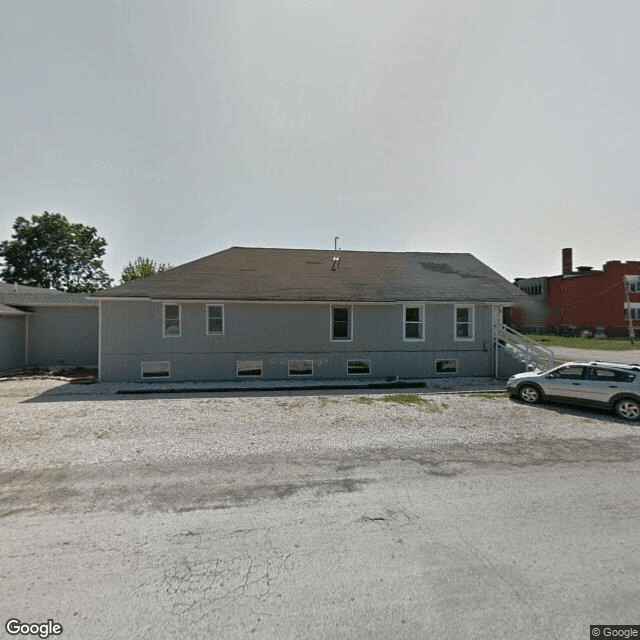
300 N Main St, Edina, MO 63537
To contact a resident: (660) 397-3336
For more information about senior living options: (866) 208-4318
Overall Review of The Blessing Center
Pros
 The facility is one of the better places the reviewer has stayed.
- The rooms are nice and the food is pretty decent.
- There has been a lot of improvement in the last year.
- The facility has a small-town feel.
- The staff are nice and people seem to care about residents.
- Dietary Sarah is a keeper.
Cons
 Being in a residential care facility is not fun.
- The atmosphere is very unpleasant, with a lot of fighting and bickering between residents.
- The staff can be unpleasant at times and are unprofessional and unhelpful.
- They did not help her.
- It is very unpleasant and there is nothing for residents to do.
Review
The Blessing Center in Edina, Missouri is best suited for seniors who want a modest, small-town atmosphere and straightforward daily routines, where practical comforts can carry the day. The strongest fit appears to be residents who appreciate tidy rooms, reliable Wi-Fi, and solid meals, plus staff who are generally friendly and attentive. The recent note of improvement over the past year suggests that, when conditions align, the facility can feel orderly and welcoming. For those who prioritize predictable schedules and a neighborly vibe over luxury amenities, this community can serve as a workable home base.
However, those who expect consistently professional, uniformly supportive staff or a robust, engaging activity calendar should consider alternatives. Several accounts describe a tense social atmosphere with fighting and bickering among residents, and disagreements with staff. With multiple reports characterizing interactions as unpleasant or unhelpful, there is a real risk of persistent frustration for residents who rely on dependable assistance. Families seeking a highly responsive, proactive care team may find other communities that prioritize uniform courtesy and tangible resident engagement more reliably.
From a strengths perspective, the facility earns points for the tangible basics: well-kept rooms, usable Wi-Fi, and food that is described as decent or good. A small-town feel and staff who appear to care about residents are repeatedly cited as positives, with remarks about kind employees and a culture of caregiving when conditions permit. The broad, albeit fragmentary, praise that the organization behind The Blessing Center is a great place to work hints at potential for a caring environment when the daily climate cooperates. Noting improvements over time, observers sense that management is listening and making adjustments, which is meaningful in a setting where consistency matters.
Yet the most persistent drawbacks center on atmosphere and staff conduct. The climate is described as unpleasant, with frequent fighting and unhelpful or inconsistent staff behavior, some workers are better than others, and some interactions feel unproductive or even disrespectful. Instances such as a resident being left unsupported in a crisis underscore the vulnerability when staffing falls short on responsiveness. Equally troubling is the recurrent claim that there is “nothing to do,” indicating gaps in engaging programming that can erode satisfaction and perceived quality of life over time.
These dynamics mean the positive attributes can be offset when core needs, safety, dignity, and meaningful daily life, are at risk. Families should assess whether the facility maintains a stable, well-trained caregiving team, adheres to clear communication protocols, and offers a consistently engaging activity calendar. In visits, observe how staff treat residents, do interactions feel warm, respectful, and efficient? Ask how conflicts are resolved, request data on staff turnover and response times, and review policies that protect resident rights and ensure truly individualized assistance. The improvements cited are encouraging, but lasting consistency remains essential to justify a longer-term move.
Bottom line: The Blessing Center is not universally suitable, but it may work for seniors who can tolerate a variable social climate in exchange for comfortable rooms, reliable basics, and a hopeful trajectory of improvement. Families proceeding with this community should conduct thorough due diligence, confirm staff consistency, demand transparent activity planning, and insist on dependable support when needed. If those elements prove elusive or if daily life tilts toward friction rather than care, a more consistently attentive option should be pursued.
 Assisted Living
 Activities on-site
 Devotional services off-site
 Indoor common areas
 Ambulatory care
 Diabetic care
 Meals provided



 An Extensive Exploration of the VA Aid and Attendance Benefit
 Senior Transition Services: Understanding Their Role, Cost, and Importance
 Exploring the Path to Senior Living: A Comprehensive Look at Independent Living and Assisted Living