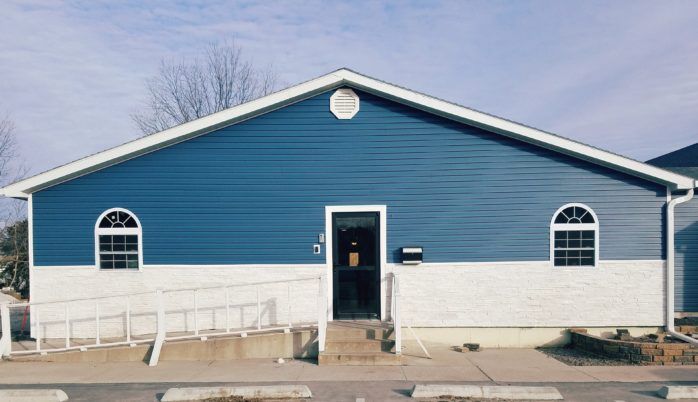
302 North Main, Edina, MO 63537
For more information about senior living options: (866) 208-4318
Overall Review of Blessing Center
Pros
 It is one of the better places in a residential care facility.
- It is, for the most part, a great place.
- The rooms are nice, Wi-Fi is available, and the food is pretty decent.
- There has been a lot of improvement in the last year.
- It has a small-town feel with nice employees, and the food is good.
- People seem to care about the residents.
- The dietary staff member named Sarah is a keeper.
Cons
 Being in a residential care facility isn’t fun.
- The atmosphere is very unpleasant.
- There is a lot of fighting and bickering between residents.
- The staff can be unpleasant at times.
- The staff did not help her.
- The facility is very unpleasant with nothing to do.
- The staff were highly unpleasant, unprofessional, and unhelpful.
Review
Blessing Center in Edina, MO is best suited for seniors who want a small-town atmosphere, straightforward routines, and solid everyday basics, clean rooms, Wi-Fi, and meals that are described as decent, delivered with caregivers who generally show they care. It works best for residents who can navigate a social environment that isn’t consistently harmonious and who can tolerate some variability in staff performance. The narrative that comes through is one of steady improvements over time, suggesting management intent to address concerns and raise the floor on resident experience. This is not a high-end, high-energy community; it’s a practical option for those prioritizing dependable daily living over polished programming.
The most tangible positives are clear: rooms that feel comfortable and well-kept, reliable connectivity, and meals that don’t disappoint. The small-town feel seems to foster approachable staff and residents who express that people there do care about one another. Several accounts highlight that improvements have occurred over the past year, which signals a management that listens and acts. The combination of decent provisioning and a perceived caring workforce adds up to a credible baseline for daily life, especially for residents who value consistency in the basics more than elaborate activities or resort-like amenities.
However, the experience is not uniformly positive, and the downsides are substantial enough to alter the calculus for many families. The atmosphere can veer into unpleasant territory with frequent resident conflict and bickering, and reports describe portions of the staff as unpleasant, unhelpful, or inconsistent. When a reviewer notes that a loved one wasn’t helped in a crisis or that several staff interactions felt unprofessional, those are red flags that the lived reality may vary by shift or caregiver. In short, the care environment can feel unstable on bad days, which counteracts the appeal of decent rooms and meals and undermines the sense of safety and community some families expect.
For families weighing options, this center becomes markedly less suitable for those who require consistently smooth social dynamics, proactive advocacy, and uniformly reliable staff responses. Any resident with higher needs for immediate assistance, crisis management, or strong social programming will likely be better served elsewhere. Similarly, families seeking a warm, consistently upbeat communal life may want to explore communities with more robust activity offerings and a track record of stable staff-resident relationships. In short, individuals who prioritize harmony and predictability should consider alternatives.
When the pros are weighed against the cons, Blessing Center offers a solid baseline that can work if one’s priority is practical daily living rather than social vibrancy or staffing consistency. The good rooms, dependable Wi-Fi, and acceptable meals provide a meaningful backdrop for independence and comfort, while the improving trend is encouraging. Yet the persistent reports of an unpleasant atmosphere and uneven staff support cannot be dismissed; those gaps can erode the quality of life for residents who need steady encouragement, timely help, and peaceful social interactions day after day.
Practical next steps for families: schedule focused tours that observe how staff interact with residents during routine moments (mealtime, hallway assistance, and room checks); ask about how conflicts are managed and what relief or escalation processes exist; request to meet several direct caregivers to gauge consistency and warmth; inquire about activity programming and how resident voices are incorporated into daily life. If a tour leaves questions about day-to-day harmony or if staff responses feel reactive rather than proactive, that signals a need to keep looking. Blessing Center may be the right fit for those who prize basic comfort, a quiet small-town vibe, and a demonstrated trajectory of improvement. For others, especially those who require steady social engagement and unwavering staffing reliability, exploring alternatives is the prudent course.
 51 resident community capacity
 Assisted Living
 Air-conditioning
 Beauty salon
 Cable or satellite TV
 Computer center
 Dining room
 Fitness room
 Fully furnished
 Gaming room
 Garden
 Housekeeping services
 Kitchenette
 Move-in coordination
 Outdoor space
 Private bathrooms
 Restaurant-style dining
 Small library
 Telephone
 Wellness center
 Wi-Fi/high-speed internet available
 Community operated transportation
 24-hour call system
 Activities of daily living assistance
 Assistance with bathing
 Assistance with dressing
 Assistance with transfers
 Diabetes diet
 Medication management
 Mental wellness program
 Special dietary restrictions
 Concierge services
 Planned day trips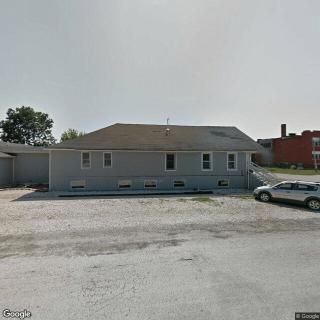



 8 Key Indicators That Suggest It May Be Time to Transition from Assisted Living to Skilled Nursing Care
 Vibrant Senior Living: A Comprehensive Guide for Active Older Adults
 When to Transition from Assisted Living to Memory Care: Key Indicators, Steps, and Finding the Right Community