
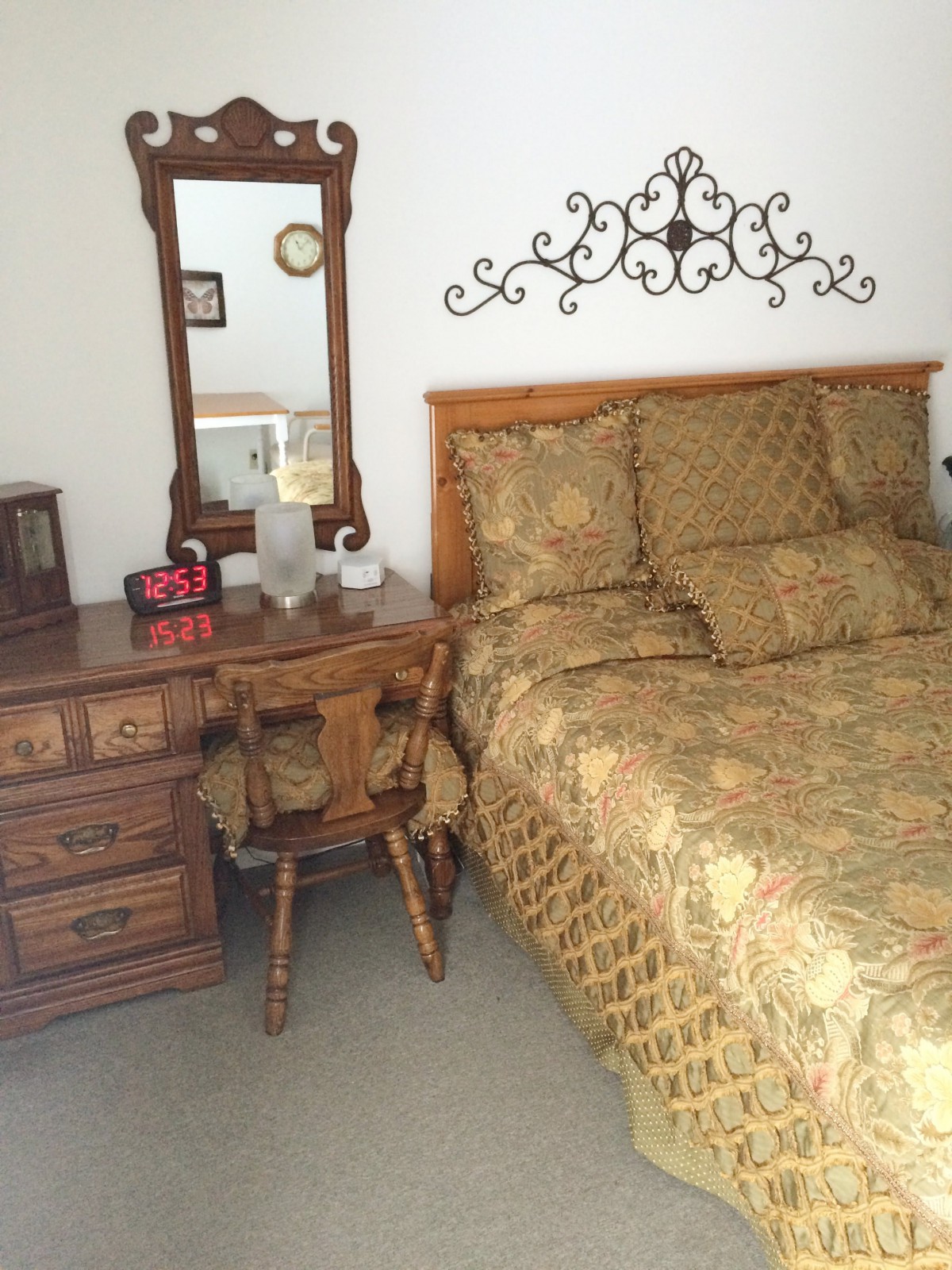


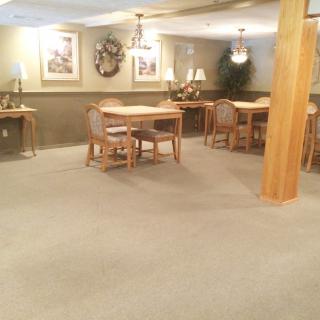


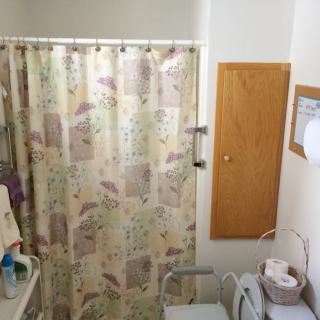
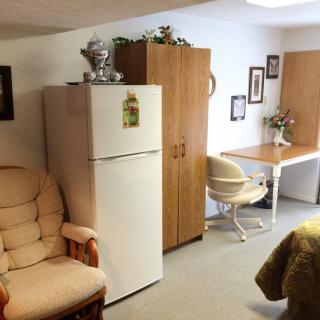
102 Summit Street, Doniphan, MO 63935
For more information about senior living options: (866) 208-4318
Colonial Home Costs & Pricing
Colonial Home offers competitive pricing for its studio and one-bedroom units, each available at $2,500 per month. When compared to Ripley County, the costs align closely with local averages; however, both room types are slightly above the county's studio rate of $2,325 while matching the one-bedroom price point. In contrast, prices escalate significantly at the state level in Missouri, where similar accommodations reach $3,418 for studios and $3,349 for one-bedrooms. This positioning makes Colonial Home an attractive option for those seeking affordability without sacrificing quality in a thriving community.
| Floor plans | Colonial Home | Ripley County | Missouri |
|---|---|---|---|
| Studio | $2,500 | $2,325 | $3,418 |
| 1 Bedroom | $2,500 | $2,500 | $3,349 |
Assisted Living communities with a similar price nearby
-
from +$445 / mo

River Mist
$2,945 to $4,030 / month24.7 miles away -
from +$445 / mo

Cedargate
$2,945 to $4,495 / month24.3 miles away -
from -$350 / mo
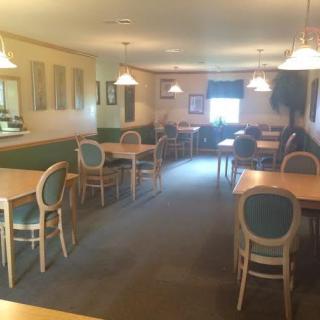
Walnut Street Residential Care
$2,150 / month0.3 miles away
Overall Review of Colonial Home
Cons
 The staff are underpaid.
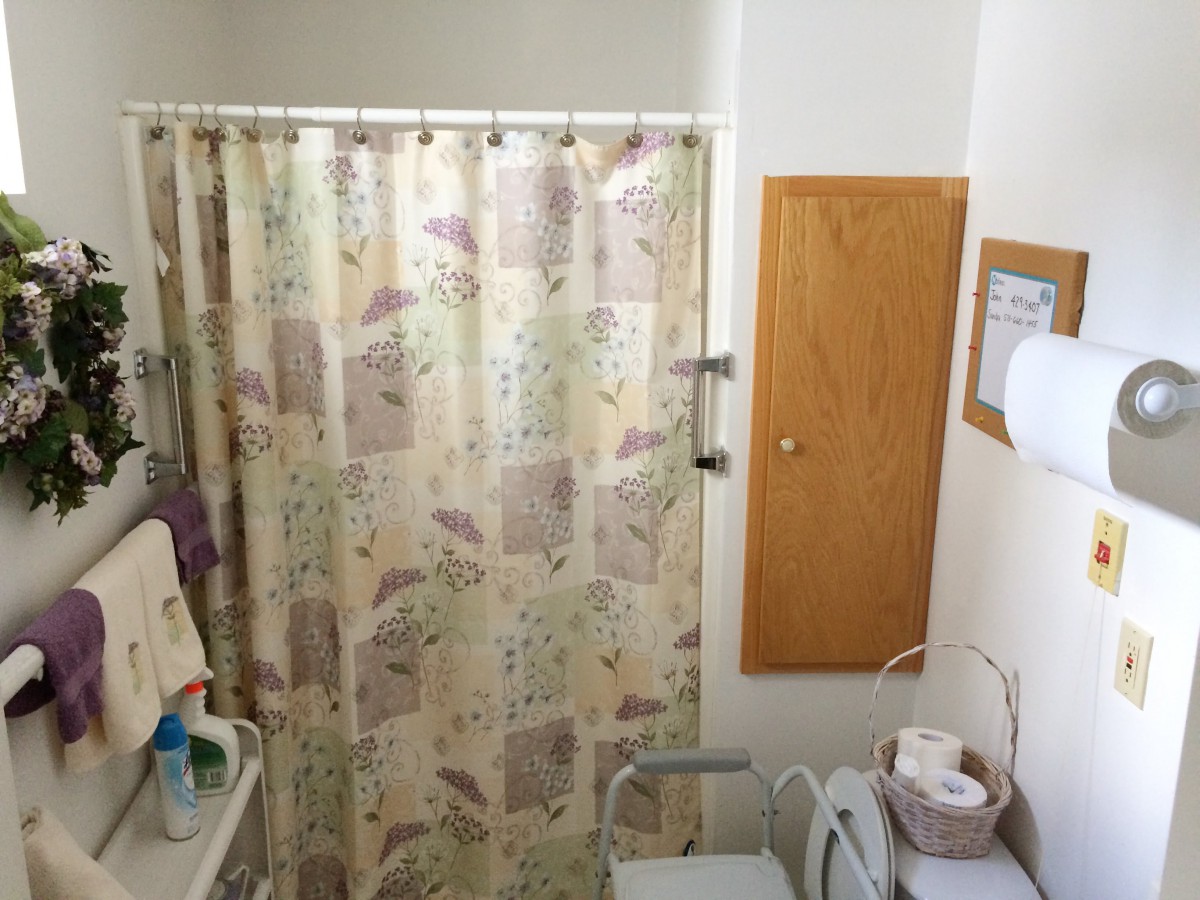
- Most residents here can't walk on their own.
- The staff are paid 11-12 per hour by the same owner of New Hope.
- The owner pays his employees at that facility more for doing less work.
Review
Colonial Home in Doniphan, Missouri is best suited for seniors whose care needs center on hands-on daily assistance in a small, straightforward setting, and for families prepared to operate with tighter staffing that may be sensitive to wage-driven turnover. The resident profile described suggests many cannot walk independently, so reliable help with transfers, mobility aids, and daily routines is non-negotiable. In that light, a compact operation can deliver steady contact and a predictable routine, but only if staffing remains stable and capable. The critical factor becomes whether caregivers are consistently available and trained, because without that baseline, the perceived simplicity of the model quickly shifts into a caregiving gamble for families.
Alternatives deserve serious consideration for anyone unwilling to gamble on caregiver stability. The same owner operates another nearby facility, New Hope, and the comparison implicit in the overarching ownership structure is important: higher wages elsewhere may attract steadier, more experienced staff, translating into more reliable daily care. Families should widen the search to neighboring towns or other Doniphan options to identify facilities with clearer staffing plans, longer-tenured caregivers, and transparent routines that align with a resident’s mobility and daily support needs. In practical terms, a facility with steadier staffing often produces a more predictable day-to-day experience, which matters profoundly when mobility is limited.
The core drawback in Colonial Home’s setup is staffing that appears underpaid, a condition that feeds turnover, fatigue, and inconsistent response times for residents who depend on prompt help. The absence of wage parity across properties owned by the same operator signals incentives misaligned with consistent, high-quality care. When caregivers rotate frequently or arrive short-handed, meals, grooming, transfers, and call-response quality all suffer. That dynamic elevates risk for safety and comfort, particularly for residents who cannot move unaided and rely on caregivers for almost every activity of daily living. The bottom line is that reliability becomes the fragile link in daily operations.
Safety and quality hinge on predictable, attentive care, and the current staffing pattern raises legitimate red flags. Residents with mobility limitations cannot wait long for assistance, and delays in transfer support or responding to alarms can escalate risk. The wage-driven turnover risk directly translates into gaps in continuity of care, as new faces familiar with long-standing routines are scarce. In such an environment, observation and early detection of health changes diminish, amplifying concerns about overall well-being. The resulting uncertainty around who will be present when needed makes Colonial Home a high-stakes choice for families prioritizing dependable, consistent help.
There are still practical ways to approach a move with prudence if Colonial Home is on the short list. A key strategy is to insist on a transparent staffing plan: exact caregiver-to-resident ratios, a published schedule, and recent turnover data. Family involvement can help stabilize routines, but it cannot substitute for a consistently staffed team. Prospective residents should interview current staff about workload, shift coverage, and what happens when caregivers call out. Compare this with other area options to see whether pay, retention, and documented care outcomes justify the risk. The aim remains clear: secure dependable, compassionate assistance for a resident who cannot move independently, while avoiding a situation where staffing gaps compromise safety and dignity.
 31 resident community capacity
 Assisted Living
 Activities on-site
 Air-conditioning
 Bath tubs
 Beauty salon
 Cable or satellite TV
 Devotional services off-site
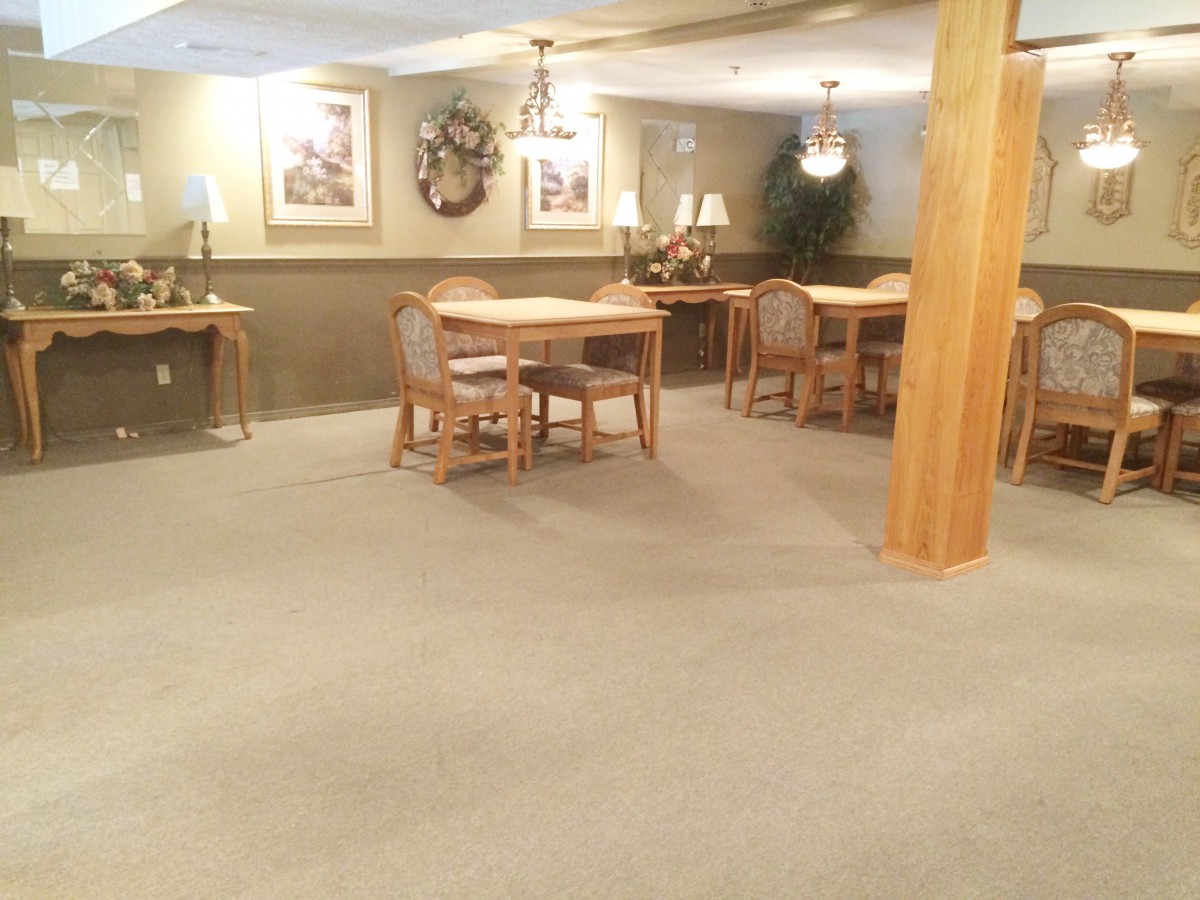
 Dining room
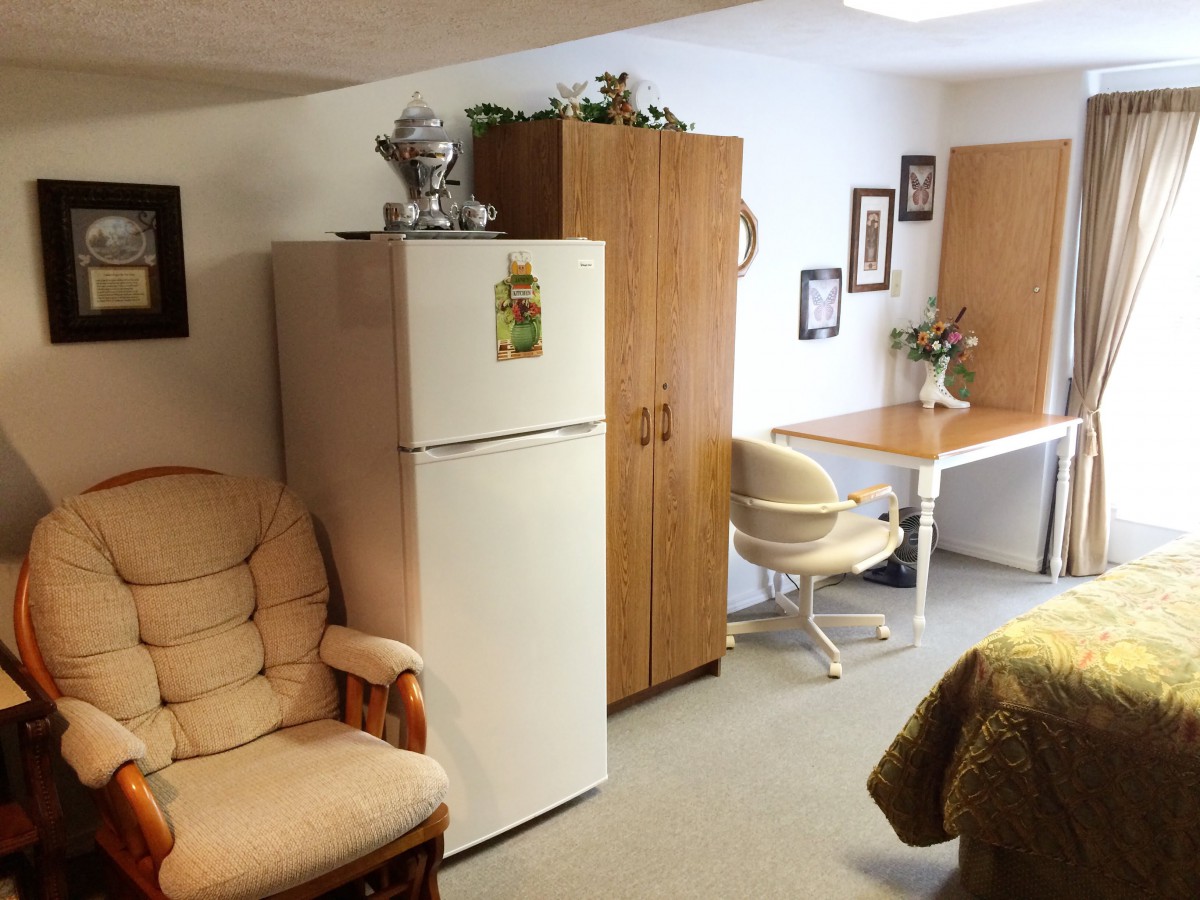
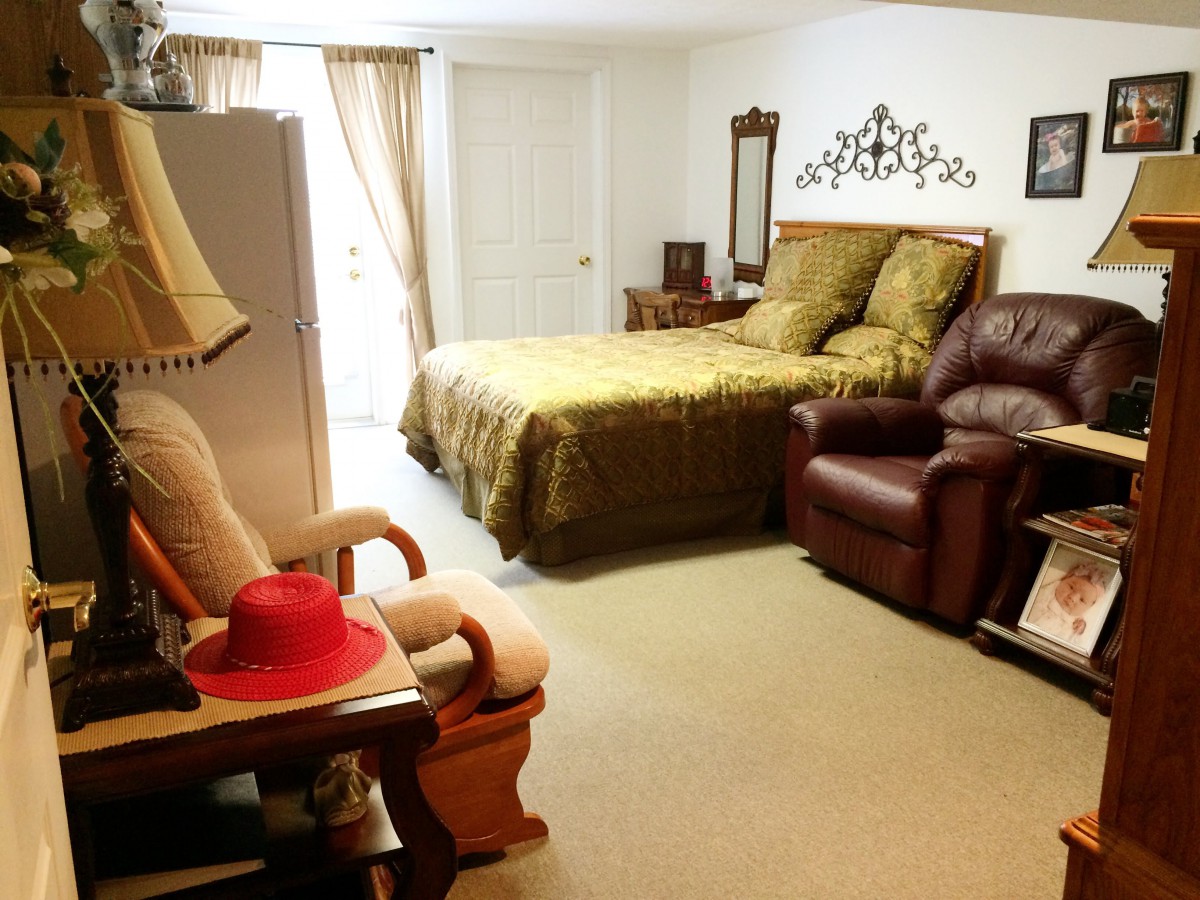
 Fully furnished
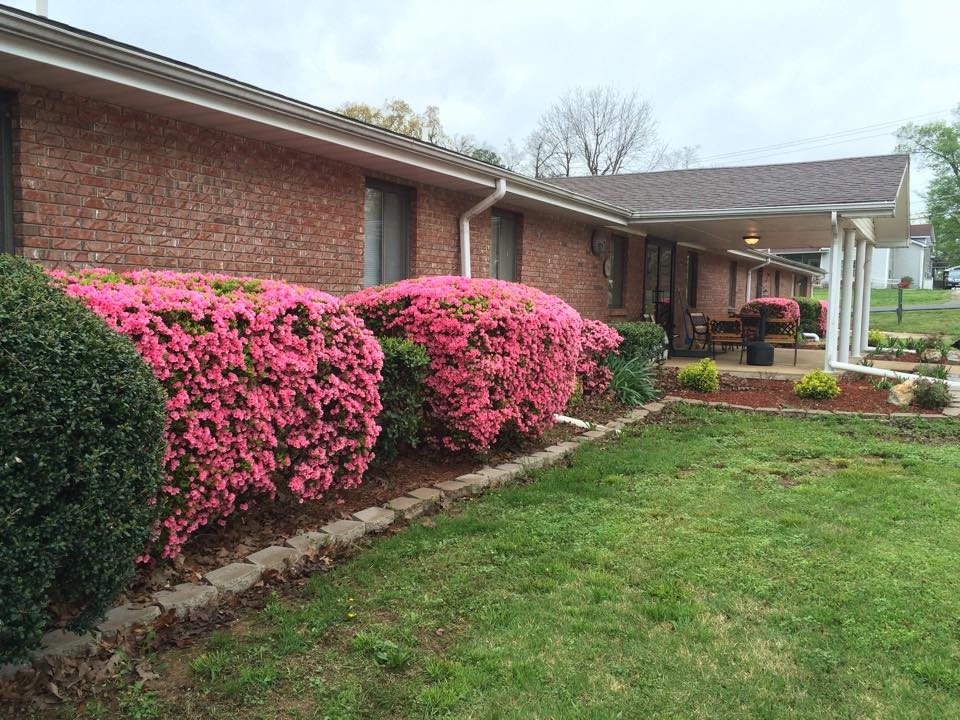
 Garden
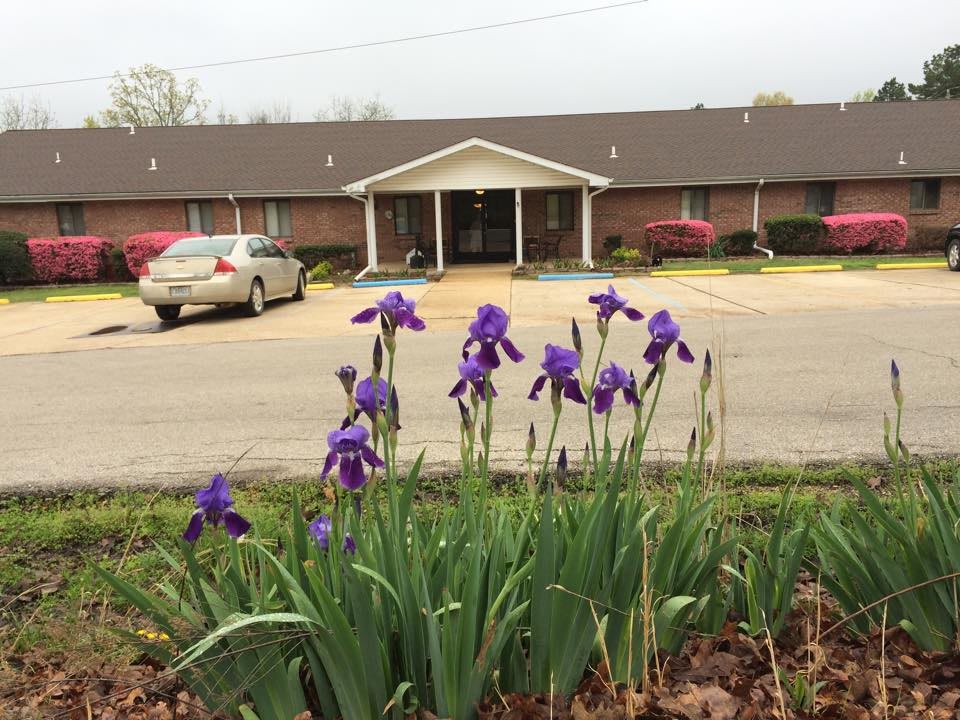
 Ground floor units
 Handicap accessible
 Housekeeping services
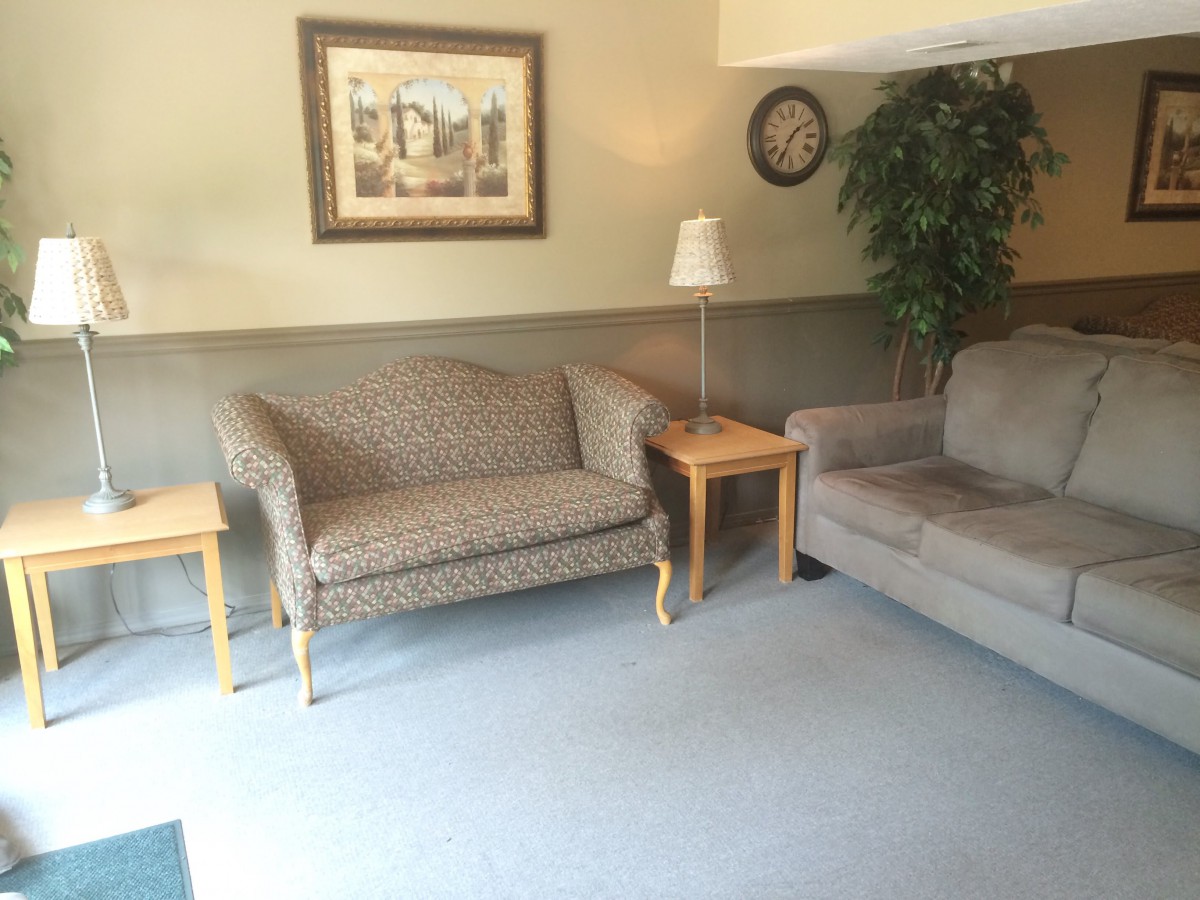
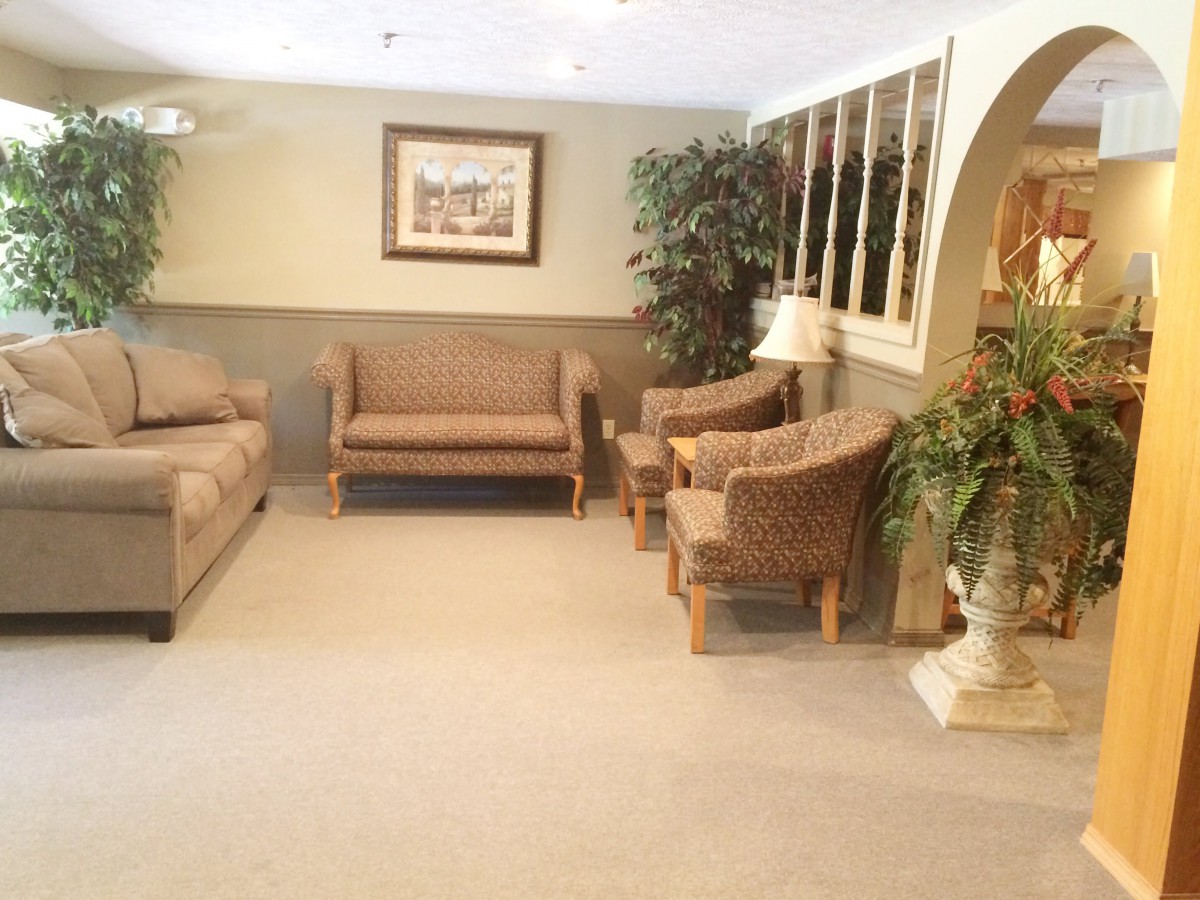
 Indoor common areas
 Kitchenette
 Move-in coordination
 Outdoor common areas
 Private bathrooms
 Respite or short term stays offered
 Restaurant-style dining
 Small library
 Telephone
 Wheelchair accessible showers
 Wi-Fi/high-speed internet available
 24-hour call system
 Ambulatory care
 Assistance with bathing
 Assistance with dressing
 Assistance with transfers
 Diabetes diet
 Diabetic care
 High acuity care
 Incontinence care
 Medication management
 Mental wellness program
 Special dietary restrictions
 Day trips and outings
 Live dance or theater performances
 Live musical performances
 Stretching classes
 Trivia games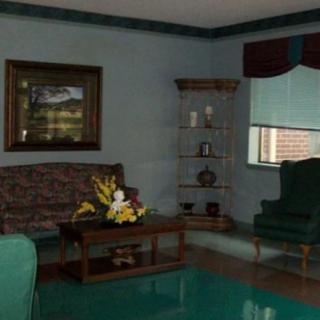
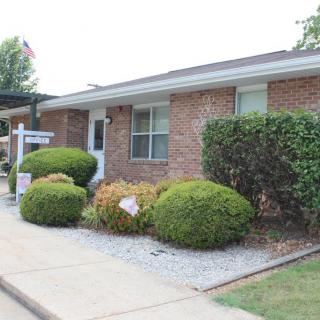
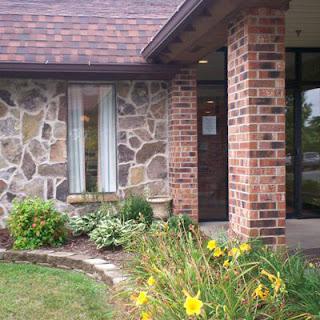
 Wide range of amenities and 24/7 care in a homelike setting.

 Social Security Benefits and Assisted Living: Navigating Options Across the U.S.
 An Extensive Exploration of the VA Aid and Attendance Benefit
 Senior Transition Services: Understanding Their Role, Cost, and Importance