
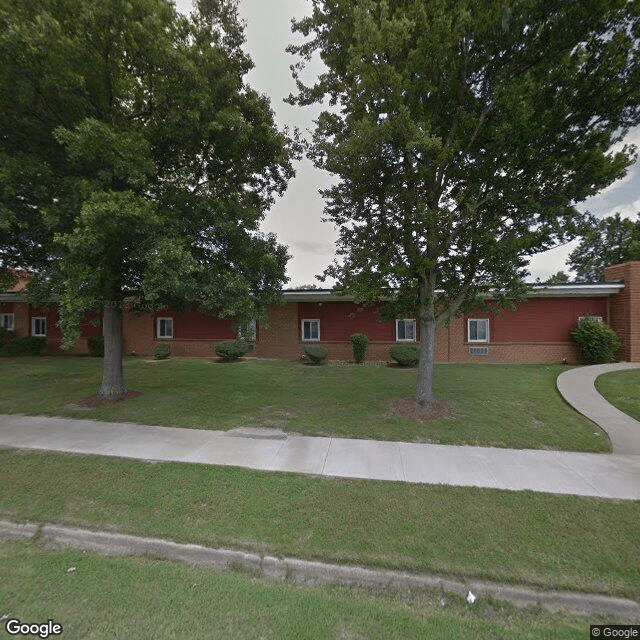
302 North Elm, Dexter, MO 63841
For more information about senior living options: (866) 208-4318
Central Gardens Costs & Pricing
At Central Gardens, the monthly cost for a private room is set at $4,562, which positions it as a more economical choice compared to the average rate of $5,219 in Stoddard County. This represents a significant saving for families seeking quality care without compromising on comfort. Additionally, when considering Missouri's overall average of $4,483 for private rooms, Central Gardens remains competitively priced while still providing exceptional services and amenities tailored to meet residents' needs. This thoughtful pricing strategy underscores Central Gardens' commitment to delivering value in an increasingly complex healthcare landscape.
| Floor plans | Central Gardens | Stoddard County | Missouri |
|---|---|---|---|
| Private | $4,562 | $5,219 | $4,483 |
Assisted Living communities with a similar price nearby
-
from +$738 / mo

Oakdale Assisted Living
$5,300 to $6,800 / month24.2 miles away -
from -$656 / mo
The Arbors at Westridge Place
$3,906 to $4,867 / month20.4 miles away -
About the same

Essex Residential Care
$4,500 to $5,700 / month10.2 miles away
Overall Review of Central Gardens
Pros
 The meals are amazing.
- They provide great care.
- The facility is amazing and the staff are great.
- Their mom has been very happy there.
- The place is beautiful and welcoming, with friendly staff and happy residents.
- The facility is very clean, odor-free, and attractive.
- They offer a wide range of extracurricular activities.
Cons
 Nasty and unprofessional
Review
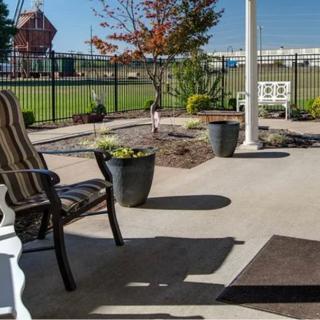
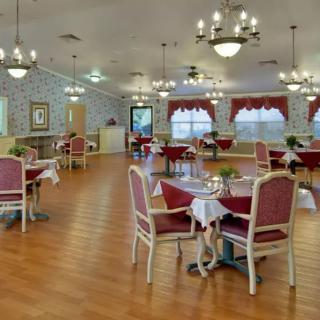
Central Gardens in Dexter, Missouri is best suited for seniors who want a lively, community-centered assisted-living experience with dependable caregiving, excellent meals, and a calendar filled with engaging activities. The environment feels clean, attractive, and welcoming, with staff repeatedly praised for kindness and professionalism. Residents enjoy home-style meals, a schedule of arts and crafts, choir, and family events, plus on-site physical and occupational therapy. Studio apartments provide private space but lack a full kitchen, offering a microwave, a small refrigerator, and a coffeemaker as basic conveniences. Outdoor spaces, a patio, a garden, and a large courtyard, offer easy opportunities for fresh air, social time, and informal relaxation between activities and meals.
Those who may want to explore alternatives include families prioritizing private culinary autonomy or residents requiring a higher level of medical oversight than typical assisted living offers. There is at least one report alleging nastiness and unprofessional behavior, suggesting that culture and consistency may vary by encounter. Prospective families should conduct thorough tours, speak with multiple staff members, and, where possible, converse with current residents to gauge whether the day-to-day atmosphere aligns with expectations. For someone who prizes a consistently formal structure or needs more individualized medical coordination, other communities might deliver more predictable experiences.
The strongest positives, robust care, high-quality meals, and a rich activities program, tend to offset the lack of in-room kitchen for many residents. The care is described as attentive, with staff going the extra mile, and meals receive enthusiastic praise for freshness and flavor. The activity slate is notably comprehensive: arts and crafts, a choir, monthly family nights, puzzle rooms, and ongoing therapy services help create purposeful days for those who thrive on social engagement and structured routines. Cleanliness and pleasant, odor-free interiors reinforce comfort, while thoughtfully placed seating in hallways supports mobility and opportunities for casual chats with neighbors. The outdoor spaces add a valued dimension, offering tranquil spots to sit, stroll, or gather with family and friends.
The main trade-off centers on personal space and independence in daily living. The apartment setup omits a kitchenette, a meaningful limitation for residents who want cooking autonomy or convenient in-unit snacking. Although the campus exudes warmth and community, the experience can hinge on interpersonal dynamics and how well staff interactions align with individual expectations; the lone negative review underscores the importance of firsthand assessment. For families managing evolving care needs, it remains essential to confirm the scope of on-site therapy, the availability of additional support, and how responsive the team will be to changes in health status during the stay.
Practical decision-making should weigh the depth of programming and the quality of meals against the desire for private culinary control. For residents who prize a lively schedule, nutritious, home-style dining, and ready access to PT/OT without assuming private kitchen duties, Central Gardens offers compelling value. Tours should include a firsthand dining experience, an overview of the activity calendar, and conversations with current residents about typical days. If possible, inquire about alternative apartment layouts or upgrades, what options exist for in-room conveniences, and how transportation and family visit policies function in practice. These checks will clarify fit and help avoid surprises after move-in.
Overall, Central Gardens provides a practical, well-supported option for seniors seeking camaraderie, meaningful daily engagement, and steady, compassionate care in Dexter. Its blend of high-quality meals, robust programming, and clean, inviting spaces positions it as a solid choice for families prioritizing warmth and consistency. However, those who require private culinary autonomy or who are sensitive to potential inconsistencies in staff interactions should compare with alternatives that offer in-unit kitchens and a more uniform daily rhythm. With deliberate tours, candid conversations, and careful attention to personal preferences, families can determine whether Central Gardens aligns with the residentā€™s needs and priorities, enabling a confident, well-informed choice.
 83 resident community capacity
 Assisted Living
 Activities on-site
 Air-conditioning
 Beauty salon
 Cable or satellite TV
 Computer center
 Devotional services off-site
 Dining room
 Fitness room
 Fully furnished
 Gaming room
 Garden
 Housekeeping services
 Indoor common areas
 Kitchenette
 Move-in coordination
 Outdoor space
 Private bathrooms
 Restaurant-style dining
 Small library
 Telephone
 Wellness center
 Wi-Fi/high-speed internet available
 Community operated transportation
 12-16 hour nursing
 24-hour call system
 Ambulatory care
 Assistance with bathing
 Assistance with dressing
 Assistance with transfers
 Diabetes diet
 Diabetic care
 Medication management
 Mental wellness program
 Special dietary restrictions
 Concierge services
 Planned day trips




 When to Transition from Assisted Living to Memory Care: Key Indicators, Steps, and Finding the Right Community
 Assisted Living and Memory Care: Understanding Their Core Differences
 Beyond the Bingo Hall: 50+ Enriching Activities for Seniors in Assisted Living