

PO Box 81, Cuba, MO 65453
To contact a resident: (573) 885-6443
For more information about senior living options: (866) 208-4318
Overall Review of Pilkenton Residential Care
Pros
 The place is described as friendly, with a very nice facility and great food.
- It is highly recommended as a great place to live.
- It is described as the most amazing place ever the reviewer has been to.
- It is an awesome place to be.
Cons
 The care is awful.
- There is a warning about signing any agreement or access to checking accounts.
- The place smells bad.
- The rooms are small and not cleaned.
- Medicines are given but not taken care of properly.
- The staff are god-awful and the living conditions are poor.
- The owner and administrator are liars and thieves.
Review
Pilkenton Residential Care in Cuba, Missouri, is best suited for families seeking a small, home-like setting where staff may offer genuine warmth and personal attention, but where care quality and cleanliness can be uneven. It appeals to residents who are drawn to a facility that looks pleasant on the surface and promises a social, neighborly atmosphere, with meals that some residents describe positively. This is not a large, tightly regulated operation; it functions more like a close-knit residence where day-to-day experiences can vary widely from one shift to the next. Families comfortable with a lower level of predictability in care and who can tolerate significant variance in daily operations will find some solace here.
On the other hand, those who require a consistently high standard of medical oversight, meticulous cleanliness, transparent finances, and strict adherence to safety protocols should consider alternatives. Several reviews raise red flags about care delivery, medication handling, and housekeeping, and there are serious allegations about governance and financial practices. Prospective residents with complex medical needs, or those who rely on dependable staff availability for mobility and safety, will likely encounter gaps here. Pets also become a decisive factor for some families, as at least one strongly negative account notes a non–pet-friendly stance, which would rule out this option for dog owners seeking in-home companionship for a loved one.
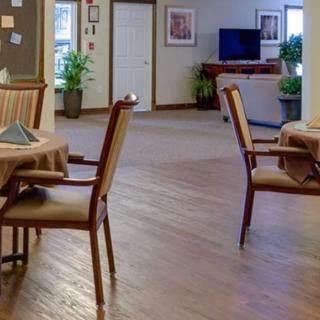
The strongest positives cited are the perceived friendliness of staff, the overall attractiveness of the facility, and the quality of some meals. When staff members are approachable and residents feel welcomed, daily life can feel more manageable, and social engagement can be meaningful. The facility’s appearance and common areas also contribute to a sense of dignity and comfort that families search for during transitions. These redeeming elements do offer meaningful value for residents who prioritize companionship and a pleasant living environment; they can offset, to a degree, the fear of loneliness or isolation. Yet these benefits do not erase the core concerns about care quality or operational consistency.
The central drawbacks are considerable and deserve careful weighting. Multiple reviews describe abrupt or neglectful care, with reports of inadequate monitoring, questions about medication administration, and insufficient attention to cleanliness and odor control. Small rooms and reported cleanliness issues compound these concerns, making daily living feel cramped and less sanitary. A pattern of negative impressions toward administration and governance, alongside explicit accusations about dishonesty, cannot be dismissed lightly, especially for families entrusting someone with medical needs and financial arrangements. In short, the cons cluster around safety, reliability, and trust, which are nonnegotiable factors for sustained residence.
To make a well-informed decision, families should conduct a rigorous, on-site evaluation and push for transparent conversations. Schedule time to observe routine care, talk with current residents and multiple staff members across shifts, and request a detailed breakdown of medication procedures and daily care plans. Ask for copies of current financial agreements, spending policies, and any resident funds handling procedures, and have counsel review the terms before signing. If possible, request a trial period or temporary stay to test responsiveness, cleanliness, and meal quality under real conditions. Compare closely with nearby facilities that offer similar pricing but stronger reputations for staffing consistency and medical oversight.
Ultimately, Pilkenton Residential Care can serve a niche segment, families who prize a warm, personable environment and can accept variable care quality and house-keeping performance. For most families facing ongoing medical needs, memory care requirements, or strict safety expectations, it is prudent to look elsewhere and to demand stronger assurances, clearer policies, and demonstrably consistent staffing. The decision hinges on whether the appeal of a friendly, home-like setting and decent meals outweighs the risk of inconsistent care, potential financial ambiguity, and the serious questions raised about governance and day-to-day operations. A cautious buyer’s approach, grounded in in-depth tours, corroborated references, and careful document review, will determine whether Pilkenton is a fit or a bridge to a more reliably managed option.
 Board and Care Home





 Essential Knowledge on Pneumonia in Older Adults
 Exploring Palliative Care in the Home: A Comprehensive Overview
 Comprehensive Insights into Palliative Home Care: What It Is and What to Expect