
5000 East Richland Road, Columbia, MO 65201
For more information about senior living options: (866) 208-4318
Overall Review of Lake George Assisted Living
Pros
 Lake George's independent living apartments allow residents to maintain independence with dignity and grace.
- The staff provide cleaning, cooking, and laundry assistance that residents greatly appreciate.
- The lake view each morning gives residents a sense of home and comfort.
- The community hosts holiday events and welcomes families.
- Roystan Pais and the staff treat residents as if they were their own family.
- Roystan and the staff are extremely caring and create a genuine family by getting to know residents.
- Meals are family-style and invite residents from independent living to join.
- The cooks prepare homemade meals, contributing to a warm, home-like atmosphere.
Review
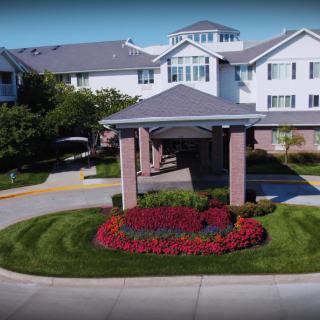
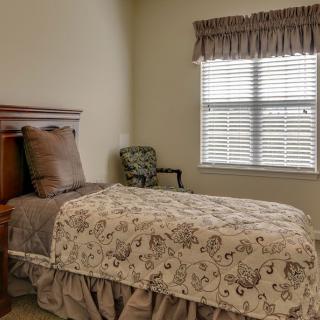
Lake George Assisted Living in Columbia, Missouri, is best suited for seniors who prize a small, homelike community where independence is respected but light support is readily available. The independent living apartments sit within a genuine, lakefront setting that feeds a quiet, nonclinical rhythm to daily life. Residents often stay in their own apartments while enjoying a strong sense of belonging, meals, socializing, and routine activities are oriented around a family-style model rather than a crowded campus. For couples or individuals who want dignity, personal attention, and a daily environment that feels like a welcoming home, Lake George consistently delivers.
That said, this community is not the right fit for everyone. Families needing round-the-clock medical oversight, intensive memory care, or a campus with a broad array of specialized clinical programs should look elsewhere. A single unfavorable review exists among the otherwise strong consensus, suggesting that experiences can vary and that first-hand visits are essential to gauge how care, culture, and responsiveness play out day to day. Those who demand constant programming, hospital-level services, or expansive on-site resources should consider alternatives that offer deeper clinical depth or larger, more regimented structures.
The strongest advantages cluster around personalization and atmosphere. Light assistance with cleaning, cooking, and laundry helps sustain independence without stripping residents of control. Meals unfold in a family-style setting, homemade touches from the kitchen and table conversations that feel communal rather than transactional. The leadership and staff are repeatedly described as caring to the point of being family-like, with Roystan Pais and his team taking time to know residents well and treating them as if they were their own parents. This level of relational care translates into higher comfort, lower stress, and a sense that daily life is measured in warm, meaningful moments rather than checklists.
Equally compelling is the community culture that supports emotional and social wellbeing. The facility is small, clean, and calm, with a rural setting and scenic lake views that reinforce a peaceful mood. Holidays are celebrated with gusto, and family involvement is actively encouraged, creating a recurring sense of belonging that makes residents feel seen. The “small home” model means staff can respond quickly, conversations are genuine, and routine interactions, porch chats, shared meals, and neighborly greetings, become part of the care plan rather than afterthoughts. Several reviews highlight the way this culture turns everyday living into a dignified, joyful experience rather than a clinical obligation.
From a decision-maker’s perspective, Lake George provides a compelling mix of comfort, accessibility, and personalized care that often outperforms more impersonal facilities of similar size. The intimate scale supports continuous observation and rapid adjustment to a resident’s evolving preferences, with ownership that visibly prioritizes quality of life. However, the trade-off is a lighter programming calendar and a smaller slate of on-site clinical services than larger campuses. Pros offset these drawbacks when a loved one values personal connections, routine predictability, and a sense of “being at home,” rather than a bustling, program-heavy environment.
In sum, Lake George stands out for families seeking a warm, family-style atmosphere where independence is honored and care feels personal. The strongest case rests with residents who thrive on intimate, resident-centered attention, reliable staff engagement, and the emotional rewards of shared meals and regular social contact. Alternatives are worth considering for those who require more intensive medical supervision, memory-care specialization, or expansive programming. Prospective families should schedule a visit, sample a meal, observe interactions, and talk with current residents and staff to assess alignment with long-term care goals. The Lake George model is decisively practical: it works best when the priority is dignity, community, and everyday warmth, with little tolerance for impersonal care or crowded environments.
 10 resident community capacity
 Assisted Living
 Board and Care Home
 Cable or satellite TV
 Dining room
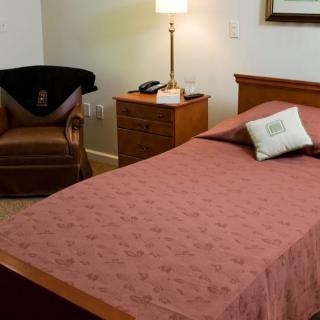
 Fully furnished
 Garden
 Housekeeping services
 Move-in coordination
 Outdoor space
 Telephone
 Wi-Fi/high-speed internet available
 Columbia Regional (9 miles away)
 24-hour supervision
 Activities of daily living assistance
 Assistance with bathing
 Assistance with dressing
 Assistance with transfers
 Diabetes diet
 Meal preparation and service
 Medication management
 Special dietary restrictions
 Transportation arrangement (medical)
 Transportation to doctors appointments



 Exploring the Path to Senior Living: A Comprehensive Look at Independent Living and Assisted Living
 Is Assisted Living Deductible on Your Taxes? Understanding the Complexities of Assisted Living Expenses and Deductions
 Assisted Living Support for Veterans: A Complete and Detailed Overview