
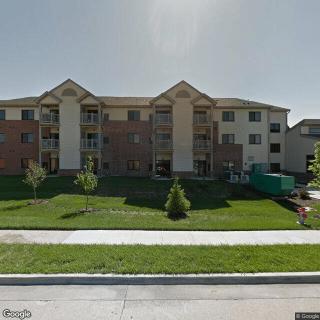
1412 I 70 Dr SW # A, Columbia, MO 65203
To contact a resident: (239) 594-3250
For more information about senior living options: (866) 208-4318
Overall Review of Home Instead Senior Care - Columbia, MO
Pros
 The Home Instead team is excellent to work with and provides reliable, caring caregiver support.
- Toby Barnes is a long-time, passionate home health professional who has positively impacted homes across Missouri and has been featured in a magazine.
- The Columbia, MO Home Instead team is patient, caring, and helps keep families informed through an accessible online platform.
- The staff are organized, professional, and committed, with care that treats clients as family.
- Clients feel valued and view Home Instead as a trusted partner for health and well-being.
- The attention to matching clients with the right staff is wonderful, with personal, attentive care for loved ones.
- The front desk and overall customer service are professional, friendly, and supportive.
- Home Instead is described as a wonderful place to work and to receive elder-care services.
Cons
 Toby Barnes was very upset that Home Instead laid him off.
- The new owner puts profits over people.
- The parents went from people to dollar signs in the owner's eye.
- The reviewer advised avoiding the company under the new owners.
- Home Instead showed they were more interested in billing over care.
Review
This Columbia community is best suited for families seeking highly personalized, hands-on in-home senior care with a strong emphasis on matching a caregiver team to the individual loved one. It works well for seniors who want to remain at home but need help with daily routines, safety monitoring, and ongoing communication with family members. The approach is decidedly relationship-driven: families partner with a local team, experience thorough onboarding, and gain access to an online platform that keeps everyone informed. When a calm, attentive caregiver presence is the priority, this option consistently delivers.
Those needing unwavering cost predictability, or requiring a facility-level guarantee of long-term caregiver stability, may want to consider alternatives. A shift in ownership or emphasis on billing can create unease for families who rely on continuity and a tightly controlled care budget. If the plan is to avoid any risk of caregiver turnover or disruptive reorganizations, or if the expectation is for a large, centralized network with standardized practices across dozens of markets, a different agency with a more stable corporate structure may serve better. The realities of ownership change deserve careful consideration.
The strongest positives here center on personal attention, professional organization, and a clear commitment to care. Families report careful caregiver matching that treats loved ones as family, with staff who are patient, reliable, and genuinely devoted. The office side is praised for responsiveness, and the online platform makes it simple for family members to stay informed and involved. Long-tenured staff and a culture of assistance contribute to a sense of security: when trust is built with a care team, the day-to-day experience tends to feel consistently steady, even as individual caregivers come and go. This combination often translates into real, observable benefits for daily living and peace of mind.
Another clear strength is the emphasis on the human relationship at the core of care. Front-desk professionalism, personal attention to the client’s needs, and a staff philosophy that centers on compassionate, family-like care create a reliable support network. The testimonials highlight the way caregivers attend to small details, the way office staff respond to requests, and the sense that the agency is a true partner in maintaining health and well-being. For families wrestling with caregiving logistics, these elements, coupled with the ability to assemble a thoughtful caregiver roster, can dramatically reduce stress and improve quality of life for both the senior and the family.
Yet the reviews do reflect real cautions. A notable concern is the impact of ownership changes, with one account describing a shift toward profitability that affected perceived care priorities. A longtime caregiver’s layoff also underscored the risk of disruption when leadership or financial priorities shift. Several families chose to move to another agency after ownership changes, citing billing emphasis over genuine care as a key driver. While not universal, these signals suggest that stability in ownership and clear, transparent pricing are legitimate decision points to verify before committing long-term.
In the end, decisions about Home Instead Columbia should hinge on whether the family prioritizes deeply personalized, relationship-centered in-home care with strong family communication and a robust care-matching process. For families that can tolerate the possibility of ownership-driven changes and value the human connection, this option often delivers meaningful, practical benefits that support independent living at home. For those who require absolute price certainty, maximum stability, or a broad, standardized footprint with minimized risk of caregiver turnover, alternatives deserve evaluation. Prospective families should demand a current, explicit discussion of staffing continuity plans, fees, and how caregiver assignments will be managed if turnover occurs. A proactive, questions-first interview with the local office will reveal whether this model aligns with the specific needs and risk tolerance of the loved one.
 Columbia Regional (13 miles away)







 Understanding Home Health Care: A Comprehensive Guide
 Home Health Care Demystified: A Comprehensive Guide for Families and Caregivers
 Seniors and Modern Transportation: Exploring Uber, Lyft, and Other Ride-Hailing Options