
500 Baptist Home Lane, Chillicothe, MO 64601
For more information about senior living options: (866) 208-4318
Overall Review of The Baptist Home
Pros
 The facility delivers on its promise of Christlike compassionate care.
- The full-time campus pastor and the staff are highly appreciated.
- It is a nice place to work.
- The parents lived on the campus in four-plex apartments for 13 years and were very happy.
- The father received great compassion in the assisted living section across the street.
- The staff were very kind, and many attended his funeral.
- Staff have been working hard to help the mother settle in.
- The food is excellent.
Cons
 He fell one night while trying to get to the bathroom, broke his hip, and died from complications.
- She doesn’t want to get into the groove; she wants her car keys.
- Her biggest complaint is that the food is too good and she might gain weight.
Review
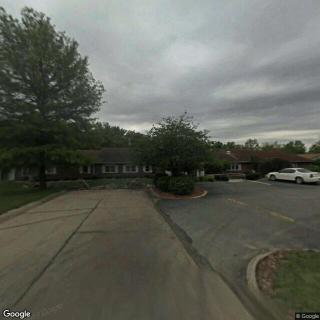
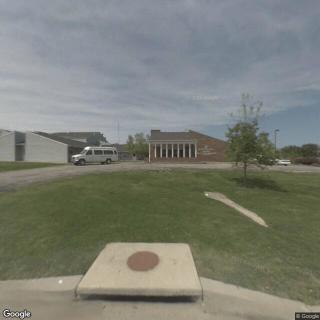
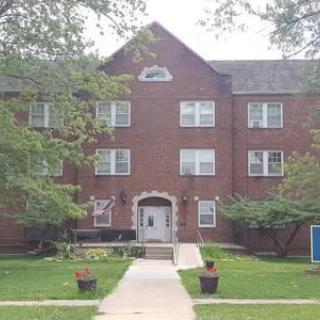
The Baptist Home in Chillicothe, MO is best suited for families seeking a faith-forward, tightly knit assisted living community where compassionate care is woven into daily life and where residents live on a compact campus with on-site spiritual leadership and regular religious programming. The presence of a full-time campus pastor and a staff described as consistently caring creates a living environment in which residents and families feel connected, supported, and seen. Four-plex apartments on campus and accessible care across the street for different levels of need reinforce a sense of continuity, familiarity, and ease that matters deeply when routines are essential and memory or mobility changes begin to emerge.
Those who may want to consider alternatives are primarily families prioritizing secular surroundings, broader social diversity, or robust, hospital-level medical capabilities on-site. The setting is clearly faith-centric, and that framework can be a strong fit or a mismatch depending on personal beliefs and preferences. For seniors who expect top-tier acute medical services, aggressive rehab options, or a more urban, resort-like environment, it’s prudent to explore facilities with a larger medical footprint or a more secular programming slate, to ensure all anticipated needs are met without compromise.
The core strengths, compassionate, steady staff; meaningful spiritual leadership; and a home-like campus atmosphere, offset potential drawbacks with noticeable impact. Care that feels genuinely personal shows up in small but powerful ways, from attentive day-to-day support to attending important family moments, such as a loved one’s funeral. The long-tenured caregivers and the presence of the campus pastor help sustain trust and reduce the anxiety that often accompanies transitions into assisted living. The living arrangements on campus, paired with the ability to move between the four-plex homes and the on-site memory- or assisted-living options across the street, provide predictable routines and a sense of belonging that can be hard to find in larger, more impersonal facilities.
Real-world experiences shared by families underscore the practical advantages. A parent who thrived in a familiar campus setting benefited from staff who treated dementia care with patience and empathy, while another family saw the community rally around a loved one during a difficult time. The anecdote about a mother adjusting to life in assisted living, while joking about her appetite because the food is so good, highlights not just the warmth of daily life, but the subtle ways a community can enhance emotional well-being: tasty meals, friendly faces, and a supportive network that helps residents “get into the groove.” This blend of tangible daily comfort and heartfelt care makes the environment feel less like a facility and more like a trusted home.
Yet no setting is perfect for every senior. The family experiences emphasize a need for clarity about medical capabilities and the process for escalating care if health needs intensify. Since the reviews center on care quality and a peaceful, faith-infused milieu, prospective residents should scrutinize what levels of medical supervision are available on-site, how transitions to higher acuity or specialized memory care are managed, and what options exist if independence wanes more rapidly than anticipated. For those who prize autonomy, privacy, or a more secular social calendar, these factors could become meaningful considerations when comparing options.
Ultimately, the Baptist Home represents a strong, practical choice for families prioritizing warmth, stability, and spiritual community alongside reliable care. It is a place where staff stability and the presence of pastoral care translate into meaningful assurance for loved ones facing aging and memory-related challenges. Alternatives make sense for those seeking secular environments, expansive medical services, or a different pace and footprint. The recommended next steps are straightforward: arrange a visit to observe daily interactions, ask explicit questions about care levels and memory-support options, review meal planning and resident activities, and evaluate how the campus culture aligns with personal values and long-term care expectations.
 34 resident community capacity
 Assisted Living
 Independent Living
 Skilled Nursing Facility
 Beauty salon
 Cable or satellite TV
 Dining room
 Fully furnished
 Garden
 Housekeeping services
 Kitchenette
 Move-in coordination
 Outdoor space
 Restaurant-style dining
 Small library
 Telephone
 Wi-Fi/high-speed internet available
 24-hour call system
 Activities of daily living assistance
 Assistance with bathing
 Assistance with dressing
 Assistance with transfers
 Diabetes diet
 Medication management
 Mental wellness program
 Special dietary restrictions

 Understanding the True Cost of Assisted Living in 2025: A Comprehensive Guide
 Understanding Medicaid Coverage for Assisted Living: A Comprehensive Guide
 How and When Medicaid May Cover Assisted Living Costs