
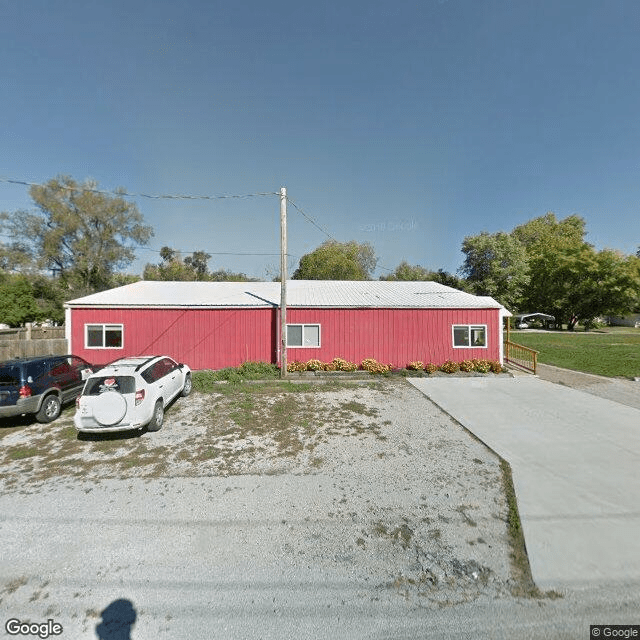
1115 2nd St, Chillicothe, MO 64601
To contact a resident: (660) 646-1595
For more information about senior living options: (866) 208-4318
Bella-Brooke Adult Day Center Costs & Pricing
Bella-Brooke Adult Day Center offers a range of pricing options for its services, with semi-private accommodations priced at $3,843 per month, which aligns with the average cost in Livingston County. For those seeking more privacy, a private room is available at $4,611 per month. This rate is comparable to the state average of $4,483 for similar accommodations in Missouri. While Bella-Brooke maintains consistent pricing with county averages for semi-private rooms, it slightly exceeds state averages for private rooms, reflecting the center's commitment to quality care and tailored services that cater to individual needs.
| Floor plans | Bella-Brooke Adult Day Center | Livingston County | Missouri |
|---|---|---|---|
| Semi-Private | $3,843 | $3,843 | $3,772 |
| Private | $4,611 | $4,611 | $4,483 |
Overall Review of Bella-Brooke Adult Day Center
Pros
 The place seems very nice.
- The staff are educated and work with a great deal of love.
- They had a wonderful time.
- They are the best place for family care when you have to work.
- It is a wonderful place; they do great things and are great people.
- The staff are nice and care for their clients.
- It is an amazing place.
- The service is great.
Cons
 The staff are nice and care for their clients, but they are not well organized.
Review
Bella-Brooke Adult Day Center in Chillicothe, MO is best suited for working families who need daytime supervision for an aging relative who benefits from social engagement, gentle structure, and a home-like setting. The program attracts seniors who want companionship, meaningful activities, and a caring team that treats them with respect. Reviews consistently highlight warmth from staff and a culture of kindness, with comments about loving, educated employees and a genuine affection for the people served. For caregivers juggling a job or errands, the center promises dependable daytime coverage, allowing families to focus on work while their loved one is safe and engaged.
However, those seeking round-the-clock care, high-level medical oversight, or flawless organizational systems should consider alternatives. A few reviewers note the staff are nice and attentive but the operation isn’t perfectly organized, signaling variances in scheduling, communication, or process stability. The absence of explicit medical supervision in public feedback makes clear this is a daytime social/functional support setting rather than a medically intensive program. Families needing transportation coordination or guaranteed adherence to a strict daily routine may want to compare other centers with stronger structural systems.
The strongest pro is the people: friendly, patient, and genuinely invested. Descriptions of staff as “great” and “loving” create a perception of a small, family-like community where care feels personal rather than transactional. Clients appear to thrive on the personal attention and the feeling that the owners care about each individual's wants and needs. The environment is repeatedly characterized as welcoming and almost home-like, which lowers anxiety for both clients and their families. In practical terms, this translates to better mood, more consistent participation in activities, and less caregiver guilt about leaving a loved one in care.
Still, the main drawbacks center on consistency and operational rhythm. The running critique points to organization gaps that can affect daily flow, with some days feeling smoother than others. That inconsistency can translate into scheduling hiccups, communication lapses, or variability in how activities are delivered. For someone managing a fragile routine or needing predictable transitions, these are non-trivial considerations. The lack of explicit details in the public feedback about medical capabilities or advanced care plans means families must verify whether the day center can meet evolving needs.
Do the positives outweigh the drawbacks? In most cases yes, if the priority is warmth, individualized attention, and a home-like, engaging day program. The emotional payoff, safety and companionship for a loved one who benefits from social interaction, can offset minor organizational missteps. The sentiment of care extends beyond routine services; owners and staff are described as heartfelt, which tends to reduce worry for families. For working caregivers, the ability to drop off in a trusted, welcoming place provides real value, enabling focus and productivity without sacrificing a loved one's well-being.
For families considering Bella-Brooke, the prudent approach is a focused visit: observe the flow of a typical day, ask about staff-to-client ratios, and request examples of daily schedules and activities. Clarify transportation options, guest eligibility, and what happens if a client’s needs escalate beyond daytime support. If medical monitoring, 24/7 supervision, or highly structured routines are essential, compare with other adult day centers or residential options that emphasize those features. The center shines for those seeking a compassionate, community-minded daytime environment; with due diligence on operations, it becomes a strong match for countless working households.
 Day Program



 Home Health Care Aides: Understanding Their Role and Supporting Your Family
 Urinary Tract Infections in Older Adults: Comprehensive Insights on Symptoms, Treatment, and Prevention
 California's Form 602A: An In-Depth Examination of Senior Care Assessment