
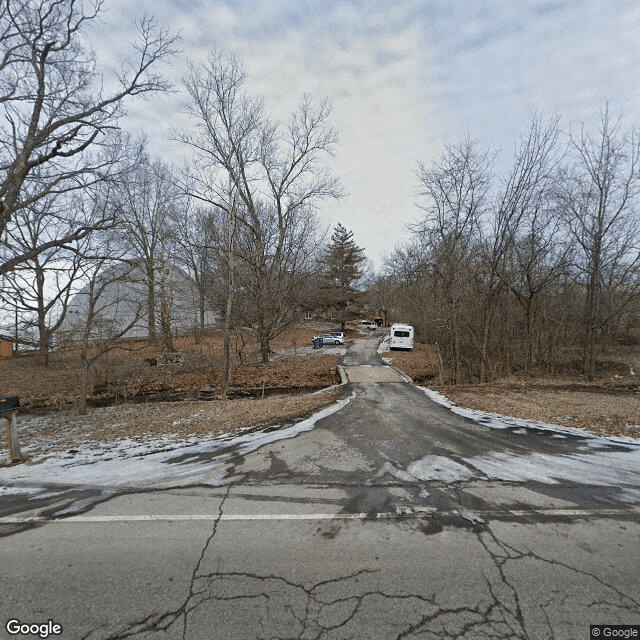
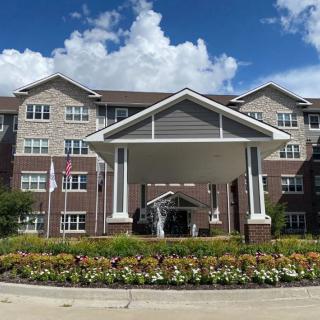
3001 Northwest Vesper Street, Blue Springs, MO 64015
For more information about senior living options: (866) 208-4318
Collier Care Home Costs & Pricing
Collier Care Home offers competitive pricing for its residents compared to the broader market in Jackson County, Missouri. For a semi-private room, Collier Care Home charges $1,800 per month, significantly lower than the county's average of $3,832 and slightly below the state average of $3,772. Those seeking greater privacy will find that Collier Care Home's private rooms are also attractively priced at $2,500 monthly, well below both Jackson County's average of $4,101 and Missouri's statewide average of $4,483. This favorable pricing structure not only highlights Collier Care Home's commitment to affordability but also positions it as an appealing option for families and individuals seeking quality care without breaking the bank.
| Floor plans | Collier Care Home | Jackson County | Missouri |
|---|---|---|---|
| Semi-Private | $1,800 | $3,832 | $3,772 |
| Private | $2,500 | $4,101 | $4,483 |
Assisted Living communities with a similar price nearby
-
from +$157 / mo
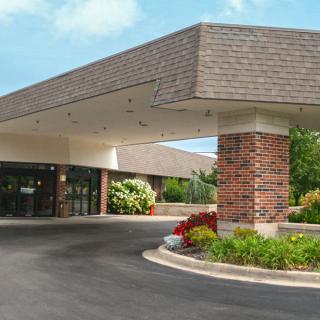
Foxwood Springs
$1,957 to $4,505 / month17.4 miles away -
from +$150 / mo
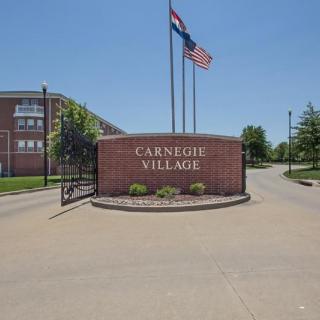
Carnegie Village Senior Living Community
$1,950 to $2,750 / month18.8 miles away -
from +$175 / mo

The Grand Royale
$1,975 to $3,975 / month18.2 miles away -
from -$186 / mo

Kingswood Senior Living
$1,614 to $5,340 / month16.8 miles away -
from +$230 / mo
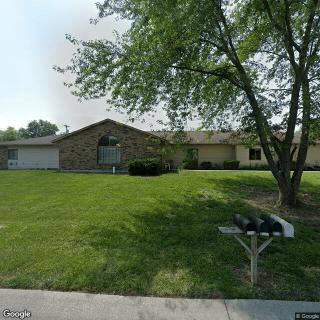
Bristol Manor of Oak Grove
$2,030 to $3,030 / month9.3 miles away
Overall Review of Collier Care Home
Pros
 The care was great and the staff were wonderful.
- Many success stories were produced there.
Cons
 They were not impressed; it wasn't really clean.
- The staff did not know the reviewers were coming yesterday.
- The administrator was not there.
Review
Collier Care Home in Blue Springs is best suited for seniors who want a small, home-like setting where caregivers know residents by name and care plans feel intimately tailored. Families prioritizing hands-on attention, warmth from staff, and a culture of personal connection will likely find the atmosphere supportive. The two families or reviewers who praised “great care and great people” signal a consistent caregiving ethos that can translate into reliable daily support, familiar routines, and timely response to needs. For someone who values visible, ongoing relationships with caregivers and a sense of community rather than a clinical feel, Collier Care Home offers a compelling match.
However, consider alternatives if cleanliness standards, predictable administrative processes, or formal visitation protocols matter more. The single negative report highlights concerns about cleanliness and a lack of advance notice for visits, suggesting a less rigorous operating rhythm than some families expect. In a market where larger assisted living communities emphasize polished environments, staff scheduling and standardized communication, a small home like Collier Care Home may fall short for families seeking a rock-solid guarantee of spotless surroundings and meticulous visitor coordination. Those with strict hygiene expectations or who dislike ambiguity around scheduling may prefer a different setting.
Nevertheless, the strengths pack real weight. The core pros , attentive care, friendly staff, and documented success stories , point to a staff culture that actually delivers on daily caregiving. When care teams know residents well, they can adapt activities, monitor health changes, and intervene quickly. The many success stories cited by residents and relatives suggest a track record of fostering improvements and meaningful progress, which in senior care translates to better mood, reduced agitation, and safer day-to-day living. In other words, the positive relationships, not glossy amenities, are what drive outcomes here.
Those same positives must be weighed against the downsides. The cleanliness concern isn't trivial in a setting where germs, odors, and clutter can erode comfort and trust. The visitor coordination issue, staff or administration not appearing prepared to receive a guest, can undermine confidence in daily operations and raise questions about accountability. The remark about “a small child with lots of toys and stuff everywhere” hints at a home environment that blends family activity with care, which can be charming but may feel inconsistent to seniors or families seeking clearly delineated caregiving spaces and predictable routines. These dynamics matter, especially for residents with higher care needs or for families who insist on a professional boundary between personal life and care tasks.
To decide, families should request a concrete, current picture: tour during a typical day to observe cleanliness, meal service, and staff interactions; ask for the facility's housekeeping schedule and complaint/maintenance protocol; verify licensing, caregiver ratios, and staff turnover; request contact with a few current residents or families for unfiltered feedback; and confirm visitation practices and advance notice norms. Direct questions about how concerns are escalated, who is responsible when the administrator is unavailable, and how family input is incorporated can reveal the reality behind the stories. If any red flags emerge during questions, out-of-pocket costs, hidden fees, or inconsistent care plans, it is prudent to widen the search to more formal communities that can demonstrate reliability in operations and environment.
Bottom line: Collier Care Home is a viable option for families prioritizing warmth, personal attention, and documented caregiving successes in a small Blue Springs setting. It can offer meaningful living and a sense of belonging when staff relationships anchor daily life. But for families where spotless surroundings, transparent scheduling, and rigorous administrative consistency are non-negotiable, alternatives deserve equal consideration. The right choice integrates trustworthy care with predictable routines, and in that calculus Collier Care Home should be evaluated against other small and mid-sized options as well as larger, more established communities in the area.
 15 resident community capacity
 Assisted Living
 Board and Care Home
 Activities off-site
 Air-conditioning
 Cable or satellite TV
 Devotional services off-site
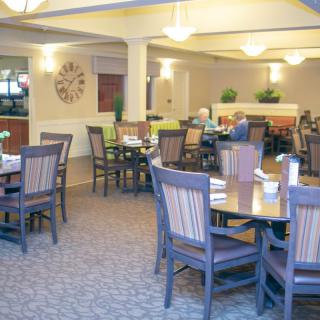
 Dining room
 Fully furnished
 Garden
 Housekeeping services
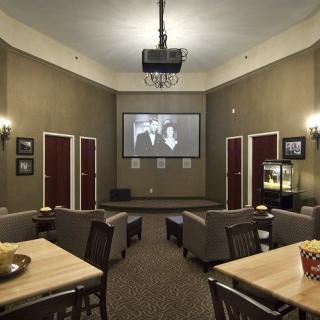
 Indoor common areas
 Move-in coordination
 Outdoor common areas
 Private
 Private bathrooms
 Telephone
 Wi-Fi/high-speed internet available
 24-hour supervision
 Ambulatory care
 Assistance with bathing
 Assistance with dressing
 Assistance with transfers
 Diabetes diet
 Diabetic care
 High acuity care
 Incontinence care
 Meal preparation and service
 Medication management
 Special dietary restrictions
 Transportation arrangement (medical)
 Transportation to doctors appointments

 Understanding Medicaid Coverage for Assisted Living: A Comprehensive Guide
 How and When Medicaid May Cover Assisted Living Costs
 A Detailed Exploration of Assisted Living Medicaid Waivers Across the United States