
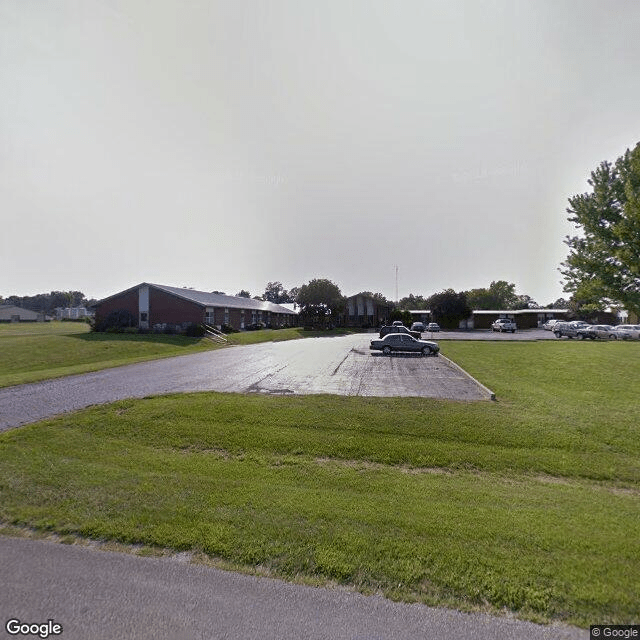
500 N Ohio St, Appleton City, MO 64724
To contact a resident: (660) 476-2128
For more information about senior living options: (866) 208-4318
Overall Review of Countryside Estates
Pros
 One good nurse finally dug to the bottom of the chart and found all the errors.
Cons
 The facility has not been updated for years.
- The bed is rusty and cannot be locked without a hammer.
- A resident's Alzheimer's medications were never given, despite frequent questions and family checks.
- Medications prescribed by the doctor and family were never ordered or administered.
- Family members observed sadness and crying, but no one corrected the medication issues.
- Errors in the resident chart were only uncovered by a diligent nurse.
- Other residents have fallen, and staff have left.
Review
Countryside Estates in Appleton City, MO is best suited for families facing very limited options who must consider a care setting despite serious caveats. The reviews paint a picture of an aging facility that has not kept pace with current safety and care standards, making it workable only for those who can supervise daily care closely and tolerate systemic gaps. In practical terms, this community should be off the short list for anyone whose loved one requires reliable medication administration, consistent staffing, or dementia-focused supervision. It is a last-resort option rather than a solid fit for steady, quality-assisted living.
That reality puts a clear red flag before families evaluating alternatives. Those with residents who have Alzheimer’s or other forms of dementia, who need strict medication schedules, or who are at high risk for falls should consider other communities immediately. Even families with more modest needs should weigh whether the risk of medication errors, delivery delays, and staff turnover is acceptable, given the available options in the area. A more dependable environment with modern amenities and stable staffing is readily attainable, and worth pursuing for peace of mind.
The main drawbacks are specific and severe: furniture and fixtures in need of updating, with bed locks described as rusty and unreliable unless a hammer is used. The most alarming failure cited is medication administration: a loved one with Alzheimer’s symptoms did not receive prescribed medications during a two-month stay, despite repeated inquiries and emotional distress from family oversight. The pattern suggested by the reviews, medication errors, missed doses, and lack of proactive follow-through, directly undermines safety and health. Add reports of residents falling and staff turnover, and the cumulative risk becomes hard to overlook.
In terms of any potential positives, the remarks are sparse and generally overshadowed by the safety concerns. There appears to be at least one nurse who dug into the chart and uncovered the medication errors, indicating that when individual staff members take initiative, gaps can be identified. That small thread of responsiveness does not compensate for systemic failures or the broader impression of neglect. In short, a few dedicated workers cannot offset the sustained risk created by outdated facilities, inconsistent care, and leadership gaps.
For families making a decision now, practical steps are essential. Tour the facility with a critical eye toward safety hardware, cleanliness, and maintenance; request a transparent medication-management protocol and evidence of medication administration accuracy; and ask specifically about staff-to-resident ratios, turnover rates, and on-site supervision coverage during peak hours. Seek references from other families and verify whether corrective actions have actually been implemented since these reviews were written. If those assurances cannot be documented reliably, alternatives with stronger safety records should be prioritized.
Bottom line: Countryside Estates should be avoided for residents who require dependable medication delivery, rigorous fall prevention, and stable, attentive staffing. It may be considered only when no better options exist and the family is prepared to continuously monitor care and intervene as issues arise. For dementia care, complex nursing needs, or any situation where safety cannot be compromised, other communities offer a safer, more reliable path. If choosing Countryside Estates, pair the move with a concrete oversight plan, explicit expectations, and regular, ongoing reassessments to gauge whether conditions have improved to an acceptable level.
 Assisted Living
 Activities on-site
 Devotional services off-site
 Indoor common areas
 Ambulatory care
 Diabetic care
 Meals provided



 Exploring the Contrasts Between Assisted Living and Skilled Nursing
 8 Key Indicators That Suggest It May Be Time to Transition from Assisted Living to Skilled Nursing Care
 Vibrant Senior Living: A Comprehensive Guide for Active Older Adults