103 East Nursery, Butler, MO 64730
For more information about senior living options: (866) 208-4318
Overall Review of Medicalodges Butler
Pros
 Miranda seemed nice and helpful when the reviewer arrived.
- The staff were absolutely amazing.
- Hospice kept the family informed with every move.
- The staff went above and beyond what they were supposed to do.
- Medicallodge of Butler provided the absolute best care the reviewer had received in three years.
- The care, professionalism, and compassion are outstanding.
Cons
 They claim the facility lied about insurance coverage and that they would not be financially responsible, pressuring them to sign papers.
- They report harassment over a $966 bill after the mother’s death, despite prior assurances.
- They describe nefarious business practices and warn others to avoid the place.
- They say the administrator is horribly rude to staff, berating aides, with residents hearing it.
- They state memory care residents are not allowed to stand up.
- They describe the facility as understaffed with poor showers and hygiene, noting gloves were not used between cleaning urine and serving food.
- They report delays in pain medication and a cigarette-smoke odor on staff.
Review
Medicalodges Butler is best suited for families seeking hands-on, compassionate daily care and strong, attentive frontline staff, especially when a loved one benefits from steady companionship, clear hospice coordination, and a nurturing bedside routine. The facility can deliver meaningful comfort and practical support in moments of frailty, falls, or transition, with caregivers who know residents by name and respond promptly to needs. It is a practical fit for residents who prioritize warmth, consistent personal attention, and a familiar, human approach to daily living over spotless polish or flawless administrative systems.
At the same time, this community deserves careful scrutiny from families who cannot tolerate questions about billing, admissions paperwork, or the reliability of administration. Alternatives should be considered by those who require near-perfect transparency in every financial interaction, a consistently respectful management style, or aggressive, proactive oversight of staffing, sanitation, and medication practices. Reservations about the admissions process, and about how financial obligations surface after discharge or death, signal a need to explore other options before committing.
The major strengths, genuine caregiver dedication and effective hospice coordination, do create meaningful value. When staff steps in with empathy and competence, residents experience a noticeable improvement in quality of life, and families gain reassurance during difficult care moments. That level of humanity can soften the impact of operational rough edges elsewhere in the facility. In short, the compassionate care framework is real and can be transformative in the right situations, providing a reliable backbone for end-of-life or short-term rehabilitation needs.
However, the negatives cannot be dismissed. Several accounts highlight under-staffing in essential areas, with consequences that ripple through daily routines, mobility assistance, and personal safety. Observations about inadequate bathing facilities, sanitation lapses, and PPE practices raise legitimate concerns about cleanliness and risk of cross-contamination. The contrast between exceptional bedside care and broader operational gaps makes the overall experience volatile: strong care on a personal level, but inconsistent execution of basic infrastructure and oversight that can undermine trust and ongoing safety.
Financial and administrative issues loom large in decision-making. One particularly troubling report describes misleading assurances about insurance coverage and subsequent, aggressive attempts to recoup thousands of dollars. Such episodes, if representative, pose real emotional and legal stress for families already navigating grief or decisional fatigue. Coupled with reports of rude management behavior toward staff and residents’ inability to stand in memory care, these factors create a pattern that undermines confidence in how the facility is run day to day. Prospective residents should demand clear, written explanations of every charge, a transparent intake process, and immediate access to both the admissions director and the financial office before signing anything.
The practical path forward is clear. Visit with multiple care teams, request a direct tour of memory care and rehab units, and ask for staff-to-resident ratios at different shifts. Bring concrete questions about billing, insurance processing, and the timeline for pain management or medication administration. Check recent licensing records, speak with current families, and observe meal service, housekeeping, and how residents are supported during transfers or mobility tasks. If a culture of open communication, consistent management, and transparent billing cannot be demonstrated, alternatives with stronger emphasis on governance and reliability should be pursued. For families prioritizing real empathy and hands-on care, Medicalodges Butler can be a good fit, but only if the structural and financial questions are confidently resolved and the operational gaps are addressed.
 110 resident community capacity
 Skilled Nursing Facility
 Air-conditioning
 Beauty salon
 Cable or satellite TV
 Computer center
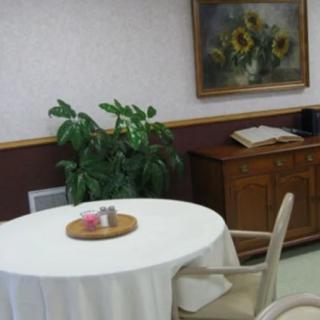
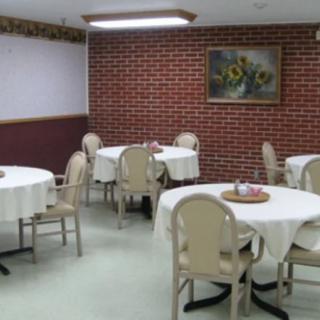
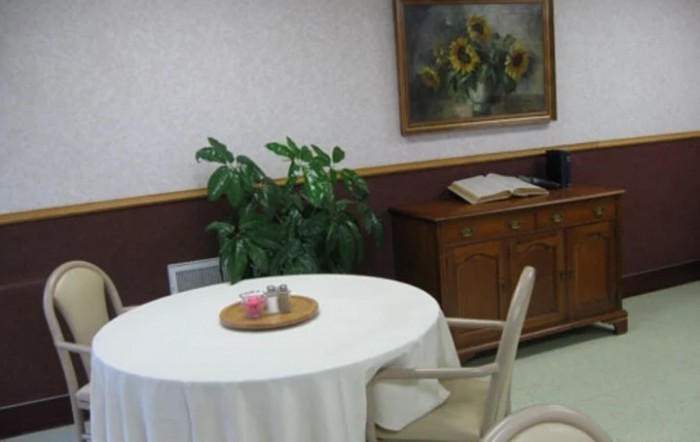
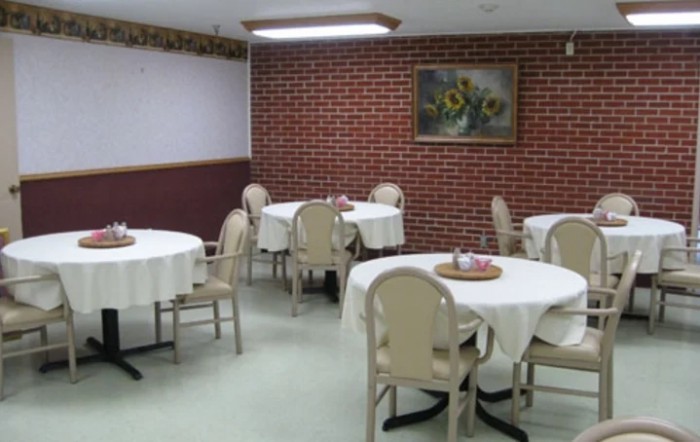
 Dining room
 Fitness room
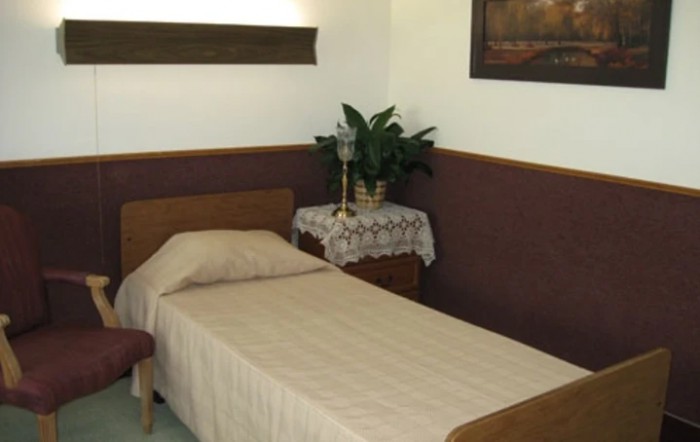
 Fully furnished
 Gaming room
 Garden
 Housekeeping services
 Kitchenette
 Move-in coordination
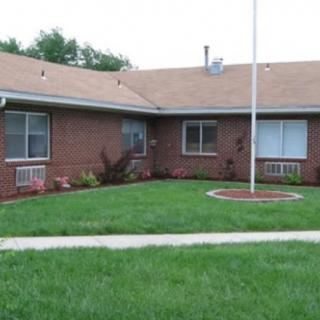
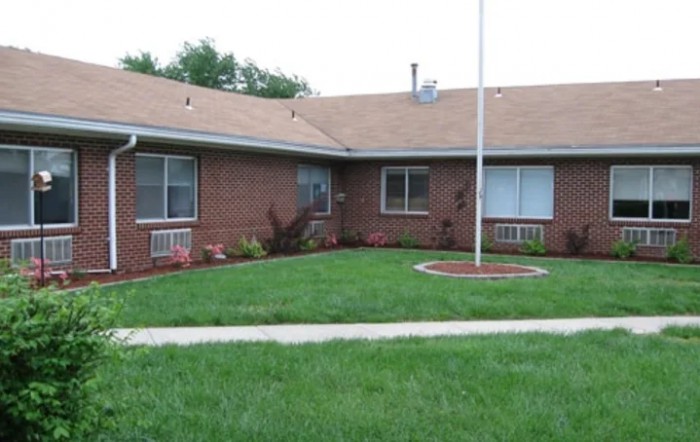
 Outdoor space
 Private bathrooms
 Restaurant-style dining
 Small library
 Telephone
 Wellness center
 Wi-Fi/high-speed internet available
 Community operated transportation
 24-hour call system
 Activities of daily living assistance
 Assistance with bathing
 Assistance with dressing
 Assistance with transfers
 Diabetes diet
 Medication management
 Special dietary restrictions
 Concierge services
 Planned day trips




 Understanding Hospice Care at Home: Comprehensive Services, Key Benefits, and Eligibility
 Understanding the Full Cost of 24/7 In-Home Care: A Detailed Overview
 Exploring the World of Home Health Nurses: Qualifications, Roles, and Hiring Tips