


421 County Road 280, Shubuta, MS 39360
To contact a resident: (601) 776-0426
For more information about senior living options: (866) 208-4318

Wisteria Manor Costs & Pricing
Wisteria Manor provides competitive pricing for its residents, particularly when compared to both Wayne County and the broader state of Mississippi. For a semi-private room, Wisteria Manor maintains a monthly rate of $2,100, which aligns with the average cost in Wayne County but notably undercuts the higher state average of $3,189. Similarly, those seeking a studio can enjoy the amenities at Wisteria Manor for $2,800 per month, slightly above Wayne County's rate of $2,658 yet still more affordable than the statewide figure of $3,151. Overall, Wisteria Manor stands out as an appealing option for individuals looking for quality care without the premium price tag often associated with similar facilities.
| Floor plans | Wisteria Manor | Wayne County | Mississippi |
|---|---|---|---|
| Semi-Private | $2,100 | $2,100 | $3,189 |
| Studio | $2,800 | $2,658 | $3,151 |
Assisted Living communities with a similar price nearby
-
from +$400 / mo

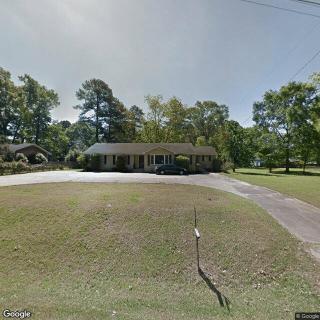
Northview Care Center
$2,500 to $2,600 / month24.8 miles away -
from -$300 / mo
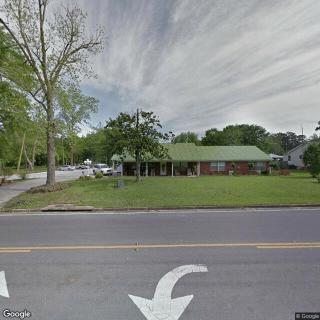
Brookwood Villa
$1,800 to $3,875 / month11.3 miles away
Overall Review of Wisteria Manor
Pros
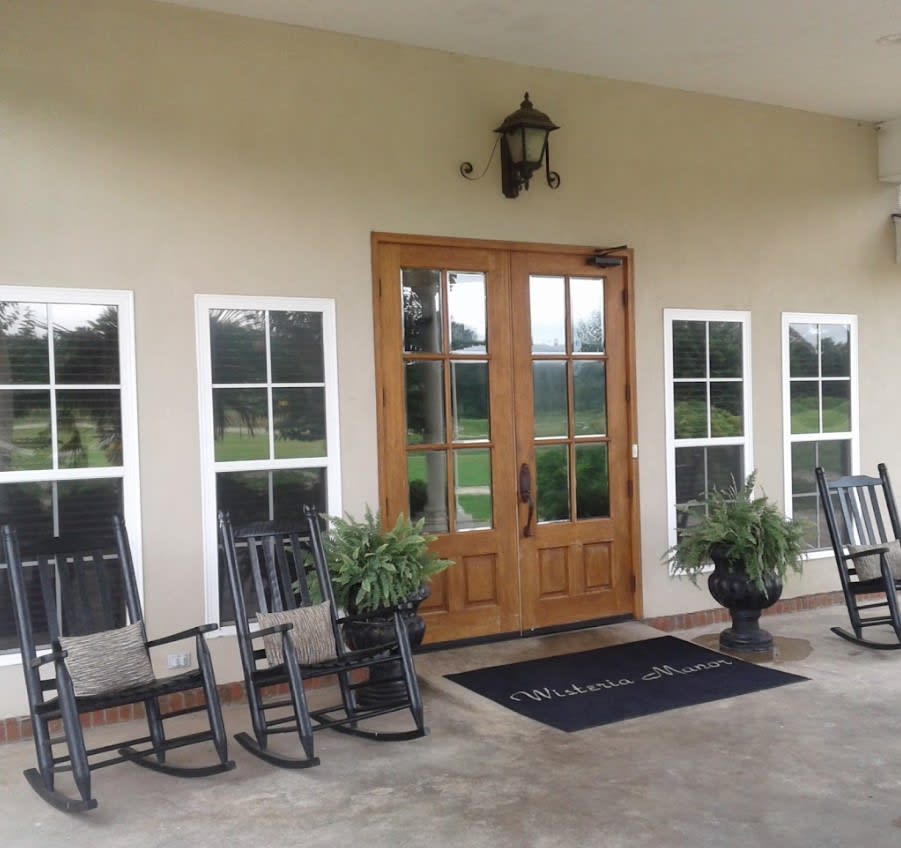
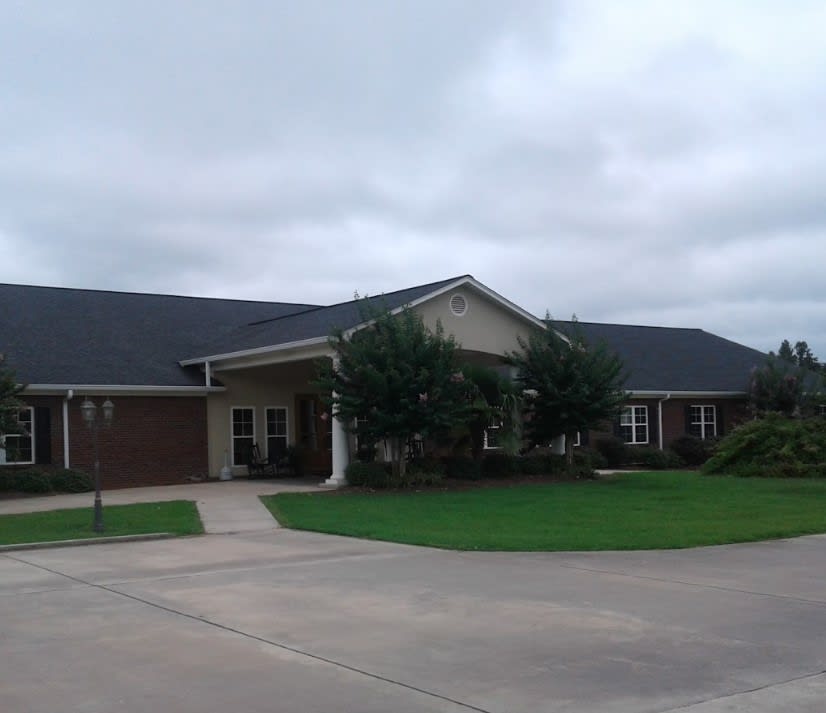
 Wisteria Manor is a beautiful facility.
- The staff are wonderful and truly care about the patients.
- They take care of the residents as if they were their own family.
- The place is highly recommended to everyone.
Review
Wisteria Manor is best suited for seniors who prize a warm, home-like atmosphere and personal attention delivered by caregivers who treat residents like family. In the quiet town setting of Shubuta, the facility presents a well-kept, aesthetically pleasing environment that minimizes the clinical feel common to care settings. Reviewers repeatedly point to beauty and a sense of welcome that supports daily routines and a feeling of belonging. For families seeking dignity, continuity, and a human-centered approach to daily care, Wisteria Manor offers a compelling option where residents are invited to settle in rather than shuffled between services.
Who may want to consider alternatives? If the decision hinges on highly specialized medical oversight, advanced memory care programming, or robust rehabilitation services, other communities with larger campuses and dedicated wings may be a stronger fit. The small-town footprint can limit access to a broad network of specialists or extended therapy options, and transportation needs might be less flexible. Families should verify the exact scope of on-site care, how levels of support transition, and whether outside providers can be integrated smoothly. For those requiring a higher level of clinical depth or a wider menu of therapeutic services, a different community could offer more predictability and convenience.
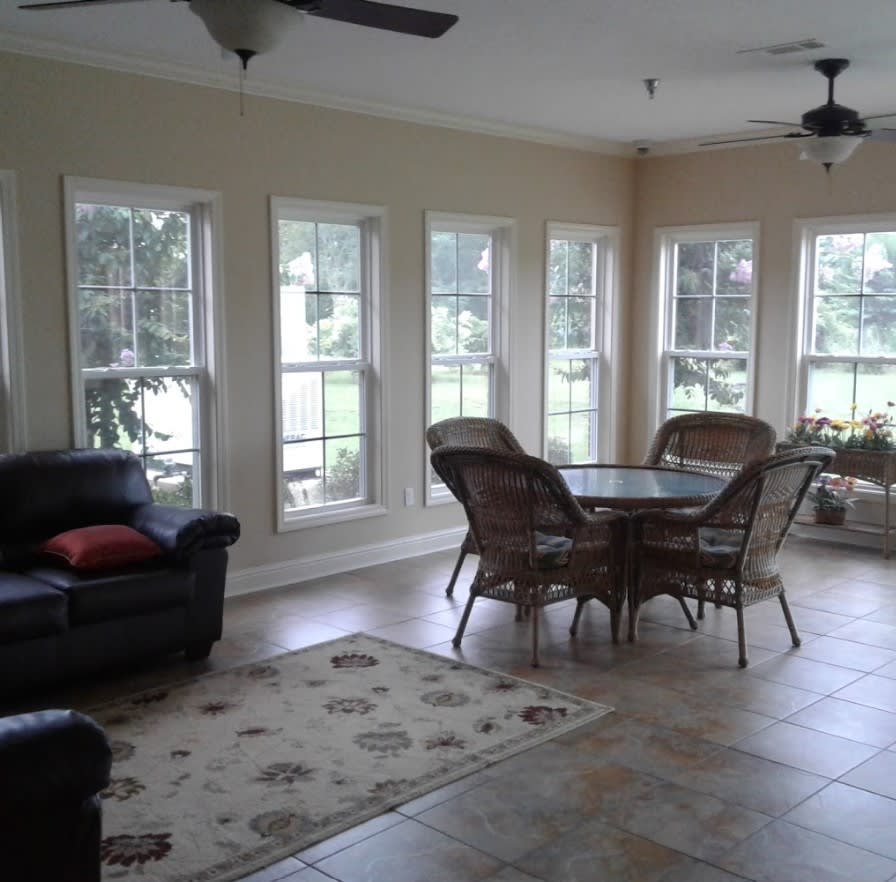
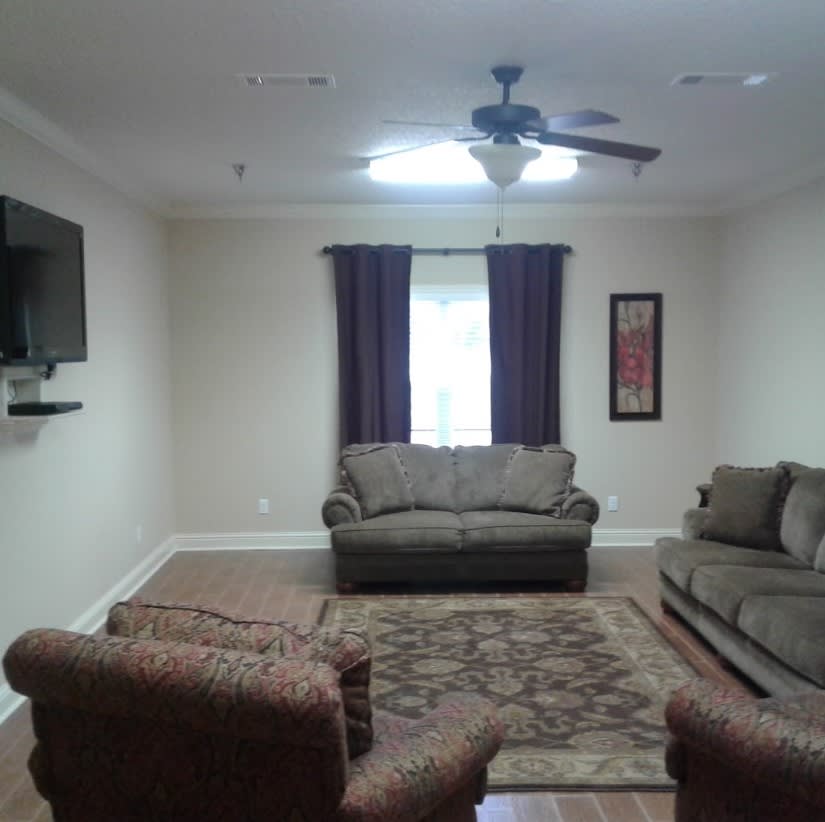
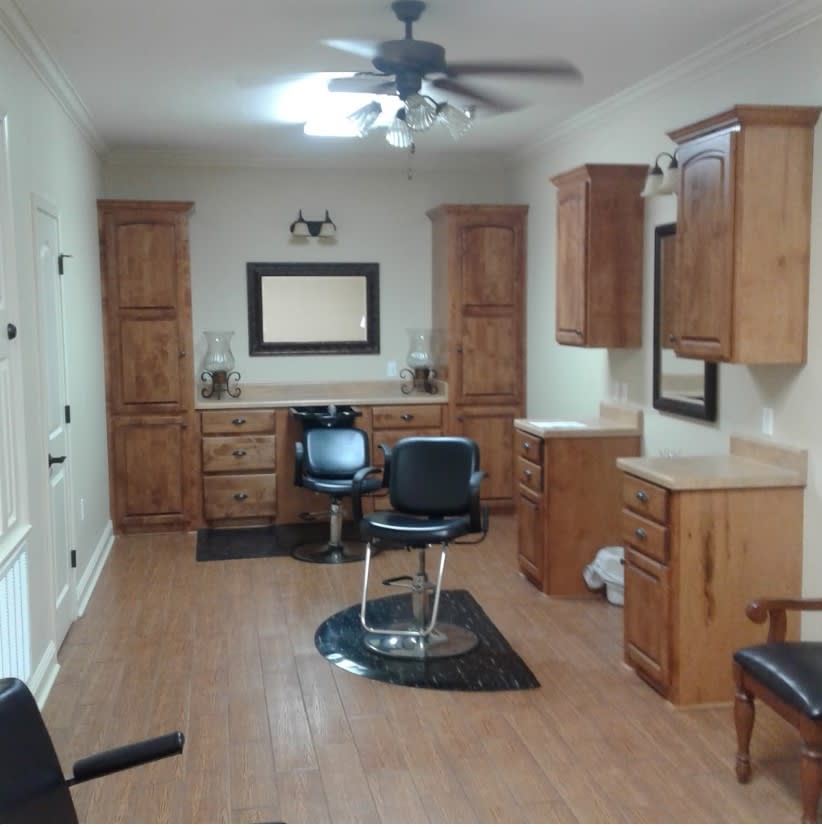
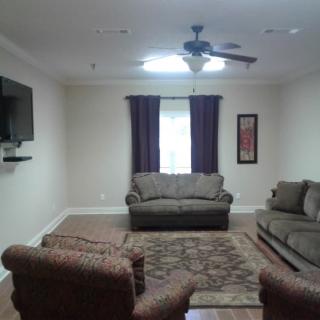
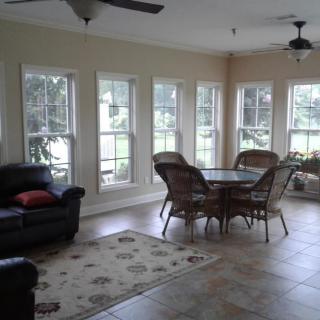
The strongest positives center on the environment and the people. The facility’s beauty, clean common areas, tasteful décor, and a well-maintained interior, creates a dignified, comfortable backdrop for daily life. Yet the true differentiator is the staff, described as wonderful and genuinely caring. Caregivers appear to work with a familial mindset, taking time for conversations, routine help, and responsive assistance. This combination yields emotional security for residents and peace of mind for families, translating into regular, dependable interactions that matter as much as clinical care in many daily moments.
These strengths offset potential gaps in ways that matter most to families. While specific programs or activity menus aren’t enumerated in the reviews, the confident portrayal of a steady, compassionate team implies consistent engagement and personalized attention. When surroundings feel calm and familiar, and staff members demonstrate steady, respectful care, questions about breadth of activities or advanced specialty services take a back seat to trust and reliability. In practice, a strong human element and an inviting setting can compensate for any unspoken trade-offs, providing continuity and comfort even when every service detail isn’t spelled out publicly.
To turn observations into a concrete choice, families should plan a purposeful visit. Observe interactions across shifts, meet frontline caregivers, and request transparent explanations of care pathways and costs. Inquire about memory care options, safety features, medication management, and how transitions between support levels are handled. A tour that reveals daily routines, social opportunities, and the way meals are coordinated will reveal how the warmth described in reviews translates into day-to-day quality of life. The aim is to confirm that the beauty and homelike feel are matched by reliable, resident-centered care.
The bottom-line recommendation centers on alignment of values and needs. For households prioritizing a dignified, warm, people-centered living experience in a refined setting, Wisteria Manor stands out as a strong contender. It shines at creating a sense of home and building trust through staff who treat residents as if they were family. Families considering alternatives should weigh whether higher medical intensity or a broader service catalog is essential; if not, this community offers a compelling, practical choice. The decisive action is a targeted tour combined with candid conversations about care levels, resident satisfaction indicators, and how the facility’s offerings align with the loved one’s long-term plan and preferences.
 Assisted Living
 Cats allowed
 Dogs allowed
 Activities on-site
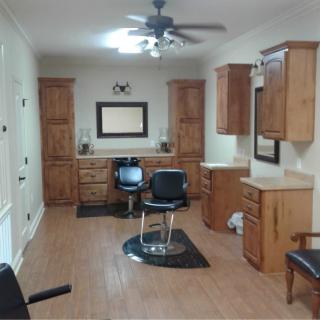
 Beautician on-site
 Devotional services on-site
 Indoor common areas
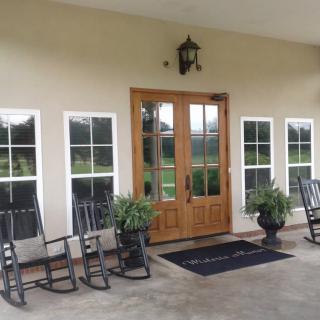
 Outdoor common areas
 Respite or short term stays offered
 Wheelchair accessible showers
 Ambulatory care
 Diabetic care
 Incontinence care
 Medication management
 Kosher




 Beyond the Bingo Hall: 50+ Enriching Activities for Seniors in Assisted Living
 Understanding the Distinctions: Assisted Living and Memory Care Explained
 Guiding Elderly Parents Who Refuse Assisted Living: 6 Practical Steps