

217 Farmer's Row, Madison, MS 39110
To contact a resident: (601) 853-9970
For more information about senior living options: (866) 208-4318
Overall Review of Senior Home Care
Pros
 The agency has been really great, and the staff member knows what she’s doing.
- The agency is great with communication.
- They would definitely recommend the service to a friend.
Cons
 They never showed up or even called me back.
- They were just not reliable.
Review
Senior Home Care in Madison, MS is best suited for families seeking skilled in-home assistance for a spouse or aging parent where clear, proactive communication and competent caregiving matter most. The agency earns traction when there is a need for a caregiver who truly knows what she’s doing and can deliver practical, hands-on help on a predictable schedule. In these cases, families report strong competence in everyday tasks and attentive collaboration with relatives, creating a sense of reliability and control over an at-home care plan. The emphasis on professional conduct and direct bi-directional communication makes this agency a compelling option for those who value transparency and practical day-to-day support over more hospital-based or facility-based solutions.
However, potential clients should explicitly consider whether absolute reliability is non-negotiable. The most troubling feedback points to missed visits and unreturned calls, which can upend medication routines, safety checks, or timely assistance during emergencies. Families with high-stakes supervision needs, such as memory-care tasks, post-discharge monitoring, or schedules that cannot tolerate gaps, may want to explore other providers with stronger track records for consistent coverage, guaranteed back-up staff, or more robust escalation processes. Those who require around-the-clock care or steady, predictable weekday staffing might find the inconsistency too disruptive to rely on for long-term peace of mind.
The positive experiences highlight a few core strengths. When the caregiver is present, she brings competence and calm, handling practical tasks with efficiency and showing familiarity with typical senior care routines. Communication stands out as a clear strength; families describe the agency as responsive and easy to reach, which reduces the anxiety of coordinating care from a distance. This combination, skillful in-home support paired with transparent communication, creates a workable framework for families managing daily caregiving tasks without moving a loved one to a facility. For those who want to feel informed and involved, these attributes translate into meaningful trust and smoother day-to-day operations.
Yet the downside is grave enough to overshadow those strengths in many scenarios. The most cited fault, unreliability in scheduling, with visits not showing up and calls not returned, levels a serious risk, particularly for seniors who rely on consistent assistance. Even with capable staff, repeated gaps ruin routines, undermine medication adherence, and erode confidence in the care plan. The agency’s ability to remedy these lapses quickly becomes the critical test for any prospective client. Without assurance of dependable coverage or a clear back-up plan, the overall value decline markedly, turning what should be a stable home-care option into a source of ongoing stress.
When the positives are reliably in play, the offset against the cons can be meaningful. A competent caregiver plus open communication can deliver solid day-to-day support, freeing family members to plan around a structured schedule and avoid the upheaval of facility living. The key is to demand concrete guarantees: a guaranteed back-up caregiver if the primary is unavailable, a documented contact protocol when a visit is delayed, and a prompt response policy for missed calls. If these protections are part of the service agreement, the agency becomes a viable option for families who want in-home care without surrendering control. Absent those guarantees, alternatives with stronger scheduling guarantees should be pursued.
Bottom line: Senior Home Care is a practical choice for families that prize skilled, communicative in-home support and can implement contingency plans for scheduling gaps. It is less suitable for households where any missed visit cannot be tolerated or where consistent, guaranteed staffing is non-negotiable. Prospective clients should enter with a clear plan for backup coverage, a written guarantee of reliable visits, and a straightforward escalation path when issues arise. In Madison, MS, several other providers stress reliability and structured backup options; those may be worth evaluating alongside this agency. A deliberate, short trial period with explicit expectations will reveal whether the strengths in care and communication offset the reliability risk in the long run.
 Jackson International (14 miles away)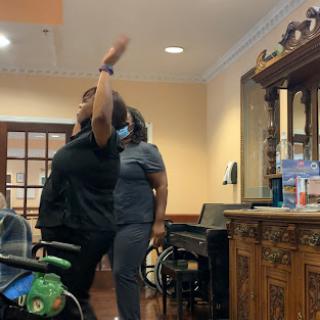








 California's Form 602A: An In-Depth Examination of Senior Care Assessment
 Comprehensive Look at Senior Blood Pressure Charts: Normal and Elevated Levels by Age
 Top Canine Companions for Older Adults