

2503 Glendale Avenue, Hattiesburg, MS 39401
To contact a resident: (601) 582-5805
For more information about senior living options: (866) 208-4318
Overall Review of Parkway Adult Daycare
Pros
 The internist is good.
- The new facility makes the experience much faster.
Cons
 The reviewer criticizes the $800-a-month specialist fee.
- They express frustration with the high cost of specialists.
- They view the presence of expensive specialists as a negative factor.
Review
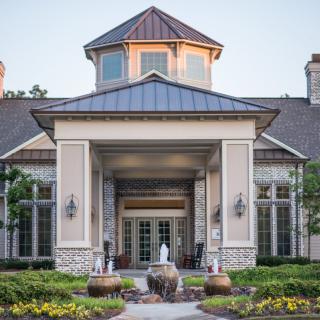
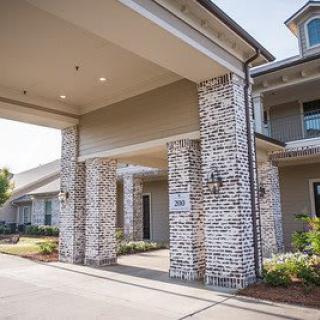
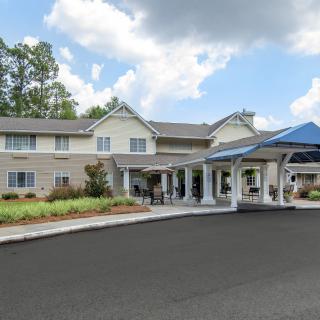
Parkway Adult Daycare in Hattiesburg is best suited for families seeking a practical, daytime supervision option for active seniors who want straightforward medical oversight and a modern, comfortable setting without paying for full-time care. The facility presents itself as a calm, efficient environment where a practicing internist is accessible, and where the experience is bolstered by a recently updated building. For households prioritizing value and quicker service over a broad slate of high-intensity therapies, Parkway can feel like a sensible fit. The emphasis on an internist rather than a revolving door of specialists hints at a stable, continuous check-in on health concerns during the day, which matters to caregivers balancing time and cost.
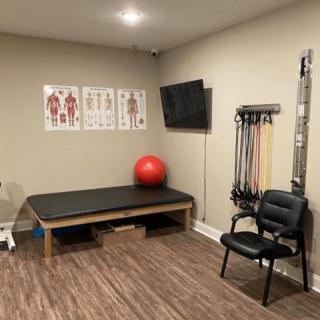
But there are clear reasons to consider alternatives. Parkway’s footprint is limited to a day program, which means it is not a substitute for 24/7 supervision, memory care, or comprehensive rehabilitation. Families whose loved one requires round-the-clock monitoring, intensive medical nursing, or specialized therapies may find the offering insufficient. The published rating mix, two five-star experiences alongside a single one-star rating, also signals variability in the resident experience. With only a small pool of reviews, there is less certainty about consistency of staff, activities, and day-to-day reliability. Prospective clients should weigh the desire for a modern, cost-conscious daytime setting against the risk of uneven outcomes across different days and staff.
On the upside, the most tangible benefits center on efficiency and accessibility. The new facility translates into a smoother check-in process, faster service for routine medical questions, and a generally less cluttered environment than older venues. The emphasis on an internist as a core medical touchpoint can reduce the hassle of coordinating with multiple specialists and potentially lower ongoing costs associated with specialty care. For families managing multiple appointments and logistics, having a single, readily available medical point of contact during the day is a meaningful enhancement. The social and routine structure of adult day care, meals, activities, and supervised engagement, also contributes to quality of life and can ease caregiver burnout by delivering predictable daytime support.
Nevertheless, the main cons are not hard to anticipate. The limited number of reviews creates unavoidable uncertainty about long-term consistency and the breadth of services offered. A single negative rating, without detailed context, invites questions about variability in staff attentiveness, activity programming, or responsiveness on difficult days. The reality of a newer facility also means a period of adjustment as operations settle into consistent workflows and staff familiarity. For families evaluating Parkway, the concern is whether the day program’s scope will meet evolving needs, beyond socialization and routine checks, to include more robust therapeutic activities, transportation options, or specialized care pathways if medical needs intensify.
Those pros can offset the cons when viewed through a practical lens. Modern facilities tend to deliver a more predictable daytime experience, with cleaner spaces, clearer safety protocols, and easier access to administrative support. The internal medicine access is a meaningful value proposition for caregivers who want reliable health oversight without navigating multiple specialists. When care plans stay within the day-program framework, Parkway can offer a cost-efficient alternative to full-time care, preserving independence for as long as possible while providing essential medical touchpoints. To mitigate the risk of variability, families should ask pointed questions: what is a typical day like, who leads activities, what happens when a health issue arises, and how is continuity of care ensured across days?
The decisive takeaway is pragmatic. Parkway Adult Daycare is a solid choice for families seeking a daytime solution that pairs a modern setting with practical medical oversight and cost-conscious care. It is not a fit for those requiring overnight supervision, intensive rehabilitation, or highly specialized therapies. Before committing, prospective clients should tour the facility, meet the staff, review a sample daily schedule, and request typical response timelines for medical concerns. Where the fit is right, the combination of a newer facility and accessible internist can translate into real relief for caregivers and meaningful daily engagement for seniors. Where needs are beyond a day-only model, alternatives that offer broader clinical capabilities and longer-term resident support will likely serve better.
 Day Program
 Hattiesburg-Laurel Regional (15 miles away)




 Comprehensive Look at Senior Blood Pressure Charts: Normal and Elevated Levels by Age
 Top Canine Companions for Older Adults
 Comprehensive Guide to Blood Pressure Charts for Older Adults: Understanding Normal and High Readings by Age