

1507 Hardy St, Ste 207, Hattiesburg, MS 39401
To contact a resident: (601) 602-4793
For more information about senior living options: (866) 208-4318
Overall Review of I Kare Healthcare Services - Hattiesburg, MS
Pros
 They would highly recommend Mississippi Home Care, praising the exceptional care provided by nurses and physical therapists after a total knee replacement.
- The staff always notified them in advance of visit times and were easily accessible to answer questions.
- They were never left wondering what was going on or feeling ignored, as the care was thorough and attentive.
- Mississippi Home Care is highly professional, thorough in their care, and genuinely cares about their patients.
- They helped their partner progress from bed and back surgery to wheelchair, walker, cane, and walking, with therapists described as the best on earth.
- After 35 days in the hospital, they received needed help and are very thankful for these folks.
- Adrianna Clayton impressed a resident by moving him from nervous to overjoyed; she was nice, thorough, and treated residents with genuine care.
Review
This community is best suited for seniors who want professional post-acute care delivered at home, combining skilled nursing with a full slate of rehabilitation therapies. The reviews portray Mississippi Home Care as a top-tier home-health partner in the Hattiesburg area, capable of guiding recovery after surgery or hospitalization while keeping patients comfortably in their own surroundings. It is an ideal fit for those who value medical oversight, a coordinated care plan, and the reassurance that therapy, physical, occupational, and speech, travels with the nursing team. Families seeking a therapy-forward, professionally managed at-home program will find this model particularly compelling, especially for patients motivated to regain function without the upheaval of moving to a facility.
The most compelling advantages center on clinical excellence and reliability. Nurses and therapists are described as exceptional, with advance notice for visits and staff who are readily accessible to answer questions. The care teams are praised for their thoroughness and for not leaving patients wondering what comes next, which reduces anxiety for both patients and families. This is not intermittent care; it is organized, proactive, and patient-centered service delivery that translates into steady progress and confidence during recovery. In short, the staff’s consistency and responsiveness help families trust the path to healing enough to commit to home-based rehabilitation.
Another strong point is the integrated, single-source model. The provider bundles skilled nursing with a spectrum of therapies under one umbrella, plus straightforward billing. That consolidation eliminates the chaos of juggling multiple vendors and invoices, a practical advantage when navigating recovery finances and scheduling. The personnel are described as genuinely caring and dedicated to patient needs, with therapists widely regarded as among the best. The care culture is reinforced by recognitions of individual caregivers for kindness and thoroughness, signaling a workforce that treats rehabilitation as a holistic, person-centered mission rather than a sequence of tasks.
Yet, the reviews imply a practical threshold for fit. The home-based model thrives when medical and rehabilitative needs are significant but do not require constant, around-the-clock supervision. For loved ones needing nonstop monitoring, intensive memory or dementia-specific supervision, or abundant social interaction opportunities with peers, alternatives such as assisted living or facility-based rehab may deliver more consistent oversight and community engagement. The success of this approach depends on reliable staffing and uninterrupted communication; any gaps could erode the advantages highlighted. While explicit downsides are not called out, the implicit constraint is clear: at-home care aligns best with certain recovery trajectories, not with every care scenario.
Despite that caveat, the positives strongly outweigh potential drawbacks for most post-acute or ongoing medical needs managed at home. The combination of professional, accessible staff and advance scheduling minimizes confusion and helps families stay aligned with care goals. The all-in-one service model further reduces friction, enabling smoother care coordination and a clearer path to recovery. The evident commitment to patient well-being, paired with staff who demonstrate empathy and thoroughness, converts what can be a stressful recovery into a manageable, collaborative process. This is care that feels accountable, not transactional.
Decision guidance is clear. For families prioritizing high-quality nursing and therapy delivered in the home, with predictable communication and integrated services, this option stands out as a practical, effective choice. It is particularly well-suited for post-operative rehabilitation, chronic-condition management, and any scenario where skilled at-home care supports independence and comfort. However, if the decision hinges on non-medical living priorities, extensive social programming, 24/7 supervision, or dementia-specific environments, alternatives such as assisted living communities or memory care facilities deserve serious consideration. When the objective is expert at-home care with clear accountability and a streamlined billing path, this provider offers a compelling, dependable path to recovery and ongoing function.
 Hattiesburg-Laurel Regional (15 miles away)




 A Detailed Examination of Nursing Home Costs Across the U.S.
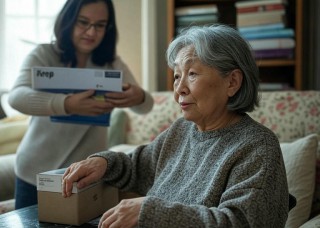 Exploring Nonmedical Home Care: Understanding Services, Costs, and Financial Approaches
 Engaging Brain Games and Innovative Apps to Keep Senior Minds Active