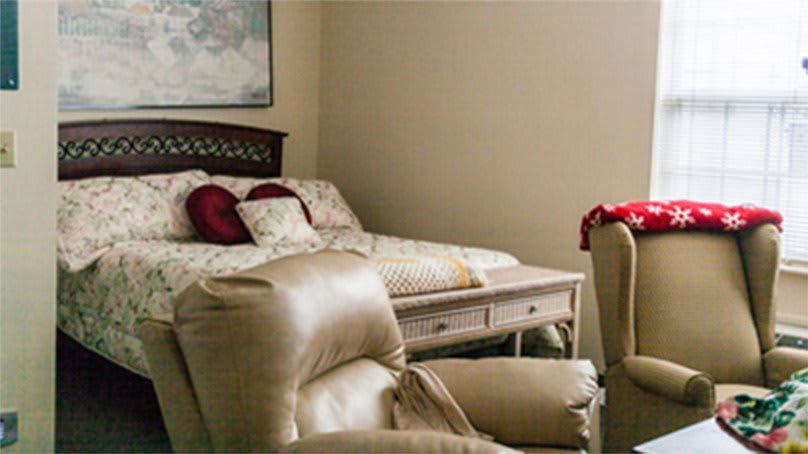
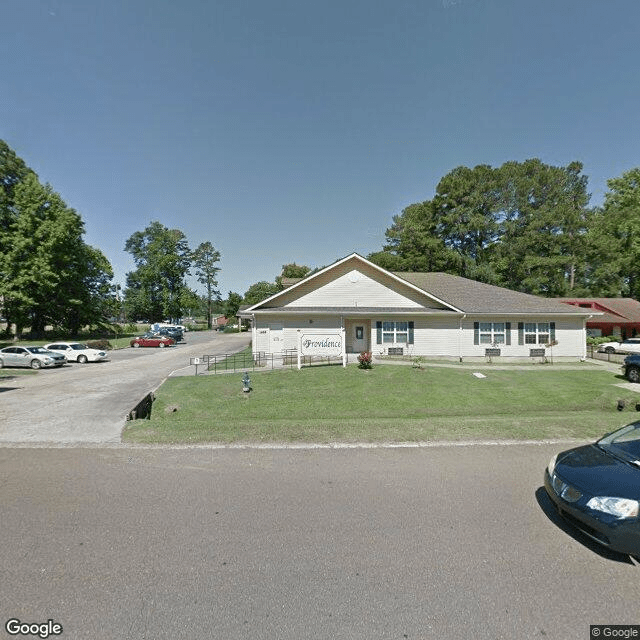
1855 Hill Dr, Grenada, MS 38901
To contact a resident: (662) 226-8556
For more information about senior living options: (866) 208-4318
Providence Assisted Living of Grenada Costs & Pricing
Providence Assisted Living of Grenada offers competitive pricing for its studio accommodations, with a monthly cost of $2,968. This rate is notably lower than the average for Tallahatchie County, which stands at $3,869, and also below the state average of $3,151 for similar facilities across Mississippi. By providing an affordable option within a comfortable living environment, Providence Assisted Living not only serves the needs of residents but also positions itself as an attractive choice for families seeking quality care without compromising on value.
| Floor plans | Providence Assisted Living of Grenada | Tallahatchie County | Mississippi |
|---|---|---|---|
| Studio | $2,968 | $3,869 | $3,151 |
Overall Review of Providence Assisted Living of Grenada
Pros
 The rest of the staff was great.
- Everything was clean.
- They are really good to the residents.
- They have activities like bingo and crafts for residents to enjoy.
- The staff really care for the residents.
- The residents are treated like family by the staff.
Cons
 The review asserts that the facility does not provide three home-cooked meals every day.
- It notes that residents sometimes receive a sandwich without condiments, or soup with no sandwich and no drink, or toast for breakfast and that’s all.
- The review calls the place a joke and says everything described is a lie.
- It describes the facility as dirty and states that the majority of the medical staff are rude and lazy.
- The review mentions a head nurse who refused to pick up a prescription, forcing the reviewer to retrieve it themselves.
- It notes a lack of activities due to the director leaving and no one filling her shoes.
Review
Providence Assisted Living of Grenada is best suited for families seeking a small, home-like environment in Grenada where caregivers demonstrate genuine engagement with residents and where staff turnover and leadership changes are navigated with a personal touch. This community tends to appeal to families who value attentive, interpersonal care and a sense of belonging within a close-knit setting. The right fit is a resident who benefits from observable warmth from caregivers, appreciates a community that can rally around daily needs, and is willing to advocate for consistency in meals and programming when leadership shifts occur.
Those who should consider alternatives are families that require rock-solid guarantees around daily meal quality and a fully structured activity calendar regardless of management changes. The most notable caveat here is meal reliability and routine predictability. Reports of inconsistent meal service, ranging from incomplete meals to days with limited offerings, underscore a risk that dietary expectations may not always be met. Additionally, for residents who depend on tightly coordinated medical oversight, a few reviews point to moments of friction between nursing staff and physicians, and to periods when programming fades during leadership transitions. If 24/7 specialized nursing oversight or a fixed, highly predictable routine is essential, it is prudent to explore other options.
The strongest positives center on care quality and the lived experience within the community. Several reviewers commend staff for being genuinely caring toward residents, noting that the caregivers are dedicated and attentive. Cleanliness is highlighted as a strength in multiple accounts, with residents and families often describing the environment as well-kept. The facility has shown care for social connection through activities like bingo and crafts, and with the recent appointment of a new activity director, there is a credible path toward stabilizing and enriching the resident experience. The emphasis on creating a familial, home-like atmosphere remains a compelling advantage for families prioritizing personalized attention and a sense of belonging.
Yet the negatives cannot be dismissed, and they bear directly on day-to-day decisions. Meal quality and consistency form a recurring concern, with some days falling short of expectations and occasional gaps in offerings that undermine the promise of “three home-cooked meals.” Reports of rude or inattentive behavior from some medical staff, while not universal, create hesitation for families that require uniformly supportive clinical oversight. The turnover of an activity director and the resultant lull in programming during transitions also matter, particularly for residents who thrive on structured engagement and meaningful daily routines. Taken together, these factors tilt the decision toward caution for families who cannot tolerate variability in nutrition, programming, or clinical responsiveness.
Overall, the pros, caring staff, a clean environment, and a clear mission to feel like a family home, do offset, but not erase, the main cons. The presence of warm, engaged caregivers and a supportive, homey atmosphere can compensate for occasional meal gaps and scheduling hiccups, provided a family is prepared to actively monitor and participate in care planning. A new activity director signals a commitment to improving programming, and several accounts highlight staff willingness to address issues and advocate for residents. This makes Providence a reasonable fit for families who value relational quality and are ready to engage with the administration to press for reliable meals and consistent activity calendars.
Practical next steps for families considering Providence include arranging a detailed meal observation for a full day, requesting current menu cycles, and meeting the new activity director to confirm a stable programming calendar going forward. Ask to review the current care plan and med-management processes, and seek direct feedback from current families about responsiveness to concerns. If memory-care or intensive nursing support is required, verify current staffing ratios and round-the-clock coverage options. In the Grenada market, Providence stands out as a compassionate, home-forward option, but its suitability hinges on one key question: can the family live with occasional meal and activity variability while actively partnering with staff to sustain consistent, attentive care? If the answer is yes, Providence offers a compelling blend of heart and home. If not, exploring alternatives with more predictable routines and steadier dietary and clinical oversight is warranted.
 Studio apartments
 Assisted Living
 Activities off-site
 Beautician on-site
 Cable or satellite TV
 Devotional services off-site
 Dining room
 Housekeeping services
 Indoor common areas
 Kitchenette
 Laundry
 Outdoor common areas
 Party space
 Security gate
 Wheelchair accessible showers
 Ambulatory care
 Assistance with bathing
 Assistance with dressing
 Diabetic care
 Meal preparation and service
 Medication management
 Educational speakers / life long learning
 Fitness programs
 Games
Games Live musical performances
 Reminiscence programs
 Stories
 English




 Exploring the Contrasts Between Assisted Living and Skilled Nursing
 8 Key Indicators That Suggest It May Be Time to Transition from Assisted Living to Skilled Nursing Care
 Vibrant Senior Living: A Comprehensive Guide for Active Older Adults