State Veterans Home

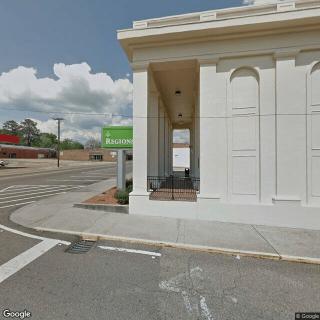
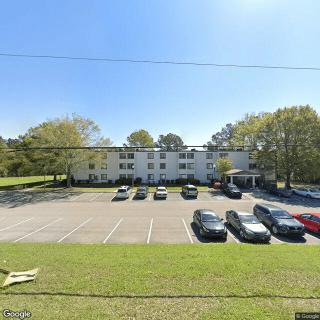
3261 Highway 49, Collins, MS 39428

For more information about senior living options: (844) 490-3973

3.3 from 20 reviews
5 stars
10
4 stars
0
3 stars
3
2 stars
0
1 stars
7

Assisted Living

What level of care are you interested in?

Assisted Living

Memory Care

Independent Living

Skilled Nursing Facility

Continuing Care Retirement Community (CCRC)CCRC

Other


Request a tour at State Veterans Home

    Overall Review of State Veterans Home

    Pros

    • pro The facility has a great atmosphere and takes care of all their needs.
    • pro Everyone is very nice and the place is always clean; Cory is awesome.
    • pro They take great care of their patients and keep families informed about medicine changes, falls, and appointments.
    • pro The staff is attentive and caring, the facility is well-maintained and clean, and the activities are engaging.
    • pro The resident has been there for over seven years and is very safe and happy with the great staff and care.
    • pro Visitors found the veterans home welcoming, with nurses and staff treated veterans like angels.
    • pro The facility is very clean and comfortable, and loved ones are well taken care of with fellowship.
    • pro The resident is thriving there, with fellowship, therapies, and a team invested in their well-being.

    Cons

    • pro The staff did not care about the patient and allegedly spoke with an attitude, even saying the patient "wasn't giving us any trouble today."
    • pro The reviewer believes the patient was steered onto hospice to avoid dealing with him, implying the staff wanted him to pass away.
    • pro After the patient's death, no staff member contacted the family to offer condolences or help with his belongings.
    • pro The facility is described as horrible for letting a man nearly die from a horrific bed ulcer.
    • pro One reviewer says the place seems sketchy because they won't answer the phone.
    • pro It took 12 weeks to determine the facility could not meet the patient's needs, signaling neglect or poor care.
    • pro There is a claim that financial policies could lead to losing prosthetic legs if copays cannot be afforded.

    Review

    Across these reviews, a turbulent and highly personal portrait of a care facility emerges. Some relatives describe experiences marked by warmth, cleanliness, and attentive staff, while others recount deeply troubling encounters that left families feeling neglected, misinformed, or powerless. Taken together, the collection paints a complex picture: places of comfort and support for some, and sources of fear and frustration for others. The contrasts are striking and reflect how different moments, staff, and departments within the same institution can produce wildly different impressions.

    A number of readers express profound concerns about hospice and end-of-life care. One reviewer describes feeling pressured into hospice enrollment, with the implication that it was used as a way to avoid ongoing caregiving responsibilities. The frustration deepens around perceived indifference at the moment of a loved one's death: a staff member reportedly announced that a father had "expired" in a manner some felt was inappropriate, with subsequent silence after the passing - no outreach about belongings, no condolences, and no coordination of next steps. The emotional weight of these memories is palpable, underscoring fears that the facility's culture may prioritize expediency or administrative efficiency over compassionate communication and bereavement support.

    There are also scenes of alarming medical neglect. One review recounts a distressing incident where a patient with significant health needs was left in a dangerously precarious state, prompting the reviewer to intervene and call for an ambulance. The parenthetical callouts - such as a diabetic patient slipping toward a coma and a general sense that staff did not recognize urgent changes in condition - fuel a anxiety about timely, competent care. A separate remark mentions a prolonged period before it became clear that the facility could not meet a husband's medical needs, suggesting misalignment between patient requirements and the available level of care. Together, these anecdotes emphasize the importance of vigilant, proactive monitoring, rapid escalation when deterioration occurs, and clear, ongoing communication with families.

    Yet the same set of voices does not dismiss the facility entirely. Other reviewers offer a much more favorable view, highlighting a clean, well-maintained environment and staff who are kind, attentive, and communicative. Some families say their loved ones are thriving, supported by a team that includes therapists and caregivers who engage in meaningful activities and therapies that a prior home could not provide. Names like Cory surface as standout examples of compassionate care, with praise for staff who update families about medication changes, falls, and doctor visits. One reviewer even describes a veteran's home as a place where the patient feels safe and well cared for, with relatives expressing gratitude for the level of attention their loved ones receive. These testimonies underscore that when care teams are consistent and responsive, patients and families can form a strong sense of trust and satisfaction.

    The picture becomes more nuanced when examining consistency over time and across units. Some reviewers acknowledge excellent care in certain moments or for specific individuals, while others recount persistent communication challenges - phone rings that go unanswered or administrative gaps that leave families feeling out of the loop. This juxtaposition - "great care" in one paragraph and "they won't answer the phone" in another - highlights how experiences can vary widely within the same facility, potentially depending on staffing levels, shifts, or the particular department involved. It also serves as a reminder that even the most well-intentioned teams can falter in the face of heavy workloads or confusing protocols, with families bearing the brunt of the fallout.

    A final thread runs through the reviews about patients at the Veterans Home in Collins, where visitors describe a welcoming atmosphere and staff who were described as angels by the patient and family. The same thread, however, includes cautionary notes about the broader experience of care - concerns about how information is communicated, the availability of assistance when needed, and the overall management of sensitive situations. A separate line about prosthetics and copayments adds to the sense that financial and administrative aspects of care can significantly color families' perceptions of the facility, sometimes in ways that feel unfair or opaque.

    In sum, these accounts illustrate a facility that can feel like two very different places depending on who you are, when you visit, and which staff members are on duty. For some families, the experience is characterized by safety, cleanliness, warmth, and reliable communication; for others, it is defined by fear, silence, and a sense that urgent needs were not adequately addressed. The unifying takeaway is clear: choosing a place for loved ones requires meticulous due diligence, direct conversations with care teams, and ongoing engagement from families. Vigilance, questions about hospice policies, prompt escalation when concerns arise, and insistence on clear lines of communication can make a critical difference in how comfortable or distressed families feel about the care their loved ones receive.

    Features

    Types of Care

    • Assisted Living Assisted LivingAssisted living facilities provide crucial support and care for seniors who may need help with daily tasks such as medication management, bathing, and meal preparation. These communities offer a safe and comfortable environment where seniors can maintain their independence while receiving the assistance they need to thrive in their golden years.

    Amenities

    • Activities on-site Activities on-siteActivities on-site are important for seniors because they provide opportunities for socialization, mental stimulation, physical activity, and overall well-being. Engaging in activities can help seniors stay active, maintain their independence, and improve their quality of life.
    • Devotional services off-site Devotional services off-siteDevotional services off-site are important for seniors as they provide spiritual nourishment, social engagement, and a sense of community outside of the senior living facility. This can enhance overall well-being and help combat feelings of isolation and loneliness often experienced by older adults.
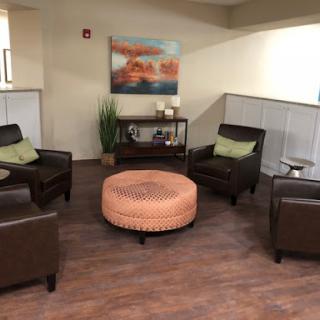
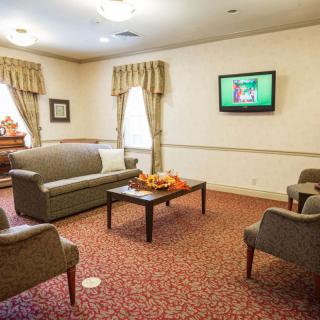
    • Indoor common areas Indoor common areasIndoor common areas are crucial for seniors as they provide a space for socialization, recreation, and community engagement, promoting overall well-being and reducing feelings of isolation and loneliness.

    Transportation

    • Hattiesburg-Laurel Regional (17 miles away) Hattiesburg-Laurel Regional (17 miles away)

    Care Services

    • Ambulatory care Ambulatory care"Ambulatory care services provide essential medical support and treatment to seniors without requiring hospitalization, allowing them to maintain their independence and quality of life while managing chronic conditions or receiving routine medical care."
    • Diabetic care Diabetic careDiabetic care is crucial for seniors as they are more susceptible to developing diabetes due to aging and other health conditions. Proper management of diabetes can help prevent complications such as heart disease, vision loss, and nerve damage, improving the overall quality of life for seniors in senior living communities.

    Dining

    • Meals provided Meals provided"Meals provided" are crucial for seniors in assisted living communities as it ensures they have access to nutritious, balanced meals without the stress of meal planning and preparation. This can help promote overall health and well-being for seniors who may have limited mobility or cognitive abilities.

    Activities

    • Activities on-site Activities on-siteActivities on-site are important for seniors because they provide opportunities for socialization, mental stimulation, physical activity, and overall well-being. Engaging in activities can help seniors stay active, maintain their independence, and improve their quality of life.
    • Devotional activities offsite Devotional activities offsiteDevotional activities offsite are important for seniors because they provide social engagement, spiritual growth, and a sense of community outside of their living environment. This can improve overall well-being, mental health, and combat feelings of isolation or loneliness.

    Description

    The State Veterans Home in Collins, MS is a premier assisted living community that provides a range of amenities and care services to meet the needs of its residents. Our community offers devotional services off-site, allowing our residents to nourish their spiritual well-being. The indoor common areas provide comfortable spaces for socializing and relaxation.

    We are proud to offer specialized diabetic care to those who require it, ensuring that our residents receive the support they need to manage their health effectively. Additionally, we organize devotional activities offsite to encourage meaningful connections and spiritual growth among our residents.

    Our location in Collins is ideal, with numerous amenities nearby for the convenience of our residents. There are several cafes located close by for those looking to grab a quick bite or enjoy a leisurely meal. With five pharmacies in the vicinity, accessing medications and healthcare supplies is always convenient. We have three physicians nearby who can provide medical assistance when needed.

    For dining options, our residents have access to ten restaurants within a short distance from our community, offering a variety of cuisines to suit every taste. Those seeking spiritual connection will find solace in the five places of worship located nearby.

    Furthermore, having a hospital in close proximity ensures that any medical emergencies can be promptly addressed with ease and efficiency.

    At the State Veterans Home in Collins, MS, we prioritize the overall well-being and comfort of our residents. With an array of amenities and services at hand, we strive to create a warm and nurturing environment where seniors can thrive while enjoying the benefits of a vibrant community setting.

    Nearby Places of Interest

    Restaurants

    • Pizza Hut (0.1 miles)
    • Sonic Drive-In (0.2 miles)
    • Burger King (0.4 miles)
    • Ward's Restaurant (0.7 miles)
    • Ward's (0.8 miles)
    • Honestly Beef (1 miles)
    • Habanero Mexican Grill (1.2 miles)

    Pharmacies

    • Caleb's Hometown Pharmacy (0.5 miles)
    • Fred's Pharmacy (0.7 miles)
    • Clayton Drug Store (1 miles)
    • C & C Drugs (1 miles)
    • Clayton Pharmacy & Gifts (1.6 miles)
    • New Pointe Pharmacy (14.6 miles)
    • Fred's Pharmacy (15.4 miles)

    Hospitals

    • Covington County Hospital (0.5 miles)
    • Cura@Jefferson Davis C (18.6 miles)
    • Prentiss Regional Hospital (18.6 miles)
    • Magee General Hospital (19.3 miles)
    • Central Dialysis Center of Magee (19.4 miles)

    Physicians

    • Southern Family Medicine (0.5 miles)
    • Family Medical Associates (0.5 miles)
    • Collins Family Practice Clinic (0.6 miles)
    • Family Clinic Of Seminary (5.9 miles)
    • Bassfield Regional Medical Clinic (14.6 miles)
    • Family Health Center (15.8 miles)
    • Family Medicine of Prentiss (18.5 miles)

    Places of Worship

    • Southern Baptist Convention (0.8 miles)
    • Ivey Brian Rev (0.9 miles)
    • Macedonia Baptist Church (0.9 miles)
    • Cornerstone Pentecostal Church (2.8 miles)
    • Methodist Protestant General Conference (4.7 miles)
    • Lowery Creek Baptist Church (6.1 miles)
    • Seminary Baptist Church (6.1 miles)

    Cafes

    • Main Street Cafe (1 miles)
    • Gotta Go Cafe (15.6 miles)

    Transportation

    • U-Haul Neighborhood Dealer (18.4 miles)

    Frequently Asked Questions

    Where is State Veterans Home?

    Nearby Communities

    Assisted Living in Nearby Cities

    Related Resources

    • assisted living vs memory careAssisted Living and Memory Care: Understanding Their Core Differences

      Assisted living provides moderate support for seniors seeking independence, while memory care offers specialized support for individuals with dementia or cognitive impairments through structured routines and trained staff. Key differences include care approaches, environment security measures, staff training levels, activity types, and cost considerations.

    • assisted living activitiesBeyond the Bingo Hall: 50+ Enriching Activities for Seniors in Assisted Living

      Assisted living communities offer diverse activities beyond traditional games to enhance seniors' physical health, cognitive well-being, emotional enrichment, and social connections, including fitness classes, creative expression, and intergenerational interactions. These enriching programs foster community bonds and support residents' independence and happiness.

    • assisted living vs memory careUnderstanding the Distinctions: Assisted Living and Memory Care Explained

      The article differentiates between assisted living and memory care, explaining that assisted living supports seniors with daily activities while promoting independence, whereas memory care provides specialized services for individuals with dementia, focusing on secure environments and cognitive support. It also addresses staff training, safety considerations, costs, family involvement, and transition strategies for families navigating these care options.


    Get Pricing Ask A Question Schedule A Tour Contact Senior Advisor