
3261 Highway 49, Collins, MS 39428
To contact a resident: (601) 765-0535
For more information about senior living options: (866) 208-4318
Overall Review of Collins State Veterans Home
Pros
 The staff is attentive and caring.
- The facility is well-maintained and clean.
- The activities are engaging for residents.
- Cory is an awesome nurse.
- The veterans home staff treated him like angels and provided great care.
- The place has a great atmosphere and takes care of all needs.
- Loved ones are well taken care of and there is fellowship.
Cons
 The staff did not care about his dad.
- The nurses had an attitude and claimed he wasn’t giving them any trouble.
- They talked him into hospice because they didn’t want to deal with him anymore.
- A nurse told them he expired, which felt inappropriate.
- After his death, no one followed up or sent condolences or offered to help with his belongings.
- They allegedly put him on hospice to give him morphine daily to hasten his death.
- The facility let a man almost die from a horrific bed ulcer.
- They wouldn’t answer the phone and it sounded sketchy.
- It took twelve weeks to determine they couldn't meet his needs.
- The staff were very disappointing as his father was going into a diabetic coma and no one knew what was happening.
Review
Collins State Veterans Home is best suited for veterans and their families who prize a clean, structured living environment, safety, and a community atmosphere that accepts regular family involvement as part of the care plan. The facility tends to appeal to residents who can benefit from routine, predictable schedules, and who have the option, or willingness, to visit and supervise care with a steady local presence. In other words, it works well for those who can be present or backed by committed family advocacy to ensure care stays aligned with expectations. For veterans with strong social ties, a desire for fellowship, and a need for dependable housekeeping and safety, this site can deliver stability and a basic level of comfort.
That said, several families should seriously consider alternatives. Those whose loved ones require highly proactive medical oversight, rapid response to acute changes, or specialized wound care may find other options more reliable. Residents with complex behavioral health needs, severe cognitive impairment, or fragile medical status that demands constant vigilance may encounter care gaps here. Families without the ability to visit regularly, who cannot supervise care or advocate for timely medical decisions, might face a mismatch between expectations and what the facility consistently delivers. In short, this home can be acceptable for some, but not for those who need near-continuous, high-touch medical management.
The strongest positives center on the basics done well: cleanliness, a well-maintained facility, and a staff that is frequently described as attentive and caring. Families report a safe environment where fellow residents engage in activities and where staff communication about medicines and doctor appointments can be timely when relationships are strong. The presence of dedicated team members, several staff members receive frequent praise, helps create a sense of reliability for residents who respond well to steady, personable care. When the care team is aligned with family expectations, residents can experience meaningful daily stability and genuine moments of kindness.
However, those strengths are undermined by several serious and recurring concerns. A pattern emerges of missed calls, unresponsiveness to phone inquiries, and a perception among some families that communication is inconsistent or slow. More troubling are accounts of alarming medical lapses and welfare concerns, ranging from delayed recognition of deteriorating conditions to claims of near-fatal bed ulcers and insufficient response during critical moments. Reports of hospice placement with perceived convenience rather than patient need, and of inadequate follow-through after a resident’s passing, cast long shadows over daily operations. Taken together, these issues shake trust in the ability to deliver consistently safe, proactive care.
Under pressure, these contradictions become most salient in real-life incidents. One family recounts a bed ulcer that nearly ended in disaster, highlighting concerns about timely wound care and the facility’s responsiveness in a crisis. Another review describes a life-threatening diabetic episode that went unrecognized for too long, prompting an ambulance call and raising questions about monitoring and staff vigilance. The most concerning pattern is not isolated incidents but a recurring sense that urgent problems do not always receive swift, decisive action, especially when phone contact or direct oversight is limited. These cases illustrate how potential harm can arise when staffing pressures collide with communication gaps.
For decision-makers, the takeaway is clear: Collins State Veterans Home may be a viable option for families able to maintain a hands-on oversight role and who value a clean, orderly environment with a friendly, stable social milieu. It is less suitable for families requiring constant medical escalation, rapid crisis management, and transparent, rock-solid accountability. Pros offset some concerns when families can supplement with regular in-person visits and explicit care planning; cons, however, run strong enough to motivate looking at alternatives with demonstrated track records of consistent responsiveness and clearer, documented protocols. Prospective residents should visit in person, demand a candid tour of incident logs, and press for straightforward answers about care escalation and hospice decision-making before deciding.
 Assisted Living
 Independent Living
 Activities on-site
 Devotional services off-site
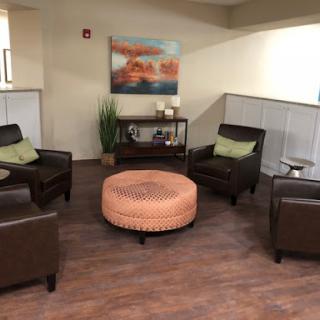
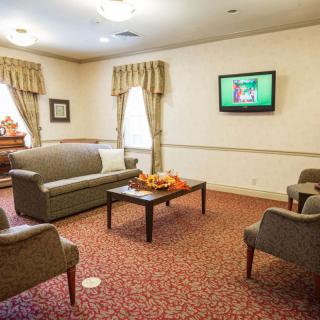
 Indoor common areas
 Hattiesburg-Laurel Regional (17 miles away)
 Ambulatory care
 Diabetic care
 Meals provided




 Is Assisted Living Deductible on Your Taxes? Understanding the Complexities of Assisted Living Expenses and Deductions
 Assisted Living Support for Veterans: A Complete and Detailed Overview
 Exploring the Contrasts Between Assisted Living and Skilled Nursing