
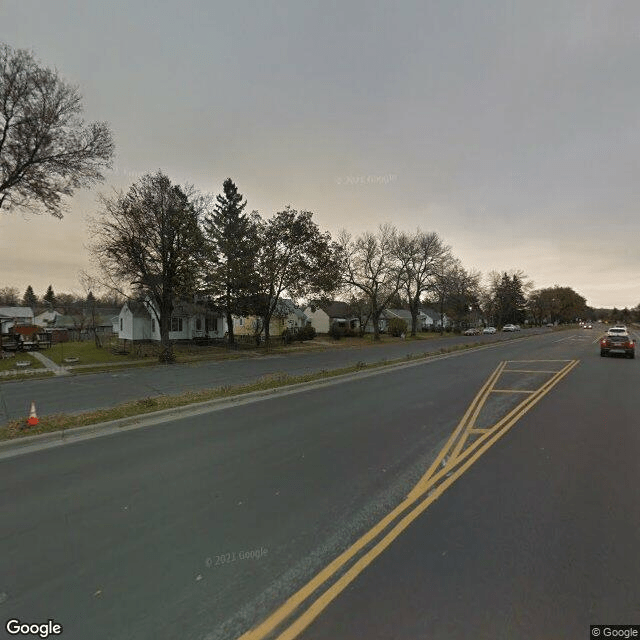
201 North 6Th Avenue, Virginia, MN 55792
For more information about senior living options: (866) 208-4318
Overall Review of Lakeview Residence
Pros
 The management is hands-on and involved, helping residents reach the next level in life.
- The staff are kind, respectful, and caring toward every resident.
- The new owners are making very positive changes for their clients.
- Lakeview Residence is a phenomenal place to refer people to, with owners who are involved and responsive to residents and family members.
- The facility is a nice place to work, with a fun and caring staff.
- Residents have managed to hold sobriety and make good friends, expressing gratitude to be there.
- The rooms are nice, contributing to a welcoming environment.
Cons
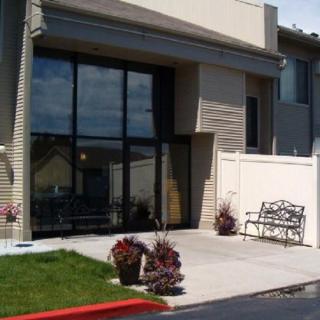
 The building is decrepit and falling apart.
Review
Lakeview Residence in Virginia, Minnesota, is best suited for older adults who want more than a basic room-and-meals arrangement. It serves residents who value an actively involved staff and ownership that treats daily living as an opportunity for growth, someone who wants guidance, accountability, and a community that works to elevate life rather than merely maintain it. For seniors seeking meaningful engagement, accessible mentorship, and a supportive network to sustain sobriety or personal development, Lakeview offers a practical, purpose-driven option. Those who prioritize a highly polished facility over close-knit programming may want to consider other communities.
Under new ownership, the environment has shifted toward responsiveness and involvement. Reviewers consistently note hands-on management, frequent communication with residents and families, and staff described as kind, respectful, and supportive. The focus on helping residents reach the next level in life translates into structured activities, purposeful interaction, and a sense that personal goals are taken seriously. Several comments highlight how leadership is reachable and how the team works to connect residents with opportunities, resources, and referrals, which can be a critical differentiator for families navigating transitions. This is less about comfort alone and more about growth-oriented care.
On the downside, the facility's physical condition is repeatedly described as aging or decrepit, with some rooms requiring maintenance and upgrades. The concerns about the building's state cannot be ignored, even as new ownership signals intent to upgrade and improve. This is a real factor for families weighing safety, accessibility, and comfort. The positive tone from staff and residents suggests maintenance issues are being addressed, but prospective residents should verify current conditions, request a tour of recently renovated spaces, and inquire about a planned capital-improvement schedule. In environments where the physical plant matters, these questions are essential to avoid surprises.
Despite the physical drawbacks, the major strengths lie in people and culture. The staff is described as kind, patient, and attentive, with many notes about respectful treatment and real involvement in residents’ lives. The ability of management to assist with day-to-day goals, whether maintaining sobriety, forming new friendships, or pursuing personal projects, acts as a potent offset to imperfect interiors. Food quality is reasonable, and rooms offer basic comfort when kept up, which aligns with the program-focused ethos. In short, the positives create a resilient value proposition for families who prioritize meaningful daily engagement and supportive relationships over pristine surroundings.
Alternatives may be worth considering for those who demand a more modern facility, broader medical services on-site, or specialized memory care. If a spotless, boutique-style setting with the latest amenities is non-negotiable, or if rapid access to comprehensive healthcare is essential, other communities may suit better. For residents who require intensive clinical oversight or who feel unsettled by ongoing maintenance, it can be prudent to compare options with clearer renovation timelines and more robust infrastructure. However, for families who want a community that treats residents as individuals and emphasizes growth, Lakeview's strengths often outweigh the drawbacks, provided expectations align with current condition and ongoing upgrade plans.
Bottom line: Lakeview Residence serves a specific niche well, engaged ownership, a hands-on, respectful staff, and a culture focused on personal development within a supportive network. Pros include responsive leadership, approachable staff, opportunities for sobriety support and meaningful social connection, and a living environment where residents can flourish beyond basic care. The primary caveat is the aging physical plant, which can temper comfort and safety until renovations keep pace. Families should schedule direct conversations with the leadership, request a detailed maintenance and renovation plan, and speak with current residents about daily life. When these factors align, Lakeview offers a practical, non-cookie-cutter option that can genuinely extend a resident’s sense of purpose.
 21 resident community capacity
 Assisted Living
 Independent Living
 Beauty salon
 Cable or satellite TV
 Dining room
 Fully furnished
 Garden
 Housekeeping services
 Kitchenette
 Move-in coordination
 Outdoor space
 Telephone
 Wi-Fi/high-speed internet available
 Chisholm-Hibbing (17 miles away)
 24-hour call system
 Activities of daily living assistance
 Assistance with bathing
 Assistance with dressing
 Assistance with transfers
 Diabetes diet
 Meal preparation and service
 Medication management
 Mental wellness program
 Special dietary restrictions
 Transportation arrangement (medical)
 Transportation to doctors appointments


 Securing Financial Support for Assisted Living: A Comprehensive Overview
 Social Security Benefits and Assisted Living: Navigating Options Across the U.S.
 An Extensive Exploration of the VA Aid and Attendance Benefit