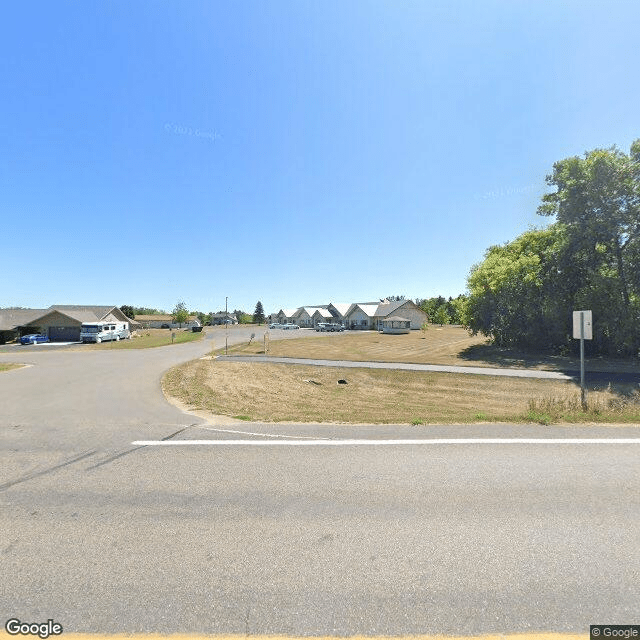
405 E Frazee Ave, Vergas, MN 56587
To contact a resident: (218) 334-4501
For more information about senior living options: (866) 208-4318
Vergas Assisted Living Costs & Pricing
At Vergas Assisted Living, the monthly cost for a studio room is competitively priced at $2,776, which is significantly lower than the average rates in Otter Tail County, where similar accommodations typically run around $4,078. This places Vergas well below the county average and also under Minnesota's overall state average of $3,617 for assisted living facilities. Such pricing not only highlights Vergas Assisted Living's commitment to affordable care but also underscores its value in providing quality services without compromising on comfort and support.
| Floor plans | Vergas Assisted Living | Otter Tail County | Minnesota |
|---|---|---|---|
| Studio | $2,776 | $4,078 | $3,617 |
Assisted Living communities with a similar price nearby
-
About the same
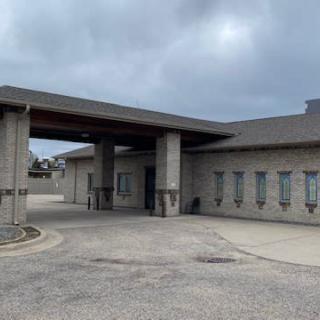
Frazee Assisted Living
$2,776 to $7,407 / month0.9 miles away
Overall Review of Vergas Assisted Living
Pros
 The staff are very caring and easy to work with.
- The area is a quiet rural community where most people know each other and are ready to lend a hand.
- The location was a key factor, and the opening allowed an immediate move for a loved one.
- The smaller community size means everyone knows everyone by name, which is appreciated.
- Families would recommend it to others looking for care.
Cons
 They can't find anything they're looking for.
Review
Vergas Assisted Living is best suited for seniors who want to stay rooted in a quiet rural town where neighbors know each other and long-standing connections, church, friends, and familiar routines, remain central to daily life. The community delivers a practical, low-stress option for families seeking continuity: a smaller, intimate setting where residents and staff interact by name, and where local networks are easy to leverage for social and spiritual life. For residents who have lived in Vergas for decades or who prize staying near a familiar church and longtime friends, this campus offers a compelling fit that prioritizes relationship and place over flashy amenities.
Those who may want alternatives are those who need a broader service menu or more dynamic programming. A larger campus with more on-site services, specialized memory care, or a wider schedule of activities might be a better fit for residents seeking variety, more structured programming, or enhanced clinical resources. Families chasing a more bustling environment, more transportation options, or more diverse dining and recreational choices should evaluate other communities. In short, Vergas shines for continuity and warmth, but may fall short for families whose care needs outpace a small-town model, especially if independent living-to-assisted care transitions require more medical infrastructure.
Key strengths revolve around proximity, familiarity, and staff relationships. The small scale means everyone knows everyone, which translates into personalized attention and smoother adjustment for new residents. Caregivers in this setting are described as caring and easy to work with, a tangible relief when navigating daily routines and assistance needs. The location itself is a stabilizing force, that quiet rural backdrop means ongoing connections to church, friends, and a long-standing community network. These positives mitigate the absence of a broader service slate by delivering emotional security, timely communication, and a welcoming, resident-centered atmosphere. The strongest counterbalance to the limited offerings is that the environment itself often becomes the care plan: predictable routines, known faces, and a built-in safety net of neighbors looking out for one another.
Practically, this arrangement demands careful verification of what is included and what must be sought elsewhere. Families should confirm the exact level of daily assistance available, meal service quality, housekeeping and laundry options, transportation, and any rehabilitation or memory-care supports on site. It is essential to review activity calendars, social programming, devotional or spiritual offerings, and the degree of resident autonomy within the community. Because the setting is small, questions about night staffing, response times, and how quickly staff can address urgent needs become especially important when comparing Vergas to larger facilities.
When weighing Vergas against alternatives, use concrete decision criteria: proximity to home and social networks, the residentā€™s care needs, cost structure and what is bundled in rates, and the comfort level with a smaller, intimate campus. For families facing an urgent relocation, Vergas offers a real advantage with openings and a straightforward transition. For those who can plan ahead, arranging a visit to observe daily life, talk with prospective caregivers, and speak with current residents can reveal whether the intimate vibe translates into reliable, high-quality care. If exceptions to size or scope are a turnoff, have a clear exit plan and compare with bigger communities that can scale services more comprehensively.
Bottom line: Vergas Assisted Living delivers a warm, community-first living experience that excels at keeping residents connected to a familiar place and people. It is a practical choice for families prioritizing continuity, social integration, and ease of placement over breadth of services. The favorable reviews celebrate caring staff and a tight-knit atmosphere; the lone negative note signals a potential mismatch for those needing more extensive programming or specialized care. For suitable candidates, this community provides a reassuring, low-friction option that anchors life in Vergas while maintaining the dignity and daily rhythm many seniors value most. For others, a larger or more feature-rich setting may be worth the extra distance or cost.
 Assisted Living
 Activities on-site
 Cable or satellite TV
 Devotional services off-site
 Indoor common areas
 Ambulatory care
 Diabetic care
 High acuity care
 Incontinence care
 Medication management
 Meals provided




 Choosing the Right Senior Care: A Detailed Exploration of Assisted Living and Nursing Homes
 Understanding the True Cost of Assisted Living in 2025: A Comprehensive Guide
 Understanding Medicaid Coverage for Assisted Living: A Comprehensive Guide