
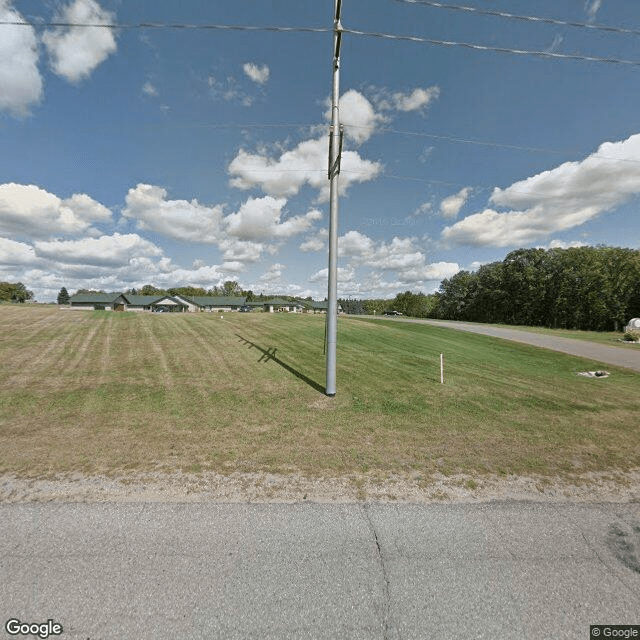
1558 Randolph Rd, Detroit Lakes, MN 56501
To contact a resident: (218) 847-1697
For more information about senior living options: (866) 208-4318
Diamond Willow Assisted Living of Detroit Lakes Costs & Pricing
At Diamond Willow Assisted Living of Detroit Lakes, the monthly cost for a studio apartment is set at $7,200. This rate is significantly higher than the averages for both Otter Tail County, which stands at $4,078, and the broader state of Minnesota, where the average is $3,617. The premium pricing at Diamond Willow may reflect the quality of care and amenities provided, as well as its personalized services tailored to meet the unique needs of residents. Potential clients should consider these factors alongside local market averages when evaluating their options for assisted living in the area.
| Floor plans | Diamond Willow Assisted Living of Detroit Lakes | Otter Tail County | Minnesota |
|---|---|---|---|
| Studio | $7,200 | $4,078 | $3,617 |
Overall Review of Diamond Willow Assisted Living of Detroit Lakes
Pros
 Diamond Willow is becoming the #1 Memory Care Unit in Detroit Lakes with new management and staff.
- The mother is adjusting well and loves the crafting days, the staff, the food, and watching wildlife.
- The staff provide exceptional care and help create a loving community with fun activities and great meals.
- The Diamond Willow staff went above and beyond to meet the needs of residents.
- The staff deserve respect and appreciation for their hard work and dedication.
- Residents feel secure with a roof over their heads, good food, and a bed.
Cons
 The reviewer believes every assisted living facility has issues.
- She has issues.
- The staff seem under a lot of pressure from upper management.
- Corporate needs to help and support their staff, not overwork them to the point of burnout.
Review
Diamond Willow Assisted Living of Detroit Lakes is best suited for seniors who prize a warm, home-like environment where attentive staff and daily engagement shape the experience. This community appeals to residents who value meaningful activities, especially crafting days, along with simple pleasures like wildlife watching and solid, appetite-friendly meals. It is a strong fit for families seeking clear, ongoing communication and a care team that will adjust as needs evolve. In short, Diamond Willow serves residents who want a personable, small-to-mid-sized setting where staff visibly invest in daily quality of life and where caregiving feels personal rather than formulaic.
The core strengths here lie in people. Reviews consistently praise staff dedication, an evident work ethic, and a culture that emphasizes compassionate care. Residents are described as well cared for, with staff going above to meet needs and to accommodate preferences. The dining experiences and daily activities, coupled with a sense of community, provide tangible, repeatable value. Moreover, the memory-care pathway is shown to be evolving under new leadership, with families noting improvements and a focus on meeting specific cognitive-care needs. End-of-life care is highlighted as a time when staff demonstrated devotion and competence, underscoring a genuine commitment to residents’ dignity in the final chapters of life.
Yet the picture is not without friction. Several reviews point to pressure from upper management and corporate demands that can strain frontline staff. This tension manifests as burnout risk and a perception that support from higher levels is needed to sustain the level of care, especially in demanding shifts or when staffing fluctuations occur. The memory-care unit, while on an upward trajectory, remains a work in progress in the eyes of some families, suggesting that consistency and long-term stability depend on steady leadership and sufficient resources. Potential residents should acknowledge that these external pressures can translate into variable day-to-day experiences, particularly during staffing gaps or peak workload periods.
These strengths and the stated improvements justify the trade-offs in several meaningful ways. The personal attention residents receive, the reliability of daily routines, and a community atmosphere can offset concerns about management strain, particularly for families prioritizing relational care and daily engagement. The ongoing development of the memory-care program is a meaningful signal that the campus is investing in higher levels of cognitive support, not merely maintaining the status quo. For residents and families who value hands-on staff relationships, predictable activities, and the comfort of a smaller setting, Diamond Willow’s positives often outweigh the downsides, provided that communication remains open and issues are addressed promptly by leadership.
However, families should consider alternatives if prioritizing a flawless, low-stress management environment or a hospital-grade memory program is non-negotiable. Larger facilities with dedicated, well-staffed memory-care wings, more robust corporate support, and lower susceptibility to staff burnout may offer greater predictability over time. Institutions with transparent staffing ratios, documented turnover metrics, and established dementia-care protocols could present a safer choice for those seeking highly standardized memory-support services. For residents who require more intensive clinical oversight or who need consistently seamless care 24/7, exploring other options may prevent gaps that could otherwise emerge under organizational pressure.
In sum, Diamond Willow is a practical, compassionate choice for seniors who want a neighborly, engaging setting and who trust that a committed staff will respond with care and creativity. For families where memory-care needs are acute, or where management turnover and corporate demands are a persistent concern, it is wise to compare with other communities that emphasize stability and specialized dementia programming. Prospective residents should tour with a focus on staffing patterns, daily schedules, and how the team handles shifts in care intensity. Ask blunt questions about staff-to-resident ratios, turnover, and the mechanisms by which management supports front-line caregivers, then weigh those answers against the evident warmth, food quality, and activity offerings that define Diamond Willow.
 Assisted Living
 Memory Care
 Activities on-site
 Devotional services off-site
 Indoor common areas
 Ambulatory care
 Diabetic care
 Meals provided

 Comprehensive Guide to VA Nursing Homes: A Crucial Long-Term Care Resource for Veterans
 Estimating the Expenses of At-Home Dementia Care: A Detailed Exploration
 Comprehensive Insights on the Late Stages of Dementia: What to Expect and How to Provide Care