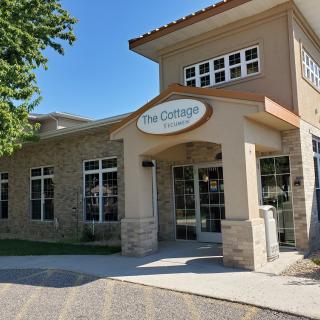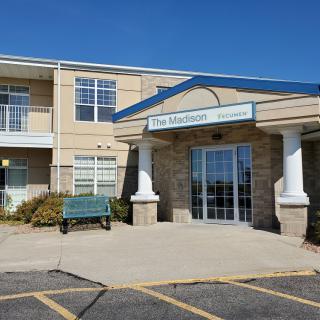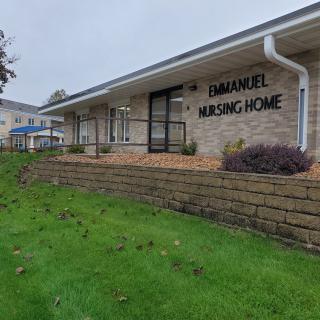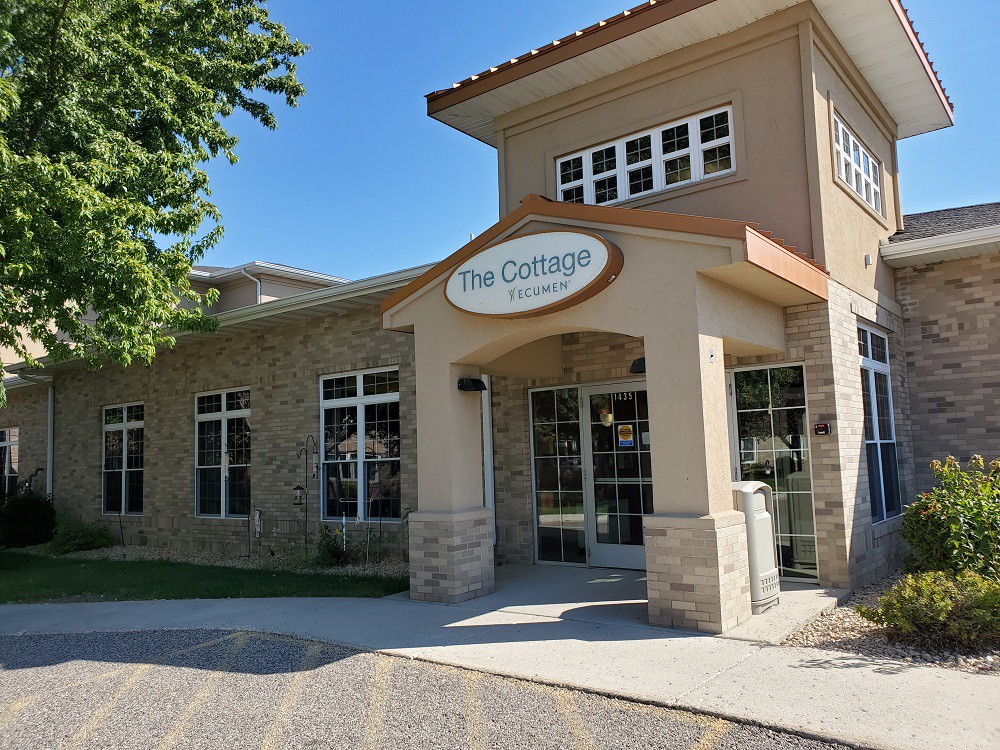
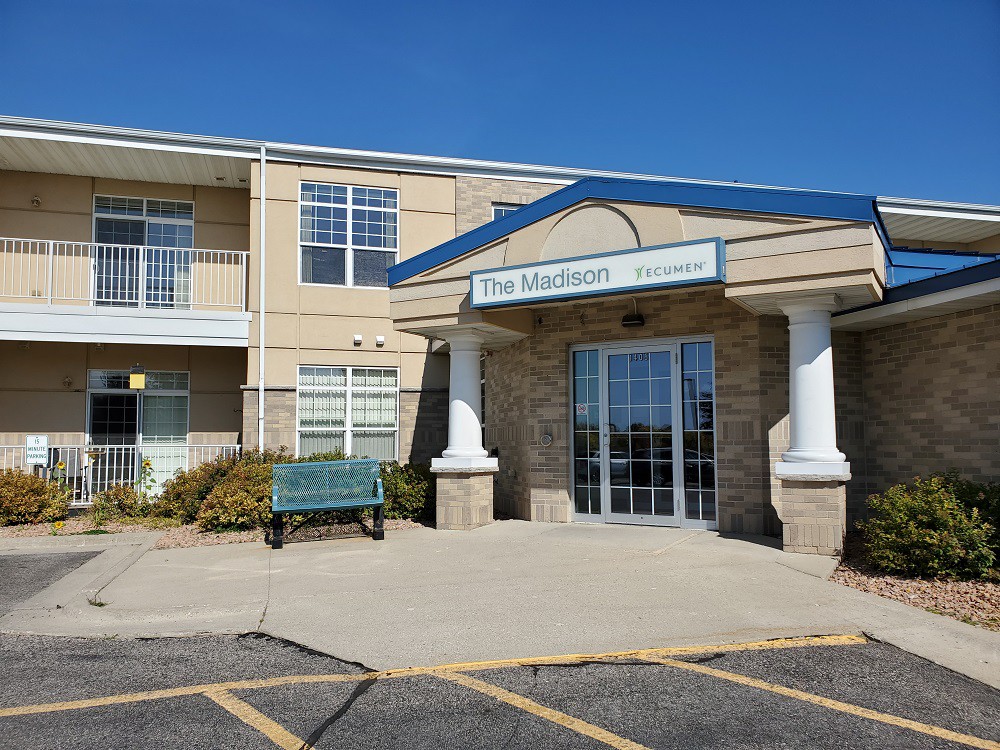
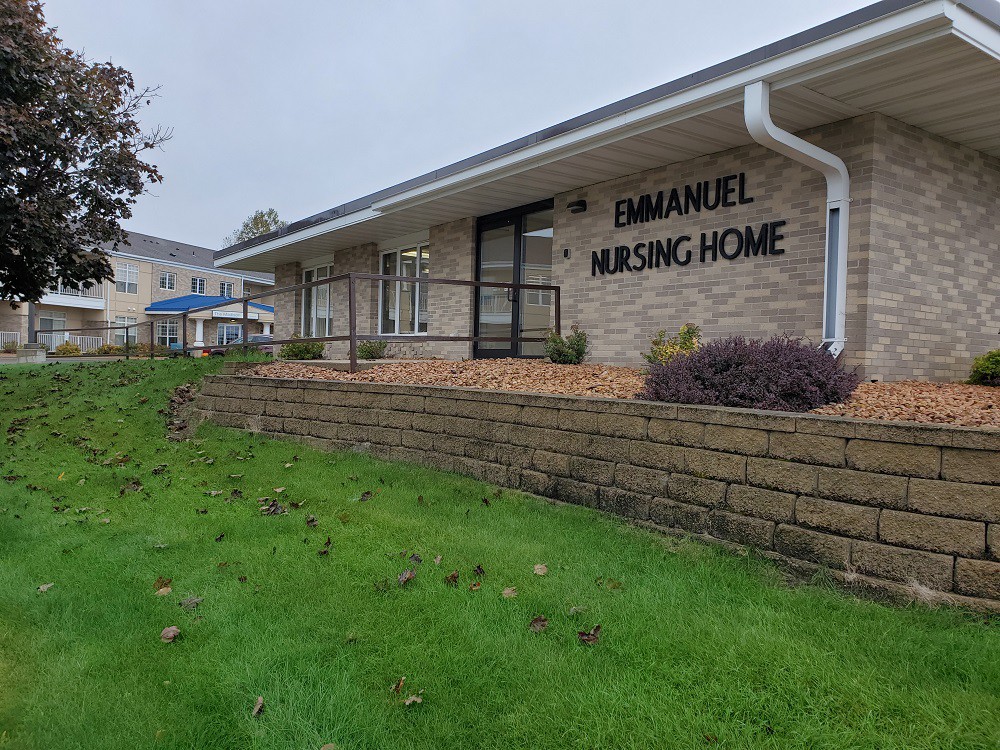
1415 Madison Ave, Detroit Lakes, MN 56501
To contact a resident: (218) 847-4486
For more information about senior living options: (866) 208-4318
Overall Review of Ecumen Detroit Lakes
Pros
 Ecumen Emmanuel is described as providing a wonderful experience from start to finish.
- The staff are friendly, helpful, caring, and attentive to residents’ needs.
- Residents connect with staff and fellow residents, sharing memories and building meaningful relationships.
- Therapy services and therapists are highly regarded and effective.
- The TCU and therapy teams offer genuine care that helps residents regain mobility and return to daily life.
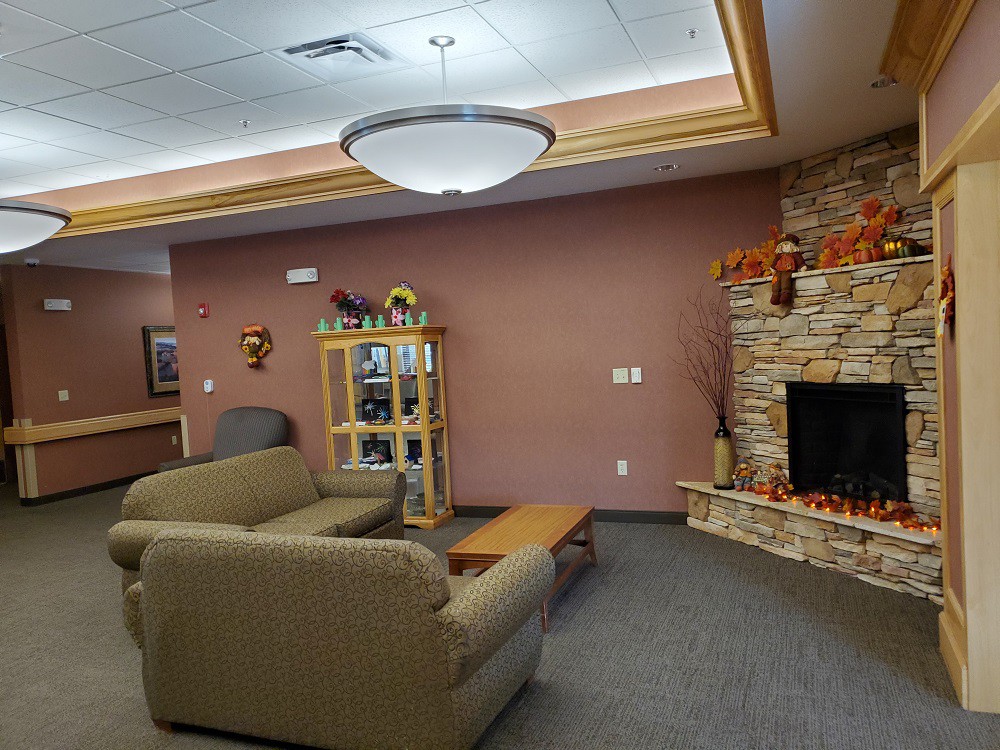
- The facility features private rooms with ample space and a strong physical therapy area with skilled PT staff.
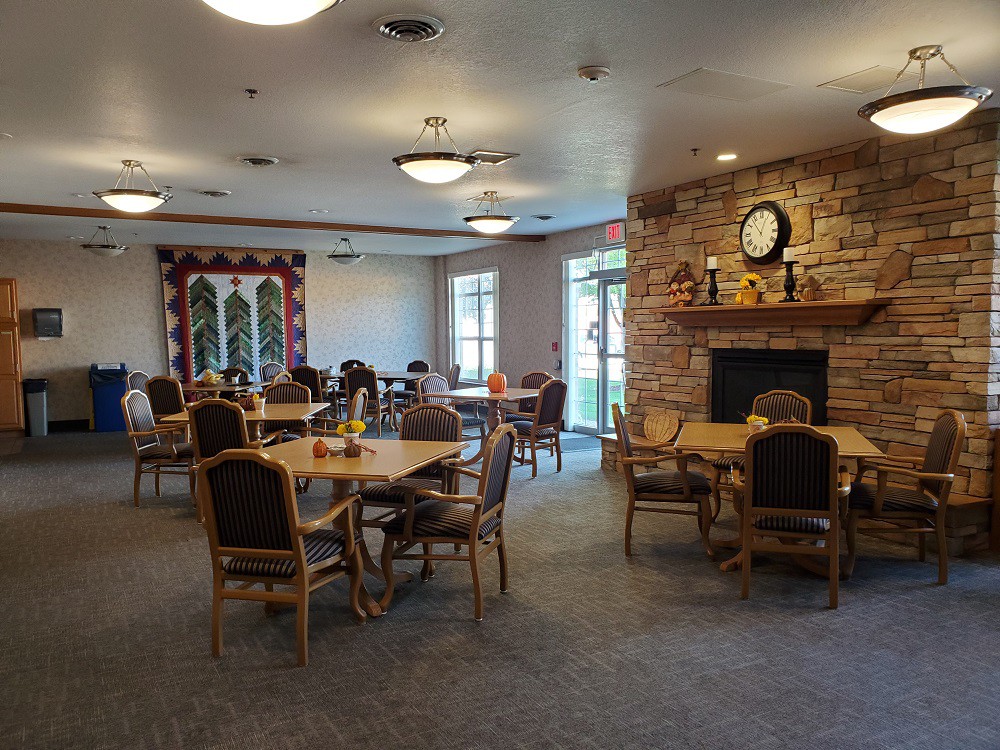
- The campus includes a beautiful chapel, a swimming pool, daily activities, courtyards, and engaging programs like music groups.
- The staff are super friendly, engaging, and enthusiastic, contributing to a positive atmosphere.
- The facility is great inside and out, and the people who live and work there make it a truly beautiful place.
Cons
 The reviewer stated the facility could no longer provide assisted living, so the husband couldn't stay there.
- The nursing care was rated about a three out of five.
- The long-time cook retired, so dining was not quite as good as it had been before.
- A reviewer called it the most poorly run and disrespectful community.
Review
Ecumen Detroit Lakes’ Emmanuel building is best suited for seniors who need intensive rehabilitation and mobility-focused therapy. It is a strong fit for families that value a warm, attentive staff, private rooms with ample space, and a calendar rich with activities, social events, and spiritual programming. Those seeking on-site assisted living or long-term memory care should look elsewhere, because Emmanuel no longer offers assisted living on campus and long-term on-site housing isn’t part of the current model.
Given that reality, alternatives should be considered for residents who want ongoing, on-site assisted living or a consistent long-term housing option. Other Ecumen communities or nearby facilities that provide assisted living or memory-care services on site can be a better match for someone who anticipates needing daily help beyond rehabilitation. The Emmanuel focus is clear: rehab, therapy, and transitional care, not permanent on-site residence. Families planning for admission should have a concrete plan for what happens after rehab ends and confirm where that care will take place.
The strongest positives are in the therapy and clinical care sphere. The therapy teams and transition-care unit (TCU) receive the most consistent praise, delivering genuine progress and tangible mobility gains. Patients repeatedly highlight therapists who listen, encourage, and push just enough to elicit improvement, often reporting regained independence that changes daily life. Beyond therapy, the staff across levels is described as friendly, engaged, and genuinely invested in residents’ well-being. Private rooms with generous space, coupled with a well-equipped therapy area and accessible common areas, create a comfortable, dignity-preserving environment during a rehab stay.
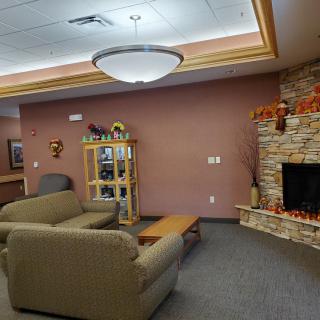
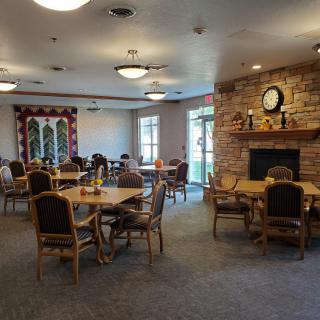
Amenities and atmosphere further bolster the rehab experience. The Emmanuel building features a bright interior, physical therapy facilities that support intensive work, and a landscape that invites safe movement, courtyards and opportunities for outdoor activity complement the indoor routines. A chapel and regular social programming add meaningful dimensions to life in rehab, helping residents maintain a sense of normalcy and connection. For families prioritizing a stimulating, person-centered setting with real opportunities for recovery, these elements can be decisive advantages that help offset some logistical limitations.
The main caveat is structural alignment with long-term care needs. The absence of on-site assisted living means no ready-made solution if recovery stalls or if ongoing daily support becomes necessary. Nursing care is described variably in the reviews, with at least one family noting mid-range nursing responsiveness, which is a risk for residents who require steady, consistent oversight. Additionally, there is at least one stark critique of operations or leadership that signals potential gaps in management or culture. While this may not define every encounter, it is prudent to investigate leadership responsiveness, staffing consistency, and how the campus handles patient flow, care planning, and discharge coordination before committing.
When weighing these factors, the pros largely offset the cons for rehab-focused goals but do not erase the implications for long-term living. For families pursuing meaningful rehabilitation outcomes, a period in Emmanuel can yield real gains, enhanced by a supportive staff and a vibrant social environment. For those who require ongoing assisted living after rehab or who place equal emphasis on nursing quality and consistent daily care, alternatives should be prioritized, whether that means exploring other Ecumen campuses that offer on-site AL or identifying a facility whose core mission includes permanent, supported living. A decisive path emerges through a targeted visit, direct conversations with therapy and nursing leaders, and a clear discharge-and-aftercare plan aligned with the resident’s goals.
 1-bedroom apartments
 Assisted Living
 Independent Living
 Memory Care
 Skilled Nursing Facility
 Activities on-site
 Beautician on-site
 Cable or satellite TV
 Cafe
Cafe Computer center
 Devotional services off-site
 Dining room
 Full kitchen
 Garden
 Guest parking
 Housekeeping services
 Indoor common areas
 Laundry
 Overnight guests
 Party space
 Respite or short term stays offered
 Security gate
 Spa
Spa Swimming pool
 VA Benefits Consultation
 Wi-Fi/high-speed internet available
 Ambulatory care
 Diabetic care
 High acuity care
 Medication management
 Physical therapy
 Meals provided
 Special dietary restrictions
 Arts and crafts
 Book club
 Cooking club
 Educational speakers / life long learning
 Fitness programs
 Games
Games Live musical performances


 A Thorough Discussion of Medications Potentially Linked to Dementia Risk
 Why Do Dementia Patients Sleep So Much? Understanding Oversleeping, Stages, and Care Approaches
 8 Key Indicators That Suggest It May Be Time to Transition from Assisted Living to Skilled Nursing Care