
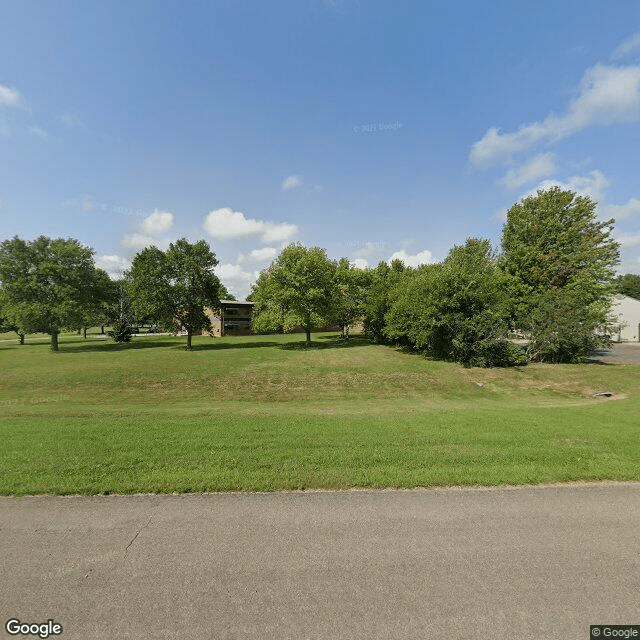
402 North 4Th Avenue East, Truman, MN 56088
For more information about senior living options: (866) 208-4318
Truman Manor Apartments Costs & Pricing
Truman Manor Apartments offers competitive pricing for its one-bedroom units, with a monthly rent set at $1,690. This rate aligns perfectly with the average rental costs in Watonwan County, ensuring that residents are not only receiving quality housing but also value within the local market. When compared to the broader Minnesota state average of $2,893 for similar accommodation, Truman Manor stands out as a more affordable option without compromising on comfort or amenities. This makes it an appealing choice for those seeking a cost-effective living solution in a desirable location.
| Floor plans | Truman Manor Apartments | Watonwan County | Minnesota |
|---|---|---|---|
| 1 Bedroom | $1,690 | $1,690 | $2,893 |
Assisted Living communities with a similar price nearby
-
from +$270 / mo
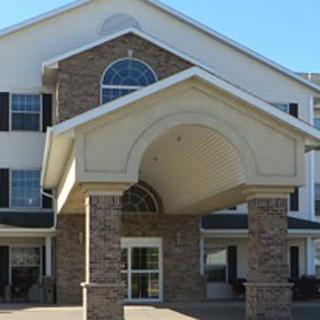
Vista Prairie at Goldfinch Estates
$1,960 to $3,225 / month13.9 miles away -
from +$200 / mo

Parker Oaks Senior Living
$1,890 / month13.2 miles away
Overall Review of Truman Manor Apartments
Pros
 They loved the residence there.
- The residents were pretty happy there.
- Overall, the residence makes this place.
- The community is welcoming.
- Friendly residents and caring staff make the community enjoyable.
Cons
 The building could use some improvements.
- The staff was short, leading to hours that were not well managed.
Review
This community is best suited for seniors who prize a warm, social, neighborly atmosphere and value reliable access to supportive staff, all within a largely independent living setting. Truman Manor Apartments in Truman, Minnesota earns strong marks from the two reviews, signaling that residents who want belonging and daily interaction will find it here. The overall five-star rating reflects a clear sense among residents that the atmosphere and relationships matter, people look out for one another, and staff tend to create a caring, approachable environment. For someone who wants to live among familiar faces and enjoy regular social contact, this is a compelling fit.
Prospective movers should understand who may want alternatives. Those who require extensive, around-the-clock medical or daily hands-on care, or who demand a consistently modern or recently renovated facility, may find Truman Manor less aligned with those needs. If the priority is a highly polished building with frequent updates, or if a highly predictable, highly staffed routine is non-negotiable, it’s worth examining other options. Likewise, residents who require very strict scheduling or more aggressive maintenance responsiveness might prefer a community with sturdier, more consistent operational systems.
The strongest asset is the people. A welcoming community of residents, paired with staff who are described as caring, creates a lived-in sense of safety and belonging. This is not a sterile, impersonal campus; it is a place where neighbors know each other, where staff tend to notices and concerns with warmth, and where daily life centers on connection as much as care. Even in a setting that could use facility updates, the social fabric stands out as a steadying force, helping residents stay engaged, present, and invested in community life.
That said, the formal drawbacks are real and deserve consideration. The building itself could use improvements, and staffing levels have been described as temporarily short at times. When staffing is lean, hours and service coverage can feel less reliable, which in turn can ripple into scheduling and responsiveness. The reviews acknowledge the positive vibe and strong relationships, but the operational limps, the physical upkeep and uneven staffing, do dampen efficiency and predictability. Here the upside is tangible, the culture and care, but the downside remains a practical reality that affects daily rhythms.
How the positives weigh against the negatives depends on what a family values most. If the goal is immersion in a tight-knit, friendly community where residents genuinely look out for one another and staff are accessible and attentive, Truman Manor delivers consistently. The social calendar, informal peer support, and the sense that residents are known by name can compensate for some maintenance quirks and occasional staffing gaps. Families should view these dynamics as a trade-off: you gain warmth, familiarity, and personal touch, while accepting that building updates and staffing stability may lag behind the ideal standard.
Bottom line: Truman Manor Apartments serves a clear niche for seniors who want companionship, belonging, and humane, approachable care within a modest, community-driven setting. It is a solid choice for those who prioritize relationships and day-to-day livability over a pristine, newly renovated facility or a hospital-level care plan. For anyone whose top priorities are highly reliable staffing at all hours, a modernized building with the latest amenities, or intensive daily assistance, alternatives should be explored. The decision should hinge on whether the resident’s social needs and preference for a caring staff outweigh the current building and staffing realities.
 28 resident community capacity
 Assisted Living
 Cats allowed
 Dogs allowed
 Activities on-site
 Air-conditioning
 Beautician on-site
 Cable or satellite TV
 Devotional services off-site
 Dining room
 Fully furnished
 Garden
 Ground floor units
 Handicap accessible
 Housekeeping services
 Indoor common areas
 Kitchenette
 Move-in coordination
 Outdoor space
 Telephone
 Wheelchair accessible showers
 Wi-Fi/high-speed internet available
 24-hour call system
 Ambulatory care
 Assistance with bathing
 Assistance with dressing
 Assistance with transfers
 Diabetes diet
 Diabetic care
 Incontinence care
 Meal preparation and service
 Medication management
 Mental wellness program
 Special dietary restrictions
 Transportation arrangement (medical)
 Transportation to doctors appointments
 Birthday parties
 Live musical performances



 Social Security Benefits and Assisted Living: Navigating Options Across the U.S.
 An Extensive Exploration of the VA Aid and Attendance Benefit
 Senior Transition Services: Understanding Their Role, Cost, and Importance