
14410 21St Street North, Stillwater, MN 55082
For more information about senior living options: (866) 208-4318
Project Caring Costs & Pricing
Project Caring offers a competitive private room rate of $4,700 per month, positioning itself as a cost-effective alternative when compared to the average rates in Washington County and across Minnesota. In Washington County, the monthly expense for a similar private room is approximately $4,952, while in the broader state of Minnesota, it escalates to about $5,090. This pricing structure not only underscores Project Caring's commitment to affordability but also reflects its dedication to providing quality care within a budget-friendly framework that benefits both individuals and families seeking supportive living arrangements.
| Floor plans | Project Caring | Washington County | Minnesota |
|---|---|---|---|
| Private | $4,700 | $4,952 | $5,090 |
Assisted Living communities with a similar price nearby
-
from -$710 / mo

Comfort Care Homes And Services Alpine Ridge
$3,990 to $5,550 / month18.1 miles away -
from -$900 / mo
Our House Senior Living - New Richmond Memory Care
$3,800 / month15.8 miles away -
from -$405 / mo
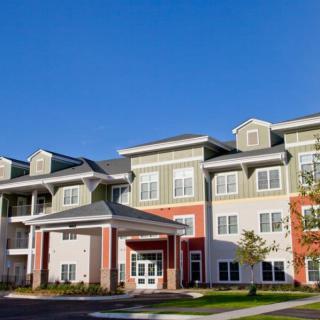
Keystone Place at LaValle Fields
$4,295 to $5,695 / month15.4 miles away -
from -$920 / mo
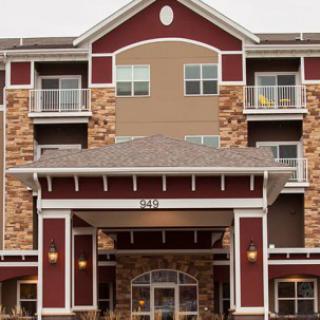
Lilydale Senior Living
$3,780 / month16.6 miles away -
from +$605 / mo

Cherrywood Pointe Of Roseville
$5,305 / month18.5 miles away
Overall Review of Project Caring
Pros
 Project Caring demonstrates profound commitment and dedication to every person in their care.
- They provide unwavering support and guidance, offering limitless care day and night.
- Project Caring's work matters and makes a profoundly positive difference in the lives of the people and families they serve.
- Project Caring offers love and grace to families during difficult transitions, providing steadfast support.
- Project Caring is a home where residents feel connected and truly at home.
- The staff are well trained, dedicated, and caring, making residents feel like family.
- The care provided is exceptional, with an excellent staff-to-resident ratio, clear communication, and 24/7 skilled nursing.
- Residents enjoy an active, engaging community with planned activities and weekly shopping trips that bring joy and independence.
- The team shows genuine care and connection with every resident, giving families complete peace of mind.
- They deliver the royal treatment and bring comfort to families.
- The facility is a home with heart, leaving families grateful.
- The staff care for residents as if they were family, with patience and compassion, ensuring daily dignity and comfort.
Cons
 They described most other facilities as depressing, understaffed, and just plain sad.
- The door locks were scary for a wanderer with dementia, suggesting a lack of structure.
- The husband did not like it because of the lack of structure.
- There was no monthly meal plan or activity list, and the staff just did whatever.
- One reviewer had mixed reviews of the place.
Review
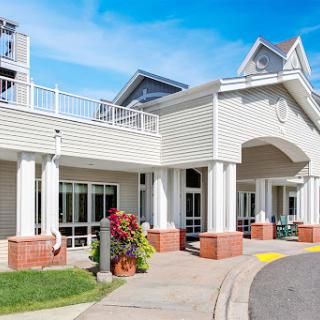
Project Caring in Stillwater, MN is best suited for families seeking a true home-like, high-touch assisted living where the resident is seen as a person first and care is delivered with almost constant, compassionate attention. This community excels for seniors who need strong, ongoing support, often with elevated needs, and who value deep personal connections with caregivers. It is especially compelling for end-of-life care, high-need assistance, and scenarios where skilled nursing is available around the clock without turning care into a sterile institution. The environment is intimate and residential, with a quiet neighborhood feel, home-cooked meals, and a staff culture that treats residents like family.
Not every family will find this the right fit. Those who require a highly structured daily routine, a formal, published activity calendar, or a fixed meal plan every week may find the pace here too loose. A few reviewers noted a lack of explicit programming or schedules, and one family flagged door security concerns for dementia wanderers. For families needing a large campus with broad amenities, or for those seeking specialized memory-care programs housed in a secured unit, alternatives with larger footprints and more defined security protocols may be preferable. In short, the strongest fit is for individuals who thrive on personalized attention more than on formalized programming.
The standout pros here, an exceptionally high staff-to-resident focus, authentic warmth, and continuous, personalized care, are what offset the most common potential drawbacks. The care team is described as deeply committed, not merely doing their jobs, but forming authentic bonds with residents and their families. The owner’s hands-on involvement signals accountability and steadiness, while the availability of skilled nursing 24/7 means medical needs are addressed promptly. Families consistently highlight the sense of peace that comes from knowing a resident is known well, protected by attentive staff, and supported by a community that treats them as cherished individuals. Those strengths mitigate the downsides of a smaller, less rigid schedule by delivering stability, dignity, and emotional comfort.
Culturally, the environment feels vibrant yet homelike. Residents participate in thoughtfully organized activities and excursions that preserve independence and social engagement without turning life into a perpetual program. The consistent praise about kindness, patience, and a personal touch reinforces the impression that care here is not about ticking boxes but about nurturing connection. For families facing difficult transitions, this relational depth translates into less frailty, more joy in daily living, and a sense that the resident’s last chapters are dignified and meaningful. In this context, the occasional absence of a formal timetable is a reasonable trade for a consistently warm, loving, and attentive atmosphere.
For families making a decision, the practical path is clear. During tours, ask to meet frontline caregivers and observe the level of one-on-one attention each resident receives. Request a sample weekly calendar and a copy of the meal plan to assess structure and predictability, even if only to confirm how flexible the schedule is. Inquire about security measures for residents with dementia, including how wandering risks are managed and what adjustments can be made to increase safety without sacrificing the home-like feel. Verify the availability of memory-care-capable staff and the exact scope of nursing services, along with transportation options for errands or outings. Clarify pricing, contract terms, and what happens if care needs escalate.
Ultimately, Project Caring stands out for families who prize heart-forward care and personal connection over formal programming or campus size. It is a standout option for high-need seniors who want to live with dignity, surrounded by care partners who feel like family, and for families who want to participate closely in daily life and decision-making. If these values align, a tour should be scheduled promptly, with targeted questions to ensure the setting matches the resident’s care goals. If a more structured, security-focused, or expansive environment is non-negotiable, it may be prudent to compare with alternatives that emphasize those elements. Either way, the decision should favor a setting that preserves independence, fosters belonging, and delivers consistent, compassionate support.
 21 resident community capacity
 Assisted Living
 Board and Care Home
 Activities off-site
 Bath tubs
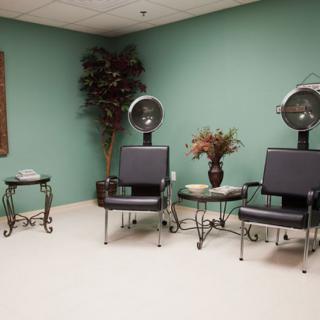
 Beautician on-site
 Cable or satellite TV
 Devotional services on-site
 Dining room
 Fully furnished
 Garden
 Housekeeping services
 Indoor common areas
 Kitchenette
 Move-in coordination
 Outdoor common areas
 Private
 Private bathrooms
 Respite or short term stays offered
 Telephone
 Wheelchair accessible showers
 Wi-Fi/high-speed internet available
 Minneapolis-St Paul International (21 miles away)
 24-hour call system
 Ambulatory care
 Assistance with bathing
 Assistance with dressing
 Assistance with transfers
 Diabetes diet
 Diabetic care
 High acuity care
 Incontinence care
 Meal preparation and service
 Medication management
 Mental wellness program
 Special dietary restrictions
 Transportation arrangement (medical)
 Transportation to doctors appointments
 Comprehensive Insights into Activities of Daily Living (ADLs) and Their Assessment
 Guiding Elderly Parents Who Refuse Assisted Living: 6 Practical Steps
 Your Comprehensive Guide to Luxury Assisted Living: Elevated Facilities, Amenities, and Costs