
713 Maple Street Sw, Sleepy Eye, MN 56085
For more information about senior living options: (866) 208-4318
Overall Review of Mn Comfort In-Home Care Service
Pros
 MN Comfort Care handles patients professionally with compassion and sympathy.
- LeAnn and her staff are easy to work with and demonstrate a caring attitude.
- They adjust schedules, communicate clearly and promptly, and offer helpful ideas when families face health challenges.
- They provide the necessary paperwork for Long-Term Care Insurance and clearly outline the types of services offered.
- After six months of service, families feel like they have become part of the family.
- They help families keep a loved one at home during difficult times, making caregiving easier.
- LeAnn and her staff are a blessing and are very accommodating.
- MN Comfort Care combines a small, close-knit feel with professional boundaries.
- They treat loved ones with kindness and respect while delivering care with professionalism.
Review
MN Comfort Care in Sleepy Eye, Minnesota is best suited for families who want to keep a loved one at home while health declines, with memory challenges or during hospice phases. The service is delivered by a tight-knit team that combines warmth with practical, professional care. Clients consistently describe LeAnn and her staff as caring, responsive, and thorough, people who adjust plans on the fly, communicate clearly, and treat each situation as if it were their own family member’s care. The in-home hours are flexible, and the team is proactive about paperwork, including Long-Term Care Insurance, so families aren’t left to navigate complex benefits alone. In short, this is home-based care built to feel personal, not perfunctory.
For families where the goal is to avoid moving a loved one into a facility, this provider is especially compelling. The ability to tailor services to daily routines, housekeeping, personal care, and medication management, lets aging or ill relatives stay in familiar surroundings. Reviews highlight the near-constant availability, including evenings and weekends, which reduces caregiver burnout and helps the primary family caregiver stay engaged. Yet there is an understood boundary: this model is strongest when medical needs are manageable at home and when the family can coordinate with a responsive team. Those needing continuous, around-the-clock nursing oversight or a secure memory-care setting should look toward an assisted living or dedicated memory-care community.
Key strengths include compassionate, professional care, transparent communication, and a service plan that can be aligned with a family's budget. Families report that staff feel like part of the household and go the extra mile to support both the patient and the caregiver. This is not generic home-care; it’s a partnership that shifts with health status, providing respite when needed and a clear path for extending services as care requirements grow. While in-home care cannot substitute for advanced skilled nursing, the strengths here mitigate that gap by coordinating care with medical professionals, preparing clients for transitions, and keeping the patient comfortable in a familiar setting. The result is a meaningful balance: high touch care combined with practical oversight.
Service breadth stands out: routine housekeeping, personal care, medication management, and regular companionship that keeps cognitive engagement and morale steady. The staff’s professionalism blends with genuine warmth, creating trust and reducing the emotional burden on families. They also come through during critical moments, helping a loved one get to a hospital, communicating with family members, and ensuring documentation is in order. This combination of reliability and empathy makes a tangible difference for families juggling schedules, work, and caregiving duties. It is not simply about tasks; it is about preserving dignity and independence as long as possible within the home setting.
From a planning perspective, the top concern for any in-home program is whether the level of care can scale with growing needs. The collected experiences show a responsive team willing to adjust plans and budgets, maintain clear service boundaries, and coordinate with insurance resources. The primary trade-off, less control over the intensity of care compared with a facility, appears manageable when the goal remains home preservation and when a safe plan for escalation is in place. Pros far outweigh these caveats: the trust, the accountability, and the practical support system make the difference between a caregiver-only burden and a supported, informed approach to aging at home.
For families weighing options in Sleepy Eye and the surrounding area, MN Comfort Care emerges as a compelling choice for maintaining home life while navigating health decline, memory challenges, or hospice-related needs. It suits those who want personalized attention, flexible scheduling, and a partner that treats the patient like family. Alternatives should be considered for anyone requiring 24/7 clinical nursing or a secure, facility-based memory environment, or when geographic constraints make regular in-home visits impractical. By initiating conversations early and clarifying service boundaries and budgets, families can deploy this provider to maximize comfort, dignity, and continuity of care for as long as possible in the home setting.
 21 resident community capacity
 Assisted Living
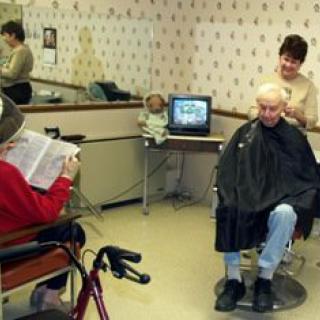
 Beauty salon
 Cable or satellite TV
 Dining room
 Fully furnished
 Garden
 Housekeeping services
 Kitchenette
 Move-in coordination
 Outdoor space
 Telephone
 Wi-Fi/high-speed internet available
 24-hour call system
 Activities of daily living assistance
 Assistance with bathing
 Assistance with dressing
 Assistance with transfers
 Diabetes diet
 Meal preparation and service
 Medication management
 Mental wellness program
 Special dietary restrictions
 Transportation arrangement (medical)
 Transportation to doctors appointments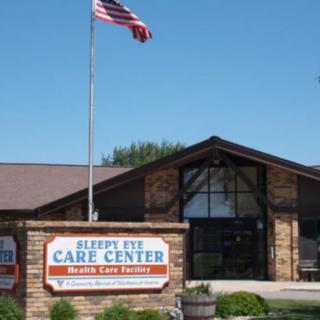




 Exploring the Contrasts Between Assisted Living and Skilled Nursing
 8 Key Indicators That Suggest It May Be Time to Transition from Assisted Living to Skilled Nursing Care
 Vibrant Senior Living: A Comprehensive Guide for Active Older Adults