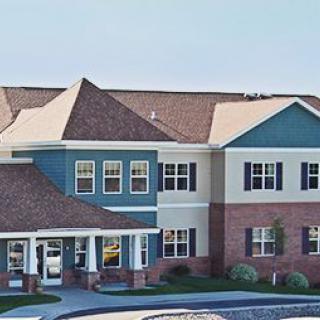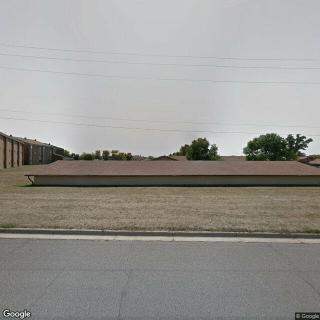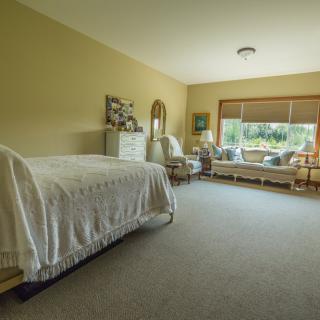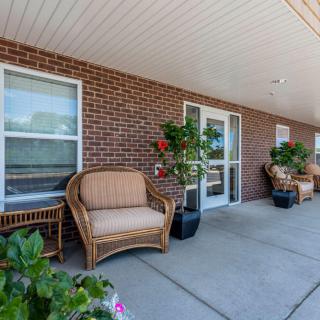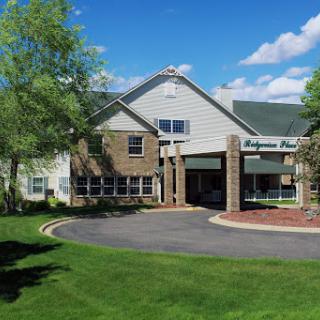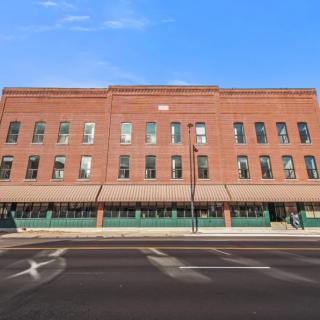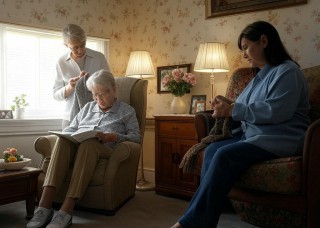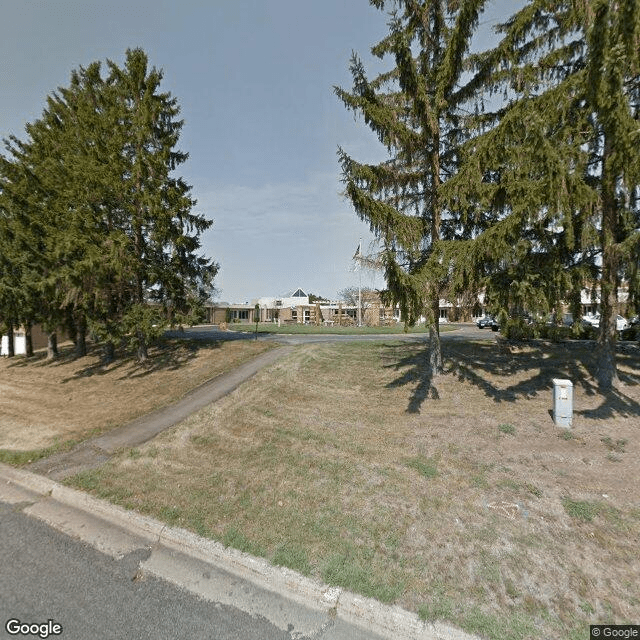
The Good Shepherd Community in Sauk Rapids, MN

Save
The Good Shepherd Community

The Good Shepherd Community in Sauk Rapids, MN

1115 4th Ave N, Sauk Rapids, MN 56379

For more information about senior living options: (844) 490-3973

3.5 from 24 reviews
5 stars
10
4 stars
6
3 stars
1
2 stars
0
1 stars
7

Overall Review of The Good Shepherd Community

Pros

  • pro The staff and Olivia are praised for accommodating an overnight stay, and the experience was great.
  • pro The Good Shepherd Community is consistently praised for professionalism, compassion, and a commitment to quality care.
  • pro The community has incredible staff who clearly care deeply about their residents.
  • pro Cheryl Anderson is delightful to deal with and is a returning sponsor.
  • pro The facility is described as the best in Central Minnesota, being clean, well-run, and caring.
  • pro The staff truly loves residents and honors meaningful relationships, such as allowing couples to live together.
  • pro The center offers ongoing events and activities, including Bingo, and hosts numerous church services.
  • pro The staff are courteous and treat residents like family.

Cons

  • pro The reviewer calls the place absolutely disgusting and advises not to send any family members there.
  • pro They report rude and unprofessional staff, with supervisors doing nothing to address the issues.
  • pro They say the care declined from good to sub-par, including days without drinking water and recurrent bladder infections.
  • pro They describe a non-ambulatory resident falling over a bed rail, with staff giving blank stares and speculative explanations.
  • pro They argue the cost did not justify the level of care, suggesting it could have been a luxury hotel with room service.
  • pro They claim there are bad employees who drive away the good ones and that residents are treated rudely or roughly.

Review

The Good Shepherd Community is best suited for seniors who want a warm, engaged living environment where staff relationships feel personal and residents can stay connected to family life and faith. The campus culture leans toward companionship, active programming, and a sense of belonging, with multiple services, events, and church activities that give residents daily purpose. It is a good fit for couples who prefer to remain in proximity or together as their care needs evolve, and for families seeking a community that prioritizes humane, attentive care in a familiar, faith-centered setting.

On the strength side, care and compassion consistently stand out. Multiple accounts depict staff who genuinely care about residents, with caregivers going the extra mile in individual interactions and daily routines. The facility is described as clean, well run, and capable of supporting both independent living and transition to longer-term care when needed. Family stories emphasize staff who treat residents like family, a welcoming atmosphere that makes visitors feel comfortable, and a dining and activity program that keeps residents socially engaged. The ability to keep couples together in the same living area, whether in apartments or shared spaces, emerges as a meaningful, recurring advantage.

Yet the experience is not uniform, and the main drawbacks are repeatedly echoed. Some reviews recount inconsistent care quality, staffing gaps, or turnover that disrupts continuity. There are serious cautionary tales about neglect and poor communication, including a perception that responsiveness can be uneven and that administrative processes may feel distant to families during critical moments. Food quality draws mixed opinions, and there are anecdotes about rough treatment or limited empathy from a few staff members. These outliers underscore that while many residents thrive, a subset of experiences highlights real risk if staffing or oversight falters.

Those pros do offset the main cons for many families, but not for all. The presence of committed, compassionate staff and a robust activity calendar often preserves dignity, mood, and engagement for residents who prioritize social life and personal attention. The ability to keep a beloved spouse close continues to be a distinctive strength, easing the emotional burden on families during transitions. However, when concerns about safety, timely care, or transparent communication arise, they can erode trust quickly. The contrast between consistently positive day-to-day warmth and the more troubling outlier stories means prospective residents should weigh personal tolerance for variability in care and the importance placed on seamless family communication.

Families who need ironclad medical oversight or flawless, transparent communication should seriously consider alternatives. The most compelling reasons to look elsewhere include persistent staffing instability, documented lapses in basic care, and environments where the administrative side feels inaccessible or unresponsive during crises. For those with advanced cognitive or medical needs, or for anyone who cannot accept the risk of sporadic care reliability, exploring other central Minnesota options with stronger, more consistently staffed clinical oversight may be prudent. One reviewer even contrasts experiences with another nearby facility to illustrate how critical reliable, attentive care can be in these decisions.

For a well-considered choice, engage in a thorough, two-way vetting process: tour the campus with a focus on how care teams are organized and how quickly staff respond to needs; speak with current residents and multiple family members about daily life and end-of-day routines; request specifics on staff turnover, incident reporting, and care planning; review meals for nutritional quality and variety; and confirm how couples’ living arrangements are managed if interests or needs shift. When warmth, personal attention, and an active, faith-informed community align with the family’s priorities, The Good Shepherd Community delivers genuine value. If, instead, consistent medical oversight, transparent end-of-life communication, and uniform staffing reliability are paramount, alternatives deserve serious comparison before deciding.

Features

Types of Care

  • Assisted Living Assisted LivingAssisted living facilities provide crucial support and care for seniors who may need help with daily tasks such as medication management, bathing, and meal preparation. These communities offer a safe and comfortable environment where seniors can maintain their independence while receiving the assistance they need to thrive in their golden years.
  • Independent Living Independent LivingIndependent living communities are important for seniors because they offer a safe and supportive environment where older adults can live independently while still having access to amenities and services that enhance their quality of life. These communities provide social opportunities, recreational activities, and assistance with daily tasks, promoting overall well-being and allowing seniors to maintain their independence for as long as possible.
  • Memory Care Memory CareMemory care is crucial for seniors as it provides specialized support and services for individuals with dementia or Alzheimer's disease. These programs offer a safe and secure environment where residents receive personalized care, cognitive stimulation, and help with daily activities. Memory care helps seniors maintain their independence, quality of life, and dignity while also providing peace of mind for their families.
  • Skilled Nursing Facility Skilled Nursing FacilitySkilled Nursing Facilities are crucial for seniors as they provide round-the-clock medical care, rehabilitation services, and assistance with daily activities. These facilities ensure that seniors receive the specialized care they need to maintain their health and well-being as they age.

Amenities

  • Activities on-site Activities on-siteActivities on-site are important for seniors because they provide opportunities for socialization, mental stimulation, physical activity, and overall well-being. Engaging in activities can help seniors stay active, maintain their independence, and improve their quality of life.
  • Devotional services off-site Devotional services off-siteDevotional services off-site are important for seniors as they provide spiritual nourishment, social engagement, and a sense of community outside of the senior living facility. This can enhance overall well-being and help combat feelings of isolation and loneliness often experienced by older adults.
  • Indoor common areas Indoor common areasIndoor common areas are crucial for seniors as they provide a space for socialization, recreation, and community engagement, promoting overall well-being and reducing feelings of isolation and loneliness.
  • Respite or short term stays offered Respite or short term stays offeredRespite or short term stays provide seniors with a temporary solution when their regular caregiver is unavailable, offering them the opportunity to receive additional care and support during times of need, while also giving caregivers a chance to rest and recharge.

Transportation

  • St Cloud Regional (7 miles away) St Cloud Regional (7 miles away)

Care Services

  • Ambulatory care Ambulatory care"Ambulatory care services provide essential medical support and treatment to seniors without requiring hospitalization, allowing them to maintain their independence and quality of life while managing chronic conditions or receiving routine medical care."
  • Diabetic care Diabetic careDiabetic care is crucial for seniors as they are more susceptible to developing diabetes due to aging and other health conditions. Proper management of diabetes can help prevent complications such as heart disease, vision loss, and nerve damage, improving the overall quality of life for seniors in senior living communities.

Dining

  • Meals provided Meals provided"Meals provided" are crucial for seniors in assisted living communities as it ensures they have access to nutritious, balanced meals without the stress of meal planning and preparation. This can help promote overall health and well-being for seniors who may have limited mobility or cognitive abilities.

Activities

  • Activities on-site Activities on-siteActivities on-site are important for seniors because they provide opportunities for socialization, mental stimulation, physical activity, and overall well-being. Engaging in activities can help seniors stay active, maintain their independence, and improve their quality of life.
  • Devotional activities offsite Devotional activities offsiteDevotional activities offsite are important for seniors because they provide social engagement, spiritual growth, and a sense of community outside of their living environment. This can improve overall well-being, mental health, and combat feelings of isolation or loneliness.

Description

The Good Shepherd Community in Sauk Rapids, MN is a welcoming and vibrant assisted living community that offers a range of care services and amenities to cater to the unique needs of its residents. With a focus on providing a comfortable and secure environment, this community offers various types of care including Independent Living, Memory Care, and Skilled Nursing Facility.

Residents at The Good Shepherd Community have access to an array of amenities that enhance their overall quality of life. Devotional services off-site offer spiritual enrichment, while the indoor common areas provide opportunities for social interaction and relaxation. Additionally, respite or short-term stays are offered to accommodate temporary care needs.

One of the standout features of The Good Shepherd Community is its dedication to providing diabetic care. This specialized service ensures that residents with diabetes receive the support they need to manage their condition effectively.

To promote an active lifestyle, The Good Shepherd Community organizes devotional activities offsite that cater to residents' spiritual needs. These activities not only foster a sense of community but also provide opportunities for personal growth and fulfillment.

Furthermore, this community boasts excellent proximity to numerous amenities essential for residents' convenience and enjoyment. There are cafes nearby where residents can indulge in their favorite treats or spend time with friends and family. Nature enthusiasts will appreciate the presence of five parks nearby, offering beautiful green spaces for leisurely walks or picnics. Accessing medications is hassle-free with 15 pharmacies situated within close proximity. In matters regarding healthcare, residents can easily consult any of the 43 physicians located nearby.

In terms of dining options, there are 28 restaurants in the vicinity, ensuring culinary variety for residents who prefer eating out occasionally or celebrating special occasions with loved ones. Transportation options are readily available with one transportation service nearby, making it convenient for residents to travel or run errands as needed.

For those seeking personal spiritual fulfillment or seeking places of worship in the area, there are six Places of Worship conveniently located nearby. Additionally, the community benefits from its proximity to a hospital, ensuring quick and accessible medical care when needed.

Overall, The Good Shepherd Community in Sauk Rapids, MN strives to provide a warm and supportive environment where residents can enjoy the comforts of home while receiving top-notch care and enjoying a variety of amenities and opportunities for personal fulfillment.

Nearby Places of Interest

Located in Sauk Rapids, Minnesota, this area offers a variety of amenities for seniors looking to settle down in a peaceful and convenient neighborhood. With several parks nearby such as Oakwood Village Park and Island View Park, residents can enjoy outdoor activities and leisurely walks. Places of worship like Harvest Fellowship and Sacred Heart Church provide spiritual support and community engagement. For dining options, there are restaurants like Subway, McDonald's, and Benton Station Bar within close proximity. Additionally, pharmacies such as Walmart Pharmacy and Country Store & Pharmacy make it easy to access medications and healthcare needs. Medical facilities like Skin Care Doctors and CentraCare Hospital are located just a short distance away for any health concerns. Overall, this area offers a mix of recreational opportunities, essential services, and healthcare resources for seniors seeking a comfortable living environment in Sauk Rapids.

Parks

  • Oakwood Village Park (0.4 miles)
  • Island View Park (0.5 miles)
  • Sauk Rapids Municipal Park (0.5 miles)
  • Hester Park (2.3 miles)
  • Creekview Park (3.2 miles)

Places of Worship

  • Harvest Fellowship (0.8 miles)
  • Living Way Church (1.3 miles)
  • Sacred Heart Church (1.6 miles)
  • St Francis Xavier Church (2 miles)
  • Trinity Lutheran Church (2.1 miles)
  • Grace Baptist Fellowship (3.2 miles)

Restaurants

  • Subway (0.8 miles)
  • Benton Station Bar (0.9 miles)
  • McDonald's (1 miles)
  • Subway (1 miles)
  • Jimmy's Pour House (1 miles)
  • Taco John's (1.1 miles)
  • Burger King (1.1 miles)

Pharmacies

  • Walmart Pharmacy (0.9 miles)
  • Walgreens (1 miles)
  • Country Store & Pharmacy (1.1 miles)
  • Village Pharmacy & Gift (1.2 miles)
  • Dragich & Dragich (1.2 miles)
  • Coborn's Pharmacy (1.3 miles)
  • The Apothecary (1.3 miles)

Physicians

  • Skin Care Doctors (1.1 miles)
  • Center For Pain Management (1.3 miles)
  • Central Minnesota Neuroscience (1.3 miles)
  • Hanger Clinic: Prosthetics & Orthotics (1.3 miles)
  • Karrar, Yusuf The Vein Center Laser Treatment and Medspa (1.4 miles)
  • Regional Diagnostic Radiology (1.4 miles)
  • The Vein Center (1.4 miles)

Hospitals

  • CentaCare (1.7 miles)

Transportation

  • St Cloud Station (2.9 miles)

Cafes

  • Caribou Coffee (3.2 miles)

Frequently Asked Questions

Where is The Good Shepherd Community?
Does The Good Shepherd Community provide care for residents with dementia or Alzheimer's disease?

Nearby Communities

  • Good Shepherd Home Health Care

    Good Shepherd Home Health Care

    Sauk Rapids, MN


    pro Comprehensive care options (independent, assisted, memory care, skilled nursing) with extensive on-site amenities and memory-care programming.

  • Good Shepherd Assisted Living

    Good Shepherd Assisted Living

    Sauk Rapids, MN

    3.5 from 24 reviews
     

    pro Robust amenities and 24/7 care support

  • Shepherd Court Apts

    Shepherd Court Apts

    Sauk Rapids, MN

    5 from 2 reviews
     

    pro Spiritual well-being focus with diabetic care.

  • Good Shepherd Cottages

    Good Shepherd Cottages

    Sauk Rapids, MN


    pro Comprehensive care with 24-hour supervision, ADL support, and a mental wellness program.

  • Good Shepherd Homes

    Good Shepherd Homes

    Sauk Rapids, MN

    3.3 from 26 reviews
     

    pro Comprehensive on-site amenities and 24/7 care support for an active lifestyle.

  • Cherrywood Advanced Living

    Cherrywood Advanced Living

    Sauk Rapids, MN

    4.3 from 4 reviews
     

    pro Open, inviting layout with social dining and caring staff.

  • Edgewood Senior Living Sartell

    Edgewood Senior Living Sartell

    Sartell, MN

    4.1 from 38 reviews
    $2,795 to $3,975 / month

    pro Caring staff, clean environment, and engaging activities.

  • Ridgeview Place

    Ridgeview Place

    Sauk Rapids, MN

    4.1 from 11 reviews
     

    pro Spacious, apartment-style living with memory-care focus, plus robust daily activities and on-site care staff.

  • Skylight Gardens

    Skylight Gardens

    Saint Cloud, MN

    2.8 from 17 reviews
    $725 to $2,400 / month

    pro Affordable pricing relative to county/state averages; offers assisted and independent living with on-site amenities.

Related Resources

  • in home dementia care costsEstimating the Expenses of At-Home Dementia Care: A Detailed Exploration
    At-home dementia care expenses vary widely based on care levels, location, and caregiver expertise, with monthly costs for home health aides exceeding $4,500 and specialized care potentially surpassing $100,000 annually. While families favor in-home care for its comfort and personalized attention, they must consider financial planning and the challenges of caregiver fatigue.

  • end stage dementiaComprehensive Insights on the Late Stages of Dementia: What to Expect and How to Provide Care

    The article discusses the late stages of dementia, detailing the progression from mild to severe impairment and highlighting key characteristics such as profound cognitive decline and dependency in daily activities. It emphasizes care strategies focused on comfort and dignity, the importance of advance directives, and the emotional support needed for family caregivers facing this challenging journey.

  • list of drugs linked to dementiaMedications Associated with Dementia Risk: A Comprehensive Overview

    The article examines the link between certain medications and increased dementia risk, particularly in older adults, emphasizing that long-term or high-dose use of anticholinergics, benzodiazepines, and other drug classes can exacerbate cognitive impairment. It calls for careful medication evaluation and shared decision-making to mitigate these risks while managing treatment efficacy.