
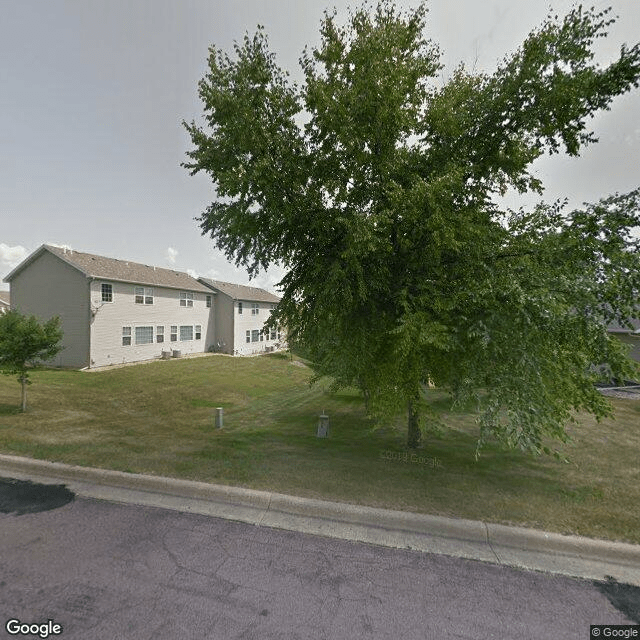
1573 Aspen Dr., Saint Peter, MN 56082
To contact a resident: (507) 357-6444
For more information about senior living options: (866) 208-4318
Bungalows Costs & Pricing
When examining the costs associated with bungalows in Nicollet County, it is evident that these charming homes offer a more affordable alternative compared to broader state averages. For instance, a one-bedroom bungalow is priced at $695 per month, significantly lower than the county's average of $2,492 and the state's average of $2,893. Similarly, two-bedroom bungalows are available for $795 per month, again well below Nicollet County's average rental cost of $2,992 and Minnesota's average of $2,955. This pricing structure not only highlights the financial advantages of opting for a bungalow in this county but also suggests a unique opportunity for residents seeking quality housing without the steep price tag often found elsewhere in Minnesota.
| Floor plans | Bungalows | Nicollet County | Minnesota |
|---|---|---|---|
| 1 Bedroom | $695 | $2,492 | $2,893 |
| 2 Bedrooms | $795 | $2,992 | $2,955 |
Overall Review of Bungalows
Pros
 The rent is very affordable.
- The heat and utilities costs are low.
- The Mayo Health System is nearby.
- The townhomes are clustered with courtyards and small paved areas, offering pleasant outdoor spaces.
- The reviewer liked the place very much.
Cons
 The townhome’s small size was a drawback for the reviewer.
- The reviewer had difficulty adjusting to such a small space after living in a three-bedroom, two-storey home for 45 years.
Review
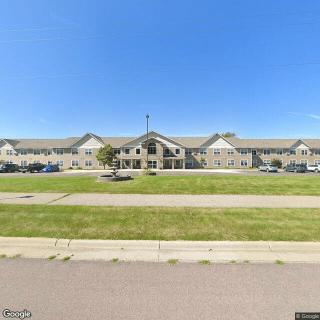
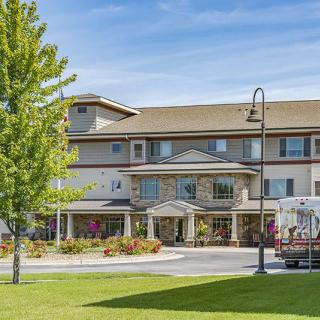
This Saint Peter rental townhome community is best suited for older adults who want clean, low-maintenance living without the commitments of a full-service senior living campus. It works when independence is the core goal and the priority is affordable housing close to key medical resources. The arrangement suits someone who values a straightforward, uncomplicated footprint, easy upkeep, and predictable monthly costs, all while staying near the Mayo Health System for routine care or specialists.
Those considering alternatives should note who this is not for. If on-site care, meals, scheduled activities, transportation services, or the structured support of an assisted living setting are essential, this option falls short. It is not a senior living facility, but a cluster of rental townhomes. Couples who need more space than a compact townhome offers or individuals who anticipate needing increasing levels of assistance in the near term will likely be better served by traditional assisted living, memory care, or other fee-based care arrangements with built-in services.
The strongest positives center on cost, upkeep, and accessibility. Monthly rent is very affordable, and utility and heat costs are modest, which keeps total housing expenses predictable and manageable. The small footprint makes cleaning simple and time-efficient, a practical advantage for seniors who want to minimize daily chores or for households watching every dollar. Proximity to the Mayo Health System is a practical asset, ensuring routine appointments and urgent care are convenient without long commutes. The clustered design with courtyards and small paved areas offers a sense of neighborhood gathering spaces, even if formal programming isn’t built in. These elements collectively offset the absence of on-site care by emphasizing autonomy and easy living.
Yet the core drawback is the compact living space. The townhomes are described as small, which can feel limiting after years in a larger, multi-bedroom home. That size constraint matters when storage is scarce, when mobility aids or family visits require room to maneuver, or when a resident envisions a longer horizon where more space would be beneficial. The absence of a senior living framework means there are no built-in care staff, meals, or organized activity calendars, which can translate into more coordination and planning by family or the resident themselves. In short, the main con is a space-and-service gap that only those prioritizing budget-conscious independence will tolerate.
The key pros offset the main drawbacks for the right household. Affordable rent and modest utilities relieve ongoing financial pressure, a meaningful win for retirees or those living on fixed incomes. The smaller space reduces housekeeping demands and simplifies maintenance, while the proximity to Mayo makes medical access straightforward, which is a recurring need for seniors. The neighborhood-like layout with courtyards supports casual outdoor time and light social interactions without the expectations of a formal community life. For someone who prizes predictable costs, personal autonomy, and proximity to healthcare, these positives can meaningfully outweigh the lack of in-house services.
Recommendation comes into sharp relief when matching a senior’s current and anticipated needs with the realities of this option. This community is well-suited for someone who prioritizes affordability, independence, and easy access to medical care, and who can tolerate a smaller living space without expecting scheduled programming or on-site care. It is less suitable for those who expect assisted living-level support, or who anticipate needing more square footage or structured social and care services in the near term. Prospective renters should clarify floor plans, storage options, and accessibility features, and should realistically map out a plan for meals, transportation, and medical needs. If these factors align with budget and lifestyle, the townhomes can be a solid, low-stress fit; if not, the search should continue toward more comprehensive senior living options.
 Active Adult Communities (55+)
 Cats allowed
 Dogs allowed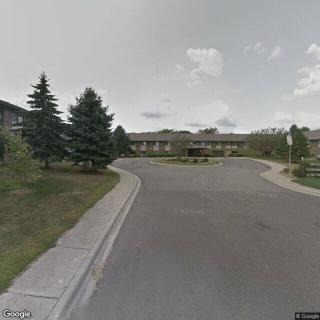


 Home Health Care Demystified: A Comprehensive Guide for Families and Caregivers
 Seniors and Modern Transportation: Exploring Uber, Lyft, and Other Ride-Hailing Options
 Comprehensive Guide to Qualifying for Home Health Care Services