Zumbro House

525 Commons Drive, Woodbury, MN 55125

For more information about senior living options: (844) 490-3973

2.5 from 22 reviews
5 stars
7
4 stars
2
3 stars
0
2 stars
0
1 stars
13

Assisted Living

What level of care are you interested in?

Assisted Living

Memory Care

Independent Living

Skilled Nursing Facility

Continuing Care Retirement Community (CCRC)CCRC

Other


Request a tour at Zumbro House

    Overall Review of Zumbro House

    Pros

    • pro A reviewer was pleasantly surprised by noticeable improvements in care and service quality.
    • pro The reviewer noted knowledgeable, timely responses and genuinely caring staff.
    • pro They mentioned that substantial effort and investment have led to an improved overall experience.
    • pro The reviewer expressed gratitude, saying the staff did a great job and thanking them.

    Cons

    • pro They describe the staff as neglectful, constantly on their phones, and ignoring clients.
    • pro They say management is rude, unresponsive, and unconcerned about residents' safety.
    • pro They report filthy, pest-infested living conditions with mice and cockroaches.
    • pro They claim the facilities are not handicap-friendly and unsafe for residents using canes or walkers.
    • pro They allege personal food and supplies are stolen by both staff and residents.
    • pro They assert residents are assaulted and blamed, with staff failing to report medical events.
    • pro They state the company is money-driven and prioritizes revenue over resident welfare.
    • pro They advise others not to place loved ones there and would give zero stars if possible.

    Review

    Across numerous accounts, residents and their families paint a troubling portrait of care at the Zumbro House facilities, with Bloomington Avenue in Richfield repeatedly singled out for especially harsh experiences. Multiple reviewers describe environments that feel dirty and neglected, where pests - mice and cockroaches - seem to be a persistent problem. In several posts, visitors report staff members who are more addicted to their cell phones than to the people they're supposed to be caring for, making rounds feel minimal or non-existent. One account recalls that, after filing a complaint, a visiting family member was told they would no longer be allowed to visit, a chilling detail that speaks to a broader fear of retaliation rather than accountability. The physical setup itself is described as not being handicap-friendly, with a cane- and walker-using resident left to navigate a space that clearly wasn't prepared to accommodate mobility aids. The combination of filth, pests, and inadequate accessibility creates an impression of a facility that is more neglectful than supportive.

    The negative experiences extend beyond discomfort and inconvenience to touch on emotional and mental harm. Several reviewers describe feeling dehumanized and ignored, with staff who seem to "sit there on their phones" and fail to respond to basic needs such as groceries and meals. The pattern of neglect includes not filling grocery lists, not preparing meals, and even theft of personal food and supplies by both staff and residents. The end result, according to these accounts, is a sense of powerlessness and vulnerability for the people living there, as if basic dignity and safety were routinely sacrificed in the name of cost-cutting or indifference. The management's role in perpetuating this atmosphere is highlighted repeatedly, with critics labeling the leadership as unprofessional and unresponsive to concerns raised by families and residents.

    Personal safety stories, in particular, are devastating. One reviewer describes being assaulted by another resident while living in the house and then being blamed for the incident, ultimately being kicked out while the aggressor remained. The tone conveys a sense of injustice and a system that protects some residents at the expense of others, with heartbreaking implications for the safety and trust families place in such homes. The same reviewer urges others not to put children or adults in this company's care and to look elsewhere - an uncompromising warning that echoes throughout other negative testimonies. The recurring theme is that the owner's demeanor and the management's responsiveness - or lack thereof - can shape whether a resident feels supported or scapegoated.

    Amid the chorus of critiques, there are rare notes of positive change. One reviewer, in particular, describes a substantial shift in approach: improvements in care and service quality, more knowledgeable and timely responses, and staff who appear genuinely caring. This perspective credits deliberate efforts to invest in the resident experience and to raise the standard of care, suggesting that changes are possible even within a system that has drawn sharp, sustained criticism. Nevertheless, this positive voice is framed as a contrast to the overwhelmingly negative experiences shared elsewhere, implying that the facility's trajectory may be inconsistent, with different experiences depending on when and where a resident is placed and who is providing care.

    Several accounts emphasize that the risk is not merely inconvenience but ongoing harm to vulnerable adults. A recurring sentiment is sentimental and urgent: do not allow a loved one to live in any Zumbro House homes. Families express concerns about neglect, emotional manipulation, and a reluctance for staff to involve family members in care discussions. The fear is that residents' needs will be minimized or dismissed, and families will be excluded from information and decision-making. The warnings extend beyond Bloomington-Richfield to all Zumbro House locations, with the implication that similar conditions could be present elsewhere in the network. The overarching message is stark: for those who care about safety and dignity, alternatives should be sought.

    From an administrative standpoint, the reviews raise red flags about management practices and the workplace environment. One critique points to unsafe and unethical conditions for both clients and staff, including the absence of health insurance for employees - a detail that hints at deeper systemic issues. Historical snippets - such as a claim that shoes were locked up in a past facility - add a layer of concern about control, punishment, and the overall culture within the houses. A particularly concerning incident centers on Bloomington-based staff being fired after raising concerns about a seizure one's son experienced, with the family only learning about the seizure after the fact. The implication - supported by subsequent comments - suggests breakdowns in communication, mislabeling of behavior, and a blame-centered response that prioritizes documentation or punishment over the patient's health and safety. Names like Christina and Chris appear in these accounts, underscoring a personal dimension to the grievances and a perception that care decisions can be swayed by personal or administrative loyalties rather than professional standards.

    Taken together, the narratives present a complex picture with a heavy emphasis on risk, neglect, and the human cost of inadequate care. The scattered threads include stories of poor housekeeping and pest problems, inconsistent meal preparation and grocery support, and the pernicious belief that some residents' needs are dismissed or overshadowed by procedural concerns or staff tensions. They also reflect a clear anxiety about who is responsible for safety, how complaints are handled, and whether residents and their families can trust that the care provided is truly in service of their well-being. While a single experience of improvement offers a counterpoint, the majority of voices here converge on a warning: avoid placing loved ones in these homes if possible, and seek care options with documented commitment to safety, transparency, and respectful, responsive support.

    Features

    Housing

    • 21 resident community capacity 21 resident community capacity

    Types of Care

    • Assisted Living Assisted LivingAssisted living facilities provide crucial support and care for seniors who may need help with daily tasks such as medication management, bathing, and meal preparation. These communities offer a safe and comfortable environment where seniors can maintain their independence while receiving the assistance they need to thrive in their golden years.

    Amenities

    • Beauty salon Beauty salonBeauty salons are important for seniors because they provide a space for them to feel pampered, socialize, and maintain their personal grooming and hygiene. Regular visits to a beauty salon can help boost seniors' self-esteem and overall well-being.
    • Cable or satellite TV Cable or satellite TVCable or satellite TV is important for seniors because it provides entertainment, news, and companionship, helping to combat loneliness and boredom. It also offers a wide range of programming options tailored to different interests and preferences.
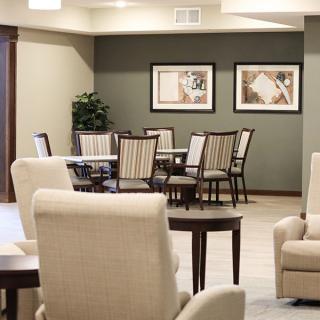
    • Dining room Dining roomDining rooms are important for seniors as they provide a space for socialization, connection, and nutritious meals. They offer opportunities for residents to bond over shared meals, foster a sense of community, and promote healthy eating habits. Dining rooms also ensure that seniors have access to well-balanced meals tailored to their dietary needs and preferences.
    • Fully furnished Fully furnishedFully furnished senior living communities are important for seniors because they provide convenience, comfort, and a hassle-free moving experience. Seniors can easily settle into their new living space without the stress of having to buy and move furniture. This allows them to focus on enjoying their new home and community.
    • Garden GardenGardens are important for seniors as they provide a peaceful and therapeutic environment for relaxation, physical activity, and socialization. Being in nature has been shown to reduce stress, improve mood, and promote overall well-being. Gardens also offer opportunities for seniors to engage in gardening activities, which can improve mobility, flexibility, and cognitive function. Additionally, gardens create a sense of community and connection with others who share a passion for plants and outdoor spaces.
    • Housekeeping services Housekeeping servicesHousekeeping services are important for seniors because they help maintain a clean and safe living environment, promote independence, and reduce the risk of accidents or illnesses. Additionally, having assistance with household chores can alleviate physical strain and allow seniors to focus on other aspects of their well-being.
    • Kitchenette KitchenetteKitchenettes are important for seniors living in senior living communities because they provide the convenience and independence of being able to prepare simple meals and snacks in the comfort of their own living space. This can help promote a sense of autonomy and well-being for seniors, allowing them to maintain some level of control over their dietary choices and daily routines.
    • Move-in coordination Move-in coordinationMove-in coordination is important for seniors because it helps ease the transition into their new living environment. It ensures that all logistics, such as packing, organizing movers, and setting up utilities are taken care of, allowing seniors to focus on settling in and adjusting to their new home. Having a smooth move-in process can alleviate stress and anxiety, making the transition smoother and more enjoyable for seniors.
    • Outdoor space Outdoor spaceOutdoor spaces are important for seniors as they provide opportunities for physical activity, social interaction, exposure to natural light and fresh air, and a sense of connection to nature. Having access to outdoor spaces can improve overall well-being and quality of life for older adults living in senior communities.
    • Telephone TelephoneTelephones are important for seniors as they provide a lifeline for communication with loved ones, emergency services, and healthcare providers. They offer a sense of security and independence, enabling seniors to stay connected and access assistance when needed.
    • Wi-Fi/high-speed internet available Wi-Fi/high-speed internet availableWi-Fi/high-speed internet is important for seniors to stay connected with loved ones, access online resources, and participate in virtual activities to combat feelings of loneliness and isolation. It also allows them to easily manage healthcare needs, access entertainment, and engage in lifelong learning opportunities.

    Transportation

    • Minneapolis-St Paul International (15 miles away) Minneapolis-St Paul International (15 miles away)

    Care Services

    • 24-hour call system 24-hour call system24-hour call systems are important for seniors because they provide peace of mind and immediate assistance in case of emergencies. This technology ensures that help is always available, promoting safety and security for elderly individuals living alone or in assisted living facilities.
    • 24-hour supervision 24-hour supervision24-hour supervision is important for seniors to ensure their safety, well-being, and access to immediate assistance in case of emergencies or health issues. This constant support provides peace of mind for both seniors and their loved ones, allowing them to age in place with dignity and security.
    • Activities of daily living assistance Activities of daily living assistanceActivities of daily living assistance are important for seniors because they provide essential support with tasks such as eating, bathing, dressing, and mobility. This assistance helps seniors maintain their independence, dignity, and overall quality of life as they age.
    • Assistance with bathing Assistance with bathingAssistance with bathing is crucial for seniors as it helps maintain personal hygiene, prevents infections, and ensures their overall well-being and comfort. It also provides a sense of dignity and independence for seniors who may struggle with this task on their own.
    • Assistance with dressing Assistance with dressingAssistance with dressing is important for seniors because it helps maintain their independence, promotes personal hygiene, prevents accidents and injuries, and improves overall quality of life. This service ensures that seniors can continue to dress comfortably and confidently, despite any physical limitations they may have.
    • Assistance with transfers Assistance with transfersAssistance with transfers is crucial for seniors as it helps prevent falls and injuries, maintains their independence, and ensures they can safely navigate their living environment. It also provides peace of mind for both seniors and their loved ones.
    • Coordination with health care providers Coordination with health care providersCoordination with health care providers is crucial for seniors to ensure proper medical care, medication management, and overall well-being. This collaboration helps prevent overlapping treatments, track progress more effectively, and provide comprehensive support tailored to individual needs.
    • Diabetes diet Diabetes dietA diabetes diet is crucial for seniors as it helps manage blood sugar levels, reduce risks of complications, and improve overall health and well-being. By following a balanced and nutritious diet tailored to their specific needs, seniors can better control their diabetes and enhance their quality of life.
    • Meal preparation and service Meal preparation and serviceMeal preparation and service are crucial for seniors as they may have limited mobility or energy to cook nutritious meals. Having access to healthy and convenient food options can ensure they are getting the proper nutrition needed to maintain their overall health and well-being.
    • Medication management Medication managementMedication management is crucial for seniors to ensure they are taking the right medications at the correct dosages and times. This helps prevent adverse drug interactions, reduces the risk of medication errors, and promotes overall health and well-being. Proactive management also allows for adjustments as needed based on changing health conditions or new prescriptions.
    • Mental wellness program Mental wellness programMental wellness programs are essential for seniors as they promote cognitive stimulation, emotional support, and social engagement. These programs help prevent isolation, depression, and cognitive decline, ultimately enhancing the overall quality of life for older adults.
    • Special dietary restrictions Special dietary restrictionsSpecial dietary restrictions are important for seniors because age-related changes in metabolism and health conditions can make it difficult for their bodies to process certain foods. By following a diet tailored to their specific needs, seniors can maintain their overall health and well-being, manage chronic conditions, and reduce the risk of complications such as malnutrition or food interactions with medications.
    • Transportation arrangement (medical) Transportation arrangement (medical)Transportation arrangements for medical purposes are essential for seniors as they may have difficulty driving themselves to appointments or accessing public transportation. Having reliable and safe transportation options ensures that seniors can receive timely medical care and maintain their health and well-being.
    • Transportation to doctors appointments Transportation to doctors appointmentsTransportation to doctors' appointments is crucial for seniors as it ensures they have access to necessary medical care and support for their health needs. Without reliable transportation, seniors may struggle to attend important appointments, leading to potential delays in treatment and health complications. Providing transportation services helps seniors maintain their overall well-being and quality of life.
    Dining

    • Diabetes diet Diabetes dietA diabetes diet is crucial for seniors as it helps manage blood sugar levels, reduce risks of complications, and improve overall health and well-being. By following a balanced and nutritious diet tailored to their specific needs, seniors can better control their diabetes and enhance their quality of life.
    • Special dietary restrictions Special dietary restrictionsSpecial dietary restrictions are important for seniors because age-related changes in metabolism and health conditions can make it difficult for their bodies to process certain foods. By following a diet tailored to their specific needs, seniors can maintain their overall health and well-being, manage chronic conditions, and reduce the risk of complications such as malnutrition or food interactions with medications.

    Activities

    • Community-sponsored activities Community-sponsored activitiesCommunity-sponsored activities are important for seniors as they provide opportunities for social interaction, mental stimulation, and physical activity. These activities can help improve overall well-being, combat loneliness and isolation, and promote a sense of belonging and purpose among older adults.
    • Resident-run activities Resident-run activitiesResident-run activities are important for seniors as they encourage social interaction, creativity, and a sense of autonomy. These activities empower seniors to stay engaged and active in their community while fostering meaningful connections with their peers.
    • Scheduled daily activities Scheduled daily activitiesScheduled daily activities are important for seniors because they provide structure, socialization, mental stimulation, and physical activity. Engaging in regular activities can improve overall well-being and quality of life for seniors living in a community setting.

    Description

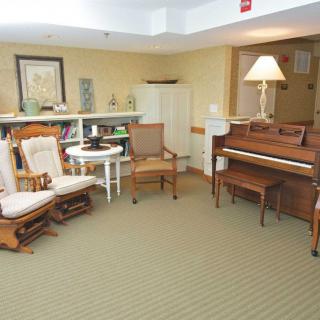
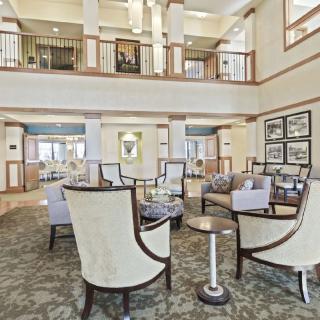
    Zumbro House in Woodbury, MN is an assisted living community that offers a wide range of amenities and care services to ensure the comfort and well-being of its residents. The community provides fully furnished apartments with cable or satellite TV, Wi-Fi/high-speed internet, and telephone services. Residents can enjoy their meals in the dining room or prepare their own food in the kitchenette. Housekeeping services are also provided to maintain a clean and organized living environment.

    At Zumbro House, residents receive 24-hour supervision and assistance with activities of daily living such as bathing, dressing, and transfers. The community also offers medication management and coordination with health care providers to ensure that residents receive the necessary medical care. Special dietary restrictions, including diabetes diets, are accommodated in meal preparation and service.

    To promote mental wellness, Zumbro House has a mental wellness program in place. Resident-run activities and scheduled daily activities provide opportunities for socialization and engagement within the community. Additionally, the community arranges transportation for medical appointments both within Woodbury and to nearby hospitals.

    Conveniently located near various amenities, Zumbro House offers easy access to cafes, parks, pharmacies, physicians' offices, restaurants, places of worship, theaters, and hospitals. This ensures that residents have access to various services and recreational options within close proximity.

    Overall, Zumbro House in Woodbury provides a comfortable living environment with comprehensive care services to meet the unique needs of each resident while promoting an active and fulfilling lifestyle.

    Nearby Places of Interest

    Restaurants

    • Tamarack Tap Room (0.2 miles)
    • Raising Cane's Chicken Fingers (0.2 miles)
    • Portillo's Hot Dogs (0.3 miles)
    • McDonald's (1.2 miles)
    • The Tavern Grill (1.3 miles)
    • Culver's (1.3 miles)
    • Arby's (1.3 miles)

    Physicians

    • Minnesota Gastroenterology PA (0.2 miles)
    • TRIA Orthopaedic Center (0.5 miles)
    • Pediatric and Young Adult Medicine (0.7 miles)
    • High Pointe Surgery Center (0.7 miles)
    • Danielson Jennifer Dr Healthpartners Regions Behavioral Health Woodbury Lake Elmo (0.8 miles)
    • Pediatric Surgical Associates (1.2 miles)
    • David Thao, MD (2 miles)

    Pharmacies

    • CVS Pharmacy (0.2 miles)
    • Walgreens (1.7 miles)
    • CVS Pharmacy (2.1 miles)
    • Mix Compounding Pharmacy (2.2 miles)
    • Walgreens (3 miles)
    • Target Pharmacy (3.9 miles)
    • Walgreens (4.6 miles)

    Theaters

    • Alamo Drafthouse Woodbury (0.5 miles)
    • Oakdale Cinema Oakdale, Mn (6.6 miles)

    Parks

    • Kargel Park (0.8 miles)
    • Ojibway Park (2.5 miles)
    • Fairway Meadows Park (2.6 miles)
    • Eastside Park (2.6 miles)
    • Woodbury Dog Park (5.2 miles)
    • Rotary Park (5.9 miles)
    • Meadow Grass Park (6.5 miles)

    Cafes

    • Starbucks (1.3 miles)
    • Caribou Coffee (7.5 miles)

    Places of Worship

    • Eagle Brook Church - Woodbury Campus (2.5 miles)
    • Transfiguration Catholic Church (3.2 miles)
    • Five Oaks Community Church (4 miles)
    • Cottage Grove United Church of Christ (6.9 miles)

    Hospitals

    • Woodwinds Health Campus-Woodbury (2.6 miles)
    • St John's Hospital-Maplewood (7.9 miles)

    Transportation

    • Union Depot (7.6 miles)

    Frequently Asked Questions

    Where is Zumbro House?

    Nearby Communities

    Related Resources

    • assisted living vs skilled nursingExploring the Contrasts Between Assisted Living and Skilled Nursing

      The article compares assisted living and skilled nursing facilities, detailing their differing levels of assistance, medical support, cost structures, and day-to-day experiences. It emphasizes that assisted living is for those needing help with daily activities while maintaining independence, whereas skilled nursing facilities provide intensive medical care with 24-hour staff supervision.

    • when to move from assisted living to nursing home8 Key Indicators That Suggest It May Be Time to Transition from Assisted Living to Skilled Nursing Care

      The transition from assisted living to skilled nursing care is often prompted by complex medical needs that assisted living cannot meet, with key indicators including frequent health declines, increased falls, severe memory issues, and caregiver burnout. Families should recognize these signs early to discuss options with healthcare providers and prepare for the emotional and logistical aspects of moving to a facility that offers comprehensive medical support.

    • active senior livingVibrant Senior Living: A Comprehensive Guide for Active Older Adults

      Vibrant Senior Living emphasizes active senior living communities that promote independence and engagement through diverse amenities and activities, fostering wellness and social interaction among older adults. These communities range from independent to assisted living, with a focus on personal growth, family involvement, financial planning, and leveraging technology to enhance residents' experiences.


    Get Pricing Ask A Question Schedule A Tour Contact Senior Advisor