
1824 Buerkle Road, White Bear Lake, MN 55110
For more information about senior living options: (866) 208-4318
Overall Review of Suite Living Senior Management
Pros
 Suite Living's staff and leadership go above and beyond for residents and families.
- Every client they've placed has been incredibly happy and well cared for.
- This community truly feels like home.
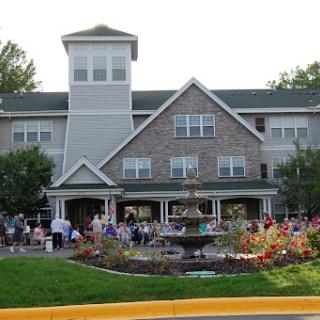
- The facility is beautiful and convenient, with friendly staff and delicious, hot food.
- Suite Living is expanding with new buildings around the Twin Cities.
Cons
 There is a high turnover of workers.
- Staff are underpaid.
- Rooms are dirty.
- A resident rings for morning medications but does not receive them.
- There is a lack of oversight and supervision, with staff on their phones and sleeping during shifts.
- Medications were not administered in a timely manner.
- There were feces on the floor and a resident sitting in urine.
- Gloves were not worn and hand hygiene was not performed before and after medication administration.
- Urine was dumped down the bathroom sink, and the sink smelled like urine.
- Morphine was not administered correctly; a resident choked in her final hours.
Review
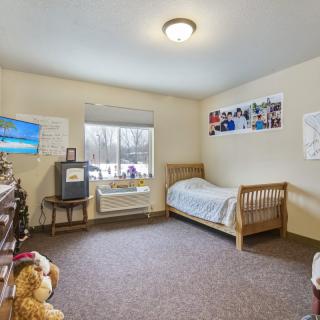
Suite Living Senior Management in White Bear Lake is best suited for families chasing a warm, home-like atmosphere in a modern, convenient setting, where leadership and staff can demonstrate genuine dedication when operations run smoothly. It appeals to residents who value a community that feels approachable, with aesthetically pleasing suites and a dining experience described as tasty and consistently hot. For families willing to supervise care closely and advocate actively, this community can deliver meaningful companionship and a sense of belonging in the right moments.
The strongest positives emerge when operations are steady and staff engagement is high. Reviewers repeatedly note that the staff and leadership have the capacity to go above and beyond for residents and families, with stories of residents feeling well cared for and a consistent emphasis on person-centered attention. The facility’s beauty and location are repeatedly cited as advantages, and several accounts highlight friendly staff and enjoyable meals. There is also a sense that the organization is financially active and expanding, which can translate into continually improving amenities and updated spaces.
Yet significant concerns shadow these strengths. A recurring theme is high staff turnover and indications that compensation or staffing levels may be insufficient to sustain consistent care. Multiple accounts describe dirty rooms, lapses in basic hygiene, and medication administration problems, including delays and improper handling. One review paints a stark picture of oversight gaps, with staff appearing distracted by phones, and management responses that seemed insufficient to address ongoing problems. The most troubling testimony details instances of soiled conditions, urine exposure, and questions about how medications, especially hospice-level regimens, were managed, including perceived miscommunication about care plans and delayed responses to urgent needs.
In weighing pros and cons, the warmth of a home-like environment and the appeal of a well-maintained building do offset some anxiety about the facility’s smoother days. When the care team is aligned, families experience responsive communication, a pleasant dining environment, and the reassurance that a friendly culture exists within the halls. However, the durability of these positives is contingent on consistent staffing stability, rigorous supervision, and a proven track record of timely, competent care, areas where the negatives raise serious flags for residents with higher or more complex medical needs. The gaps in oversight and the reported lapses in basic care create a meaningful risk that can erode trust for families during the most vulnerable chapters of a loved one’s life.
Families evaluating Suite Living should demand concrete assurances before move-in. Ask for the current caregiver-to-resident ratio, direct contact protocols with supervisors, and a guaranteed med-pass schedule with accountability. Request a tour during peak activity periods, mealtime and medication times, to observe caregiver presence, glove use, and hand hygiene. Seek recent, independent care assessments and a clear, written escalation path for concerns. Probe housekeeping standards, room cleanliness, and incident reporting history. And check references from residents and families who can speak to consistency of care across shifts, particularly for residents requiring hospice or palliative support. If a community can demonstrate stable staffing, rigorous training, and transparent, proactive management of issues, it becomes much more viable.
Overall, this community presents a nuanced choice. It can be a good fit for families seeking a comforting, neighborly environment with a strong emphasis on resident and family relationships, provided there is disciplined oversight and a solid plan to sustain consistent, high-quality care. For those whose priorities center on unwavering clinical reliability, meticulous medication management, and consistently spotless conditions, alternatives with proven staffing stability and demonstrably lower incident rates should be pursued. The decision hinges on whether the operating gaps can be addressed through vigilant family advocacy and a clearly articulated, enforceable care framework.
 21 resident community capacity
 Assisted Living
 Beauty salon
 Cable or satellite TV
 Dining room
 Fully furnished
 Garden
 Housekeeping services
 Kitchenette
 Move-in coordination
 Outdoor space
 Telephone
 Wi-Fi/high-speed internet available
 Minneapolis-St Paul International (14 miles away)
 24-hour call system
 Activities of daily living assistance
 Assistance with bathing
 Assistance with dressing
 Assistance with transfers
 Diabetes diet
 Meal preparation and service
 Medication management
 Mental wellness program
 Special dietary restrictions
 Transportation arrangement (medical)
 Transportation to doctors appointments




 Senior Transition Services: Understanding Their Role, Cost, and Importance
 Exploring the Path to Senior Living: A Comprehensive Look at Independent Living and Assisted Living
 Is Assisted Living Deductible on Your Taxes? Understanding the Complexities of Assisted Living Expenses and Deductions