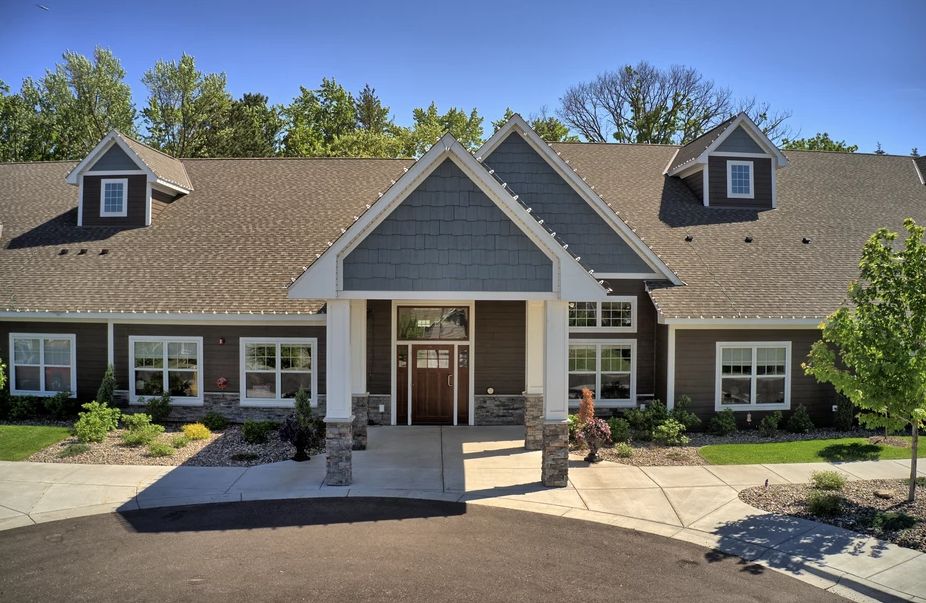

2740 Rice Street, Little Canada, MN 55113
For more information about senior living options: (866) 208-4318
Overall Review of Suite Living Senior Care - Little Canada
Pros
 The caregivers are all wonderful.
- The nursing staff is excellent.
- Facility management is fantastic.
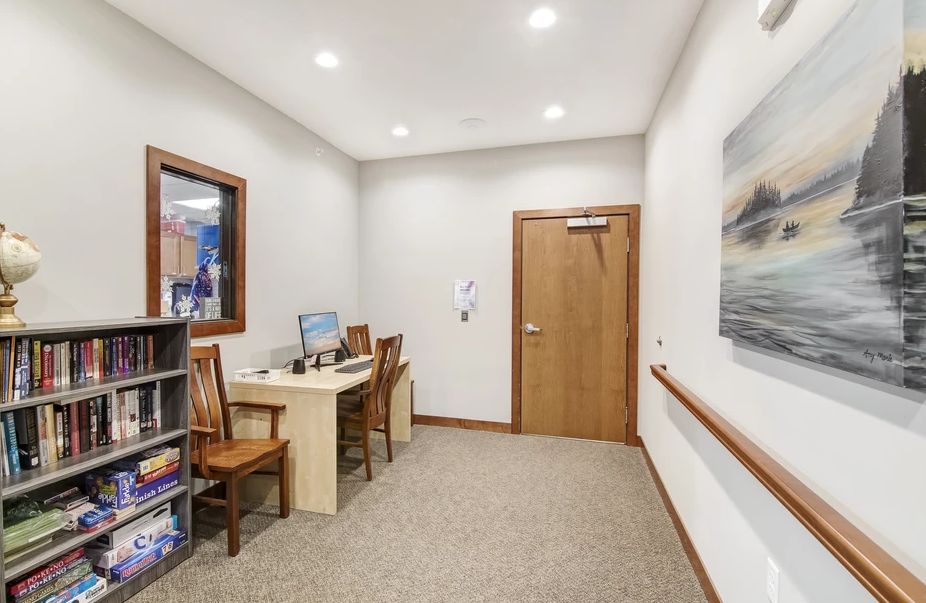
- The activities director does a lot to keep residents entertained.
- The housekeeper is an exceptionally caring person.
- Suite Living of Little Canada is an absolutely wonderful community.
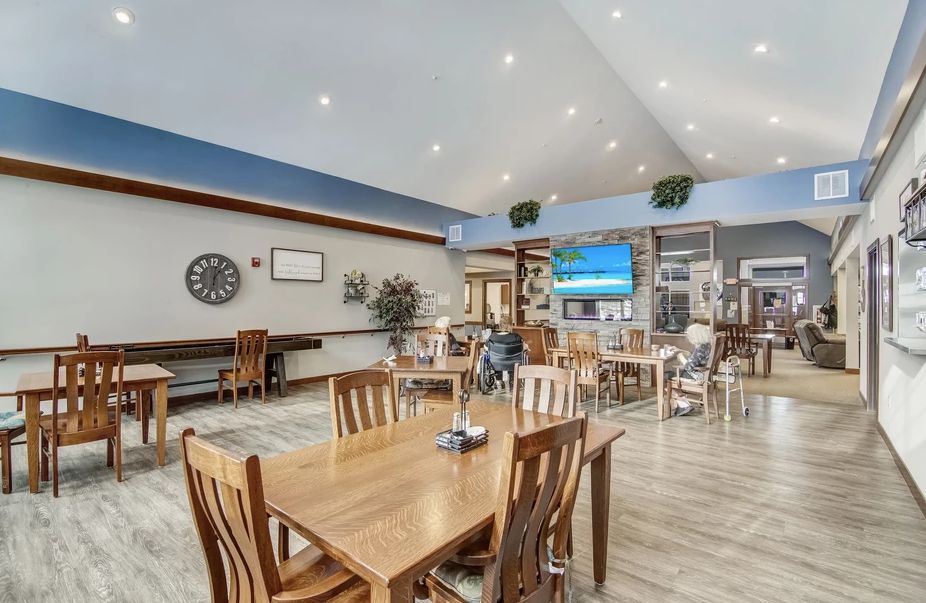
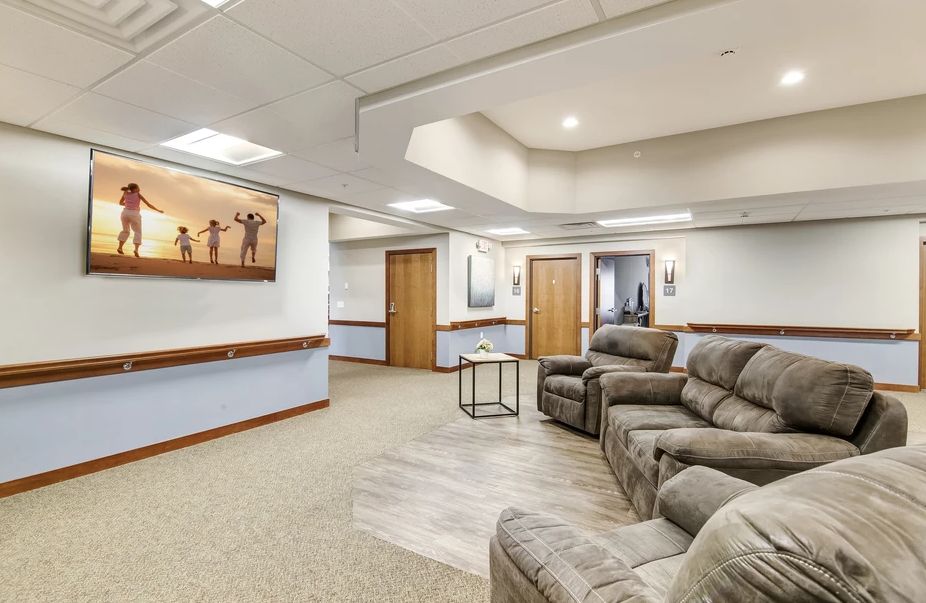
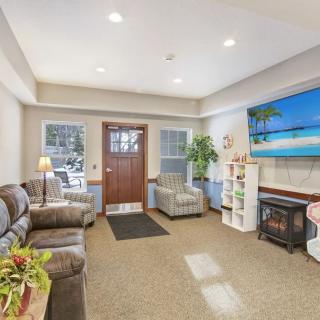
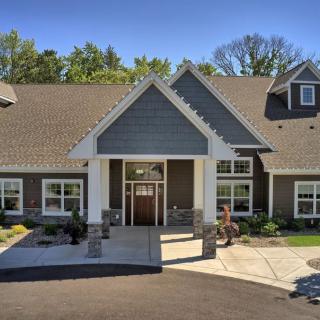
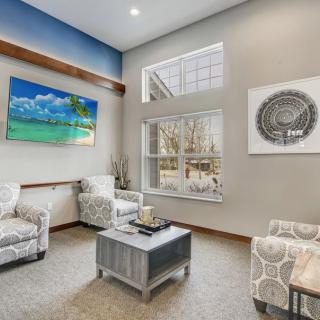
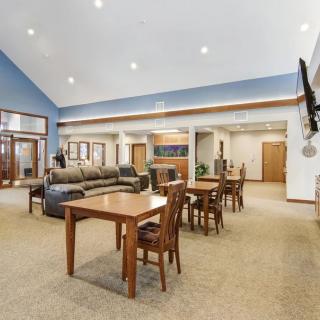
- The atmosphere is warm, friendly, and inviting, and the building is kept clean.
- The residents are well taken care of.
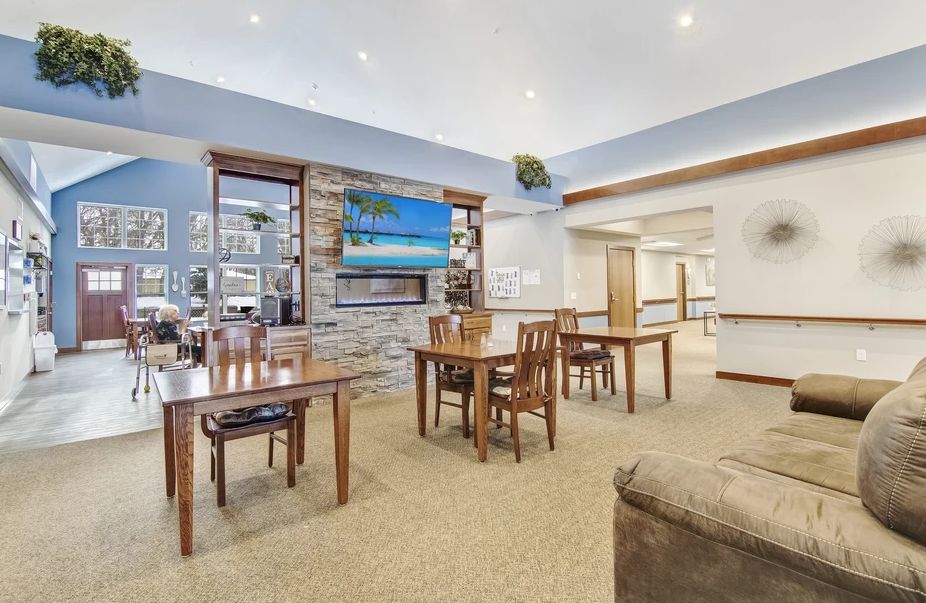
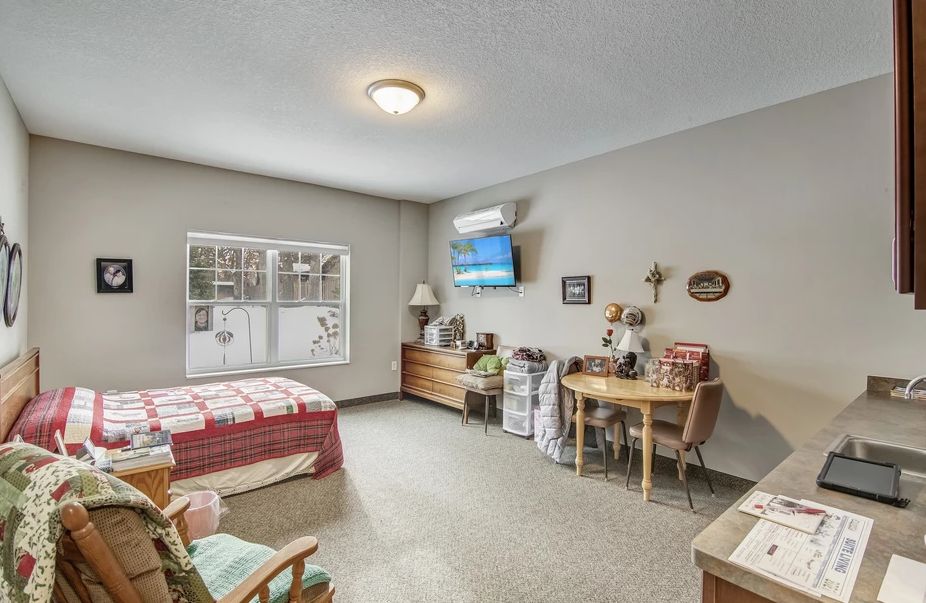
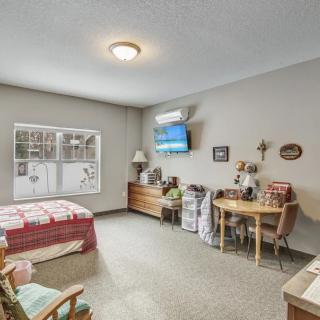
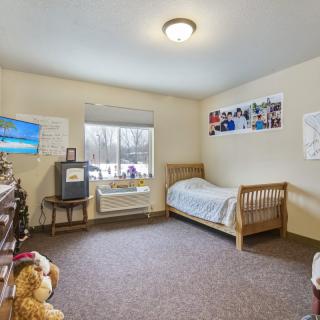
- Spacious rooms and daily activities make it a great place to call home.
Cons
 The reviewers say the care was inconsistent and failed to meet basic needs for their aunt.
- They describe price increases of about 30% to almost $10,000 per month as unacceptable given the care provided.
- They state the staff couldn’t be trusted to care for their aunt properly without constant supervision.
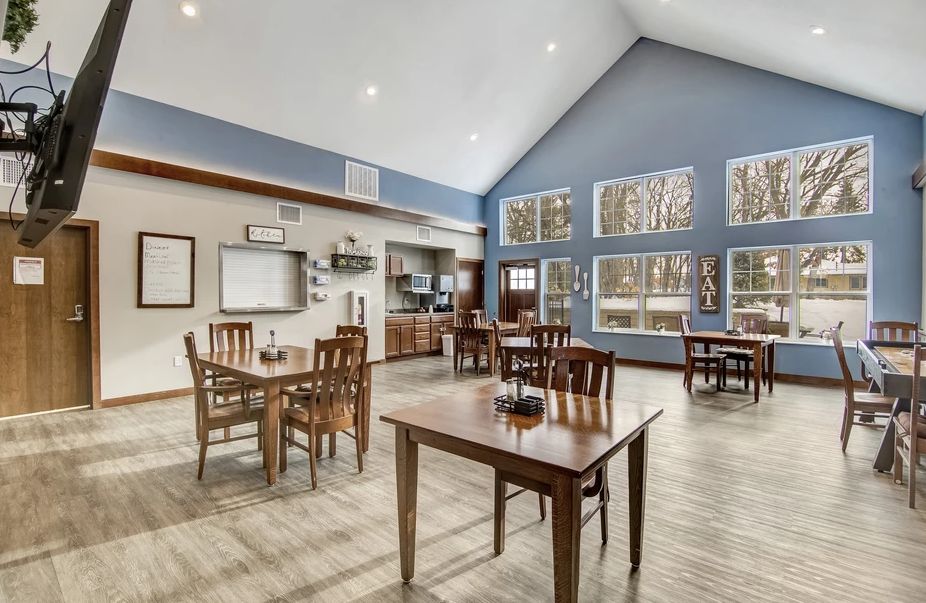
- They claim the food was terrible, of gas-station quality, with repeated serving of items the aunt couldn’t eat and few proactive alternatives.
- They report the rooms were filthy, with poop and urine left on the toilet for days, dusty conditions, and unwashed sheets.
- They note poor hydration care, with no ice maker on memory care and inconsistent ice water service.
- They highlight medication issues, including meds not given reliably or on time and lack of communication when the aunt was ill.
- They point to staffing problems, including high turnover and staff on phones rather than attending to residents.
- They conclude they would not recommend the facility, especially given the price.
Review
Suite Living Little Canada is best suited for families seeking a warm, home-like atmosphere with engaging daily programming and responsive, personable staff. The community tends to reward residents who thrive on social interaction, roomier accommodations, and a setting where a kitchenette in the apartment makes self-directed meals feasible. It can be a comfortable fit for someone who doesn’t require relentlessly strict medical oversight and who appreciates visible care and housekeeping that keep common areas well kept. In short, it serves well for those who want a friendly, active environment and are comfortable with a level of oversight that invites regular family involvement to fill gaps when needed.
Yet this is not a universal match, and several realities merit careful scrutiny. Those with significant memory-care needs, fragile health, or complex, tightly scheduled medical routines will want to weigh alternatives more heavily. Price sensitivity matters here too: reports of rates approaching $10,000 a month intensify the need for consistently reliable service. Families should be cautious about relying on a facility where care quality appears uneven and where the ability of staff to sustain consistent attention to each resident may vary. In short, price plus care variability makes alternatives worth comparing for anyone prioritizing rigorous, incident-free daily care.
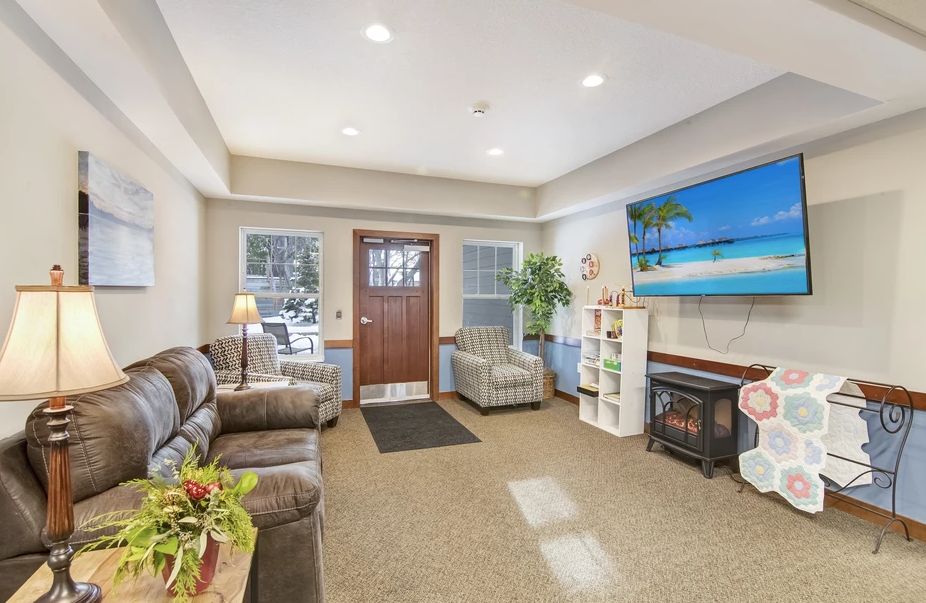
On the upside, when care teams function thoughtfully, there is clear, tangible value. Several residents and families praise attentive nursing oversight, a capable activities director, and housekeeping staff who genuinely care. The atmosphere is described as welcoming and homey, with some reviewers noting stable, long-tenured staff and a level of warmth across frontline caregivers that translates into meaningful day-to-day interactions. The rooms are described as spacious, and the presence of a pet-friendly policy with room for a visiting cat is cited as a meaningful differentiator for many families. For residents who can leverage these strengths, especially those who value social engagement and a lively activities calendar, the positives can offset occasional missteps.
Where the day-to-day gaps appear most clearly are in essential, safety-critical areas: memory-care stability, hydration management, medication timing, and room cleanliness. Several reviews recount instances of delayed or missed medications, dehydration concerns, and rooms that were not consistently maintained, with cleanliness slipping in private spaces even when common areas looked acceptable. Staff turnover and frequent leadership changes compound these risks by reducing continuity of care, especially during night hours or weekends. When those vulnerabilities align with a resident’s medical fragility or a family’s capacity for vigilant oversight, the balance clearly tilts toward caution rather than celebration.
Families evaluating Suite Living Little Canada should enter armed with concrete expectations and a plan for verification. Ask for a detailed, memory-care-specific staffing profile, including nurse-to-resident ratios by shift, and request a tour of the memory-care area at various times to observe tone, attentiveness, and responsiveness. Review the meal program in depth, request sample menus, note how dietary restrictions are implemented, and confirm there is a predictable alternative when a preferred item is not available. Require a transparent mechanism for reporting missed medications or hydration checks, and insist on getting evidence of a reliable housekeeping cadence in private rooms. Finally, demand a trial period or a clear escalation pathway if care gaps reappear.
Alternatives should be weighed when memory-care needs, medical complexity, or an insistence on impeccable daily consistency are non-negotiable. Some families may find stronger value in facilities with higher staff-to-resident ratios, tighter dietary controls, and more transparent incident reporting. Others may prefer smaller, family-owned communities or specialized memory-care campuses that emphasize steady leadership and proactive problem-solving. For residents who need extensive medical management or who simply require unwavering reliability, exploring options with demonstrable QA processes, longer-tenured caregiving teams, and consistently clean private spaces can yield a markedly better fit.
In the end, Suite Living Little Canada can be a strong choice for the right resident, one who appreciates a lively, personable environment and can rely on regular family oversight to safeguard consistency. It is less ideal for those who demand flawless memory-care execution, predictable daily routines, and impeccably maintained private living spaces without ongoing family advocacy. Families choosing this community should proceed with a structured due-diligence plan, insist on clear performance metrics, and compare against alternatives that emphasize steadier staffing, rigorous medication and hydration protocols, and demonstrable, evidence-based quality control. With that approach, the decision becomes grounded in concrete expectations and real-world capacity to deliver consistent, compassionate care.
 22 resident community capacity
 Studio apartments
 Assisted Living
 Memory Care
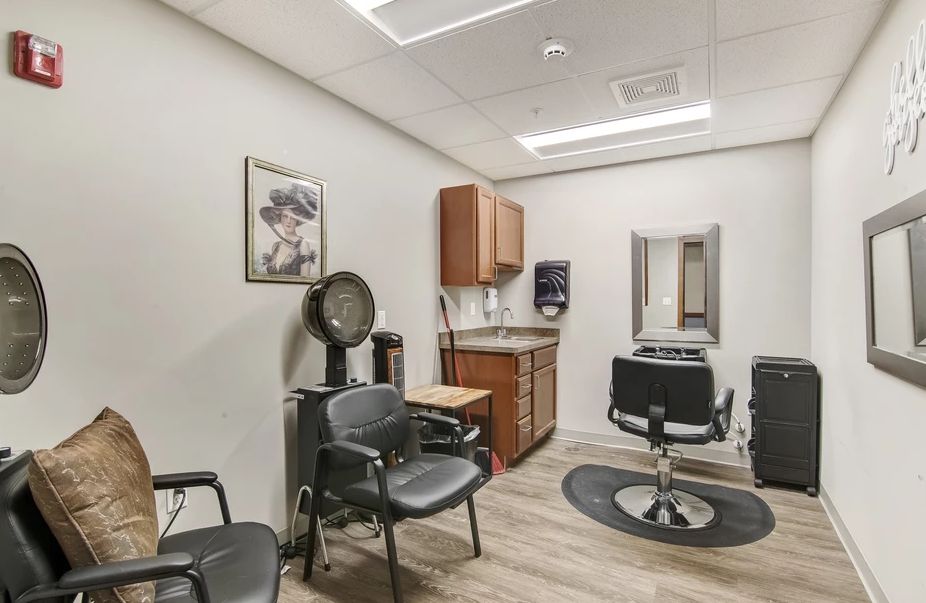
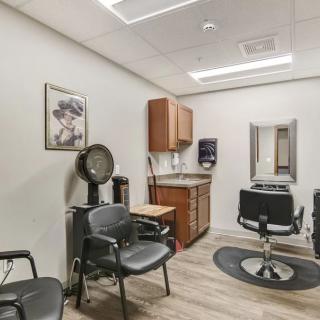
 Beautician on-site
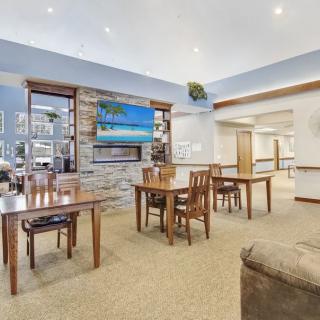
 Cable or satellite TV
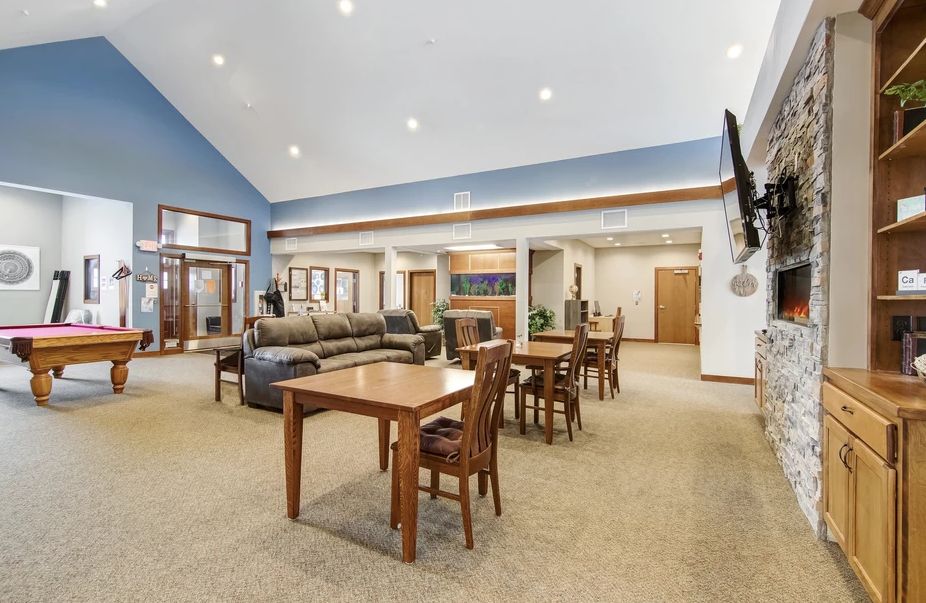
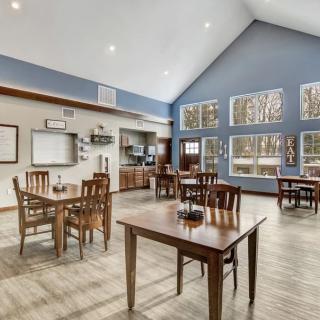
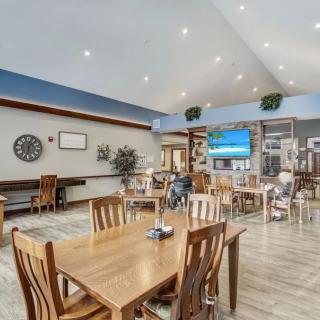
 Dining room
 Fully furnished
 Garden
 Housekeeping services
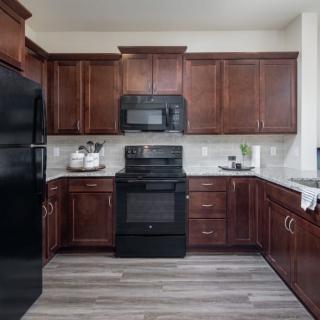
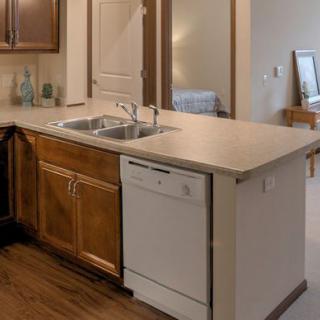
 Kitchenette
 Move-in coordination
 Outdoor space
 Respite or short term stays offered
 Telephone
 Wi-Fi/high-speed internet available
 Minneapolis-St Paul International (11 miles away)
 24-hour call system
 Activities of daily living assistance
 Assistance with bathing
 Assistance with dressing
 Assistance with transfers
 Diabetes diet
 Hospice waiver
 Meal preparation and service
 Medication management
 Mental wellness program
 Special dietary restrictions
 Transportation arrangement (medical)
 Transportation to doctors appointments


 A Holistic Dementia Care Guide: Effective Strategies for Memory Support
 Memory Care Pathways: A Holistic Guide to Dementia Support
 Comprehending Evening Confusion in Dementia: Causes, Manifestations, and Support