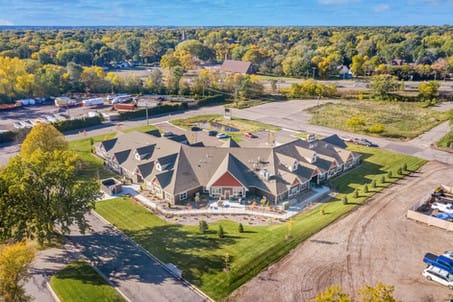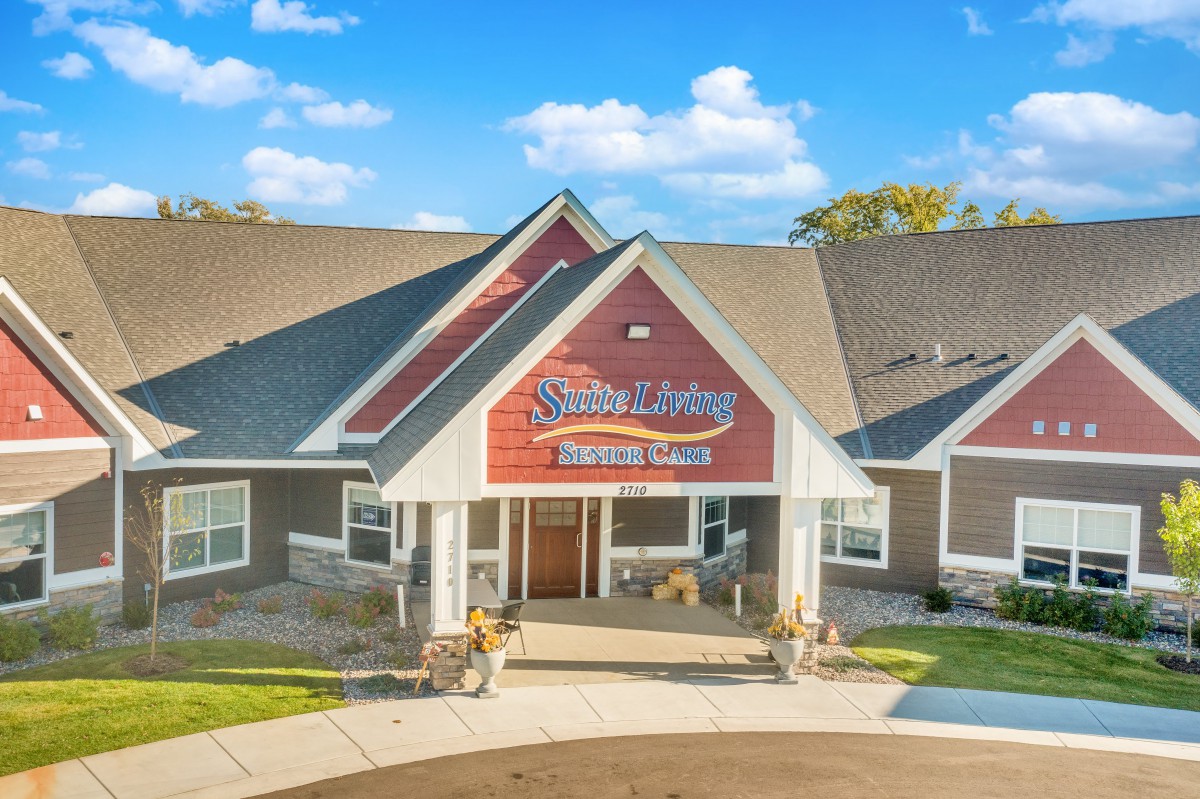
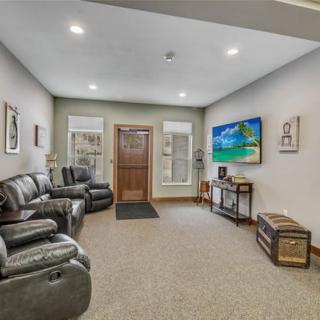
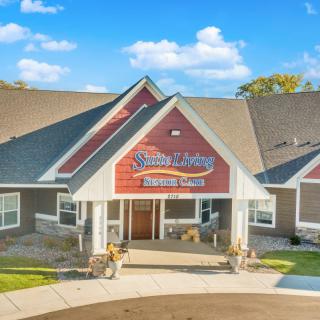
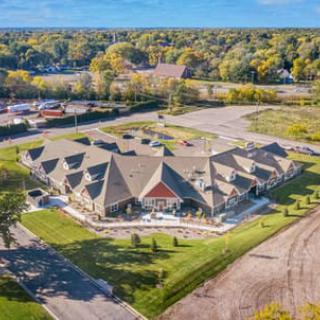
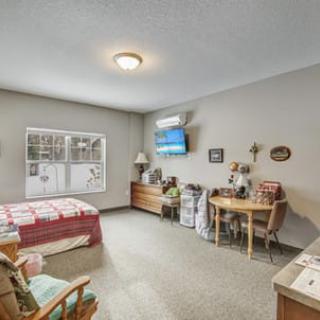
2710 13th Ave E, North St Paul, MN 55109
To contact a resident: (651) 424-0081
For more information about senior living options: (866) 208-4318

Suite Living - North St. Paul Costs & Pricing
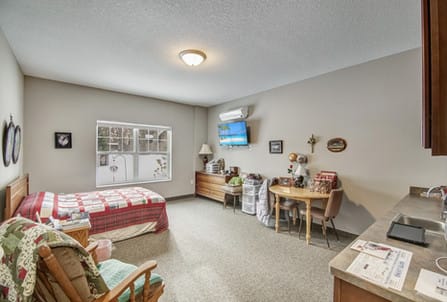
Suite Living in North St. Paul offers a premium living experience with a monthly cost of $7,700 for a studio suite, which significantly exceeds both the county and state averages. In Washington County, the average monthly cost for similar accommodations is approximately $4,066, while the state of Minnesota sees an average of $3,617. This marked difference indicates that Suite Living positions itself as a higher-end option within the market, likely providing enhanced amenities and services to justify the elevated price point.
| Floor plans | Suite Living - North St. Paul | Washington County | Minnesota |
|---|---|---|---|
| Studio | $7,700 | $4,066 | $3,617 |
Memory care communities with a similar price nearby
-
from -$700 / mo
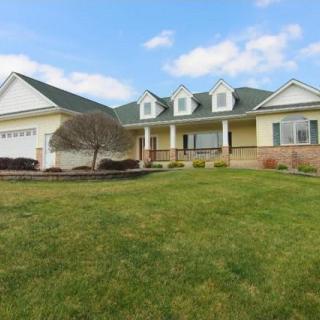
September Cottage Eldercare
$7,000 / month18.2 miles away -
About the same
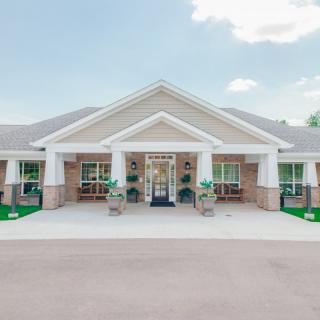
Artis Senior Living of Woodbury
$7,650 / month7.4 miles away -
About the same
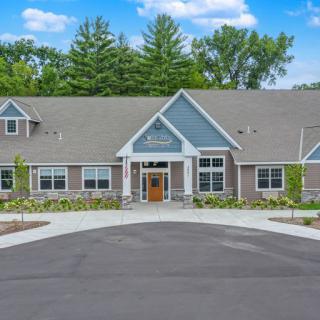
Suite Living of Crystal
$7,900 / month16.5 miles away -
from +$1300 / mo

English Rose Suites Chestnut Hills Home
$9,000 to $14,725 / month23.0 miles away -
from -$1450 / mo
White Pine Senior Living - Cottage Grove II
$6,250 / month12.6 miles away
Overall Review of Suite Living - North St. Paul
Pros
 It is described as the best place to live, with very caring staff meeting residents' needs.
- Suite Living of North Saint Paul has an awesome team of staff to take care of loved ones.
- The community is welcoming and supportive, with great attitudes.
- It offers a warm and welcoming atmosphere where each resident is truly known and treated as part of the family.
- The team goes above and beyond for residents.
- Staff actively work with families to transition loved ones quickly to the appropriate care location.
- It receives high praise and strong recommendations from residents.
Cons
 They should not place a loved one there, as the head staff do not care about the residents.
Review
Suite Living - North St. Paul is best suited for seniors who want a warm, intimate, community-focused environment where staff know residents well and care feels personal. This is the setting for families that value relationship-based care, steady daily contact with a tight-knit team, and a “small-town feel” within a North St. Paul location. It works especially well for residents who thrive on a sense of belonging, and for families who prioritize accessibility to staff and a home-like atmosphere over a large, bustling campus. With a proven track record of a strong, supportive staff, this community appeals to those who want caregiving to feel like a sustained relationship, not just a service.
Alternatives become worth considering for anyone whose priorities include deeper medical acuity, broader rehabilitation options, or a campus with more extensive programming and formal oversight. Some families may discover that the scale of a smaller home limits the range of on-site therapies or activities, or that leadership responsiveness varies. In particular, those who require high-level skilled nursing, aggressive care management, or consistently demonstrated administrative accountability may want to compare with larger providers or nearby communities that offer more structured escalation paths and a wider network of resources.
The strongest positives hinge on people. Reviewers repeatedly highlight an awesome team of staff who are described as welcoming, caring, and genuinely attentive to residents’ needs. The atmosphere feels warm and inclusive, with residents who are “truly known” and treated like part of a family. The small facility design reinforces this intent, enabling staff to maintain close relationships and to notice subtle shifts in well-being. The sense of community is not accidental; it’s cultivated by a team that consistently goes above and beyond, and that reputational footprint is what anchors many families during the difficult choosing process.
Yet there is a clear caution from the care team’s leadership edge. One review bluntly states that head staff don’t care about residents, signaling a potential leadership or accountability gap that could color daily experiences if not addressed. While the majority of feedback is exceptionally positive, this singular critique should not be dismissed. It points to the importance of observing leadership presence, responsiveness, and problem-solving during tours and in conversations with staff. Prospective families should ask direct questions about problem resolution, transparency in care planning, and how concerns are escalated and tracked.
When the pros are weighed against the cons, the balance tilts toward a practical trust in the warmth and continuity of care, tempered by a vigilant eye on leadership effectiveness. The key advantages, personalized attention, a genuine sense of belonging, and a staff culture that routinely goes the extra mile, address many of the anxieties families have about placement. The potential downside, largely embodied in concerns about leadership accountability, can be mitigated by ample opportunity to meet the administrator, tour the facility with a critical eye toward how issues are handled, and assess the consistency of staffing on shifts. In short, the daily lived experience tends to align with the strongest reviews, provided leadership engagement remains solid and residents’ care plans stay visible and responsive.
For families actively weighing options, a practical path is to schedule a multi-faceted visit. Observe care delivery in real time, request a sample care plan, and ask about staffing ratios and access to on-site therapies. If possible, speak with residents and family members from both Suite Living North St. Paul and the sister site in Vadnais Heights to gauge consistency in culture and care expectations. The anecdote about successfully coordinating a move for a loved one to a sister facility underscores the brand’s overarching ability to mobilize resources quickly when needs change. For those who prize close-knit, attentive care and a home-like environment, Suite Living North St. Paul is a compelling choice, yet for those whose criteria center on aggressive medical oversight and a broader, more impersonal campus experience, exploring alternate options is prudent.
 Assisted Living
 Memory Care
 Activities off-site
 Air-conditioning
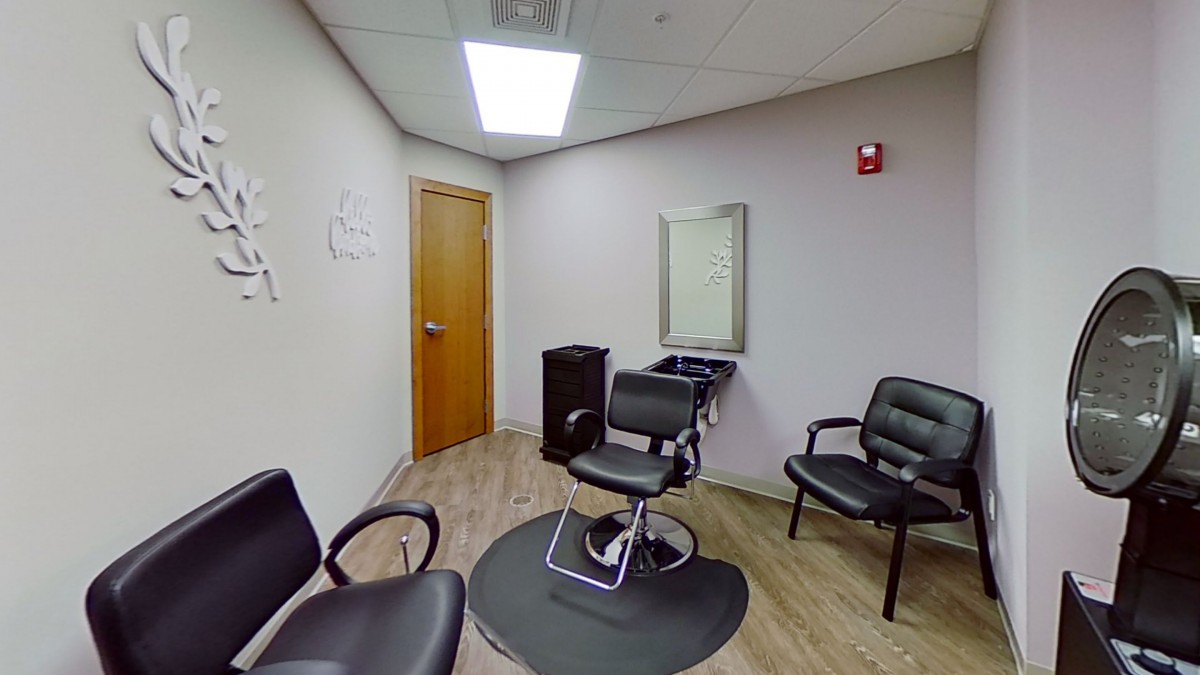
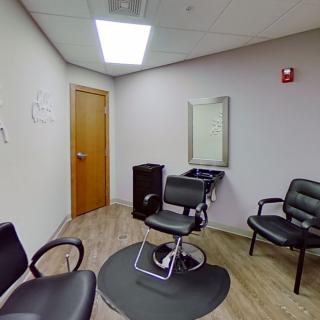
 Beautician on-site
 Cable or satellite TV
 Devotional services on-site
 Ground floor units
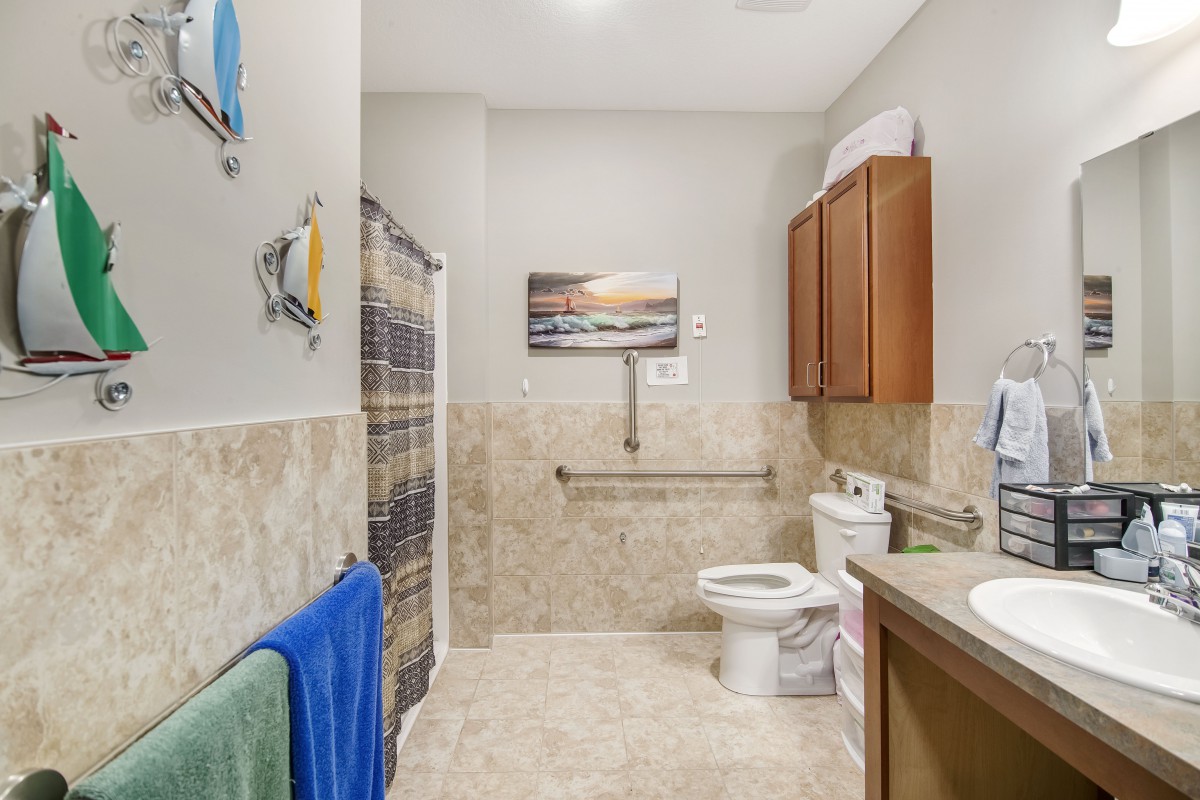
 Handicap accessible
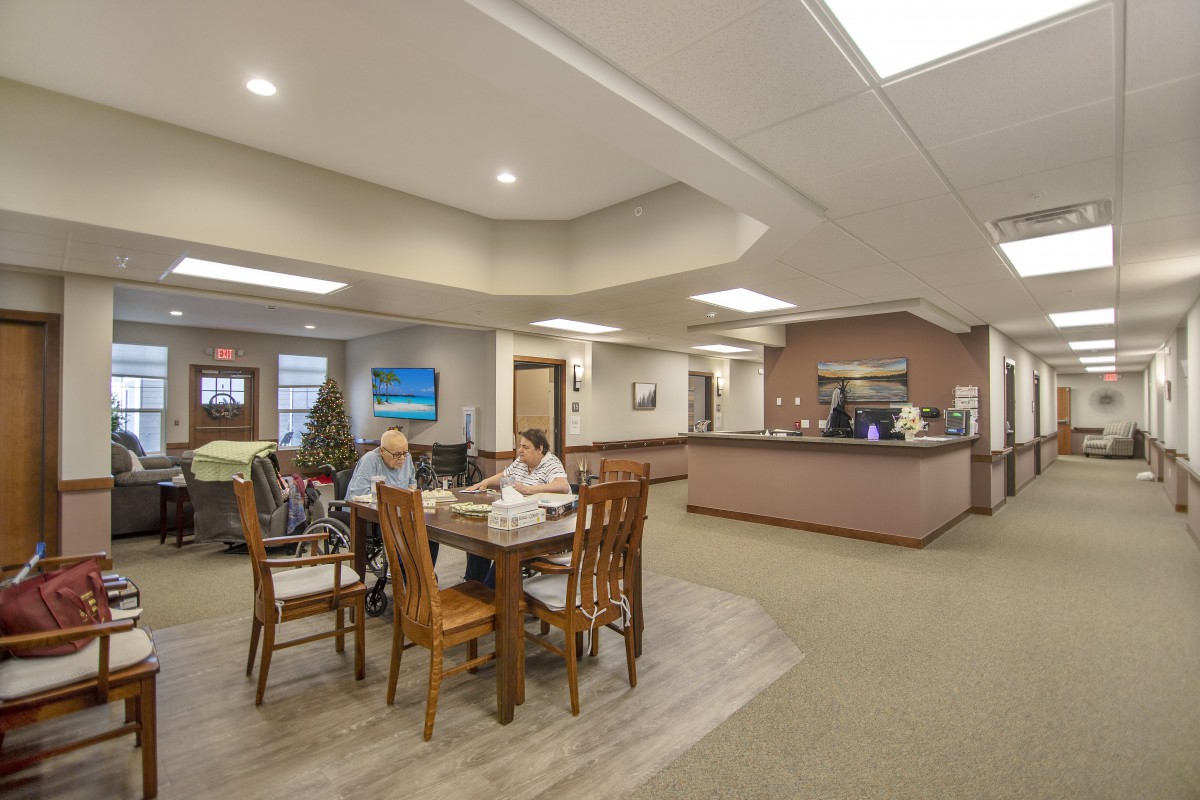
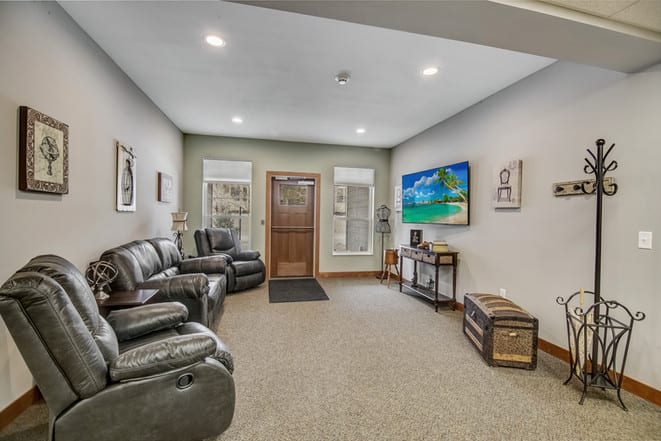
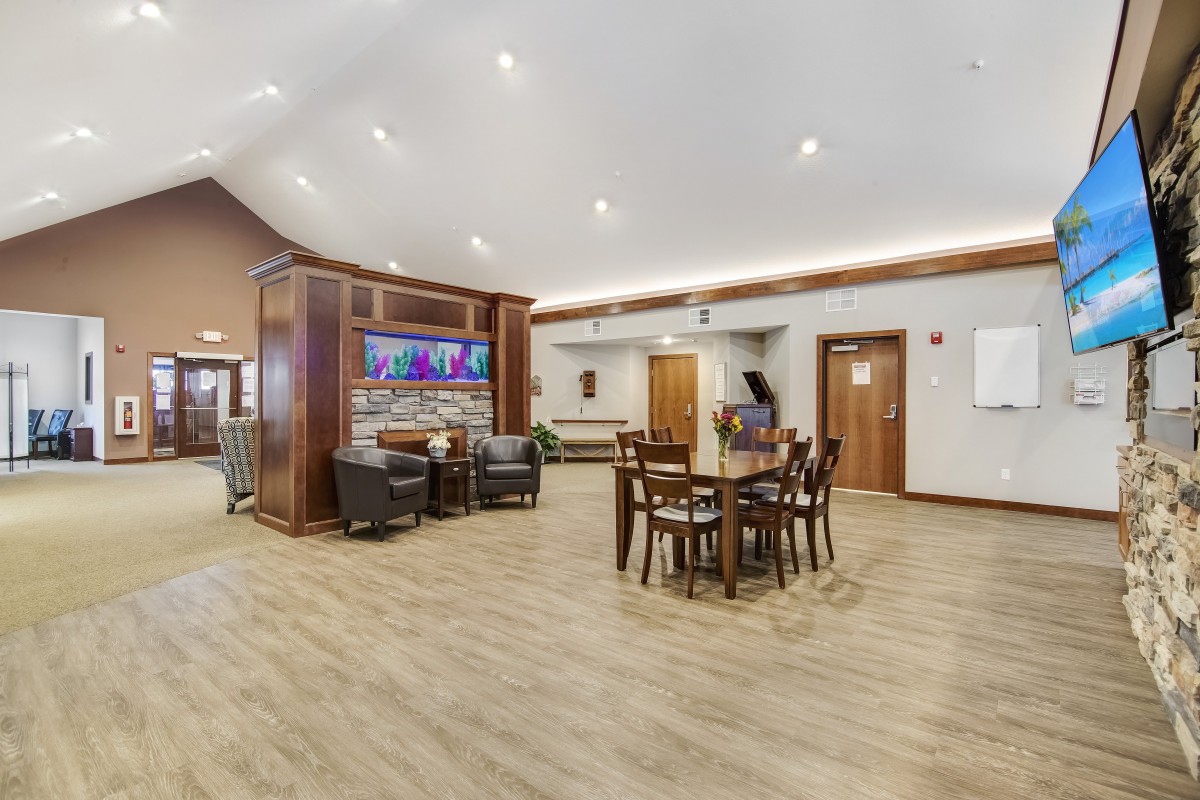
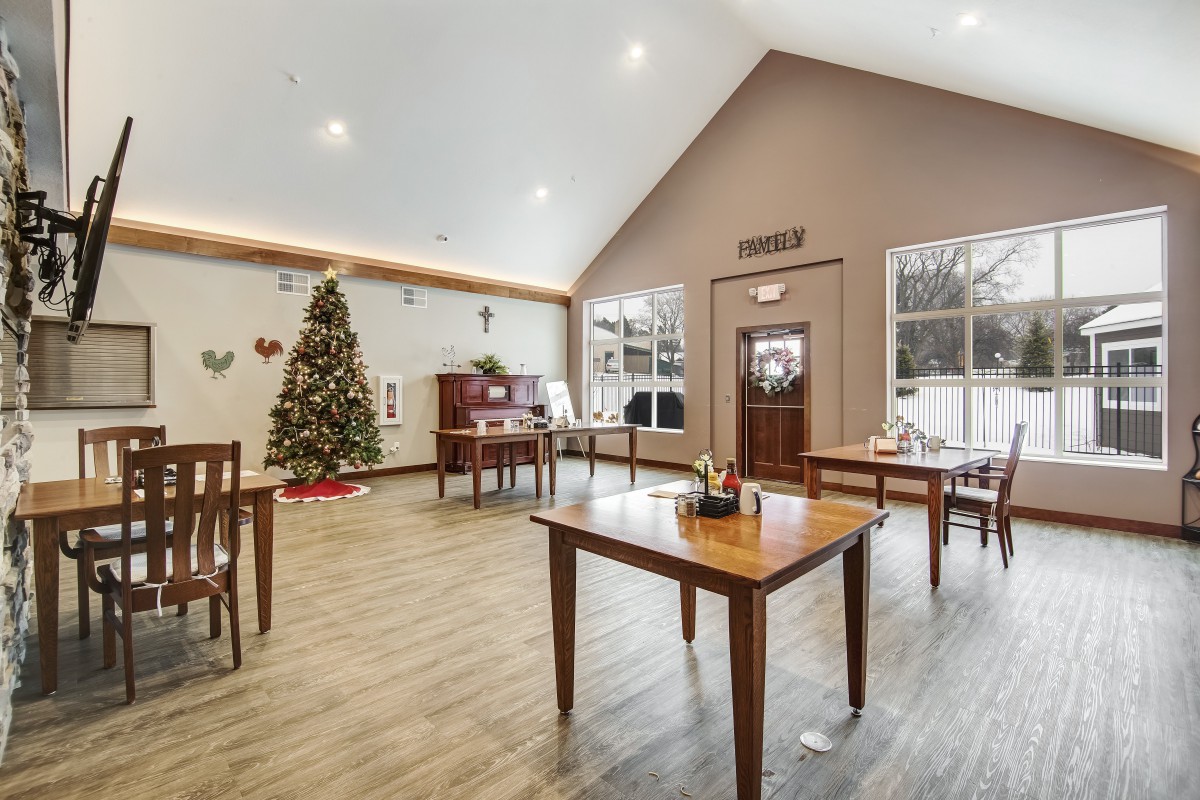
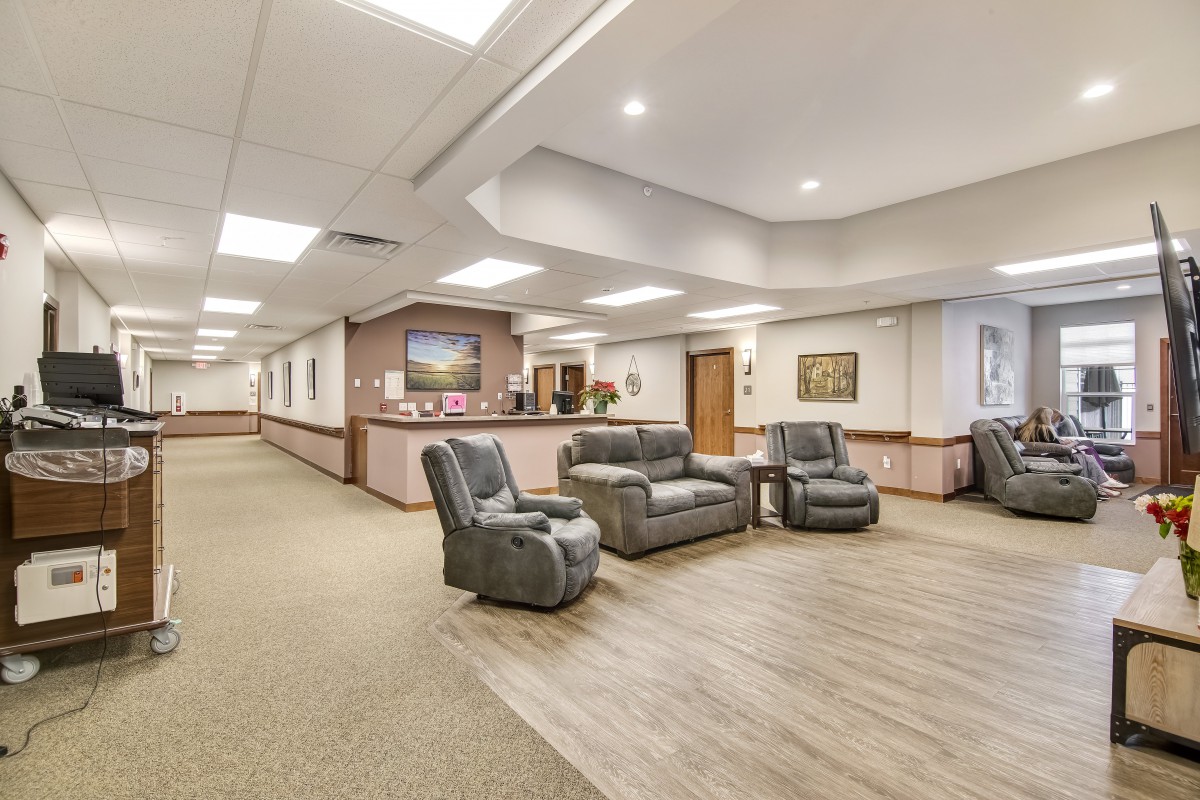
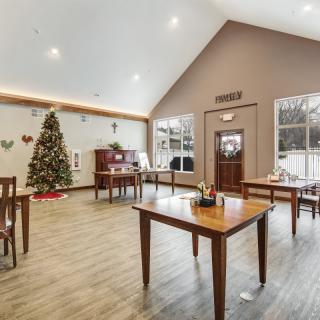
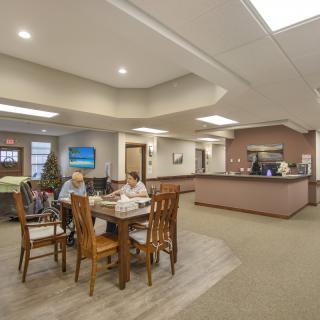
 Indoor common areas
 Kitchenette
 Outdoor common areas
 Respite or short term stays offered
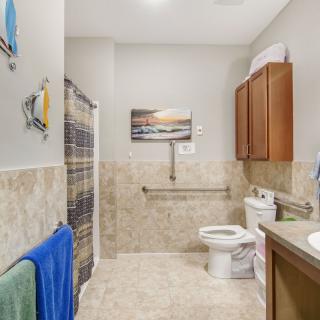
 Wheelchair accessible showers
 Wi-Fi/high-speed internet available
 Minneapolis-St Paul International (14 miles away)
 Diabetic care
 High acuity care
 Incontinence care
 Medication management
 Guest meals
 Art classes
 Cards / pinochle club
 Cooking classes
 Educational speakers / life long learning
 Gardening club
 Happy hour
 Live musical performances
 Live well programs
 Trivia games
 Wii bowling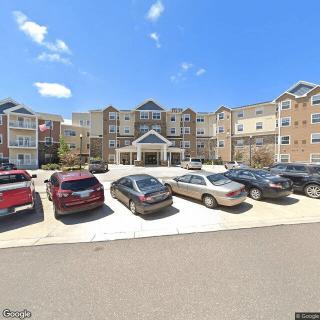

 22 Remarkable Caregiver Support Groups Available Online and In-Person
 Understanding Medicaid Coverage for Assisted Living: A Comprehensive Guide
 How and When Medicaid May Cover Assisted Living Costs