

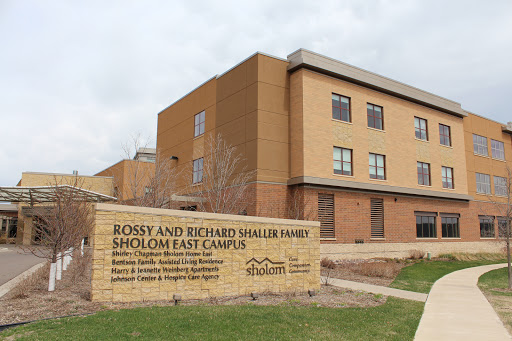


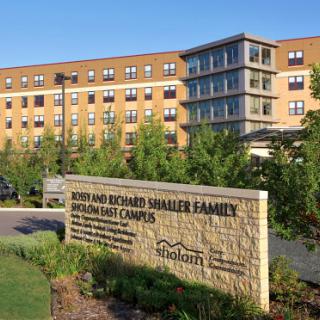




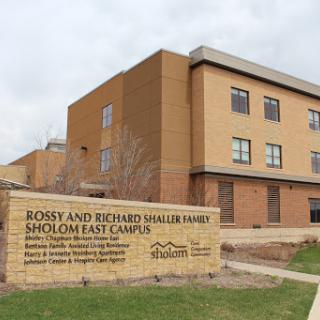




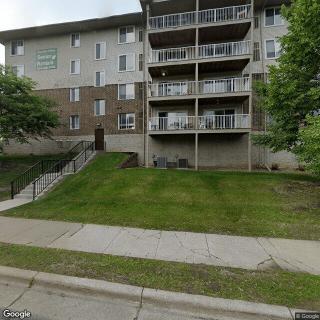
740 Kay Avenue, St Paul, MN 55102
For more information about senior living options: (866) 208-4318
Overall Review of Sholom Home Care
Pros
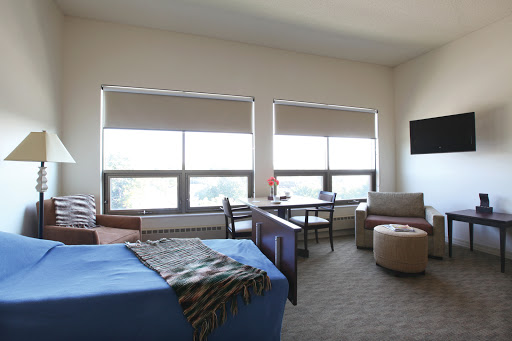
 The apartments were very lovely.
- The staff were wonderful, friendly, and outgoing.
- The facilities were clean and newer.
- There are different kinds of activities that residents can get involved in.
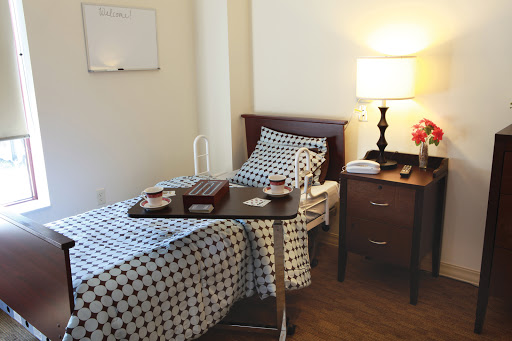
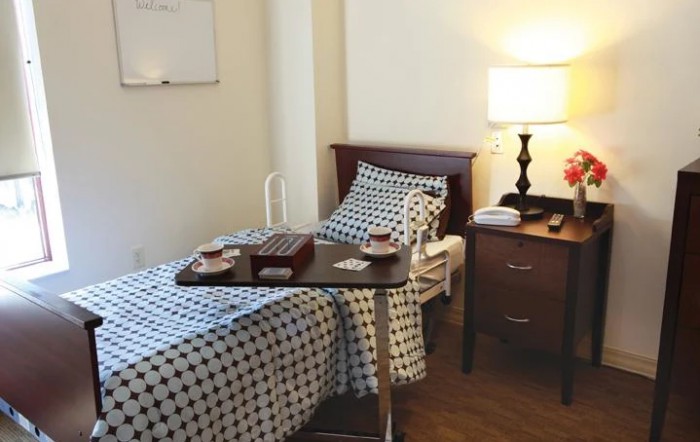
- The room was very nice, accommodating, and had a nice view of the river.
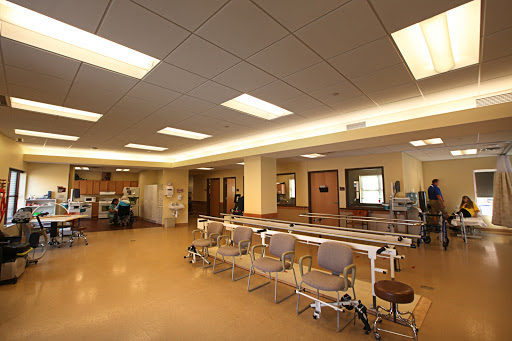
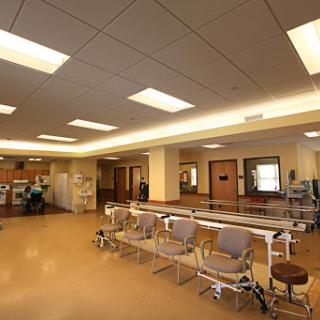
- The OT and PT staff were great, as were the social services staff.
- The care was outstanding, and the grandmother was well cared for.
Cons
 The outside offered no place to walk a dog because the street is busy, with no grass or park area.
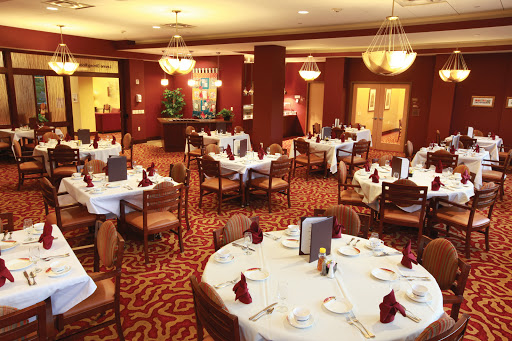
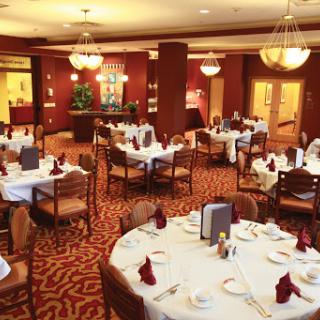
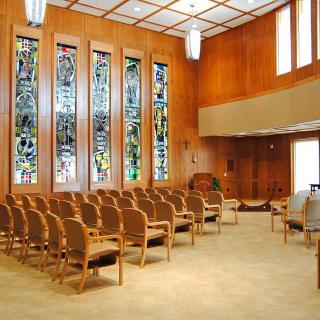
- The dining area was dark, and the room was empty and unfurnished.
- The nursing staff was completely inadequate to care for such patients.
- Pain medication was delayed for up to two and a half hours, and staff often claimed the meds were out of stock.
- The overall experience was described as absolute torture due to the poor care and delays.
- Bathroom assistance sometimes took 20 minutes, risking a fall, and nothing was disinfected with items lying on the floor for days.
- The TV blared 24 hours a day.
- The reviewer would rather go elsewhere.
Review
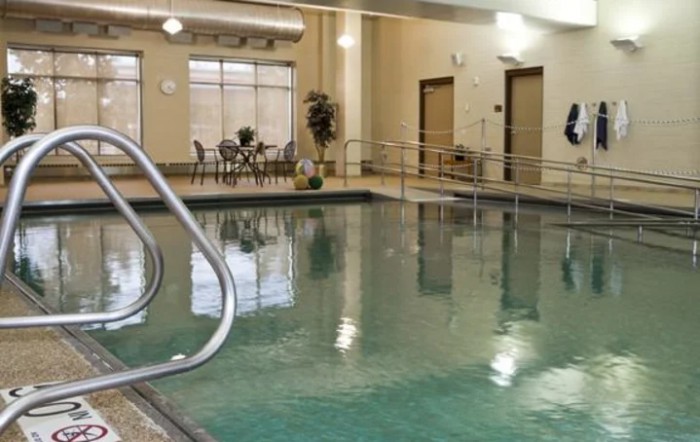
Sholom East in St. Paul is best suited for active seniors who want a clean, newer assisted-living environment with an engaged staff, plentiful social programming, and well-presented apartment options. The campus tends to win points for comfortable units, some with kitchenettes and river views, and amenities like a swimming pool that appeal to residents seeking a polished, residential feel. The overall vibe favors approachable, friendly staff and a schedule of activities that help residents stay socially connected without feeling isolated. However, the immediate surroundings are a busy street, and there is little nearby green space for dog walking, which makes dog ownership a practical concern for many. For those prioritizing memory care or intensive medical oversight, this location is unlikely to meet needs.
Those weighing options should explicitly consider alternatives if memory care or robust post-acute nursing support is essential. Several reviews stress that Sholom East operates primarily as assisted living rather than memory care, which can be a decisive mismatch for residents with cognitive challenges. More troubling are accounts of delayed nursing responses and inconsistent post-operative care, suggesting that when rapid assistance is non-negotiable, other facilities with dedicated memory-care units or stronger clinical staffing may be a safer bet. Additionally, the campus design limits immediate outdoor space for dogs, a downside for owners who view outdoor access as a core quality-of-life factor.
On balance, the strongest positives are evident in staffing interactions and the care environment. Across multiple visits and testimonials, staff are described as friendly, responsive to questions, and committed to resident engagement. The facility itself is noted for cleanliness and newer construction, which contributes to a comfortable day-to-day living experience. There is value in the apartment layouts, bedroom suites with living areas and sometimes in-unit kitchenettes, paired with pleasant river views that make daily routines feel more homelike. Yet these strengths do not fully offset a few material drawbacks: a dining area that can feel dark, and rooms that arrive unfurnished, requiring additional investment and time before settling in.
Care episode anecdotes underscore a critical caveat: reliability in medical and nursing support is inconsistent. A post-operative stay described as painful highlighted significant delays in pain management, long waits for assistance, and sanitation lapses, all of which raise legitimate safety concerns. Even when the OT and PT teams are praised, the broader care picture can suffer if nursing coverage fails to deliver timely help. Families should probe shift coverage, medication dispatch protocols, and infection-control practices before committing, because these factors directly impact safety and comfort during vulnerable periods.
Long-term impressions among families vary markedly, illustrating a facility whose performance depends on staffing momentum and individual interactions. One grandmother’s family recalls outstanding, compassionate care and genuine warmth from nurses, painting Sholom East as a trusted home under the right circumstances. In contrast, another family experienced care that felt misaligned with the price tag, citing persistently slow nurse responses and the burden of cleaning up after a loved one themselves. These divergent experiences suggest that consistency may hinge on the particular unit, shift, and staff on duty, making direct, in-person tours and conversations with current residents essential to form an accurate read.
Bottom line: Sholom East can be a solid, comfortable option for seniors seeking an active, social, and well-maintained assisted-living experience, especially where apartment quality and programming are priorities. It becomes a less suitable choice for those with memory-care needs, or for residents requiring dependable, high-intensity postoperative or nursing support, or for dog owners who insist on nearby green space. To decide, families should test for consistent staffing reliability, request clear explanations of memory-care capabilities on campus, assess the lighting and feel of the dining area, and confirm that care pace and responsiveness align with health expectations. When these checks align, Sholom East can deliver a trustworthy, welcoming home; when they do not, it is prudent to explore alternatives with stronger clinical staffing and more predictable service.
 21 resident community capacity
 Assisted Living
 Skilled Nursing Facility
 Beauty salon
 Cable or satellite TV
 Dining room
 Fully furnished
 Garden
 Housekeeping services
 Kitchenette
 Move-in coordination
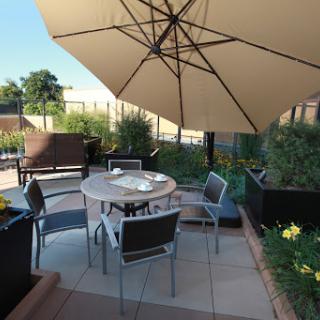
 Outdoor space
 Telephone
 Wi-Fi/high-speed internet available
 Minneapolis-St Paul International (5 miles away)
 24-hour call system
 Activities of daily living assistance
 Assistance with bathing
 Assistance with dressing
 Assistance with transfers
 Diabetes diet
 Meal preparation and service
 Medication management
 Mental wellness program
 Special dietary restrictions
 Transportation arrangement (medical)
 Transportation to doctors appointments





 Funding and Affording Assisted Living: A Thorough Overview
 Assisted Living Expenses and Long-Term Care Insurance: A Comprehensive Exploration
 Securing Financial Support for Assisted Living: A Comprehensive Overview