
6230 10Th Street Ste 330A, Oakdale, MN 55128
For more information about senior living options: (866) 208-4318
Overall Review of Scenic Hills Alternative Care
Cons
 The place is horrible.
- The house managers are unqualified and incompetent.
- They hire people like them so they won’t look bad.
- Residents sit in their own feces in common areas while staff are texting and on personal phone calls.
- The reviewer's husband was choking one night, and the aide watching TV told him to wait until the commercial before bringing him something to drink.
- Residents complained constantly to management and nothing was done to correct the situations.
- Many house managers are there only because they are friends with those who operate the place.
- The reviewer warns others to turn and run away and explore other options as fast as possible.
Review
This community is best suited for independent seniors who require little daily assistance and for families willing to supervise care closely on a continual basis. In practice, Scenic Hills Alternative Care in Oakdale appears to lean on a small cadre of staff rather than delivering a consistently professional caregiving culture. For anyone whose loved one needs reliable help with basic tasks, hydration, hygiene, or timely crisis response, this setting should not be trusted as a steady solution. It can only be considered by those who can actively monitor, challenge, and compensate for care gaps on a daily basis, rather than expecting a turnkey, safety-first environment.
Those weighing alternatives should be aware that the primary requirement is not met here. Anyone who places a premium on resident safety, dignified treatment, and predictable response times would be well advised to explore other options. Families dealing with memory care needs, significant mobility support, incontinence management, or cognitive impairment will likely confront ongoing shortages in attention and accountability. Even respite stays or transitional care would be risky if expectations include consistent supervision and immediate, respectful assistance. In short, this is not the right fit for residents who require dependable, professional care every hour of the day.
In evaluating pros and cons, the balance clearly tilts toward the latter. There are no compelling positives cited in the account that could offset the severe concerns raised. The absence of meaningful strengths, such as proactive care planning, qualified management, robust staffing coverage, or evidenced hygiene standards, means any potential benefits are overwhelmed by the documented risks. A facility can be affordable or conveniently located, yet those factors lose all value when safety and quality of life are compromised. The spacings between care demands and staff capacity appear to be too wide here to trust consistent protection of vulnerable residents.
The core problems are concrete and severe. The review points to unqualified house managers and a hiring approach that seems anchored in personal connections rather than competency. This translates into unpredictable, low-quality care that shows up in distressing scenarios: residents sitting in their own feces in common areas, while staff members are shown distracted by texting or personal phone activity. A crisis moment, one where a husband was choking, was not met with timely, appropriate care, and instead the family was told to wait while an aide finished watching TV before providing assistance. Complaints from residents about care and safety were reportedly met with inaction, and managerial decisions appear influenced by personal relationships rather than best practices or regulatory standards. Taken together, these red flags create an environment where neglect and delayed response are plausible, not rare exceptions.
Given these realities, prudent families will want to conduct a rigorous front-end assessment before any commitment. If the decision is still to visit, insist on seeing a typical shift in real time: how quickly staff respond to belt alarms or call bells, how meals and hydration are managed, and how aides interact with residents with dignity and urgency. Request current staffing charts, turnover rates, and the process for addressing complaints. Review state inspection reports and any incident logs available, and talk directly with current residents or families about day-to-day experiences. If red flags persist, delays in assistance, hygiene concerns, or a pattern of unaddressed issues, alternative communities should be prioritized.
In the final tally, Scenic Hills Alternative Care presents a high-risk proposition framed as an affordable option. For families whose loved ones require even modest levels of supervision, the cons far outweigh any plausible benefits. Alternatives with demonstrably higher standards of staffing, supervision, and accountability should be pursued, especially for residents who cannot advocate for themselves. If choosing this community, plan for aggressive oversight, clear escalation channels, and a willingness to move quickly at the first sign of inadequate care. Otherwise, steer toward facilities with proven, consistent caregiving, transparent operations, and a track record of safeguarding resident well-being.
 21 resident community capacity
 Assisted Living
 Memory Care
 Skilled Nursing Facility
 Beauty salon
 Cable or satellite TV
 Cafe
Cafe Dining room
 Fully furnished
 Garden
 Housekeeping services
 Kitchenette
 Move-in coordination
 Outdoor space
 Party space
 Telephone
 Wi-Fi/high-speed internet available
 Minneapolis-St Paul International (13 miles away)
 24-hour call system
 Activities of daily living assistance
 Assistance with bathing
 Assistance with dressing
 Assistance with transfers
 Diabetes diet
 Meal preparation and service
 Medication management
 Mental wellness program
 Special dietary restrictions
 Transportation arrangement (medical)
 Transportation to doctors appointments
 Arts and crafts
 Educational speakers / life long learning
 English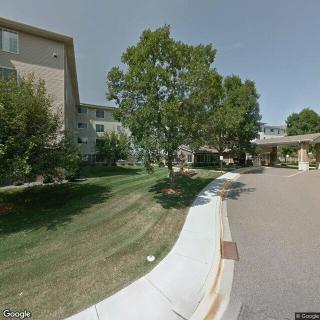
 Spacious independent-living apartments with attentive staff in a convenient location.



 How to Communicate with a Loved One Living with Dementia: 10 Supportive Strategies
 Comprehensive Guide to VA Nursing Homes: A Crucial Long-Term Care Resource for Veterans
 Estimating the Expenses of At-Home Dementia Care: A Detailed Exploration