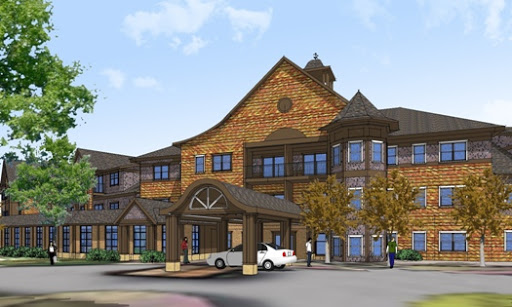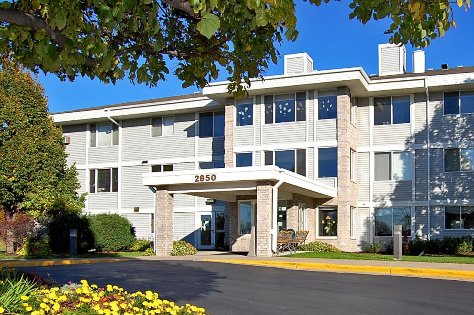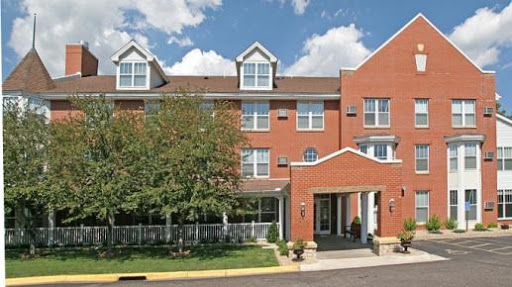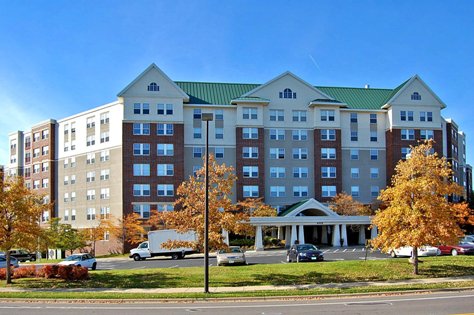


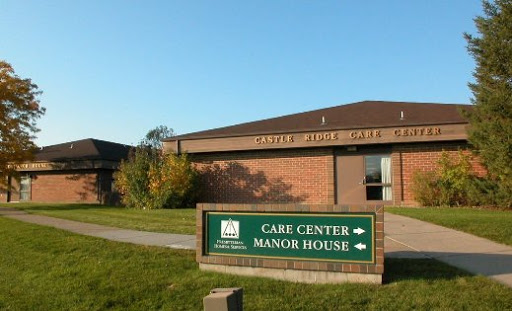




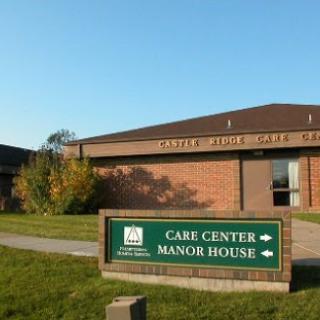
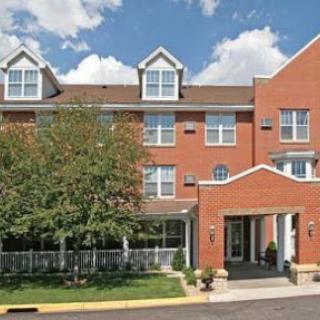
2845 Hamline Avenue North, Roseville, MN 55113
For more information about senior living options: (866) 208-4318
Overall Review of Presbyterian Assisted Living
Pros
 The place is great with a convenient location, friendly and loving staff, and amazing cleanliness.
- PHS is described as more than a job—it's a calling—and is loved.
- The facility is clean and very well kept.
- The food and prices are great.
- The overall impression is good.
Cons
 The reviewer reports that a van almost ran them over in the Target parking lot and did not slow down at the crosswalk stop sign.
- The reviewer states that their 95-year-old mother has been without a telephone for 11 days, calling this unacceptable and dangerous.
- The reviewer describes the Waverly Gardens situation as a complete and utter nightmare for all residents due to the new phone system lacking a backup plan.
- The reviewer notes that landline service was removed from all residents without adequate communication, leaving them unable to contact family.
- The reviewer criticizes the phone project as started without a backup plan, with Xfinity and Pres Homes blaming each other, calling it terrible mismanagement.
- The reviewer expresses that it is very upsetting and disappointing that the change was not discussed with residents or families beforehand.
- The reviewer claims that some PHS campuses are toxic, with staff losing belief in their own hype, and that toxicity impacts the care provided.
Review
Presbyterian Assisted Living in Roseville is best suited for seniors who prize a clean, well-maintained campus, a convenient location, and a genuinely warm, attentive staff, paired with solid dining. It works well for residents who want social engagement, reliable daily routines, and peace of mind from a friendly caregiving culture. However, it is not a fit for those who require flawless, distraction-free operations or uncompromising reliability in every system, because administrative hiccups and inconsistent practices have shown up in reviews. Families should expect occasional bumps in service and demand clear assurances about how those issues are addressed.
Those weighing alternatives should note that reliability expectations matter here. For families whose senior loved one cannot tolerate lapses in basic services, such as transportation safety, emergency communications, or predictable vendor coordination, other communities may be a safer match. Some Pres Homes campuses carry cautions about interpersonal culture and consistency in everyday care, which suggests that outcomes can vary by campus. Seniors with significant medical complexity or memory-care needs may prefer a setting with more explicit, consistently documented medical staffing and crisis response, rather than relying on the best of intentions amid corporate changes.
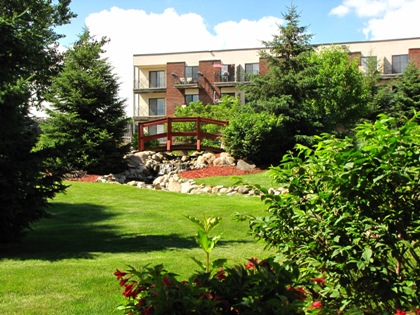
On the upside, the campus earns points for cleanliness, curb appeal, and a welcoming atmosphere. Reviews repeatedly praise the facility as well-kept and conveniently located, with staff described as loving and capable, and dining noted as good value. These strengths translate into tangible daily comfort: residents enjoy a pleasant environment, dependable housekeeping, and a sense of normalcy around meals and routines. The favorable impression of staffing warmth can buffer some daily frustrations, creating a foundation of trust that many families value when choosing assisted living.
But the most troubling concerns center on operations that impact safety and communication. A troubling transport incident, vans not yielding at crosswalks, highlights ongoing safety risks that can erode confidence in daily oversight. Equally consequential is the long-running phone outage endured by a resident after a hospital discharge, followed by announcements that landlines would be removed and replaced with a different system. For families, losing the ability to reach a loved one in a medical or urgent moment represents a material risk, especially when the resident pays thousands of dollars every month for care. These issues underscore a disconnect between cheerful, client-facing messaging and the solidity of back-office systems.
The degree to which these cons dominate depends on what a family prioritizes. If social engagement, a tidy, pleasant setting, and staff warmth are non-negotiables, Presbyterian Assisted Living delivers on those fronts and can offer meaningful quality of life for many residents. However, the negative experiences around transportation safety, critical-communications failures, and last-minute policy shifts cannot be dismissed. They demonstrate a vulnerability in the operational structure that could jeopardize peace of mind during emergencies or urgent needs. Pros do not fully offset these systemic weaknesses, but they do create a scenario where the decision hinges on tolerance for administrative risk versus reward in daily living comfort.
For families moving forward, practical due diligence matters. Schedule thorough tours and insist on speaking with current residents and families about responsiveness to issues. Ask for concrete backup plans: what happens if a transport driver misses a crosswalk, how quickly are phone and internet problems resolved, and what is the process for policy changes that affect resident communication? Request clarity on incident logs, staffing ratios, and the exact cost breakdown, what is included in the monthly rent, and what additional fees could arise? Compare these specifics not only within Presbyterian campuses but against non-affiliated providers with established, verifiable safety-and-communications practices.
In sum, Presbyterian Assisted Living in Roseville is a credible, comfortable option for seniors who prioritize a friendly, clean environment and dependable daily routines, provided families are prepared to monitor systems and demand accountability. It is less suitable for those who require impeccable operational reliability and unwavering, rapid responsiveness in every facet of care and communication. The right choice hinges on balancing the warmth and quality of life on offer with a clear, enforceable guarantee that safety, transportation, and essential communications are managed with the same rigor as day-to-day hospitality.
 21 resident community capacity
 Assisted Living
 Beauty salon
 Cable or satellite TV
 Dining room
 Fully furnished
 Garden
 Housekeeping services
 Kitchenette
 Move-in coordination
 Outdoor space
 Telephone
 Wi-Fi/high-speed internet available
 Minneapolis-St Paul International (10 miles away)
 24-hour call system
 Activities of daily living assistance
 Assistance with bathing
 Assistance with dressing
 Assistance with transfers
 Diabetes diet
 Meal preparation and service
 Medication management
 Mental wellness program
 Special dietary restrictions
 Transportation arrangement (medical)
 Transportation to doctors appointments



 Comprehensive Insights into Activities of Daily Living (ADLs) and Their Assessment
 Medicare Coverage for Assisted Living: An In-Depth Exploration
 Choosing the Right Senior Care: A Detailed Exploration of Assisted Living and Nursing Homes