Parkway Gardens Costs & Pricing
Parkway Gardens offers a compelling value for residents seeking affordable living options in comparison to the broader market in Ramsey County and the state of Minnesota. With monthly rents set at $1,010 for a one-bedroom apartment and $1,040 for a two-bedroom unit, Parkway Gardens significantly undercuts both the county average of $2,287 for one-bedroom apartments and $2,312 for two-bedrooms, as well as the state averages of $2,893 and $2,955 respectively. This pricing not only makes Parkway Gardens an attractive choice for budget-conscious individuals and families but also highlights its role as a key player in providing accessible housing solutions within the region.
| Floor plans | Parkway Gardens | Ramsey County | Minnesota |
|---|
| 1 Bedroom | $1,010 | $2,287 | $2,893 |
| 2 Bedrooms | $1,040 | $2,312 | $2,955 |
Senior living communities with a similar price nearby
-
from +$190 / mo
Riverview Highlands
$1,200 to $1,540 / month
7.6 miles away
-
from -$80 / mo

RosePointe II
$930 to $1,155 / month
6.6 miles away
-
from -$55 / mo
Lakewood Hills
$955 to $1,080 / month
6.0 miles away
-
from -$135 / mo
The Anthony James
$875 to $1,135 / month
17.4 miles away
-
from +$45 / mo

Norris Square
$1,055 to $4,430 / month
9.7 miles away
Overall Review of Parkway Gardens
differentiator
3 reviews mention this
Price feels more affordable
Pricing comes across as more affordable than many nearby options, despite some complaints about being too expensive.
Several residents point to affordability as a reason Parkway Gardens feels like a good option, and the unit pricing shown here is far below county and state benchmarks for the listed bedroom types. At the same time, a couple of reviews say it still feels too expensive—one also ties cost to issues with laundry equipment. Overall, reviews split between strong value and specific dissatisfaction with how value plays out when day-to-day systems aren’t working well.
common
18 reviews mention this
Staff and leasing support
Residents consistently describe staff as friendly, helpful, and professional during tours and day-to-day interactions.
Across many reviews, residents and visitors describe front office staff and management as friendly and supportive, often saying they answered questions, gave needed information, or made the leasing experience feel more manageable. Multiple reviews also credit specific staff members with being responsive and proactive during the process, including during tours and paperwork. A few reviews focus less on friendliness and more on administrative hurdles or policy complexity, but even then they often separate that issue from the individuals trying to help.
caveat
6 reviews mention this
Repairs and apartment systems
Maintenance responsiveness varies, with some quick fixes but repeated complaints about broken equipment.
Some residents report fast resolution when problems come up, including a door lock fixed right away and a request handled within about an hour. Several others describe equipment failures that affect daily life, including washer/dryer problems and an elevator issue. A couple of reviews also connect the experience to comfort limitations like missing features, which adds to the sense that apartment systems aren’t always dependable.
common
8 reviews mention this
Cleanliness and upkeep
Many residents mention a clean facility, though a recurring minority describe dirty or poorly kept common areas.
On the positive side, reviews frequently mention clean spaces—such as a clean building, clean facility, and lobbies or hallways kept clean as possible. There are also reviews praising how well maintenance crews take care of the property. However, other reviews describe the building as dirty or “going down hill,” including complaints about common areas rarely being cleaned and the overall look feeling unappealing.
caveat
4 reviews mention this
Noise and non-senior activity
Noise and non-senior activity show up as a frequent complaint in resident accounts.
Several negative reviews focus on the atmosphere in shared spaces, describing early-morning noise and frequent activity from people they describe as not being seniors. Others mention disruptive incidents like noise that led to police involvement and management not resolving it to the resident’s satisfaction. There are also concerns about parties running late and about pets and safety tied to resident interactions.
common
4 reviews mention this
Activities and shared spaces
Common areas and activities are a consistent positive point for residents.
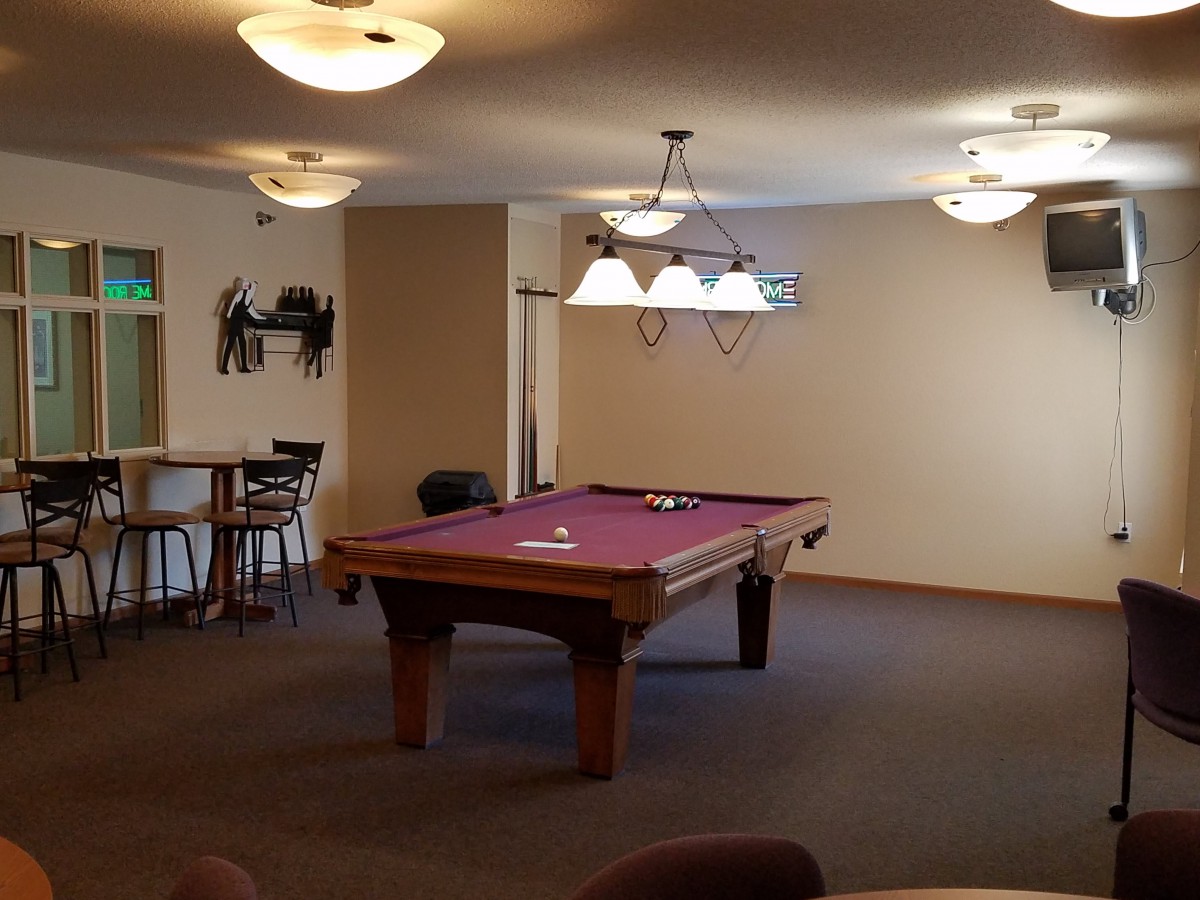
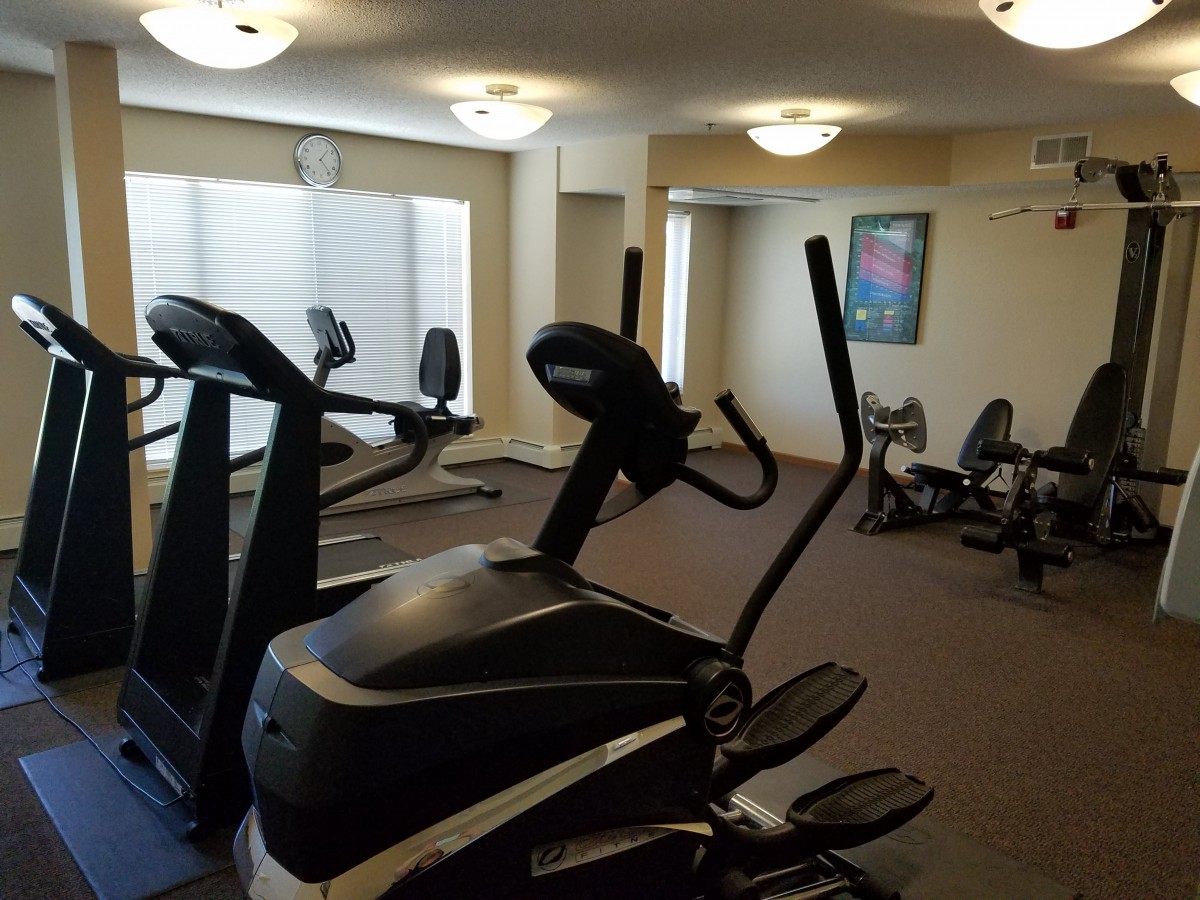
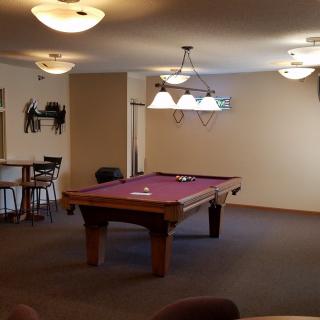
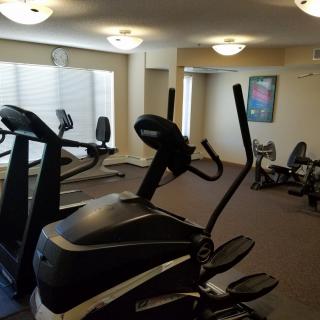
Residents and tour-goers describe a busy schedule of activities, including events such as bingo and seasonal celebrations. Reviews also mention shared community space like a community room and practical amenities such as laundry access across floors. A few reviewers emphasize that the environment feels peaceful and supportive, which aligns with the way many people describe having things to do on-site.
caveat
3 reviews mention this
Apartment size and cooling
Apartment layout and comfort can be a drawback, especially for those expecting more spacious units or cooling options.
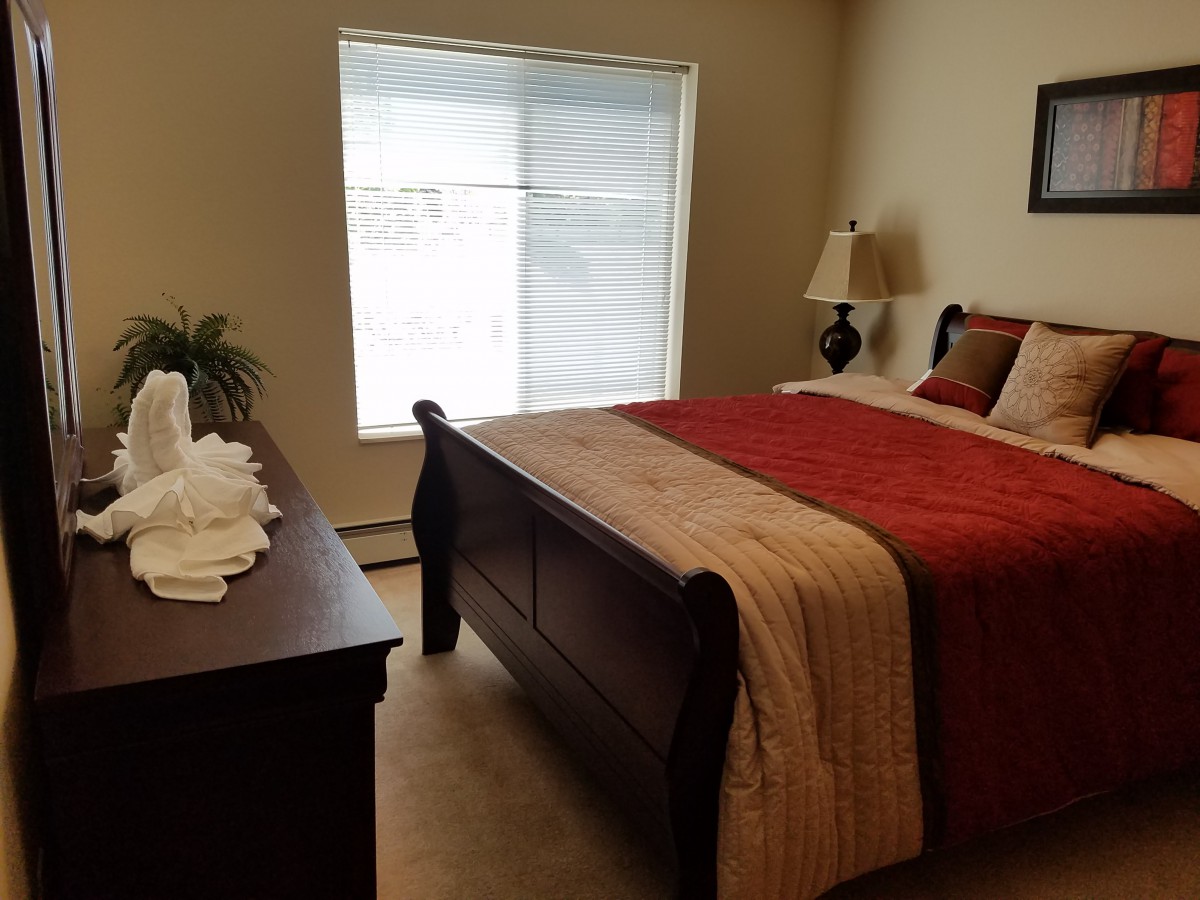
Some reviews call out smaller-than-expected apartments and note missing features like tubs. Others mention comfort limitations such as no central air, and at least one review ties the overall feel of the unit and shared areas to that kind of mismatch. Together, these comments suggest unit design choices may not work for everyone’s expectations.
How we summarize
Counts show how many written reviews mention each theme; a review can touch several themes, and only frequently mentioned themes are displayed.

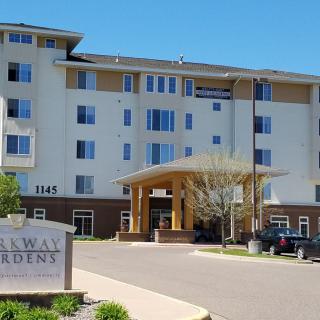

 Active Adult Communities (55+)
 Cats allowed
 Dogs allowed
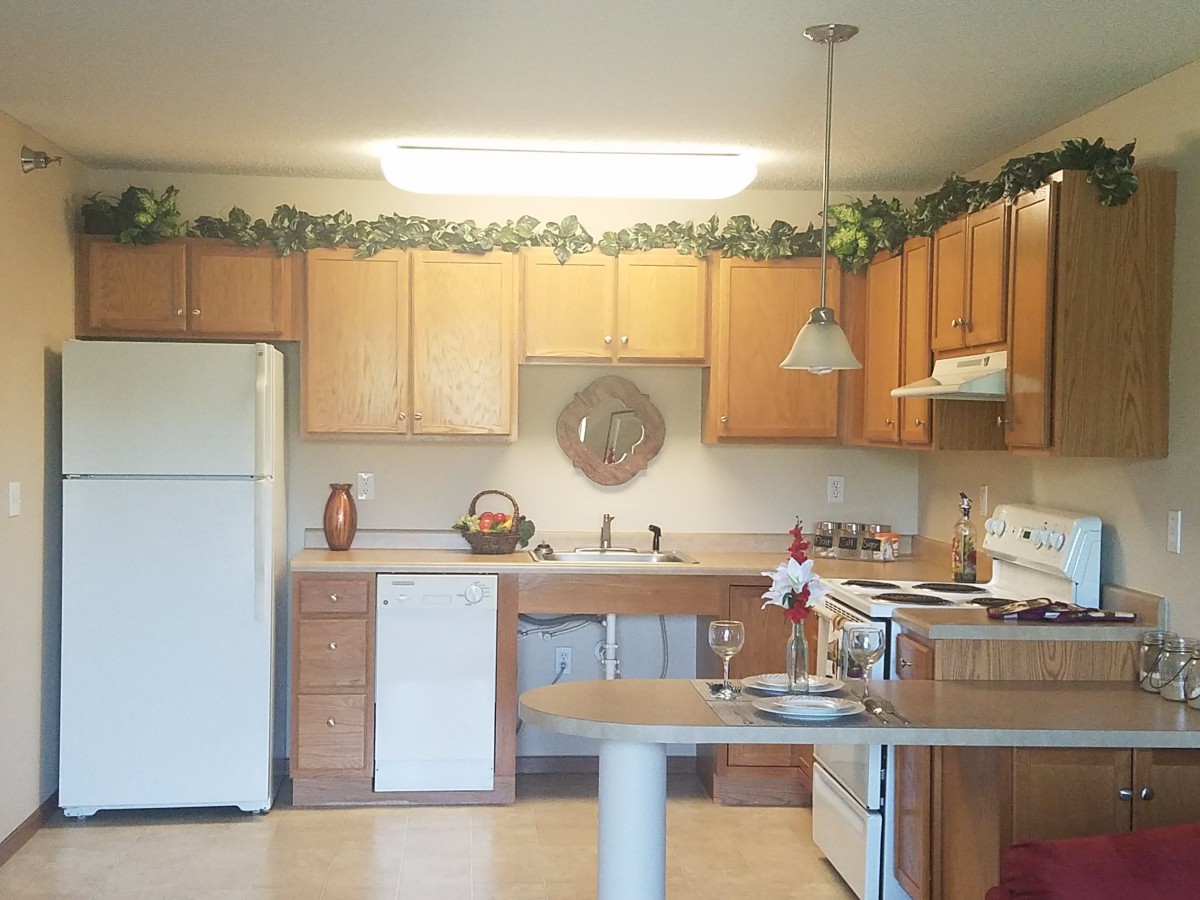
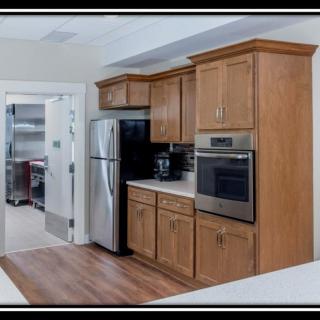
 Full kitchen
 Indoor common areas
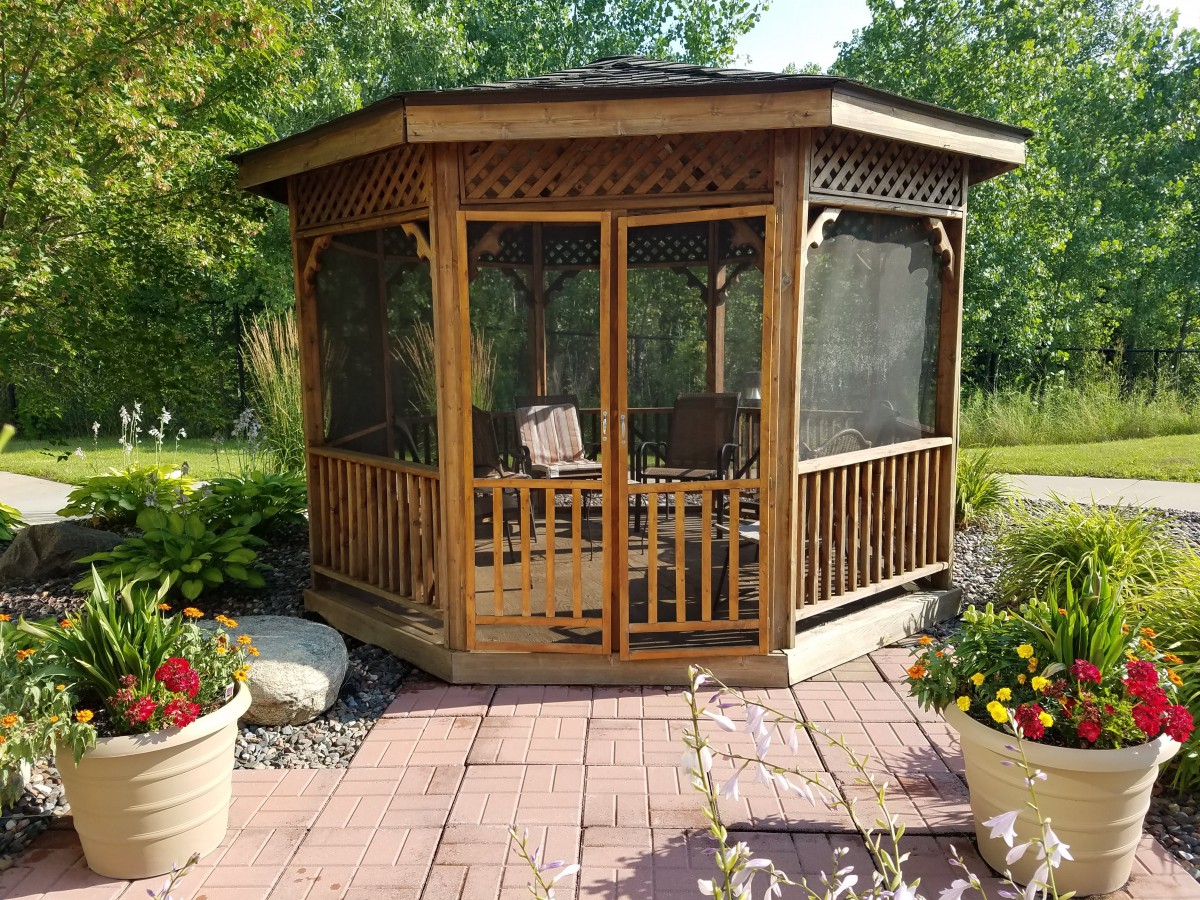
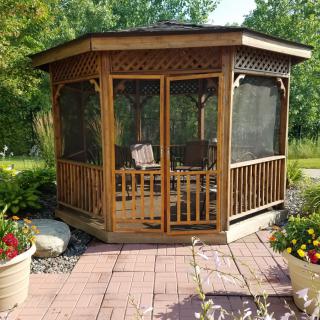
 Outdoor common areas
 Wheelchair accessible showers
 Minneapolis-St Paul International (10 miles away)
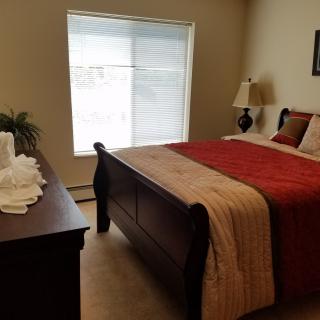
 Fully furnished units with dining, garden/outdoor space, housekeeping, 24/7 supervision, transportation, and meal service.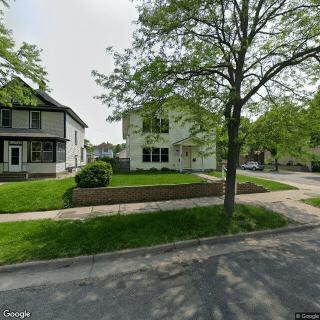
 Navigating the Tax Landscape of Caregiving: Credits, Deductions, and Beyond
 Highly Beneficial Low-Impact Exercises for Senior Living Residents
 Is In-Home Healthcare Tax Deductible? Your Comprehensive Guide