
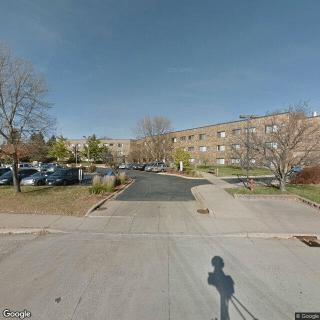
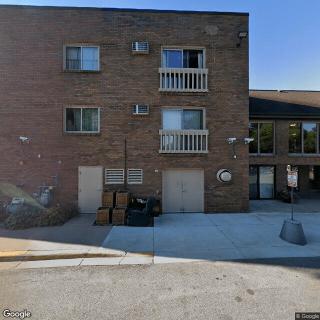
113 East Avenue, Mahtomedi, MN 55115
For more information about senior living options: (866) 208-4318
Overall Review of New Perspective Mahtomedi
Pros
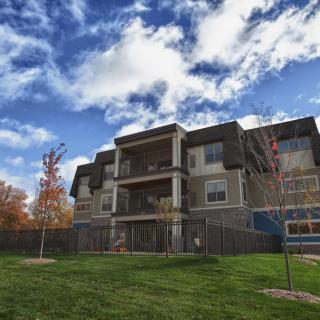
 New Perspective Mahtomedi is described as a hidden gem that serves seniors with dementia, with a homey cottage feel and a spacious enclosed courtyard.
- The team is welcoming, friendly, and provides excellent care and clear communication with families.
- The facility feels warm, comfortable, and safe, offering compassionate care for residents.
- The memory care cottage feels like home, with a small, intimate layout and an outdoor garden space.
- The staff are attentive and engaging, giving families peace of mind about their loved ones.
- Leadership and staff, including Brittney Burnside and nurse Jackie, are praised for kindness, professionalism, and responsiveness.
- Families would confidently recommend New Perspectives at Mahtomedi for 24-hour care and a positive resident experience.
Cons
 The facility didn’t work out for the resident at that time.
- The monthly rate increases as the resident’s needs rise, making it expensive.
- The transition into the facility was initially hard for the family and resident.
- The previous facility focused more on finding medical issues than addressing the resident’s mental health.
Review
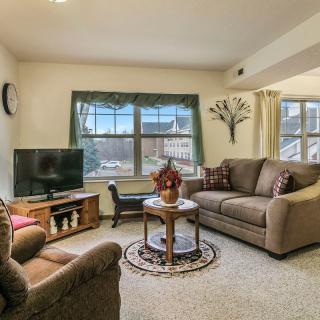
New Perspective Mahtomedi is best suited for seniors living with dementia who need around-the-clock memory-care in a tight-knit, home-like setting. This community shines when families prioritze a warm, residential atmosphere over a clinical campus, and when the priority is daily routines that feel natural rather than institutional. The cottage model, with a secure outdoor courtyard, a garden, and a compact footprint, delivers an environment where residents remain near caregivers and where familiar, homelike touches, two living areas, a fireplace, pianos, and a puzzle table, shape meaningful days. It is particularly strong for families seeking transparent communication and visible, affectionate staff who treat residents like beloved guests in a private home.
That emphasis, however, naturally invites some caveats. Alternatives are worth considering for seniors who do not have memory-care needs, who require broader medical oversight beyond what a cottage setting typically supports, or who want a larger campus with more expansive programming and amenities. Budget sensitivity also matters here; the cost structure tends to rise as care needs increase, so households with tighter financial margins or strict monthly caps may want to compare other options that bundle more services into a single rate. For some families, a different model, whether a larger memory-care campus or a facility with more comprehensive on-site medical resources, will align more closely with expectations or health trajectories.
The strongest pros, carefully choreographed staffing, tight staff-to-resident ratios, and a philosophy that centers on the resident’s home life, directly counterbalance the downsides. The staff consistently demonstrates warmth, attentiveness, and genuine engagement, which translates into reliable supervision, timely responses, and opportunities for residents to form meaningful relationships. Families frequently report peace of mind from frequent, clear communication and from staff who remember details of each resident’s preferences, routines, and needs. The home-like setting, with intimate conversational spaces and a garden that feels accessible rather than curated, reduces the sense of transition and helps residents settle in with less disruption.
Operationally, the “home as the resident’s home” approach matters. The layout keeps rooms near living areas and social spaces, which supports spontaneous interaction and reduces isolation. The small-cottage feel fosters familiarity for both residents and visiting family members, making everyday moments, outdoor time in the garden, quiet afternoons by the fireplace, or shared activity tables, part of a cohesive, livable routine. When transitions occur, families note that the executive leadership and nursing staff collaborate smoothly, maintaining continuity of care and minimizing stress during changes in health status or daily needs.
To decide, prospective families should ask targeted questions during tours. Key issues include how care plans are customized as dementia progresses, what triggers an uptick in monthly rates, and what exact services are included versus added costs. Inquire about the daily schedule and whether programming accommodates varying levels of cognition and mobility, as well as how wandering risk is managed in the secure outdoor spaces. Clarify the living arrangements, whether private rooms are available, how many residents share spaces, and how privacy and dignity are preserved during daily care. The answers, paired with the palpable warmth observed in staff interactions, will reveal how well the model fits long-term expectations.
Ultimately, New Perspective Mahtomedi represents a compelling choice for families prioritizing a memory-care experience that feels like home, delivered by a compassionate team in a small, navigable setting. It excels where personal connection, family collaboration, and a soothing physical environment translate into sustained quality of life for residents with dementia. The principal trade-off is cost and scale: the same strengths that make it feel intimate can render it less suitable for those seeking broader medical services or a more expansive campus experience. When budget and care goals align, this community stands out as a practical, confident recommendation for appropriate memory-care placement.
 32 resident community capacity
 Assisted Living
 Memory Care
 Beauty salon
 Cable or satellite TV
 Dining room
 Fully furnished
 Garden
 Housekeeping services
 Kitchenette
 Move-in coordination
 Outdoor space
 Telephone
 Wi-Fi/high-speed internet available
 Minneapolis-St Paul International (18 miles away)
 24-hour call system
 Activities of daily living assistance
 Assistance with bathing
 Assistance with dressing
 Assistance with transfers
 Diabetes diet
 Hospice waiver
 Meal preparation and service
 Medication management
 Mental wellness program
 Special dietary restrictions
 Transportation arrangement (medical)
 Transportation to doctors appointments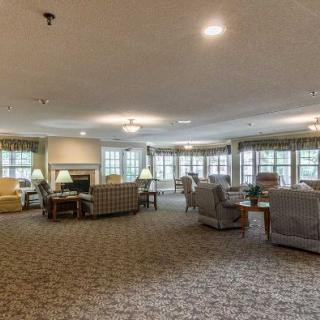



 When Dementia Sparks Anger and Aggression: Understanding the Connection and Ways to Cope
 Dementia Behaviors: In-Depth Understanding and Effective Coping Strategies
 5 Early Indicators of Dementia and What You Can Do