
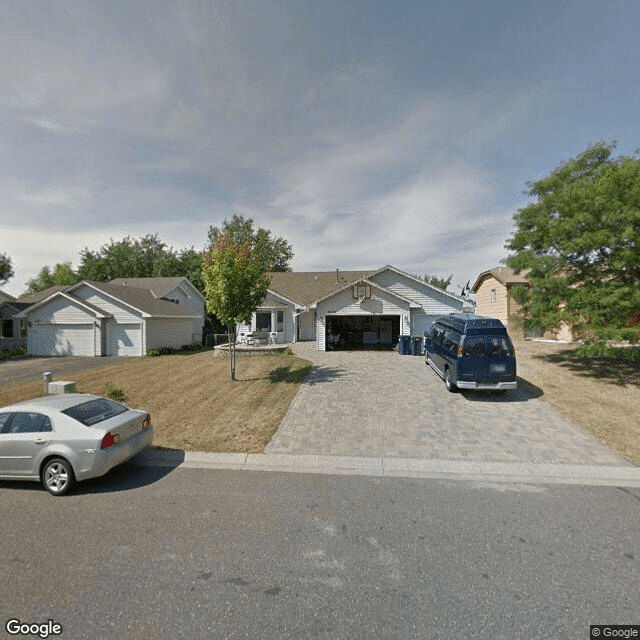
4650 Heather Ridge Road N, Oakdale, MN 55128
To contact a resident: (651) 748-0545
For more information about senior living options: (866) 208-4318
Love and Peace Care Home Costs & Pricing
At Love and Peace Care Home, the monthly cost for a private room is set at $4,500, which positions it competitively within the local market. In comparison, Washington County has an average monthly cost of approximately $4,952 for similar accommodations, while the broader state of Minnesota averages around $5,090. This pricing structure indicates that Love and Peace Care Home offers a more affordable option for those seeking private care in a supportive environment without compromising on quality. It's an appealing choice for families looking for compassionate care that aligns with their financial considerations in the region.
| Floor plans | Love and Peace Care Home | Washington County | Minnesota |
|---|---|---|---|
| Private | $4,500 | $4,952 | $5,090 |
Senior living communities with a similar price nearby
-
from -$510 / mo

Comfort Care Homes And Services Alpine Ridge
$3,990 to $5,550 / month23.3 miles away -
About the same
Comforts of Home Memory Care - River Falls
$4,600 to $4,700 / month20.4 miles away -
from -$700 / mo
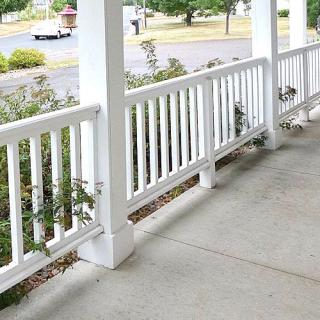
Our House Senior Living - New Richmond Memory Care
$3,800 / month21.1 miles away -
from -$205 / mo
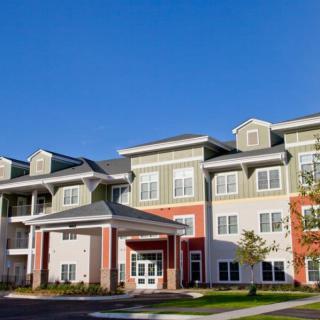
Keystone Place at LaValle Fields
$4,295 to $5,695 / month10.2 miles away -
from -$720 / mo
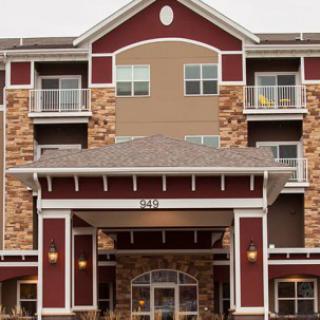
Lilydale Senior Living
$3,780 / month11.8 miles away
Overall Review of Love and Peace Care Home
Pros
 The environment is safe, peaceful, and filled with genuine warmth.
- The facility offers thoughtful meals and personalized attention.
- Every detail is handled with love and professionalism.
- The staff builds meaningful relationships with residents and their families, creating a true sense of home.
- The provider is highly experienced, DDA certified, and truly understands the unique needs of each resident.
- Peace and Love Care's dedication to exceptional service sets them apart.
- The staff is incredibly compassionate and attentive, ensuring every need is met with warmth and professionalism.
- The environment is welcoming and cozy, making it feel like home.
- The home lives up to its name by giving peace and love to elders, providing exemplary services and care.
- It offers 24/7 care, homemade meals, and private, home-like, spacious rooms.
Review
Love and Peace Care Home in Oakdale is best suited for families seeking a high-touch, home-like environment where an elderly loved one receives consistent, compassionate attention. The community excels for residents who value private rooms, homemade meals, and a daily rhythm that feels less like a facility and more like a caring household. Reviews describe a safe, peaceful setting where staff form genuine relationships with residents and their families, delivering care with warmth and professionalism. The combination of a small, family-style atmosphere and experienced, DDA-certified caregivers creates a dependable foundation for daily living and support.
Those who may want to consider alternatives include families needing robust medical oversight, specialized memory care, or a broader menu of on-site therapeutic services. Larger assisted living centers or memory-care campuses can offer more intensive clinical staffing, more structured programming, and access to a wider range of specialists. If the loved one requires frequent medical interventions or advanced rehabilitative services, it is prudent to compare whether this intimate setting can sustain those needs over time. In short, clinical complexity and the demand for hospital-level coordination are common reasons to look at other options.
On the positives, safety, tranquility, and a consistently warm caregiving team stand out. Caregivers are described as compassionate and attentive, meeting needs with a steady blend of warmth and professionalism. Residents benefit from private, generously sized rooms and homestyle meals prepared on-site, with around-the-clock care ensuring help is available when needed. The environment fosters comfort and dignity, reducing stress for both residents and families who appreciate regular updates and meaningful engagement with staff. This is a setting where daily routines feel predictable, manageable, and personally attended to.
Another strength is the staff’s ability to tailor care to individual preferences and routines. The close-knit atmosphere supports ongoing communication with relatives, helping coordinate meals, activities, and care decisions around what works best for each person. The resulting sense of being seen, respected, and valued translates into steady trust and smoother transitions for families navigating aging-in-place. The balance of professional oversight with genuine warmth makes it possible to savor everyday moments while maintaining high standards of safety and responsiveness.
Despite the strong positives, the small-scale model naturally emphasizes relationships over scale. While that translates into emotional well-being and rapid response, it may limit access to certain on-site resources, specialists, or wide-ranging activity programs typically found in larger communities. The offset is that residents enjoy a true home atmosphere, frequent personal interactions, and a caregiving team that anticipates needs. For families who prioritize intimate contact and consistent touchpoints over breadth of services, this setup is a clear winner; for those prioritizing expansive clinical resources, it may warrant looking elsewhere.
To decide, align expectations with the core priorities: heart-centered care and a home-like setting versus clinical depth and scale. This community delivers a compelling package for seniors who want privacy, warmth, and 24/7 attentive care, framed by homemade meals and a respectful, professional staff. Prospective families should tour the home, meet caregivers, and observe daily routines to confirm fit. When the emphasis is on dependable, personalized attention in a peaceful, dignified environment, Love and Peace Care Home stands out as a practical, trusted option worth pursuing.
 Board and Care Home
 Activities off-site
 Indoor common areas
 Outdoor common areas
 Private
 Respite or short term stays offered
 Wheelchair accessible showers
 Minneapolis-St Paul International (16 miles away)
 Ambulatory care
 Diabetic care
 High acuity care
 Meals provided
 8 Essential Assistive Devices for Older Adults
 Navigating the Financial Road to Nursing Home Care: In-Depth Guidance and Resources
 Supportive Employee Benefits That Help Caregivers Attain Better Work-Life Harmony