Holistic Home Care

2321 Cascade Plaza South, Woodbury, MN 55125

For more information about senior living options: (844) 490-3973

3 from 2 reviews
Assisted Living

What level of care are you interested in?

Assisted Living

Memory Care

Independent Living

Skilled Nursing Facility

Continuing Care Retirement Community (CCRC)CCRC

Other


Request a tour at Holistic Home Care

    Overall Review of Holistic Home Care

    Pros

    • pro They regard it as the best home ever.
    • pro The home is described as the best ever.

    Cons

    • pro They let residents move in before acceptance and then told them they had to move out.
    • pro They verbally abused residents by yelling at them.
    • pro They showed favoritism, prioritizing some requests over others.
    • pro They barely provided toilet paper on weekends, ignored requests, and gave only one roll for multiple people.
    • pro A staff member named Lynda claimed that money was more important than the residents.
    • pro They denied residents medical treatment.
    • pro The reviewer reported the organization to the ombudsman.

    Review

    An account of living in a place that promised shelter but delivered instability and abuse begins with a troubling contradiction. The person recounts being allowed to move in before any formal acceptance, only to be told later that they had to relocate. That sudden reversal created a sense of precariousness from the start: a home that felt provisional, not protective, and a transition that left the individual unsure of their footing or what to expect next. The initial breach of the basic expectation of stability sets a tone for the entire experience, painting the environment as unpredictable rather than supportive.

    Once inside, the treatment distressed the narrator in another painful way: verbal abuse. They describe being yelled at, a pattern that transformed basic interactions into charged confrontations rather than communication. The staff allegedly directed their anger at the resident in a recurring manner, which would have left the person feeling humiliated and unsafe in a space that should have offered refuge. The dynamic extended beyond mistreatment as staff reportedly dictated what the resident could or could not request, even when questions arose about necessities or wants. The sense of being policed and cornered in everyday choices - such as what items could be asked for from a store - created an atmosphere of control rather than care, with favoritism complicating the experience further and leaving the resident feeling that their needs were judged through a biased lens rather than addressed as a human being.

    A particularly troubling aspect concerns access to basic supplies. The reviewer notes a chronic shortage of toilet paper on weekends, despite having asked for it. The complaint underscores a pattern of neglect: basic hygiene necessities were not reliably provided, and requests were either ignored or met with insufficient responses. The situation escalates from inconvenience to dehumanizing when the facility appears unable or unwilling to ensure even the most fundamental comforts for multiple residents sharing the same space. The described logistical shortfalls - like only a single roll of toilet paper available for several people - highlight a broader neglect of dignity and sanitation, turning what should be routine provisions into ongoing stressors.

    The experience also includes a blunt and painful suggestion of being valued primarily for money rather than as a person. A staff member named Lynda is cited as saying that money was more important than the resident, a statement that reframes the relationship between the resident and the institution in stark, cold terms. Such a claim implicates an ethos where commercial or financial concerns are placed above human needs, eroding trust and amplifying the sense that the resident's well-being is secondary to other priorities. The emotional weight of hearing one's worth boiled down to financial considerations would be crushing, reinforcing the perception of a hostile environment rather than a supportive home.

    Compounding the distress is the reported denial of medical treatment. The reviewer states that medical care was not provided when needed, which drastically elevates the stakes of living in the facility. Denying medical attention can have serious, even dangerous consequences for anyone relying on the institution for safety and care. When paired with the other patterns of mistreatment - yelling, favoritism, neglect of basic supplies - this denial is presented not as isolated incidents but as part of a broader, systemic disregard for residents' health and dignity. The claim points to a serious service failure with potentially severe implications for wellbeing and safety.

    In an effort to seek redress, the reviewer mentions reporting the situation to an ombudsman on one occasion. That action indicates an awareness of formal avenues for complaint and a desire to have concerns addressed through established mechanisms. Whether that report led to any remedy or change is not detailed, but the mere act of reaching out to an ombudsman suggests a recognition of available protections and a willingness to pursue accountability. The combination of ongoing mistreatment, neglect, and a single formal step toward help paints a landscape of vulnerability where protection and proper care should have been expected but were not consistently delivered.

    Taken together, the statements convey a troubling portrait of a living environment that fell far short of basic standards. The experiences described - premature admission followed by eviction, sustained verbal abuse, preferential treatment, scarce essential supplies, a demeaning emphasis on money over personhood, and denial of medical care - form a consistent thread of mistreatment. The account ends with a note of having sought outside intervention, signaling both the severity of the grievances and the resident's attempt to find an external check on the troubling dynamics inside the facility. The overarching impression is one of fear, instability, and a plea for accountability in a setting that was supposed to offer safety and support.

    Features

    Housing

    • 21 resident community capacity 21 resident community capacity

    Types of Care

    • Assisted Living Assisted LivingAssisted living facilities provide crucial support and care for seniors who may need help with daily tasks such as medication management, bathing, and meal preparation. These communities offer a safe and comfortable environment where seniors can maintain their independence while receiving the assistance they need to thrive in their golden years.

    Amenities

    • Beauty salon Beauty salonBeauty salons are important for seniors because they provide a space for them to feel pampered, socialize, and maintain their personal grooming and hygiene. Regular visits to a beauty salon can help boost seniors' self-esteem and overall well-being.
    • Cable or satellite TV Cable or satellite TVCable or satellite TV is important for seniors because it provides entertainment, news, and companionship, helping to combat loneliness and boredom. It also offers a wide range of programming options tailored to different interests and preferences.
    • Dining room Dining roomDining rooms are important for seniors as they provide a space for socialization, connection, and nutritious meals. They offer opportunities for residents to bond over shared meals, foster a sense of community, and promote healthy eating habits. Dining rooms also ensure that seniors have access to well-balanced meals tailored to their dietary needs and preferences.
    • Fully furnished Fully furnishedFully furnished senior living communities are important for seniors because they provide convenience, comfort, and a hassle-free moving experience. Seniors can easily settle into their new living space without the stress of having to buy and move furniture. This allows them to focus on enjoying their new home and community.
    • Garden GardenGardens are important for seniors as they provide a peaceful and therapeutic environment for relaxation, physical activity, and socialization. Being in nature has been shown to reduce stress, improve mood, and promote overall well-being. Gardens also offer opportunities for seniors to engage in gardening activities, which can improve mobility, flexibility, and cognitive function. Additionally, gardens create a sense of community and connection with others who share a passion for plants and outdoor spaces.
    • Housekeeping services Housekeeping servicesHousekeeping services are important for seniors because they help maintain a clean and safe living environment, promote independence, and reduce the risk of accidents or illnesses. Additionally, having assistance with household chores can alleviate physical strain and allow seniors to focus on other aspects of their well-being.
    • Kitchenette KitchenetteKitchenettes are important for seniors living in senior living communities because they provide the convenience and independence of being able to prepare simple meals and snacks in the comfort of their own living space. This can help promote a sense of autonomy and well-being for seniors, allowing them to maintain some level of control over their dietary choices and daily routines.
    • Move-in coordination Move-in coordinationMove-in coordination is important for seniors because it helps ease the transition into their new living environment. It ensures that all logistics, such as packing, organizing movers, and setting up utilities are taken care of, allowing seniors to focus on settling in and adjusting to their new home. Having a smooth move-in process can alleviate stress and anxiety, making the transition smoother and more enjoyable for seniors.
    • Outdoor space Outdoor spaceOutdoor spaces are important for seniors as they provide opportunities for physical activity, social interaction, exposure to natural light and fresh air, and a sense of connection to nature. Having access to outdoor spaces can improve overall well-being and quality of life for older adults living in senior communities.
    • Telephone TelephoneTelephones are important for seniors as they provide a lifeline for communication with loved ones, emergency services, and healthcare providers. They offer a sense of security and independence, enabling seniors to stay connected and access assistance when needed.
    • Wi-Fi/high-speed internet available Wi-Fi/high-speed internet availableWi-Fi/high-speed internet is important for seniors to stay connected with loved ones, access online resources, and participate in virtual activities to combat feelings of loneliness and isolation. It also allows them to easily manage healthcare needs, access entertainment, and engage in lifelong learning opportunities.

    Transportation

    • Minneapolis-St Paul International (13 miles away) Minneapolis-St Paul International (13 miles away)

    Care Services

    • 24-hour call system 24-hour call system24-hour call systems are important for seniors because they provide peace of mind and immediate assistance in case of emergencies. This technology ensures that help is always available, promoting safety and security for elderly individuals living alone or in assisted living facilities.
    • 24-hour supervision 24-hour supervision24-hour supervision is important for seniors to ensure their safety, well-being, and access to immediate assistance in case of emergencies or health issues. This constant support provides peace of mind for both seniors and their loved ones, allowing them to age in place with dignity and security.
    • Activities of daily living assistance Activities of daily living assistanceActivities of daily living assistance are important for seniors because they provide essential support with tasks such as eating, bathing, dressing, and mobility. This assistance helps seniors maintain their independence, dignity, and overall quality of life as they age.
    • Assistance with bathing Assistance with bathingAssistance with bathing is crucial for seniors as it helps maintain personal hygiene, prevents infections, and ensures their overall well-being and comfort. It also provides a sense of dignity and independence for seniors who may struggle with this task on their own.
    • Assistance with dressing Assistance with dressingAssistance with dressing is important for seniors because it helps maintain their independence, promotes personal hygiene, prevents accidents and injuries, and improves overall quality of life. This service ensures that seniors can continue to dress comfortably and confidently, despite any physical limitations they may have.
    • Assistance with transfers Assistance with transfersAssistance with transfers is crucial for seniors as it helps prevent falls and injuries, maintains their independence, and ensures they can safely navigate their living environment. It also provides peace of mind for both seniors and their loved ones.
    • Coordination with health care providers Coordination with health care providersCoordination with health care providers is crucial for seniors to ensure proper medical care, medication management, and overall well-being. This collaboration helps prevent overlapping treatments, track progress more effectively, and provide comprehensive support tailored to individual needs.
    • Diabetes diet Diabetes dietA diabetes diet is crucial for seniors as it helps manage blood sugar levels, reduce risks of complications, and improve overall health and well-being. By following a balanced and nutritious diet tailored to their specific needs, seniors can better control their diabetes and enhance their quality of life.
    • Meal preparation and service Meal preparation and serviceMeal preparation and service are crucial for seniors as they may have limited mobility or energy to cook nutritious meals. Having access to healthy and convenient food options can ensure they are getting the proper nutrition needed to maintain their overall health and well-being.
    • Medication management Medication managementMedication management is crucial for seniors to ensure they are taking the right medications at the correct dosages and times. This helps prevent adverse drug interactions, reduces the risk of medication errors, and promotes overall health and well-being. Proactive management also allows for adjustments as needed based on changing health conditions or new prescriptions.
    • Mental wellness program Mental wellness programMental wellness programs are essential for seniors as they promote cognitive stimulation, emotional support, and social engagement. These programs help prevent isolation, depression, and cognitive decline, ultimately enhancing the overall quality of life for older adults.
    • Special dietary restrictions Special dietary restrictionsSpecial dietary restrictions are important for seniors because age-related changes in metabolism and health conditions can make it difficult for their bodies to process certain foods. By following a diet tailored to their specific needs, seniors can maintain their overall health and well-being, manage chronic conditions, and reduce the risk of complications such as malnutrition or food interactions with medications.
    • Transportation arrangement (medical) Transportation arrangement (medical)Transportation arrangements for medical purposes are essential for seniors as they may have difficulty driving themselves to appointments or accessing public transportation. Having reliable and safe transportation options ensures that seniors can receive timely medical care and maintain their health and well-being.
    • Transportation to doctors appointments Transportation to doctors appointmentsTransportation to doctors' appointments is crucial for seniors as it ensures they have access to necessary medical care and support for their health needs. Without reliable transportation, seniors may struggle to attend important appointments, leading to potential delays in treatment and health complications. Providing transportation services helps seniors maintain their overall well-being and quality of life.

    Dining

    • Diabetes diet Diabetes dietA diabetes diet is crucial for seniors as it helps manage blood sugar levels, reduce risks of complications, and improve overall health and well-being. By following a balanced and nutritious diet tailored to their specific needs, seniors can better control their diabetes and enhance their quality of life.
    • Special dietary restrictions Special dietary restrictionsSpecial dietary restrictions are important for seniors because age-related changes in metabolism and health conditions can make it difficult for their bodies to process certain foods. By following a diet tailored to their specific needs, seniors can maintain their overall health and well-being, manage chronic conditions, and reduce the risk of complications such as malnutrition or food interactions with medications.

    Activities

    • Community-sponsored activities Community-sponsored activitiesCommunity-sponsored activities are important for seniors as they provide opportunities for social interaction, mental stimulation, and physical activity. These activities can help improve overall well-being, combat loneliness and isolation, and promote a sense of belonging and purpose among older adults.
    • Resident-run activities Resident-run activitiesResident-run activities are important for seniors as they encourage social interaction, creativity, and a sense of autonomy. These activities empower seniors to stay engaged and active in their community while fostering meaningful connections with their peers.
    • Scheduled daily activities Scheduled daily activitiesScheduled daily activities are important for seniors because they provide structure, socialization, mental stimulation, and physical activity. Engaging in regular activities can improve overall well-being and quality of life for seniors living in a community setting.

    Description

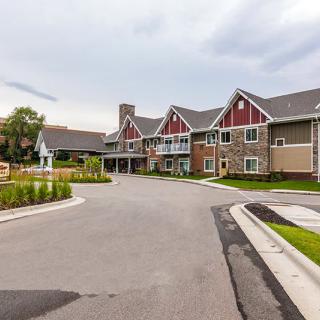
    The Holistic Home Care in Woodbury, MN is a welcoming and fully furnished assisted living community that offers a wide range of amenities and care services to meet the needs of its residents. Our spacious and comfortable rooms are equipped with cable or satellite TV, Wi-Fi/high-speed internet, a telephone, and a kitchenette for convenience.

    To ensure a healthy and enjoyable stay, we provide housekeeping services and offer special dietary restrictions in our dining area. Our dedicated staff is available 24/7 to provide assistance with activities of daily living, bathing, dressing, transfers, medication management, and coordination with healthcare providers. We also offer diabetes diet plans and meal preparation services.

    Residents at our community can enjoy a peaceful outdoor space for relaxation or participating in resident-run activities. We organize scheduled daily activities to keep our residents engaged and active. If transportation is needed for medical appointments or other errands, our staff can arrange it accordingly.

    Our prime location in Woodbury offers easy access to nearby cafes, parks, pharmacies, restaurants, places of worship, theaters, physicians' offices, and hospitals. This ensures that residents can conveniently explore the local area or seek any necessary medical attention.

    At Holistic Home Care in Woodbury, MN, we strive to create an inclusive and supportive environment where seniors can enjoy their lives while receiving the care they need.

    Nearby Places of Interest

    Parks

    • Ojibway Park (0.6 miles)
    • Kargel Park (2.1 miles)
    • Fairway Meadows Park (2.8 miles)
    • Eastside Park (4.2 miles)
    • Meadow Grass Park (4.6 miles)
    • Woodbury Dog Park (4.6 miles)
    • Heritage Village Park (4.9 miles)

    Restaurants

    • Punch Neapolitan Pizza (0.7 miles)
    • Chick-Fil-A (1.1 miles)
    • The Tavern Grill (1.6 miles)
    • Raising Cane's Chicken Fingers (1.8 miles)
    • Tamarack Tap Room (1.9 miles)
    • Portillo's Hot Dogs (2.1 miles)
    • McDonald's (2.7 miles)

    Pharmacies

    • Walgreens (0.8 miles)
    • CVS Pharmacy (1.8 miles)
    • CVS Pharmacy (2.3 miles)
    • Mix Compounding Pharmacy (3.6 miles)
    • Walgreens (3.7 miles)
    • Walgreens (4.5 miles)
    • Target Pharmacy (5.6 miles)

    Hospitals

    • Woodwinds Health Campus-Woodbury (1.4 miles)
    • Regions Hospital Burn Center (7.6 miles)
    • St Joseph's Hospital-St Paul (7.7 miles)
    • United Hospital Joint Relacement Center (8 miles)

    Physicians

    • Aris Clinic (1.6 miles)
    • Eric Thomas Becken (1.6 miles)
    • Twin Cities Orthopedics Woodbury (1.8 miles)
    • Minnesota Gastroenterology PA (2.2 miles)
    • TRIA Orthopaedic Center (2.4 miles)
    • Pediatric Surgical Associates (2.6 miles)
    • Pediatric and Young Adult Medicine (2.7 miles)

    Places of Worship

    • Five Oaks Community Church (2.1 miles)
    • Eagle Brook Church - Woodbury Campus (3.6 miles)
    • Transfiguration Catholic Church (4.1 miles)
    • Cottage Grove United Church of Christ (5.7 miles)
    • Cathedral of St Paul (8.1 miles)

    Theaters

    • Alamo Drafthouse Woodbury (2.5 miles)
    • AMC Inver Grove 16 (6.3 miles)
    • Oakdale Cinema Oakdale, Mn (8.1 miles)

    Cafes

    • Starbucks (2.8 miles)
    • Caribou Coffee (5.6 miles)

    Transportation

    • Union Depot (7.1 miles)

    Frequently Asked Questions

    Where is Holistic Home Care?

    Nearby Communities

    Related Resources

    • is assisted living tax deductibleIs Assisted Living Deductible on Your Taxes? Understanding the Complexities of Assisted Living Expenses and Deductions

      The deductibility of assisted living expenses on taxes hinges on factors like the individual's medical condition and service nature, typically requiring the resident to be "chronically ill" per IRS definitions. Taxpayers may deduct eligible medical expenses related to personal care services but generally not rent unless primarily for medical care, and they should maintain thorough documentation to support claims while considering itemizing versus standard deductions.

    • va benefits for assisted livingAssisted Living Support for Veterans: A Complete and Detailed Overview

      The guide highlights the importance of assisted living facilities for aging veterans needing daily support, discusses unique challenges they face, and outlines available financial assistance from the VA, including the Aid and Attendance program. It emphasizes understanding eligibility criteria and navigating the VA system to access necessary benefits effectively.

    • assisted living vs skilled nursingExploring the Contrasts Between Assisted Living and Skilled Nursing

      The article compares assisted living and skilled nursing facilities, detailing their differing levels of assistance, medical support, cost structures, and day-to-day experiences. It emphasizes that assisted living is for those needing help with daily activities while maintaining independence, whereas skilled nursing facilities provide intensive medical care with 24-hour staff supervision.


    Get Pricing Ask A Question Schedule A Tour Contact Senior Advisor