
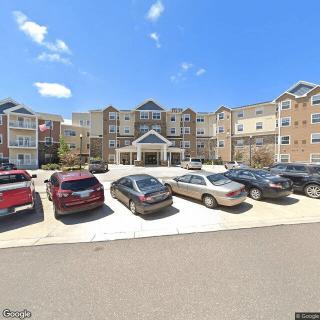
1655 Beam Avenue, Maplewood, MN 55109
For more information about senior living options: (866) 208-4318
Overall Review of Healtheast Home Care
Cons
 The hospital does not accept pediatric patients.
- The food challenge incurred about $1,000 after insurance.
- The child had to be transported to a children's hospital by ambulance after two doses of epipen were used.
- The hospital charged $250 for using an epipen, despite the family supplying their own prescribed one.
- Because the facility cannot care for children with severe reactions, an ambulance and an ER bill from another provider were required.
- The total cost ended up nearly $3,000.
- The reviewer says not to bring children there for food allergy care and to seek care closer to a children's hospital.
- It’s not worth the risk.
Review
Healtheast Home Care in Maplewood, Minnesota is best suited for adults who need steady, non-emergency in-home support, care coordination, medication reminders, and routine follow-up care delivered in familiar surroundings. The service appears to function effectively for straightforward cases where the focus is daily living assistance rather than urgent medical events. What stands out is a model that keeps care inside the home, avoiding the logistics of hospital visits for routine needs. However, the most consequential implication of the available reviews is that the operation is not prepared to handle pediatric emergencies or complex allergy responses. Families with children should not assume this provider can substitute a pediatric or allergy-focused care plan.
Those with dependents who require pediatric-grade emergency readiness should actively consider alternatives. The clear message from the negative experience is that this facility cannot safely manage severe allergic reactions or other urgent pediatric issues on-site. The patient’s family found the costs of a food challenge and subsequent ambulance transport obscenely high, with multiple charges that balloon the bill well beyond expectations. Another actionable insight is the suggestion to locate services closer to a children's hospital to minimize transport and inter-facility billing complexity. In short, if the child’s safety plan depends on rapid pediatric care, a different provider is essential.
On the upside, in-home care can be convenient and consistent when the needs are routine and stable. A high rating from one reviewer hints that, for non-emergency tasks, the team can deliver reliability and a respectful bedside approach. Yet those advantages do not meaningfully offset the fundamental drawback: a pediatric‑care gap that can expose families to delays, misaligned protocols, and unexpected medical charges when emergencies occur. The result is a service that shines in ordinary days but falters when the scenario crosses into pediatric allergy management or acute care. For families seeking predictable, adult-focused support, this balance may be acceptable; for anyone with children, caution is warranted.
The most severe concern is the lack of pediatric readiness. The story of a child undergoing a food challenge there, having to be transported by ambulance to a children's hospital, illustrates what can go wrong. The staff reportedly used their own epipen while charging for each dose, even when a prescribed epipen was already on hand, triggering additional costs, $250 per dose, plus an ambulance bill around $1,000 and a hospital ER charge of about $600. Taken together, the total landed near $3,000, a figure that would alarm any family navigating tight budgets. This combination of care gaps and billing surprises makes pediatric cases not just risky, but financially punitive.
Given these realities, families with kids should evaluate alternatives that pair in-home support with genuine pediatric readiness. Look for agencies affiliated with pediatric networks, emergency protocols, and clear, upfront pricing for medications, devices, and transport. When visiting any option, press for a concrete plan for allergy events, staff training in pediatric protocols, and a transparent billing policy. The note about near-term proximity to a children's hospital is not a minor detail, it can be a decisive factor in reducing risk and cost during emergencies. For some seniors, the in-home model remains attractive; for others, the ideal balance lies elsewhere.
Bottom line: Healtheast Home Care can serve well for adults seeking steady, non-emergency in-home support, and the favorable 5-star voice suggests reliability in standard tasks. However, the stark pediatric safety gap and potential billing volatility tilt the decision away from choosing this provider for families with children, especially those with known food allergy needs. If the decision centers on adult-only care, confirm that the scheduling, communication, and medication management meet expectations and that costs remain transparent. If pediatric care is even possible, prioritize options with immediate access to pediatric specialists and hospital networks. Informed choices now prevent costly, stressful detours later.
 21 resident community capacity
 Assisted Living
 Beauty salon
 Cable or satellite TV
 Dining room
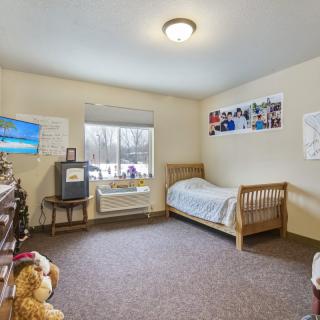
 Fully furnished
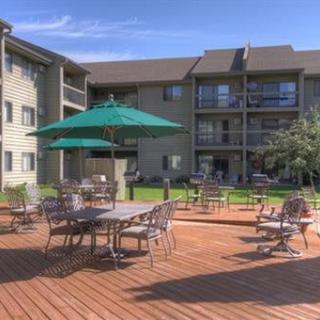
 Garden
 Housekeeping services
 Kitchenette
 Move-in coordination
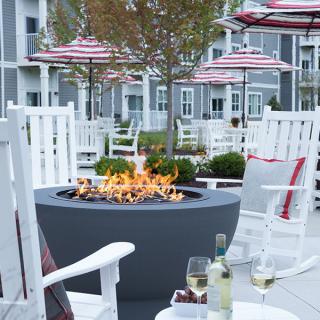
 Outdoor space
 Telephone
 Wi-Fi/high-speed internet available
 Minneapolis-St Paul International (14 miles away)
 24-hour call system
 Activities of daily living assistance
 Assistance with bathing
 Assistance with dressing
 Assistance with transfers
 Diabetes diet
 Meal preparation and service
 Medication management
 Mental wellness program
 Special dietary restrictions
 Transportation arrangement (medical)
 Transportation to doctors appointments
 Excellent activities program and compassionate staff in a warm, home-like setting.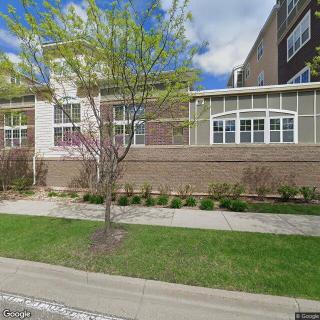
 Understanding the Distinctions: Assisted Living and Memory Care Explained
 Guiding Elderly Parents Who Refuse Assisted Living: 6 Practical Steps
 Your Comprehensive Guide to Luxury Assisted Living: Elevated Facilities, Amenities, and Costs