
13628 Pilot Knob Road, Apple Valley, MN 55124
For more information about senior living options: (866) 208-4318
Overall Review of Community Assisted Living III
Pros
 They provide wonderful care for loved ones.
- The house appears nice during a tour.
Cons
 Donna lies about the pay.
- The facility is poorly staffed, and communication is bad.
- The houses aren’t maintained and are dirty; no one keeps them clean.
- The owner Donna is a joke and doesn’t know what goes on in the houses.
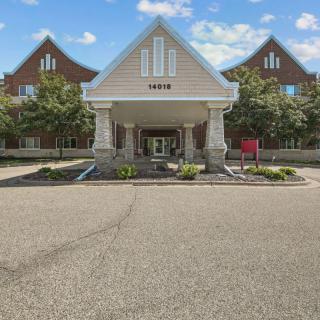
- Outside is a dump with weeds growing in the gutters; the place looks neglected.
- They hire anyone for shifts to avoid complaints, and the owner yells at people with no respect.
Review
Community Assisted Living III in Apple Valley is best suited for families that want a small, home-like setting where staff can deliver attentive, personal care and where active family involvement is anticipated and welcomed. This community rewards oversight and regular check-ins from relatives or guardians who can press for consistent communication, clean surroundings, and reliable scheduling. It is not a fit for those seeking a hands-off experience or flawless, everywhere-at-once operations; the setting works best when caregivers and families share a clear, proactive plan and stay aligned on resident needs.
Two reviewers point to genuine warmth and quality care when operations run smoothly, signaling that the core mission, kind, responsive support for residents, can shine. The positive threads suggest a potential for meaningful bonding between residents and caregivers, especially in a smaller, more intimate environment where staff know individuals well. That said, the strength of these moments hinges on reliable staffing, effective leadership, and steady clean practices. When those elements falter, the same environment that can feel comforting quickly reveals its fragility, and expectations around consistency become critical to measure against.
The most significant concerns cluster around staffing stability, communication, and maintenance. Reports describe chronic understaffing, uneven meal quality, and insufficient everyday upkeep, with residents sometimes receiving minimal meals or unclear dietary attention. Communication gaps, whether about billing, scheduling, or care plans, undercut trust and safety, leaving families unsure about what actually happens in a given shift. Leadership friction and a perception that management is not fully accountable intensify these issues, contributing to a sense of inconsistency that colors every other observation about the facility.
These drawbacks do not exist in a vacuum; they directly influence whether the perceived pros can offset the cons. A warm, neighborly setting and genuine caregiver attention may still emerge, but only if staffing is stable and communication is transparent. The gaps in cleanliness, meal quality, and administrative clarity erode the value of the small-house advantage, making continuity of care unreliable. Without reliable leadership and predictable operations, the benefits feel contingent rather than enduring, increasing the likelihood of disruption for residents and stress for families.
For families evaluating options, a disciplined due-diligence approach is essential. During tours, scrutinize cleanliness in common areas and rooms, and request to observe meal service and dining routines to gauge consistency. Ask about current staffing ratios, turnover, and how shifts are managed; demand concrete contact points for billing and care-plan updates; request to speak with several frontline staff and a few residents about daily experiences. Review recent inspection or licensing records if available, and seek a clear plan for addressing any recurring issues. If the response is evasive or promises only vague improvements, that is a red flag. Consider alternatives in the area with demonstrated stability in staffing, maintenance, and transparent operations to minimize risk of upheaval for a loved one.
Ultimately, this community can still work for families who can stay actively involved and who prioritize a close-knit, person-centered vibe while tolerating the possibility of operational hiccups. For those needing dependable consistency, impeccable upkeep, and unequivocal trust in management, exploring other nearby assisted-living options is strongly advisable. The decision should hinge on a candid assessment of whether ongoing, hands-on oversight will be sustainable and whether the care quality during stable periods justifies the risks associated with reported staffing and workplace concerns. Conduct a thorough, question-driven tour, compare findings with nearby peers, and let that due diligence guide the final choice.
 12 resident community capacity
 Assisted Living
 Cable or satellite TV
 Dining room
 Fully furnished
 Garden
 Housekeeping services
 Move-in coordination
 Outdoor space
 Telephone
 Wi-Fi/high-speed internet available
 Minneapolis-St Paul International (9 miles away)
 24-hour supervision
 Activities of daily living assistance
 Assistance with bathing
 Assistance with dressing
 Assistance with transfers
 Diabetes diet
 Meal preparation and service
 Medication management
 Special dietary restrictions
 Transportation arrangement (medical)
 Transportation to doctors appointments



 How and When Medicaid May Cover Assisted Living Costs
 A Detailed Exploration of Assisted Living Medicaid Waivers Across the United States
 Comprehensive Residential Support and Assisted Living Solutions for Individuals with Disabilities