2 Caring Hands IV

4939 140Th Street West, Apple Valley, MN 55124

For more information about senior living options: (844) 490-3973

2.1 from 7 reviews
5 stars
2
4 stars
0
3 stars
0
2 stars
0
1 stars
5

Assisted Living

2 Caring Hands IV Costs & Pricing

At 2 Caring Hands IV, the monthly cost for a private room is $6,780, which reflects a commitment to providing high-quality care and personalized services tailored to individual needs. When compared to the regional averages in Dakota County and the broader state of Minnesota - where private room costs are approximately $5,040 and $5,090 respectively - 2 Caring Hands IV's pricing is notably higher. This difference may be indicative of enhanced amenities, specialized programs, or a superior staff-to-resident ratio that contributes to an elevated living experience for residents. Though the investment is greater than some alternatives in the area, families looking for exceptional care might find that the added cost aligns with their desire for peace of mind regarding their loved ones' well-being.

Floor plans2 Caring Hands IVDakota CountyMinnesota
Private$6,780$5,040$5,090

What level of care are you interested in?

Assisted Living

Memory Care

Independent Living

Skilled Nursing Facility

Continuing Care Retirement Community (CCRC)CCRC

Other


Request a tour at 2 Caring Hands IV

    Overall Review of 2 Caring Hands IV

    Pros

    • pro The family was very thankful that their loved one was at Two Caring Hands in Lakeville, MN.
    • pro Everyone at Two Caring Hands was described as very nice.
    • pro The facility provided three showers per week as requested.
    • pro All of the family's requests were met.
    • pro They created a home-like setting and the resident could be visited often.
    • pro Two Caring Hands is presented as a place where loved ones are treated like family and cared for.

    Cons

    • pro The staff are mostly relatives or non-English speakers, hindering communication.
    • pro The house frequently ran out of food for residents.
    • pro A resident pulled a knife on an employee and started a small fire, with that resident later moved to a different house.
    • pro Lynette injured the mother by attempting a lift alone, breaking the wheelchair and the mother's shelf of dolls.
    • pro The night staff, including Ann's nephew, yelled at and demeaned a resident.
    • pro The RN Matthew allegedly did not verify the mother's pain and did not respond, contributing to hospitalization and sepsis.
    • pro There are allegations of neglect and cover-up, including a morbidly obese resident needing a hoyer lift and multiple falls, and a death after wrong medication.
    • pro Transfers require waiting for the sisters or their husbands to come to the house; staff cannot proceed without them.

    Review

    Two Caring Hands in Lakeville, Minnesota, presents a strikingly mixed set of experiences in the reviews that have been shared. On one side, there are glowingly positive accounts from family members who felt their loved ones were treated with kindness and respect, and who describe the home as a comfortable, home-like setting where requests were accommodated and visits were welcomed. In stark contrast, a parade of other reviewers paints a picture of significant safety, staffing, and care concerns that, in their view, amounted to neglect or worse. Taken together, the collection of narratives suggests two very different realities coexisting under the same name.

    Several reviewers describe a very favorable, even affectionate, atmosphere when their relative was welcomed into Two Caring Hands. One family member recounted that their mother moved into a "nice house" that felt like home, with staff who were able to meet requests such as regular showers and frequent visits. They described the staff as caring, attentive, and accommodating, and claimed that their loved one was well cared for in a setting that reminded them of a family home. One RN who had extensive experience wrote that the staff made it a home setting and that all requests were met, highlighting the care team's apparent responsiveness and the sense of family-like teamwork. There are explicit statements of gratitude and pride from some families, including remarks about the warmth of the staff and the overall quality of care from those who viewed the facility as a good place for their relatives to reside.

    But for many others, the picture is troubling and multi-faceted. A recurring theme is the presence of relatives or friends in the workforce and, more problematically, a perceived barrier to communication due to language. Several reviewers allege that many employees are kin or otherwise not fully proficient in English, creating misunderstandings and inadequate communication with residents and their families. Complaints extend to basic operational issues - food shortages, insufficient staffing, and a perception that the home was not meeting its obligations to provide adequate nutrition and supervision. In some accounts, residents who posed safety risks or who needed attention were not managed promptly, leading to alarming situations.

    Specific incidents are described in painful detail. One reviewer alleges a resident pulled a knife on an employee and started a small fire, with that resident reportedly remaining in the system but moved to another house rather than being appropriately addressed. There are also accounts of injuries to residents and property damage: a staff member named Lynette allegedly injured a resident during a transfer, breaking the resident's wheelchair and a personal doll shelf in the process. A night staff member, identified as Tony, described as Ann's nephew and the son of one of the owners, is said to have yelled at and demeaned a resident in front of the reviewer. The reviewer who reported these events asserts that Ann showed indifference and failed to acknowledge concerns when they were raised.

    Medical care and monitoring are another major point of contention. There are serious accusations that medical oversight was inadequate, culminating in a hospital admission for a resident who allegedly developed sepsis after UTIs were downplayed by a clinician named Matthew. According to the reviewer, there was a failure to accurately assess pain or symptoms, and communications regarding the resident's condition and needs were not reliable. Complaints of overmedication surface in multiple narratives, including a claim that a nurse's actions led to a patient being overly sedated to the point of incompetence, and that other residents experienced worsened health as a result of improper medication administration.

    Beyond issues of care and medical management, several reviews allege broader organizational and supervisory deficiencies. Critics describe a pattern of delays and a lack of accountability from the management team, including unresponsiveness to texts and calls and a sense that the owners' family members remain the primary point of contact rather than professional oversight or external accountability. Some reviewers assert that transfers require the intervention of the sisters or their husbands, implying a centralization of decision-making power that may slow or complicate appropriate responses to needs. Night shifts are described as problematic, with allegations that staff sleep on the job and that personal acquaintances or boyfriends are present at night, raising further concerns about safety and professionalism. There are also claims about overtime pay being elusive for workers, and about staff being kept on long assignments without proper compensation or breaks, suggesting potential exploitation or mismanagement of labor resources.

    Documentation and regulatory compliance are called into question by several reviewers who claim that medical records are not kept, or are not kept in a way that supports continuity of care. The Ombudsman is alluded to by at least one reviewer as a point of reference, implying that state-level oversight has become a relevant factor for families with concerns. The tone among these reviewers is one of frustration and distrust, with accusations that what is presented publicly as positive reputation is largely generated by family members who work at the facility, and that many of the favorable statements - while sincere in isolation - do not align with the broader array of experiences reported by others.

    In sum, the stories about Two Caring Hands in Lakeville reveal two divergent narratives folded into one existence. For some families, the setting offers warmth, engagement, and a sense of home where caregivers appear to be attentive and responsive to requests, and where visits are welcomed and supported. For others, the atmosphere is shadowed by serious concerns about safety, staffing, language barriers, inadequate supervision, and questionable medical and administrative practices. The contrasts are stark: gratitude and trust in some reviews sit alongside accusations of neglect, systemic mismanagement, and harm in others. Given the breadth and seriousness of the concerns raised, prospective families might consider conducting thorough due diligence, seeking external verification, and engaging with third-party oversight or regulators to gain a complete and balanced understanding before making decisions about care at this facility.

    Features

    Housing

    • 6 resident community capacity 6 resident community capacity

    Types of Care

    • Assisted Living Assisted LivingAssisted living facilities provide crucial support and care for seniors who may need help with daily tasks such as medication management, bathing, and meal preparation. These communities offer a safe and comfortable environment where seniors can maintain their independence while receiving the assistance they need to thrive in their golden years.

    Amenities

    • Cable or satellite TV Cable or satellite TVCable or satellite TV is important for seniors because it provides entertainment, news, and companionship, helping to combat loneliness and boredom. It also offers a wide range of programming options tailored to different interests and preferences.
    • Dining room Dining roomDining rooms are important for seniors as they provide a space for socialization, connection, and nutritious meals. They offer opportunities for residents to bond over shared meals, foster a sense of community, and promote healthy eating habits. Dining rooms also ensure that seniors have access to well-balanced meals tailored to their dietary needs and preferences.
    • Fully furnished Fully furnishedFully furnished senior living communities are important for seniors because they provide convenience, comfort, and a hassle-free moving experience. Seniors can easily settle into their new living space without the stress of having to buy and move furniture. This allows them to focus on enjoying their new home and community.
    • Garden GardenGardens are important for seniors as they provide a peaceful and therapeutic environment for relaxation, physical activity, and socialization. Being in nature has been shown to reduce stress, improve mood, and promote overall well-being. Gardens also offer opportunities for seniors to engage in gardening activities, which can improve mobility, flexibility, and cognitive function. Additionally, gardens create a sense of community and connection with others who share a passion for plants and outdoor spaces.
    • Housekeeping services Housekeeping servicesHousekeeping services are important for seniors because they help maintain a clean and safe living environment, promote independence, and reduce the risk of accidents or illnesses. Additionally, having assistance with household chores can alleviate physical strain and allow seniors to focus on other aspects of their well-being.
    • Move-in coordination Move-in coordinationMove-in coordination is important for seniors because it helps ease the transition into their new living environment. It ensures that all logistics, such as packing, organizing movers, and setting up utilities are taken care of, allowing seniors to focus on settling in and adjusting to their new home. Having a smooth move-in process can alleviate stress and anxiety, making the transition smoother and more enjoyable for seniors.
    • Outdoor space Outdoor spaceOutdoor spaces are important for seniors as they provide opportunities for physical activity, social interaction, exposure to natural light and fresh air, and a sense of connection to nature. Having access to outdoor spaces can improve overall well-being and quality of life for older adults living in senior communities.
    • Telephone TelephoneTelephones are important for seniors as they provide a lifeline for communication with loved ones, emergency services, and healthcare providers. They offer a sense of security and independence, enabling seniors to stay connected and access assistance when needed.
    • Wi-Fi/high-speed internet available Wi-Fi/high-speed internet availableWi-Fi/high-speed internet is important for seniors to stay connected with loved ones, access online resources, and participate in virtual activities to combat feelings of loneliness and isolation. It also allows them to easily manage healthcare needs, access entertainment, and engage in lifelong learning opportunities.

    Transportation

    • Minneapolis-St Paul International (10 miles away) Minneapolis-St Paul International (10 miles away)

    Care Services

    • 24-hour supervision 24-hour supervision24-hour supervision is important for seniors to ensure their safety, well-being, and access to immediate assistance in case of emergencies or health issues. This constant support provides peace of mind for both seniors and their loved ones, allowing them to age in place with dignity and security.
    • Activities of daily living assistance Activities of daily living assistanceActivities of daily living assistance are important for seniors because they provide essential support with tasks such as eating, bathing, dressing, and mobility. This assistance helps seniors maintain their independence, dignity, and overall quality of life as they age.
    • Assistance with bathing Assistance with bathingAssistance with bathing is crucial for seniors as it helps maintain personal hygiene, prevents infections, and ensures their overall well-being and comfort. It also provides a sense of dignity and independence for seniors who may struggle with this task on their own.
    • Assistance with dressing Assistance with dressingAssistance with dressing is important for seniors because it helps maintain their independence, promotes personal hygiene, prevents accidents and injuries, and improves overall quality of life. This service ensures that seniors can continue to dress comfortably and confidently, despite any physical limitations they may have.
    • Assistance with transfers Assistance with transfersAssistance with transfers is crucial for seniors as it helps prevent falls and injuries, maintains their independence, and ensures they can safely navigate their living environment. It also provides peace of mind for both seniors and their loved ones.
    • Coordination with health care providers Coordination with health care providersCoordination with health care providers is crucial for seniors to ensure proper medical care, medication management, and overall well-being. This collaboration helps prevent overlapping treatments, track progress more effectively, and provide comprehensive support tailored to individual needs.
    • Diabetes diet Diabetes dietA diabetes diet is crucial for seniors as it helps manage blood sugar levels, reduce risks of complications, and improve overall health and well-being. By following a balanced and nutritious diet tailored to their specific needs, seniors can better control their diabetes and enhance their quality of life.
    • Meal preparation and service Meal preparation and serviceMeal preparation and service are crucial for seniors as they may have limited mobility or energy to cook nutritious meals. Having access to healthy and convenient food options can ensure they are getting the proper nutrition needed to maintain their overall health and well-being.
    • Medication management Medication managementMedication management is crucial for seniors to ensure they are taking the right medications at the correct dosages and times. This helps prevent adverse drug interactions, reduces the risk of medication errors, and promotes overall health and well-being. Proactive management also allows for adjustments as needed based on changing health conditions or new prescriptions.
    • Special dietary restrictions Special dietary restrictionsSpecial dietary restrictions are important for seniors because age-related changes in metabolism and health conditions can make it difficult for their bodies to process certain foods. By following a diet tailored to their specific needs, seniors can maintain their overall health and well-being, manage chronic conditions, and reduce the risk of complications such as malnutrition or food interactions with medications.
    • Transportation arrangement (medical) Transportation arrangement (medical)Transportation arrangements for medical purposes are essential for seniors as they may have difficulty driving themselves to appointments or accessing public transportation. Having reliable and safe transportation options ensures that seniors can receive timely medical care and maintain their health and well-being.
    • Transportation to doctors appointments Transportation to doctors appointmentsTransportation to doctors' appointments is crucial for seniors as it ensures they have access to necessary medical care and support for their health needs. Without reliable transportation, seniors may struggle to attend important appointments, leading to potential delays in treatment and health complications. Providing transportation services helps seniors maintain their overall well-being and quality of life.

    Dining

    • Diabetes diet Diabetes dietA diabetes diet is crucial for seniors as it helps manage blood sugar levels, reduce risks of complications, and improve overall health and well-being. By following a balanced and nutritious diet tailored to their specific needs, seniors can better control their diabetes and enhance their quality of life.
    • Special dietary restrictions Special dietary restrictionsSpecial dietary restrictions are important for seniors because age-related changes in metabolism and health conditions can make it difficult for their bodies to process certain foods. By following a diet tailored to their specific needs, seniors can maintain their overall health and well-being, manage chronic conditions, and reduce the risk of complications such as malnutrition or food interactions with medications.

    Activities

    • Community-sponsored activities Community-sponsored activitiesCommunity-sponsored activities are important for seniors as they provide opportunities for social interaction, mental stimulation, and physical activity. These activities can help improve overall well-being, combat loneliness and isolation, and promote a sense of belonging and purpose among older adults.
    • Scheduled daily activities Scheduled daily activitiesScheduled daily activities are important for seniors because they provide structure, socialization, mental stimulation, and physical activity. Engaging in regular activities can improve overall well-being and quality of life for seniors living in a community setting.

    Description

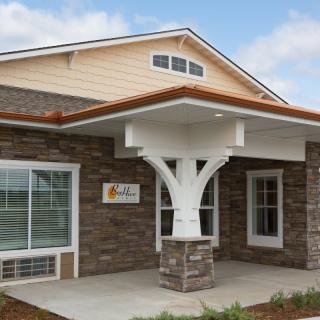
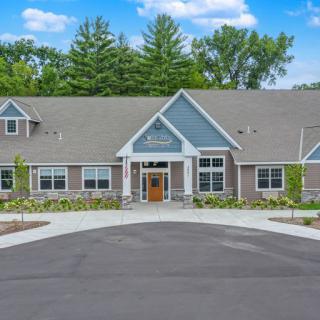
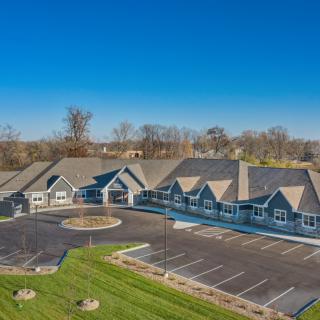
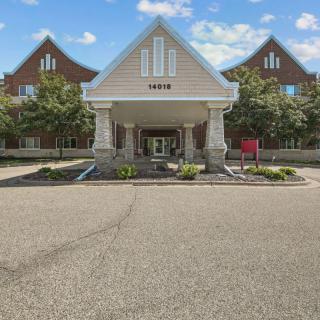
    Caring Hands IV in Apple Valley, MN is an assisted living community that provides a wide range of amenities and care services to ensure the comfort and well-being of its residents. The community offers a dining room where residents can enjoy nutritious meals prepared by the staff and tailored to any special dietary restrictions they may have. Each residential unit is fully furnished, providing a comfortable and homely atmosphere for the residents.

    Caring Hands IV also boasts beautiful outdoor spaces, including a garden, where residents can relax and enjoy nature. Housekeeping services are provided to ensure that the community is always clean and tidy. Residents can stay connected with their loved ones through telephone and Wi-Fi/high-speed internet access.

    The care services offered at Caring Hands IV include assistance with activities of daily living such as bathing, dressing, and transfers. The staff also coordinates with healthcare providers to ensure that all medical needs are met. Residents with diabetes will receive personalized care with a specialized diet plan. Medication management is available for those who require assistance in taking their medications.

    Transportation arrangement for medical appointments is provided to ensure easy access to healthcare facilities. Additionally, there are numerous cafes, parks, pharmacies, physicians' offices, restaurants, places of worship, theaters, and hospitals located nearby for convenience.

    At Caring Hands IV in Apple Valley, MN, residents can expect a compassionate and supportive community that prioritizes their comfort and overall well-being while providing excellent care services in a warm and inviting environment.

    Nearby Places of Interest

    Pharmacies

    • Walgreens (0.5 miles)
    • Walgreens (1.5 miles)
    • Allina Health Minneapolis Heart Institute – Apple Valley (2.2 miles)
    • CVS Pharmacy (2.3 miles)
    • Walgreens (2.8 miles)
    • Walgreens (3.6 miles)
    • CVS Pharmacy (4.1 miles)

    Cafes

    • Caribou Coffee (1.5 miles)
    • Starbucks (2.1 miles)
    • Panera Bread (2.6 miles)
    • Starbucks (2.7 miles)
    • Starbucks (3.7 miles)
    • Dunn Brothers Coffee (4.2 miles)
    • Caribou Coffee (5.8 miles)

    Restaurants

    • Wendy's (1.6 miles)
    • Jersey Mike's (1.9 miles)
    • McDonald's (2 miles)
    • Taco John's (2 miles)
    • Celts Irish Pub and Grill (2 miles)
    • Culver's (2.1 miles)
    • Culver's (2.4 miles)

    Physicians

    • Dr Anthony Battaglia (1.7 miles)
    • Rosemount Family Physicians (1.9 miles)
    • Nystrom & Associates (2.5 miles)
    • Sstar-Sports Specific Training & Rehab (3.9 miles)
    • Southdale Pediatrics (5.1 miles)
    • Fairview Ridges Specialty Care Center (5.3 miles)
    • Fairview Ridges Specialty Care Center Park Nicollet Obgyn (5.4 miles)

    Hospitals

    • Apple Valley Medical Clinic (2.2 miles)
    • Fairview Ridges Hospital (5.3 miles)

    Theaters

    • Jj’s Theatre & Draft House (2.6 miles)
    • Emagine Eagan (3.8 miles)

    Parks

    • Lebanon Hills Regional Park (3.1 miles)
    • Bloomfield Park (3.5 miles)
    • Foxborough Park (4.1 miles)
    • Keller Park (4.3 miles)
    • Lac Lavon Park (4.6 miles)
    • Greenhaven Park (6.3 miles)
    • Central Park (6.4 miles)

    Places of Worship

    • Woodcrest Church (4.2 miles)

    Transportation

    • Mall of America LRT Station (8.2 miles)

    Frequently Asked Questions

    How much does it cost to live at 2 Caring Hands IV in Apple Valley, MN?
    Where is 2 Caring Hands IV?

    Nearby Communities

    Related Resources

    • how to pay for assisted livingSecuring Financial Support for Assisted Living: A Comprehensive Overview

      Assisted living facilities offer crucial support for older adults needing help with daily activities but come with varying and significant costs, which can be financed through personal savings, government assistance programs, long-term care insurance, and home equity options. Professional guidance from experts can aid families in navigating these financial complexities to establish a sustainable budgeting approach for assisted living services.

    • assisted living for seniors on social securitySocial Security Benefits and Assisted Living: Navigating Options Across the U.S.

      Assisted living costs often exceed Social Security benefits, necessitating a combination of funding sources like state aid and Medicaid. Understanding the interaction between Social Security programs and available financial support is essential for affording such care.

    • aid and attendance vaAn Extensive Exploration of the VA Aid and Attendance Benefit

      The VA Aid and Attendance benefit provides financial support to veterans needing assistance with daily living due to medical conditions or disabilities, augmenting standard VA pensions for services like in-home care. Eligibility is based on service duration, wartime status, income, and medical needs, with a detailed application process required to access funds for caregiving and home modifications.


    Get Pricing Ask A Question Schedule A Tour Contact Senior Advisor