







1200 Lanigan Way Sw, St. Joseph, MN 56374
For more information about senior living options: (866) 208-4318
Overall Review of Woodcrest Of Country Manor
Pros
 The staff is kind, caring and compassionate.
- Gail, Jason, Beth, Jane, Tracy and many more are rockstars.
- Woodcrest has been rated a top facility by people in Central MN and by US Magazine.
- It is a very nice place to live.
- They moved their father-in-law to Woodcrest and found it to be a fabulous retirement community.
- He loves his apartment.
Cons
 The supposed director is rude beyond belief and denies that the facility is a care facility despite the sign.
- The director is described as clueless and disrespectful toward residents and staff.
- The owner is rude on the phone, dishonest, and fails to acknowledge gifts or thank donors.
- Management is accused of misleading marketing and of enforcing a punitive mask policy after money was taken, including threats to call the police to limit visits.
- The facility is claimed to be about 43% more expensive than nearby facilities.
- There is very poor patient–staff communication, with staff failing to visit or understand the patient.
- The layout is confusing, and staff refuse to escort visitors to the resident’s room.
- Disposable dinnerware is used, described as cheap and unfriendly compared to reusable options.
Review
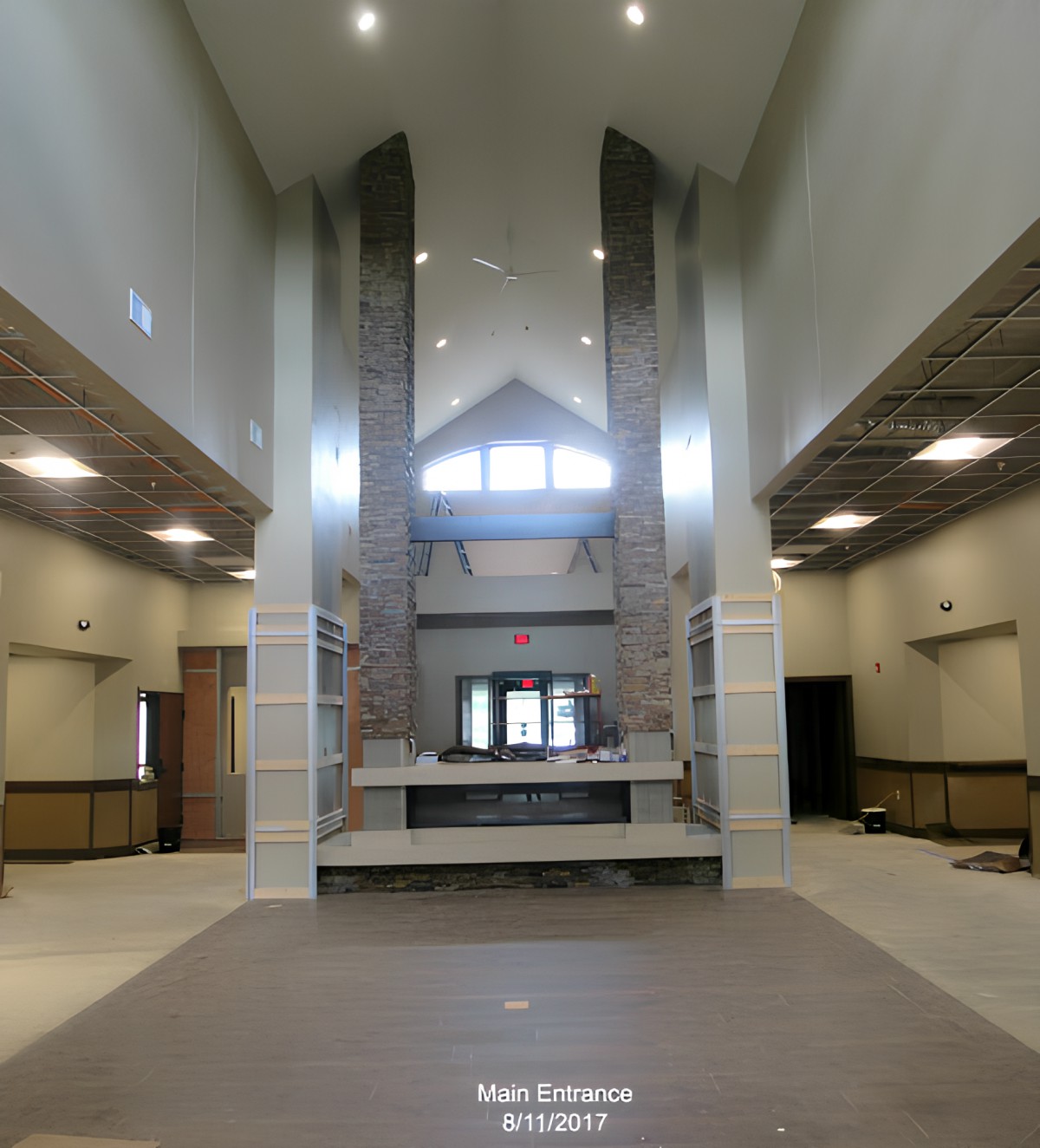
Woodcrest of Country Manor in St. Joseph, MN is best suited for families seeking a scenic, forested setting with active memory-care engagement and front-line caregiving that feels genuinely personal, even as price and governance questions loom. This community appeals to families who want an attractive campus, a solid mix of social and activity programming, and staff who can deliver hands-on care day-to-day. It is especially appealing to families who value staff consistency on the floor and who have the means to invest in a premium-fee option. Yet this is not a place for those who cannot tolerate leadership turnover, contentious policy debates, or significant price pressure. The strongest arguments to move forward are the palpable warmth from many caregiving staff and residents, along with a setting that makes daily life feel manageable and comfortable. Those who prize predictability in management and transparent handling of gifts or donor relations may want to consider other options first.
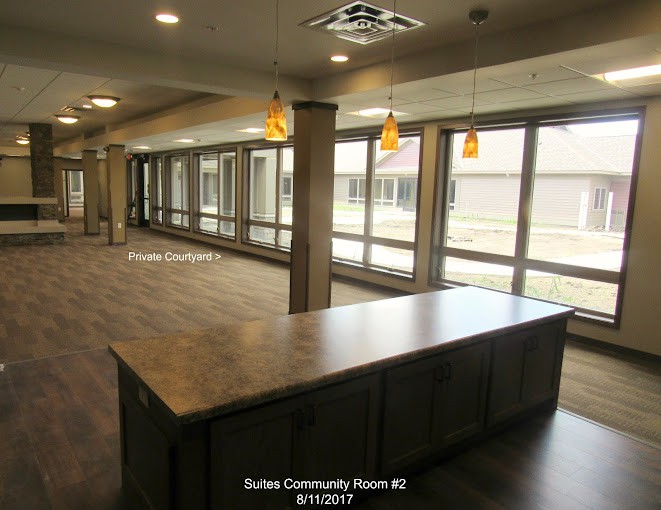
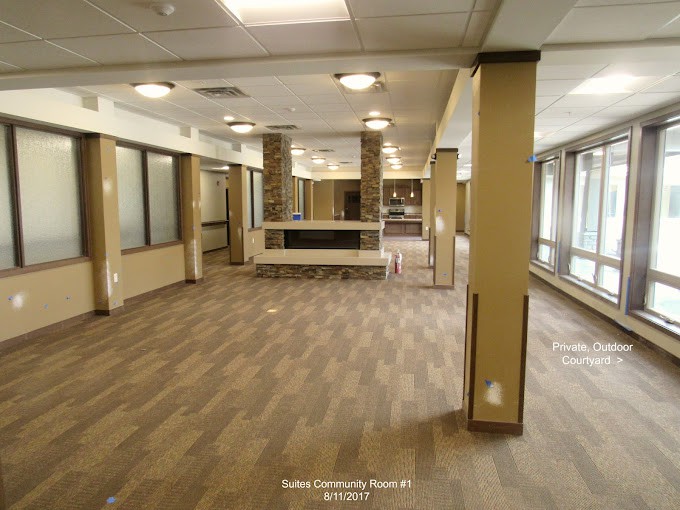
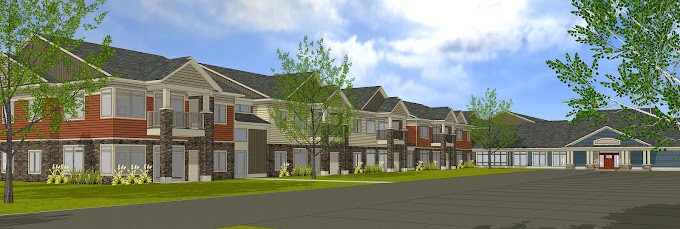
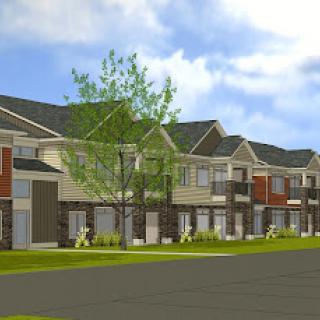
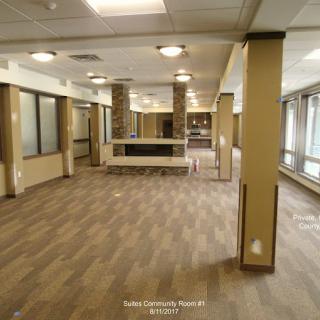
On the plus side, the most tangible strengths are the people and the place. Reviews repeatedly highlight frontline staff as kind, caring, and engaged, with particular praise for caregivers who keep residents active and socially connected. Names like Gail, Jason, Beth, Jane, and Tracy surface as dependable anchors for the community, and families speak of the sense of community that forms when residents build friendships and participate in daily activities. The campus itself is described as attractive and wooded, with a sense of “new retirement” that many families find comforting. For families navigating memory care needs, the impression is that a memory unit can offer meaningful engagement and purposeful programming, which matters when choosing a place where a loved one can feel known and involved. In short, Woodcrest delivers an environment where competent staff and a pleasant setting can translate into real quality-of-life advantages.
The most consequential drawbacks center on governance, cost, and everyday operations. A cluster of reviews allege misleading or inconsistent communications from leadership, including conflicting statements about marketing and mission. The management tone, at times described as brusque or inattentive, has fueled concerns about how donor gifts are acknowledged and how residents and families are treated during interactions. Price is another dominant theme; several reviewers compare Woodcrest’s fees unfavorably with nearby facilities, citing substantial cost premiums for services with not always commensurate differentiators in care. Operational friction appears in areas like visitor experience and communication with families, as well as practical concerns about the facility’s layout, navigation for newcomers, and questions about how well staff keep up with routine needs in real time. Add in critiques about disposable dinnerware and perceived setbacks in landscape upkeep, and the overall impression is of a premium product that may require more vigilance and advocacy to obtain the value advertised.
Because the positives are concrete, deep staff engagement and a serene, inviting campus, there is a credible offset to the downsides for families who can tolerate or address the governance gaps. When the leadership is responsive and the pricing structure is clearly understood and accepted, Woodcrest can deliver a high-touch experience that feels family-centered rather than corporate. The presence of seasoned staff who communicate well with residents and families can ease anxieties about dementia care, transitions, and daily routines. The setting itself adds a tangible advantage: a peaceful environment that supports socialization, outdoor time, and a sense of normalcy in daily living. In other words, the core strengths can outweigh the costs if management is predictable, transparent, and consistently courteous, and if the emphasis remains squarely on resident well-being rather than policy theatrics.
For families weighing options, several clear red flags suggest alternatives should be on the radar. If price sensitivity is a primary concern, or if stability and consistent, transparent governance are non-negotiable, it may be prudent to survey other nearby communities with similar care levels but firmer reputations for management reliability and clearer donor or resident recognition practices. If a smoother enrollment process, straightforward visitation practices, and a more predictable contract structure are valued, other options may deliver lower stress and fewer surprises. The positive experiences reported by some families, where Woodcrest feels like a genuinely improving environment with caring staff, underscore that some households will find exactly what they need here; those for whom the negatives are deal-breakers should look closely at comparable communities in the Sartell/St. Joseph corridor.
The practical path forward is concrete. Prospective families should request a candid meeting with the leadership team to review current pricing, service inclusions, and any recent changes in staff or policy. Ask for specific examples of resident programming in the memory-care wing and the cadence of caregiver communication with families. Demand a tour that includes the main entrance-to-room flow, bathroom accessibility, and the outdoor spaces that residents use daily. Inquire about the process for gifts or donations, including any acknowledgments, timelines, and who oversees donor relations. Finally, probe current staff turnover, direct feedback from current residents about daily interactions, and a transparent explanation of any discrepancies between marketing claims and day-to-day operations. When these elements line up, Woodcrest can be a compelling fit; when they don’t, the safer choice is to explore alternatives with steadier leadership and clearer value.
 30 resident community capacity
 Assisted Living
 Beauty salon
 Cable or satellite TV
 Dining room
 Fully furnished
 Garden
 Housekeeping services
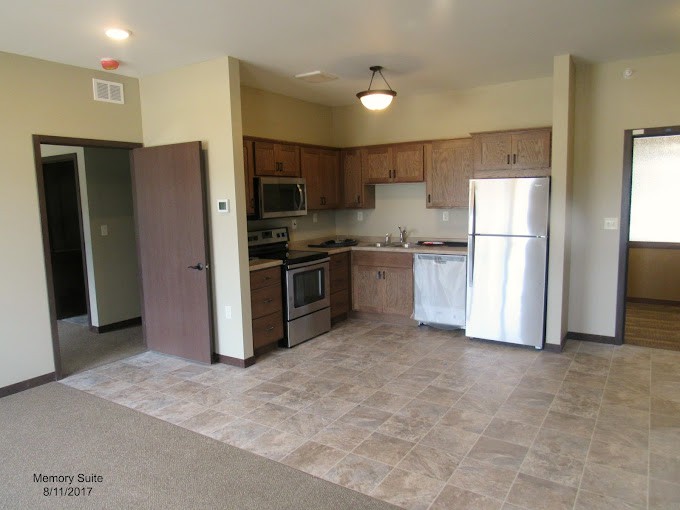
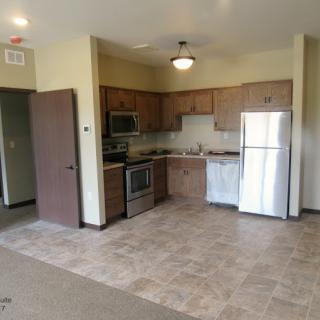
 Kitchenette
 Move-in coordination
 Outdoor space
 Telephone
 Wi-Fi/high-speed internet available
 St Cloud Regional (12 miles away)
 24-hour call system
 Activities of daily living assistance
 Assistance with bathing
 Assistance with dressing
 Assistance with transfers
 Diabetes diet
 Meal preparation and service
 Medication management
 Mental wellness program
 Special dietary restrictions
 Transportation arrangement (medical)
 Transportation to doctors appointments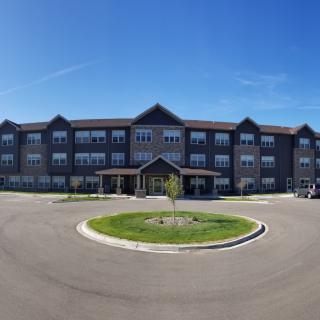




 Assisted Living and Memory Care: Understanding Their Core Differences
 Beyond the Bingo Hall: 50+ Enriching Activities for Seniors in Assisted Living
 Understanding the Distinctions: Assisted Living and Memory Care Explained