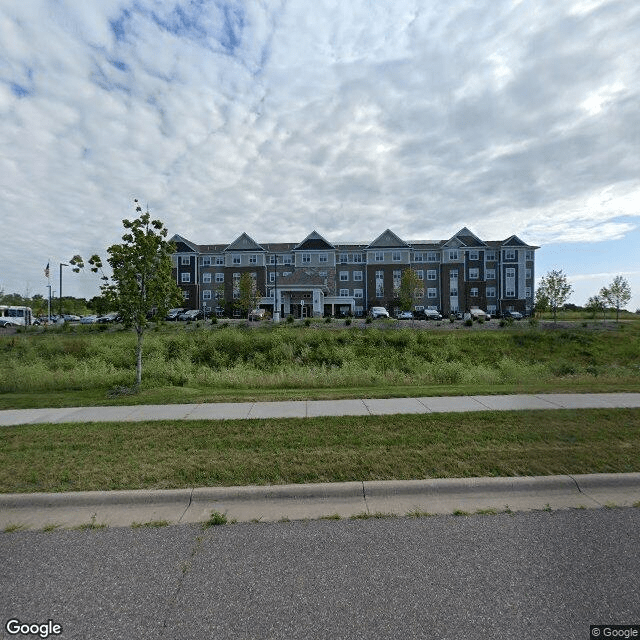
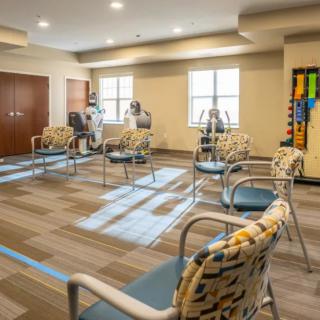
The Sanctuary at St. Cloud in Saint Cloud, MN

Save

The Sanctuary at St. Cloud in Saint Cloud, MN

2410 20th Ave SE, Saint Cloud, MN 56304

For more information about senior living options: (844) 490-3973

4.3 from 34 reviews
5 stars
24
4 stars
4
3 stars
1
2 stars
2
1 stars
3

Assisted Living Memory Care

The Sanctuary at St. Cloud Costs & Pricing

The Sanctuary at St. Cloud offers a range of monthly costs that reflect its premium services and amenities, positioned above both local county and state averages. For a studio room, the cost is $3,850, which exceeds the Sherburne County average of $3,132 and the broader Minnesota average of $3,617. In the one-bedroom category, The Sanctuary's price rises to $4,250, significantly higher than the county's average of $2,392 and the state's figure of $2,893. These figures suggest that while The Sanctuary at St. Cloud may come with a higher price tag compared to other options in both Sherburne County and Minnesota as a whole, it likely offers an enhanced living experience tailored to those seeking quality care and community engagement.

Floor plansThe Sanctuary at St. CloudSherburne CountyMinnesota
Studio$3,850$3,132$3,617
1 Bedroom$4,250$2,392$2,893

Overall Review of The Sanctuary at St. Cloud

Pros

  • pro The memory care unit aides and nurses are amazing.
  • pro The staff have been wonderful.
  • pro The family enjoys weekly lunches with their mom.
  • pro The staff have been responsive to residents' needs.
  • pro The Sanctuary is a safe, caring community with many activities.
  • pro The Sanctuary not only feels like a home but also feels like a family.
  • pro The rooms are large, beautiful, and well maintained.
  • pro The meals are amazing with good variety and dining options.
  • pro Kari, the resident engagement director, is exceptional and makes residents feel welcomed.
  • pro The facility is clean, bright, and well kept.
  • pro The Sanctuary is highly recommended for those seeking assisted living.
  • pro The Sanctuary is a beautiful place for seniors with caring staff.

Cons

  • pro The billing office billed for May and demanded a 30-day notice, which was seen as insensitive during grieving.
  • pro The staff were lazy and horrible, causing residents to cry and feel neglected and like they didn't want to live.
  • pro Staff were mean to each other and would hide in laundry rooms or in the kitchen instead of assisting residents.
  • pro Memory care staff rarely showed up on time, and management threatened staff, leaving care on the dementia floor underqualified.
  • pro The tour felt sales-driven; the memory care layout was confusing and easy for a loved one to get lost, with staff seemingly unconcerned about residents' needs.
  • pro Waitstaff were slow and failed to record orders accurately.
  • pro Memory care was described as not feeling like home due to its layout.
  • pro The building's size and spread-out design made rooms far apart and hallways long, complicating navigation.

Review

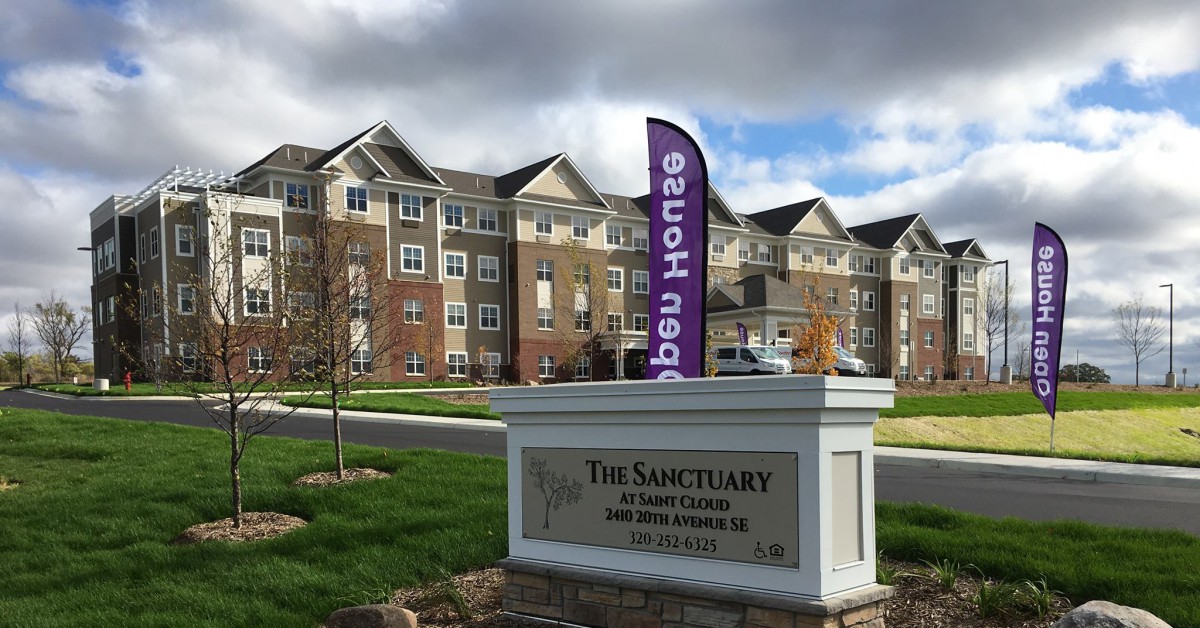
This community is best suited for families seeking a newer, actively engaging environment where memory care is treated as a core strength, dining is flavorful, and a genuine, home-like atmosphere is a clear priority. The Sanctuary at St. Cloud appeals to seniors who want large, comfortable rooms, accessible in-house services, and a calendar full of meaningful activities led by an energetic activities director. The building itself is a draw: clean, bright, and well maintained, with multiple dining options and a focus on creating a welcoming, almost familial vibe. For families who value the ability to accompany loved ones to meals, attend routine appointments in-house, and see consistent, caring staff, this location delivers on those front-line expectations.

Those who may want to consider alternatives include families prioritizing a tightly knit memory care layout that feels intuitively navigable for residents with dementia, as well as those who insist on absolute staffing consistency and zero patient-care gaps. Several reviewers flag the memory care floor as potentially confusing or impersonal, describing layouts that can feel more like a well-decorated nursing wing than a true home for someone with memory impairment. Instances of perceived staff inconsistency, late arrivals, or turnover on the dementia floor also surface in some accounts, signaling that prospective residents with high needs or families seeking ironclad continuity should scrutinize staffing models and shift coverage carefully. Additionally, administrative friction - such as billing practices surrounding a resident's passing - marks an important area for due diligence, as grieving families should expect sensitivity and clarity, not surprise charges.

The strongest positives - exceptional memory care aides, responsive nurses, and a culture that genuinely feels like a family - often offset these concerns. Across multiple reviews, the aides who care for memory care residents are described as going above and beyond, with nurses and front-line staff praised for responsiveness and compassion. The home-like atmosphere, large rooms, and the absence of a one-size-fits-all approach to meals - two dining rooms and chef-driven, customizable menus - help residents feel seen and comfortable. Families repeatedly highlight how the community not only prioritizes safety but also nurtures a sense of belonging through activities, social engagement, and accessible in-house services that streamline essential appointments. When a facility can couple strong clinical care with meaningful daily life, the potential downsides become more manageable for many families.

Still, the main drawbacks are not trivial. Memory care exists within a layout that (in some reviewers' eyes) does not feel inherently comforting or intuitive for residents in later stages of dementia, raising legitimate concerns about orientation and autonomy. Reports of staff inconsistency, with some caregivers arriving late or seeming overwhelmed, and a few accounts describing unprofessional behavior, warrant careful inquiry. Administrative friction - such as billing timing around a resident's death - raises questions about policies and empathy during grief. The presence of a tour experience that felt more like a sales pitch than a caregiver-focused conversation also suggests the need for prospective families to push for candid, specific answers about care plans, staffing, and daily routines before committing.

Taken together, this community offers a compelling value proposition for families prioritizing a modern, well-staffed environment with high-quality dining and a robust activity program, especially for those considering Memory Care with a flexible, resident-centered approach. The combination of a newer building, engaged staff, and a proven commitment to meaningful daily life makes The Sanctuary a strong contender for families who want warmth, safety, and social fulfillment as central pillars of care. However, for families whose loved one's dementia symptoms demand a floor plan that truly minimizes disorientation, or whose peace of mind hinges on unwavering staffing consistency and flawless administrative conduct, it is prudent to compare alternatives and insist on concrete, recent references specific to memory care operations and billing practices.

Practical next steps are clear. Schedule a focused tour of the memory care environment with questions that probe floor plan familiarity, wayfinding aids, and the daily care cadence for residents with differing levels of impairment. Request a transparent staffing report: day and evening caregiver-to-resident ratios, turnover rates, and how often aides are present during critical periods. Bring up billing policies with a blunt eye: what charges are expected after a death, what notice is required for refunds or cancellations, and who handles grief-related questions with compassion. Speak with current families about real-world experiences during care escalations, and, if possible, meet with the engagement director (who has earned praise for making residents feel welcome) to gauge how the community tailors activities to individual histories. Finally, confirm eligibility for Elder Waiver or other assistance programs that broaden access without compromising quality, and verify that pricing remains transparent as care needs evolve. This informed approach ensures families choose The Sanctuary with confidence, knowing it aligns with both practical needs and the emotional realities of senior care.

Features

Housing

  • 1-bedroom apartments 1-bedroom apartments1-bedroom apartments are important for seniors because they provide a sense of independence, privacy, and autonomy while still offering the necessary space for comfortable living. These apartments allow seniors to maintain their own personal space and lifestyle preferences in a supportive community setting.
  • Studio apartments Studio apartmentsStudio apartments are important for seniors because they offer a smaller, more manageable living space that is easier to navigate and maintain as physical abilities decline. Additionally, studio apartments provide seniors with independence and privacy while still being part of a community that offers support and social opportunities.

Types of Care

  • Assisted Living Assisted LivingAssisted living facilities provide crucial support and care for seniors who may need help with daily tasks such as medication management, bathing, and meal preparation. These communities offer a safe and comfortable environment where seniors can maintain their independence while receiving the assistance they need to thrive in their golden years.
  • Memory Care Memory CareMemory care is crucial for seniors as it provides specialized support and services for individuals with dementia or Alzheimer's disease. These programs offer a safe and secure environment where residents receive personalized care, cognitive stimulation, and help with daily activities. Memory care helps seniors maintain their independence, quality of life, and dignity while also providing peace of mind for their families.

Amenities

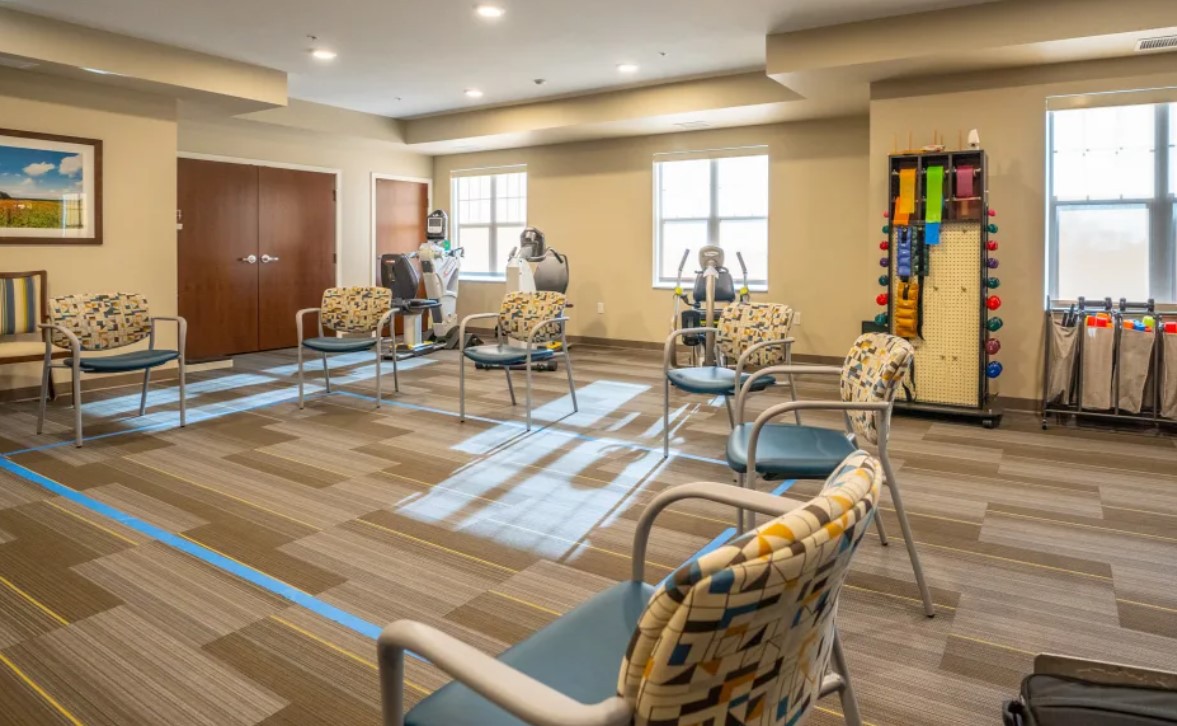
  • Activities on-site Activities on-siteActivities on-site are important for seniors because they provide opportunities for socialization, mental stimulation, physical activity, and overall well-being. Engaging in activities can help seniors stay active, maintain their independence, and improve their quality of life.
  • Air-conditioning Air-conditioningAir conditioning is important for seniors as they are more vulnerable to heat-related illnesses and may have underlying health conditions that make it difficult for them to regulate their body temperature. It helps to keep them comfortable, safe, and healthy in hot weather.
  • Beautician on-site Beautician on-siteHaving a beautician on-site at a senior living community is important for seniors as it allows them to easily access grooming and personal care services, boosting their self-esteem and overall well-being. It also provides convenience and helps seniors maintain their sense of independence and personal style.
  • Devotional services off-site Devotional services off-siteDevotional services off-site are important for seniors as they provide spiritual nourishment, social engagement, and a sense of community outside of the senior living facility. This can enhance overall well-being and help combat feelings of isolation and loneliness often experienced by older adults.
  • Ground floor units Ground floor unitsGround floor units are important for seniors because they provide easy accessibility, reduced risk of falls and injuries, and convenience for those with mobility issues. Seniors can avoid climbing stairs or using elevators, making daily tasks and activities more manageable and enjoyable.
  • Handicap accessible Handicap accessible"Handicap accessible" amenities are crucial for seniors to ensure they can easily navigate and access facilities, services, and activities without barriers or limitations due to physical impairments. This promotes independence, safety, and inclusivity for seniors in senior living communities.
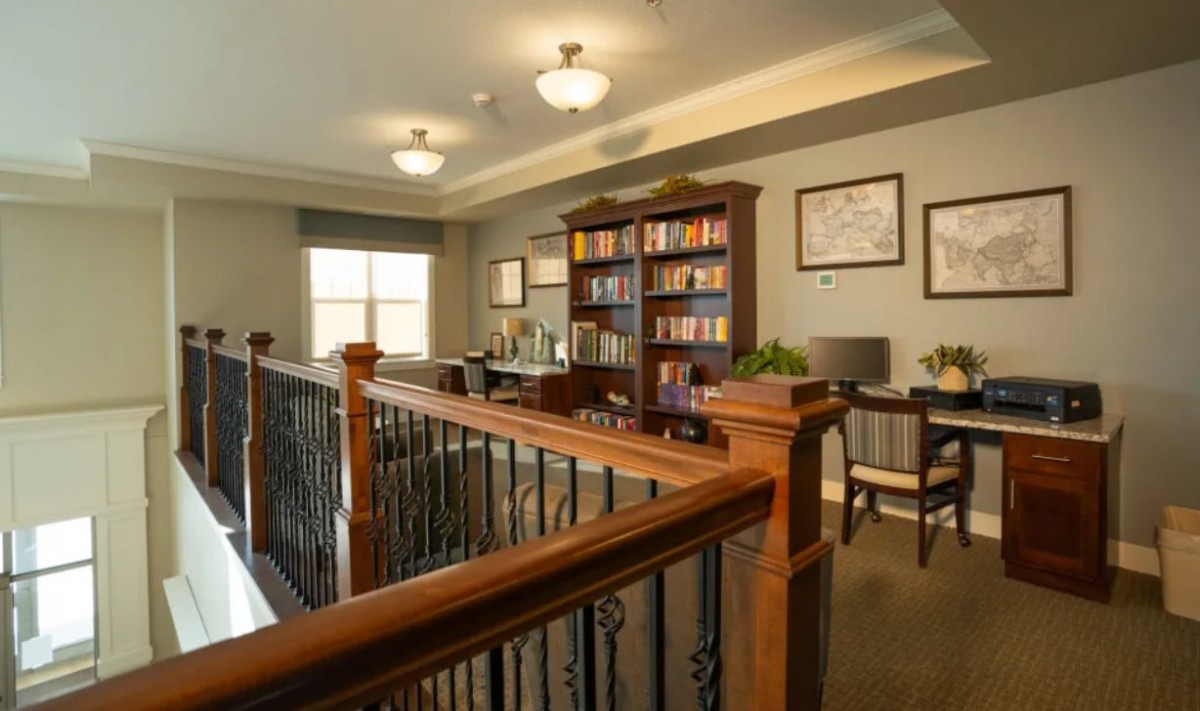
  • Indoor common areas Indoor common areasIndoor common areas are crucial for seniors as they provide a space for socialization, recreation, and community engagement, promoting overall well-being and reducing feelings of isolation and loneliness.
  • Kitchenette KitchenetteKitchenettes are important for seniors living in senior living communities because they provide the convenience and independence of being able to prepare simple meals and snacks in the comfort of their own living space. This can help promote a sense of autonomy and well-being for seniors, allowing them to maintain some level of control over their dietary choices and daily routines.
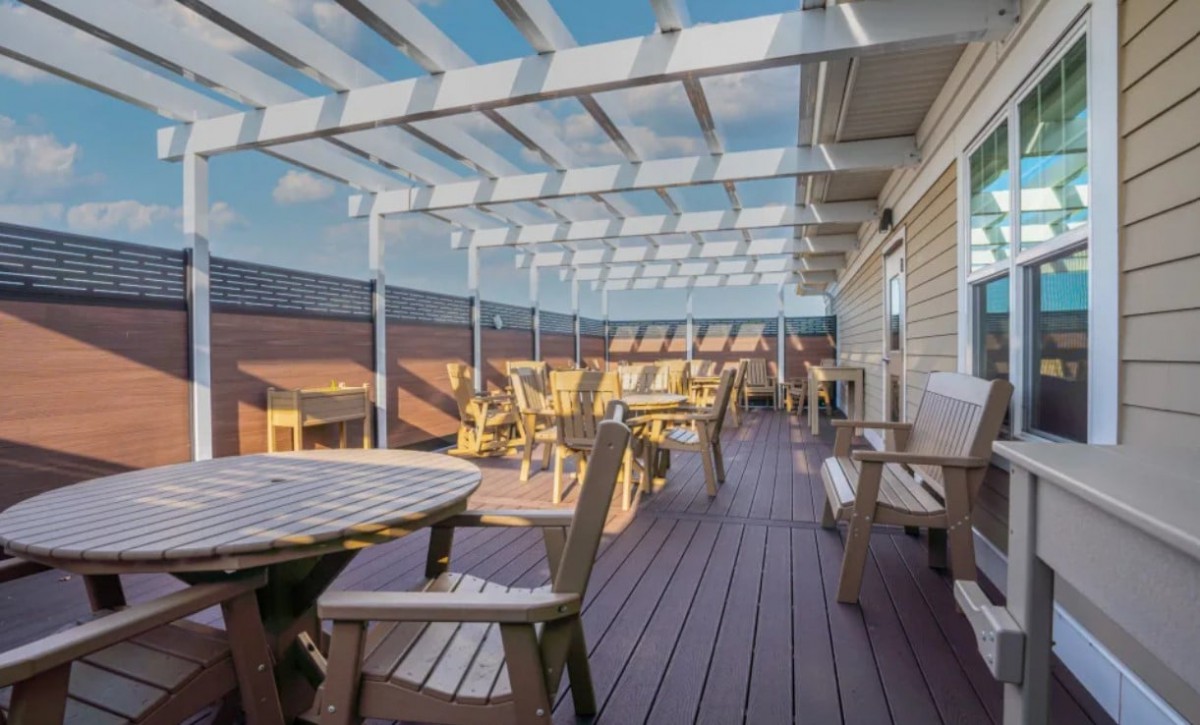
  • Outdoor common areas Outdoor common areasOutdoor common areas are important for seniors as they provide a space for socialization, physical activity, and relaxation. Being outside in nature can improve mood and overall well-being, while also encouraging movement and engagement with others. These spaces can help combat feelings of isolation and promote a sense of community among residents.
  • Wheelchair accessible showers Wheelchair accessible showersWheelchair accessible showers are crucial for seniors as they provide a safe and independent bathing option for those with mobility challenges. These showers help prevent falls and allow seniors to maintain their dignity and autonomy while ensuring they can bathe comfortably.

Transportation

  • St Cloud Regional (1 miles away) St Cloud Regional (1 miles away)

Care Services

  • Ambulatory care Ambulatory care"Ambulatory care services provide essential medical support and treatment to seniors without requiring hospitalization, allowing them to maintain their independence and quality of life while managing chronic conditions or receiving routine medical care."
  • Diabetic care Diabetic careDiabetic care is crucial for seniors as they are more susceptible to developing diabetes due to aging and other health conditions. Proper management of diabetes can help prevent complications such as heart disease, vision loss, and nerve damage, improving the overall quality of life for seniors in senior living communities.
  • Incontinence care Incontinence careIncontinence care is essential for seniors to maintain their dignity, hygiene, and overall quality of life. By addressing incontinence issues promptly and effectively, seniors can enjoy a sense of independence and comfort in their daily activities.
  • Medication management Medication managementMedication management is crucial for seniors to ensure they are taking the right medications at the correct dosages and times. This helps prevent adverse drug interactions, reduces the risk of medication errors, and promotes overall health and well-being. Proactive management also allows for adjustments as needed based on changing health conditions or new prescriptions.

Dining

  • Gluten-free Gluten-freeGluten-free options are important for seniors as they are more prone to digestive issues and dietary sensitivities. Offering gluten-free meal choices in senior living communities can help improve their overall health and well-being.
  • Guest meals Guest mealsGuest meals are important for seniors living in senior living communities because they provide an opportunity for socialization and companionship. Sharing a meal with friends, family, or new acquaintances can help combat feelings of loneliness and isolation, promote a sense of community, and enhance overall well-being. Additionally, guest meals allow seniors to enjoy delicious food in a comfortable setting without the hassle of cooking or cleaning up, making dining a pleasurable and stress-free experience.
  • Low / no sodium Low / no sodiumLow/no sodium options are important for seniors because excessive sodium intake can lead to high blood pressure, heart disease, and other health issues commonly experienced by older adults. By choosing low/no sodium foods, seniors can better manage their health and reduce their risk of developing these conditions.
  • Meals provided Meals provided"Meals provided" are crucial for seniors in assisted living communities as it ensures they have access to nutritious, balanced meals without the stress of meal planning and preparation. This can help promote overall health and well-being for seniors who may have limited mobility or cognitive abilities.
  • No Sugar No SugarNo sugar diets are important for seniors because they can help prevent or manage chronic conditions such as diabetes, heart disease, and obesity. Sugar can also contribute to cognitive decline and inflammation in the body, so reducing sugar intake can lead to overall improved health and well-being in older adults.
  • Professional chef Professional chefProfessional chefs are important for seniors living in senior living communities because they provide nutritious and delicious meals that cater to their dietary needs and preferences. A professional chef can ensure that seniors are receiving balanced, flavorful meals that support their overall health and well-being.
  • Restaurant style dining Restaurant style diningRestaurant style dining is important for seniors as it offers them a social and enjoyable dining experience, promotes healthy eating habits, and provides personalized menu options to cater to their dietary needs and preferences. This type of dining setting can enhance their overall quality of life and create a sense of community within the senior living facility.
  • Special dining programs Special dining programsSpecial dining programs are important for seniors because they provide nutritious meals tailored to their dietary needs and preferences. These programs also offer socialization opportunities, promote overall health and well-being, and can help prevent malnutrition.
  • Vegetarian VegetarianA vegetarian diet is important for seniors because it can help lower the risk of chronic diseases, maintain a healthy weight, and provide essential nutrients needed for aging bodies. Additionally, plant-based diets are often easier on digestive systems and can contribute to overall well-being in older adults.

Activities

  • Activities on-site Activities on-siteActivities on-site are important for seniors because they provide opportunities for socialization, mental stimulation, physical activity, and overall well-being. Engaging in activities can help seniors stay active, maintain their independence, and improve their quality of life.
  • Devotional activities offsite Devotional activities offsiteDevotional activities offsite are important for seniors because they provide social engagement, spiritual growth, and a sense of community outside of their living environment. This can improve overall well-being, mental health, and combat feelings of isolation or loneliness.
  • Reminiscence programs Reminiscence programsReminiscence programs are vital for seniors as they provide opportunities for them to reflect on their life experiences, share memories with others, and maintain cognitive function. These programs can improve mood, stimulate social interaction, and enhance overall well-being for older adults.

Description

The Sanctuary at St. Cloud in Saint Cloud, MN offers comfortable studio apartments for seniors in need of memory care. The community is dedicated to providing a safe and nurturing environment for individuals with memory loss.

Residents will enjoy a variety of amenities including air-conditioning, on-site beautician services, indoor and outdoor common areas, and wheelchair accessible showers. Each apartment features a kitchenette for convenience.

The compassionate staff at The Sanctuary at St. Cloud provides specialized care services such as diabetic and incontinence care, as well as medication management. Meals are prepared by a professional chef and cater to specific dietary needs including low/no sodium, no sugar, and vegetarian options. Residents can enjoy restaurant-style dining or participate in special dining programs.

Devotional activities offsite are available for spiritual nourishment and reminiscence programs are offered to promote meaningful connections with others. The community also benefits from its convenient location near cafes, pharmacies, physicians, restaurants, places of worship, transportation options, and hospitals.

The Sanctuary at St. Cloud is committed to providing exceptional care tailored to the unique needs of individuals living with memory loss while offering a vibrant and engaging lifestyle for its residents.

Videos

Nearby Places of Interest

This area of Saint Cloud, Minnesota offers a convenient and diverse range of amenities for seniors looking to settle in a peaceful community. With hospitals like Talahi Care Center and CentaCare within close proximity, residents can easily access healthcare services. There are also numerous dining options such as Culver's, Dimaggio's Pizza & Pasta, and Caribou Coffee, providing choices for different tastes. Places of worship like St Patricks Parish and Trinity Lutheran Church offer spiritual support, while transportation options from St Cloud Station make it easy to get around the city. Additionally, pharmacies like Southside Pharmacy and Walgreens are nearby for medication needs. Parks like Hester Park and Warner Lake County Park provide opportunities for outdoor activities and relaxation. Overall, this part of Saint Cloud is a well-rounded community for seniors seeking a comfortable and convenient lifestyle.

Hospitals

  • Talahi Care Center (3.3 miles)
  • CentaCare (6.5 miles)

Restaurants

  • Culver's (3.7 miles)
  • Lincoln Depot (4.2 miles)
  • Super Buffet Chinese (4.2 miles)
  • Dimaggio's Pizza & Pasta (4.3 miles)
  • Arby's (4.4 miles)
  • RJ's American Grill (4.4 miles)
  • McDonald's (4.5 miles)

Cafes

  • Caribou Coffee (4.4 miles)
  • Brigitte's Cafe (6.5 miles)
  • Caribou Coffee (7.2 miles)

Places of Worship

  • St Patricks Parish (4.7 miles)
  • Calvary Community Church (5.4 miles)
  • Trinity Lutheran Church (5.8 miles)
  • Living Way Church (6.2 miles)
  • Harvest Fellowship (6.7 miles)
  • Sacred Heart Church (6.8 miles)

Transportation

  • St Cloud Station (4.8 miles)

Physicians

  • Edgewater Natural Family Medicine (4.9 miles)
  • Midwest Occupational Medicine (4.9 miles)
  • Avada Audiology & Hearing Care (5.3 miles)
  • Centracare Neurosciences Pain Center (5.9 miles)
  • Centracare Bariatric Center (5.9 miles)
  • St Cloud Hospital (5.9 miles)
  • Regional Diagnostic Radiology (6 miles)

Pharmacies

  • Southside Pharmacy (4.9 miles)
  • Hapeth Prescription Shop (4.9 miles)
  • Guardian Pharmacy (5.6 miles)
  • Centracare Pharmacy (6 miles)
  • CentraCare Pharmacy at St Cloud Hospital (6 miles)
  • CVS Pharmacy (6.1 miles)
  • Walgreens (6.2 miles)

Parks

  • Hester Park (5.7 miles)
  • Airstream Park Circle A Screenhouse (7 miles)
  • Island View Park (7 miles)
  • Warner Lake County Park (7.2 miles)
  • Sauk Rapids Municipal Park (7.3 miles)

Frequently Asked Questions

How much does it cost to live at The Sanctuary at St. Cloud in Saint Cloud, MN?
What floor plans and room types does The Sanctuary at St. Cloud offer?
Where is The Sanctuary at St. Cloud?
Does The Sanctuary at St. Cloud provide care for residents with dementia or Alzheimer's disease?
What photos are available for The Sanctuary at St. Cloud in Saint Cloud, Minnesota?

Nearby Communities

  • Sanctuary St Cloud Operations

    Sanctuary St Cloud Operations

    St Cloud, MN


    pro Specialized memory care with 24-hour supervision, ADL support, dementia programming, and coordinated care in furnished apartments with meals and activities.

  • St Scholastica Convent

    St Scholastica Convent

    St Cloud, MN

    5 from 1 review
     

    pro Specialized memory care with 24/7 supervision and comprehensive support.

  • Mia's House

    Mia's House

    St. Cloud, MN


    pro Small, intimate setting with comprehensive care and diabetes-friendly dining.

  • St Benedicts Senior Community

    St Benedicts Senior Community

    St Cloud, MN


    pro 24/7 supervision with personalized, comprehensive care

  • Benedict Village

    Benedict Village

    Saint Cloud, MN

    5 from 3 reviews
    $979 to $1,381 / month

    pro Excellent care with friendly staff, clean facilities, and engaging activities.

  • Benedict Court

    Benedict Court

    St. Cloud, MN

    3.2 from 6 reviews
    $1,557 to $2,973 / month

    pro Excellent staff and care with a convenient location and well-appointed apartments.

  • Nature's Point Assisted Living

    Nature's Point Assisted Living

    St Cloud, MN

    4.1 from 11 reviews
    $1,812 to $2,300 / month

    pro Friendly staff, engaged residents, and a variety of on-site activities with pleasant woodland views.

  • Skylight Gardens

    Skylight Gardens

    Saint Cloud, MN

    2.8 from 17 reviews
    $725 to $2,400 / month

    pro Affordable pricing relative to county/state averages; offers assisted and independent living with on-site amenities.

  • Ridgeview Place

    Ridgeview Place

    Sauk Rapids, MN

    4.1 from 11 reviews
     

    pro Spacious, apartment-style living with memory-care focus, plus robust daily activities and on-site care staff.

Related Resources

  • assisted living waiver programA Detailed Exploration of Assisted Living Medicaid Waivers Across the United States

    Medicaid waivers for assisted living services provide vital support for seniors and individuals with disabilities in need of long-term care, with varying state-specific eligibility criteria and benefits. These waivers cover personal care and case management but often do not fully cover room and board, leading to waiting lists for many applicants.

  • assisted living vs skilled nursingExploring the Contrasts Between Assisted Living and Skilled Nursing

    The article compares assisted living and skilled nursing facilities, detailing their differing levels of assistance, medical support, cost structures, and day-to-day experiences. It emphasizes that assisted living is for those needing help with daily activities while maintaining independence, whereas skilled nursing facilities provide intensive medical care with 24-hour staff supervision.

  • active senior livingVibrant Senior Living: A Comprehensive Guide for Active Older Adults
    Vibrant Senior Living emphasizes active senior living communities that promote independence and engagement through diverse amenities and activities, fostering wellness and social interaction among older adults. These communities range from independent to assisted living, with a focus on personal growth, family involvement, financial planning, and leveraging technology to enhance residents' experiences.