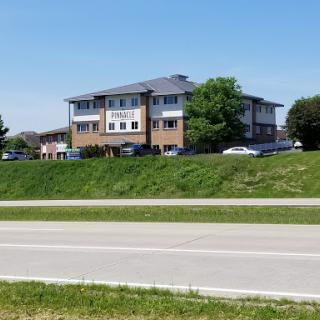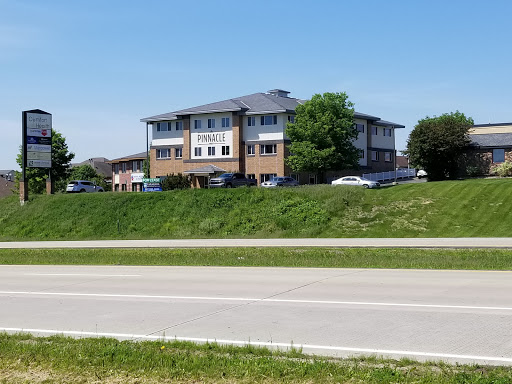


2746 Superior Drive North West Ste 200, Rochester, MN 55901
For more information about senior living options: (866) 208-4318
Overall Review of Comfort Health
Pros
 The experience was very positive.
- They have really nice nurses who are always on top of their game.
- They are very professional and very helpful with any questions or concerns.
- They ensure their clients receive the help they need.
- The dad is very happy with Nurse Jessica.
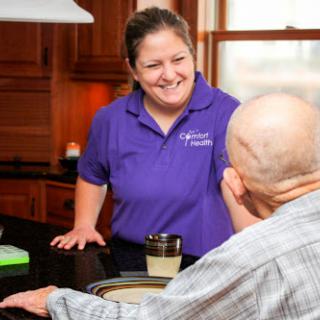
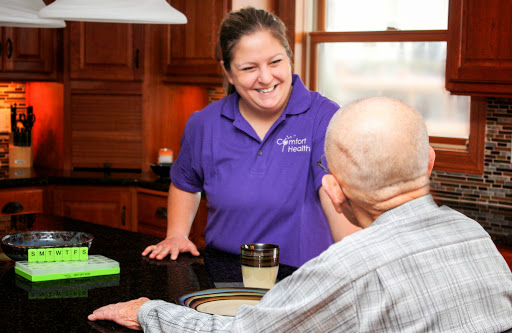
- Comfort checks in on his dad and provides social interaction as well as needed care.
- Ashley is very professional in caring for the mother's health and well-being.
- Comfort Health is a great place with amazing resources and friendly staff.
Cons
 They are snobs who hide behind the fine print of their contract and appear to care more about appearance than service.
- They can and will drop service and leave clients hanging, leaving them wondering what they did wrong.
- The office places appearance above client welfare, making them not a first choice.
- The care provided was poor and led to a hospital readmission.
- The reviewer would not recommend this company to anyone and believes other providers genuinely care about clients' welfare.
Review
Comfort Health in Rochester, MN is best suited for families seeking nurse-led, at-home care with meaningful social interaction for a loved one who prefers staying at home or in a small, personal care setting. The reviews consistently highlight compassionate, culturally sensitive staff who are respectful and on top of care. Nurses are described as professional, responsive to questions, and proactive about ensuring clients receive the help they need. The service is anchored in regular, meaningful contact, foot massages, assistance with walking, conversation, and check-ins, that foster both physical support and emotional well-being. This combination makes it a strong fit for seniors who value a hands-on, relationship-driven approach from a stable nursing team.
Anyone prioritizing absolute reliability and guaranteed, predictable coverage with minimal risk of service interruptions may want to consider alternatives. The negative feedback points to the potential for services to be dropped or altered, sometimes tied to contract details that feel opaque or punitive. For families seeking a more traditional, facility-based environment with clearly defined, enduring staffing and a formalized long-term care plan, another agency or an assisted living setting with transparent terms and a robust continuity of care may be more suitable. In short, the model here works brilliantly for those who can tolerate some variability in terms, provided the care relationship remains strong.
The strongest pros, the skilled nurses, consistent check-ins, and the combination of health support with social engagement, often offset the main concerns when dependable staff are preserved. The personal touch, demonstrated by caregivers who go beyond the call of duty and cultivate trust, makes a tangible difference in daily life and health management. When a loved one forms a rapport with a specific nurse, the benefits compound: improved mobility support, timely guidance, and the comfort of knowing someone familiar is regularly present. However, the risk of service gaps or changes in coverage cannot be ignored, and it can erode the sense of security that families rely on during vulnerable moments.
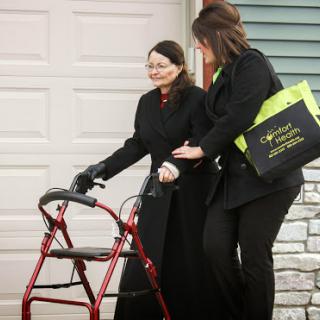
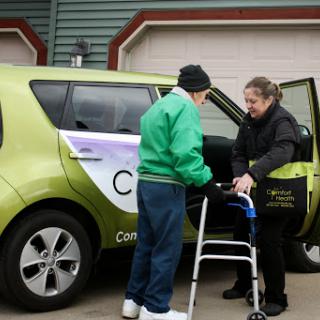
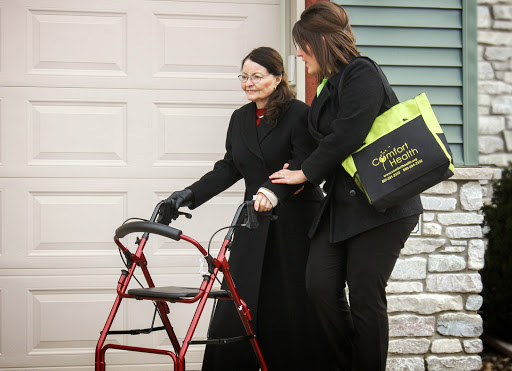
Concrete anecdotes reinforce both sides of the ledger. Families praise Dad’s enjoyment of foot massage and walking visits, the social conversation that accompanies care, and the sense of relief when a nurse like Jessica or Ashley provides attentive, considerate care. These stories illustrate how a strong nursing team can elevate quality of life and reduce isolation. On the other hand, some experience describes a perception of “snobs” hiding behind contract language and a focus on appearances or terms rather than ongoing welfare. Such feedback underscores the reality that trust hinges not only on clinical competence but also on consistency, transparency, and the spirit in which terms are honored.
For decision-making, a practical, go-forward approach is essential. Begin with a clear map of care goals: home-based nursing versus a facility setting, desired frequency of visits, and the non-negotiables for safety and social engagement. Probe the nurse roster to determine whether preferred clinicians can be scheduled consistently and whether a predictable plan exists for holidays and weekend coverage. Request a written service plan, a defined escalation protocol, and a guaranteed minimum number of visits. Gather references and talk with current families about continuity during transitions from hospital to home care. If possible, pilot a short-term arrangement to test reliability, responsiveness, and compatibility before committing.
Ultimately, Comfort Health stands out for families who prize compassionate nursing oversight, mobility assistance, and regular social contact that enriches health and mood. It is a compelling option for those who value a personal, relationship-driven care model and are comfortable with the possibility of some contractual nuances and occasional coverage changes. For households where unwavering, crystal-clear terms and guaranteed, long-term coverage are non-negotiable, exploring alternative providers or a traditional assisted living environment may be wiser. The recommended path is to align goals with a precise written plan, verify continuity commitments, and arrange a measured trial period to assess safety, satisfaction, and ongoing support.
 21 resident community capacity
 Assisted Living
 Beauty salon
 Cable or satellite TV
 Dining room
 Fully furnished
 Garden
 Housekeeping services
 Kitchenette
 Move-in coordination
 Outdoor space
 Telephone
 Wi-Fi/high-speed internet available
 Rochester International (10 miles away)
 24-hour call system
 Activities of daily living assistance
 Assistance with bathing
 Assistance with dressing
 Assistance with transfers
 Diabetes diet
 Meal preparation and service
 Medication management
 Mental wellness program
 Special dietary restrictions
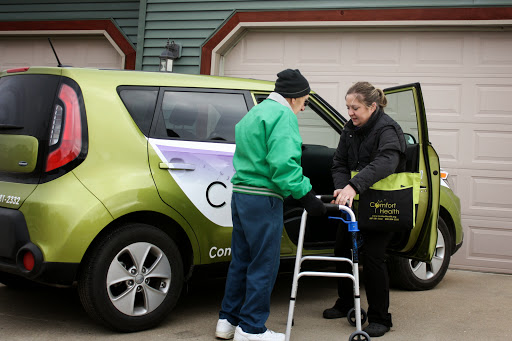
 Transportation arrangement (medical)
 Transportation to doctors appointments




 A Detailed Exploration of Assisted Living Medicaid Waivers Across the United States
 Comprehensive Residential Support and Assisted Living Solutions for Individuals with Disabilities
 Comprehensive Supportive Living Arrangements for Adults with Disabilities