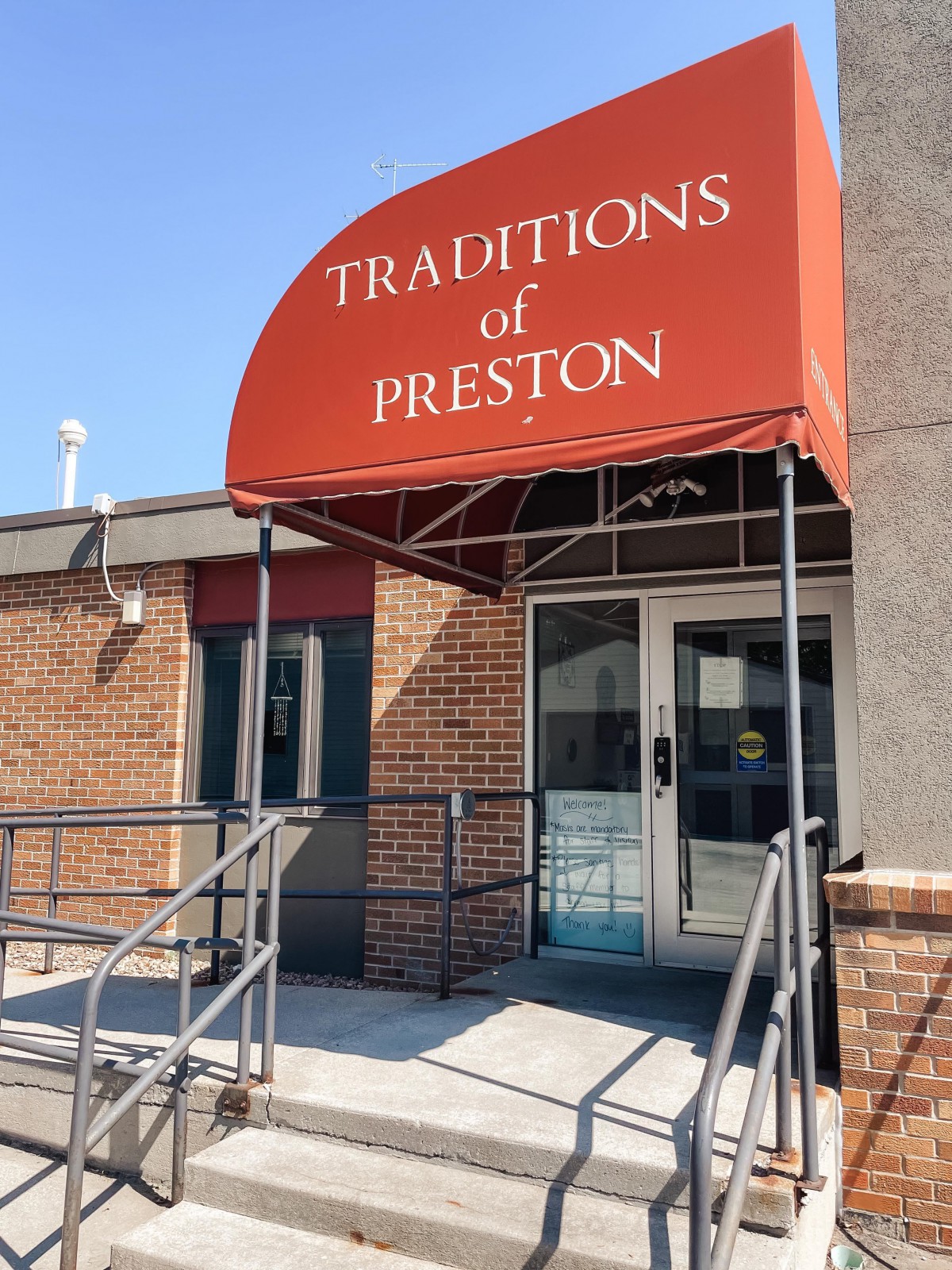

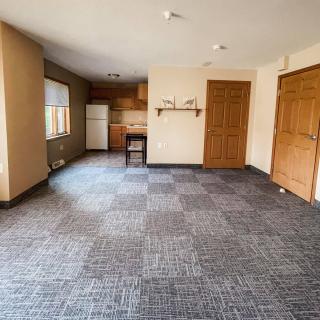
515 Washington St NW, Preston, MN 55965
To contact a resident: (507) 765-3837
For more information about senior living options: (866) 208-4318
Traditions of Preston Costs & Pricing
Traditions of Preston offers competitive pricing for its residential options, particularly when compared to both Fillmore County and the broader context of Minnesota. For instance, the studio apartments are priced at $2,800 per month, which is notably lower than the county average of $2,939 and significantly below the state average of $3,617. While the costs for one-bedroom units at Traditions of Preston are slightly higher than those in Fillmore County at $3,225 versus $3,432, they are more affordable than the Minnesota state average of $2,893. Similarly, the two-bedroom units at Traditions come in at $3,550; while this is higher than both county and state averages of $3,825 and $2,955 respectively. Overall, Traditions of Preston provides a blend of quality living with favorable pricing that appeals to potential residents looking for value within their housing options.
| Floor plans | Traditions of Preston | Fillmore County | Minnesota |
|---|---|---|---|
| Studio | $2,800 | $2,939 | $3,617 |
| 1 Bedroom | $3,225 | $3,432 | $2,893 |
| 2 Bedrooms | $3,550 | $3,825 | $2,955 |
Memory care communities with a similar price nearby
-
from +$500 / mo
Harmony Place
$3,300 to $4,100 / month8.9 miles away -
from +$195 / mo
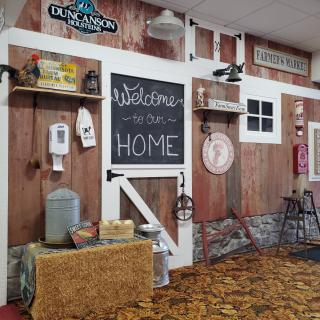
Lewiston Senior Living
$2,995 to $3,595 / month24.1 miles away
Overall Review of Traditions of Preston
Pros
 The staff at Traditions of Preston makes residents feel like family.
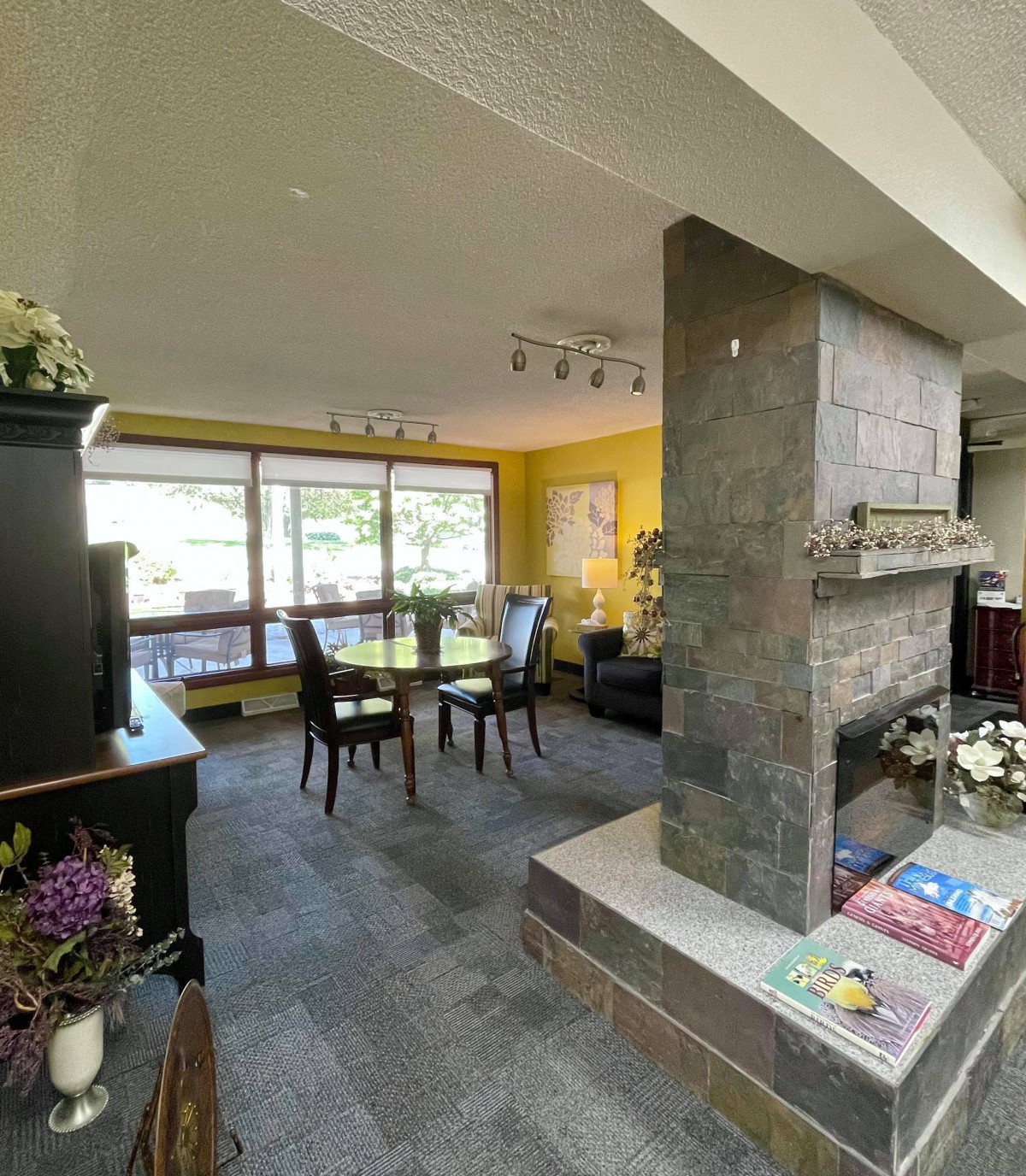
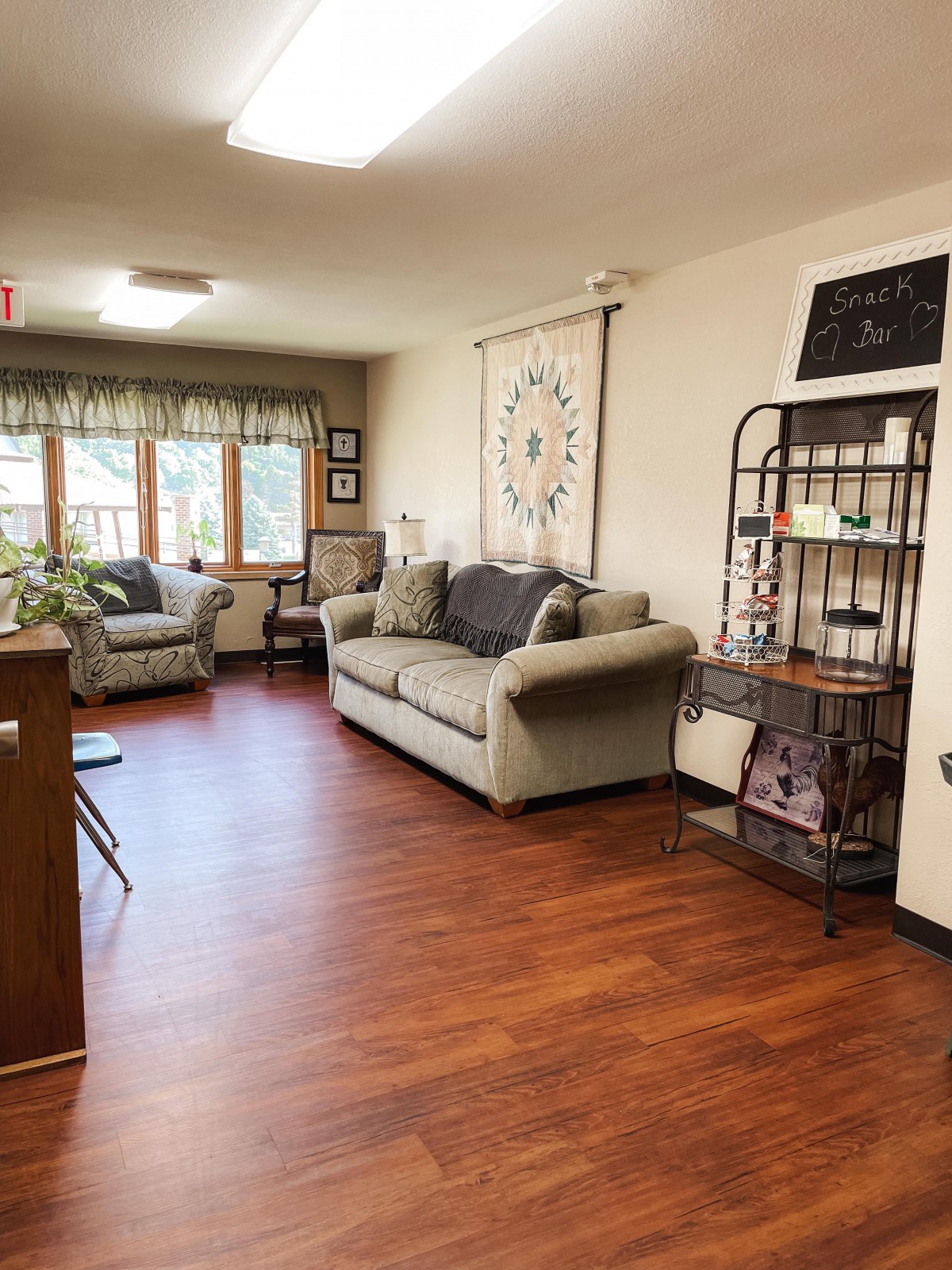
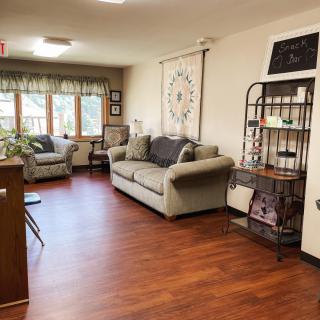
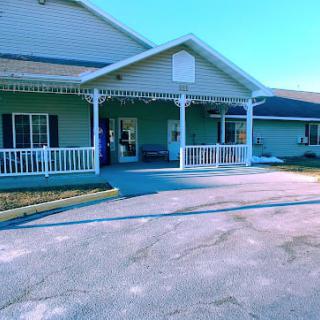
 - The community is warm, welcoming, and well-maintained.
- The care team goes above and beyond to keep residents safe, supported, and engaged.
- Residents are treated with dignity and compassion.
- The caregivers are described as having a heart of gold, with activities that exceed expectations.
- The facility is clean, bright, and cheery, with friendly and knowledgeable staff.
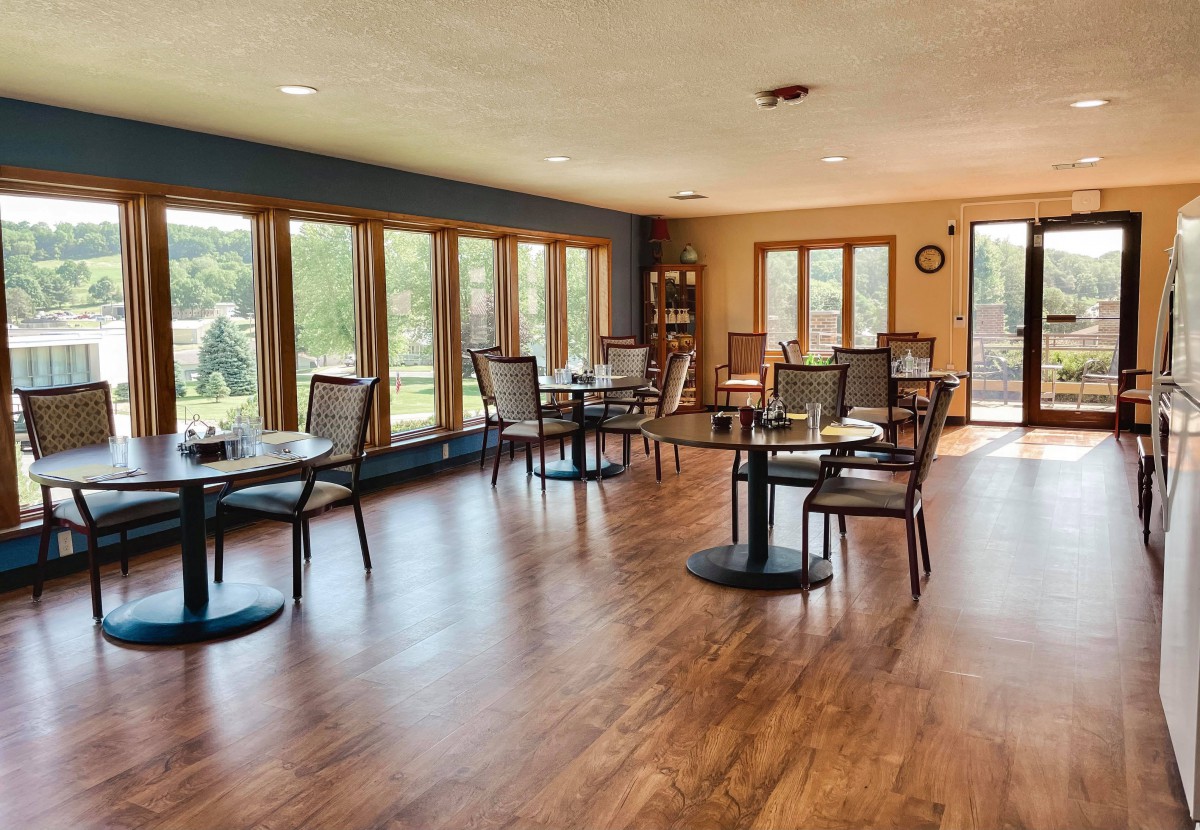
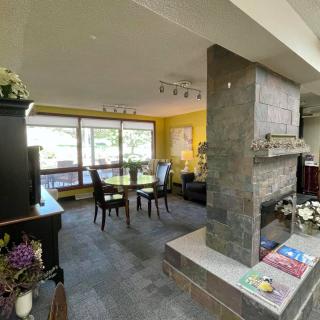
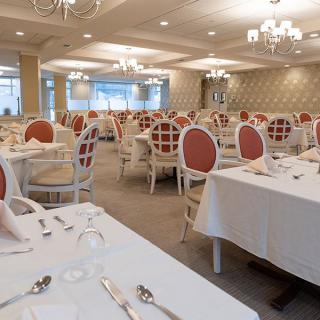
- The dining area is open, bright, and well-appointed, with nutritious, well-prepared meals.
- The staff frequently visit residents, ensuring they feel attended to and well cared for.
Cons
 The staff shortages have resulted in slow service.
- The director position has changed hands several times, which could imply instability.
Review
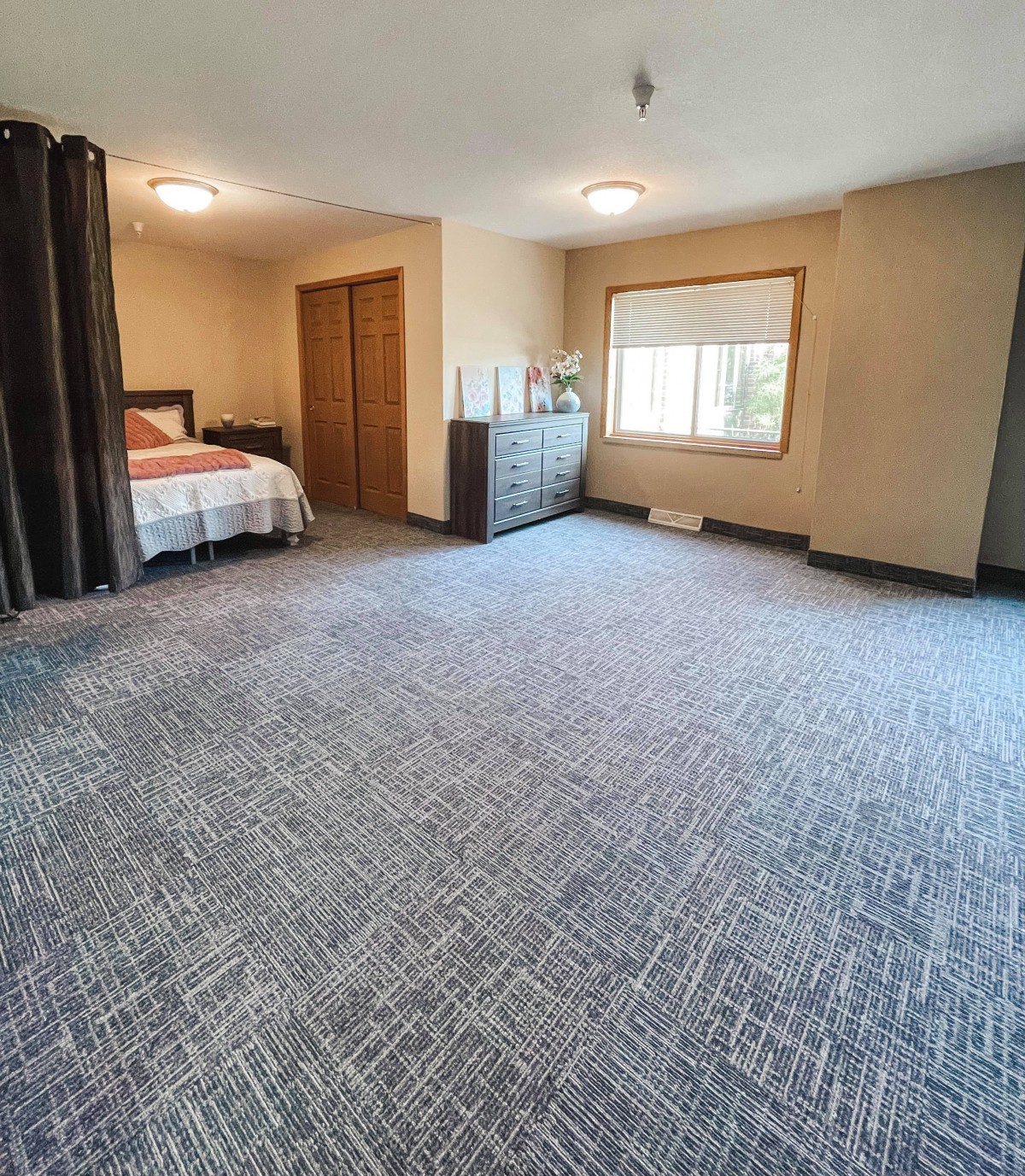
Traditions of Preston is best suited for seniors who prize a warm, family-like environment, highly engaged caregivers, and a clean, welcoming setting that makes daily life feel comfortable and safe. The community excels when residents want meaningful interaction, consistent, respectful care, and activities that feel designed for real companionship. The one-level layout, accessible dining, and open social spaces support independence while making it easy for families to visit and participate. It is especially appealing to couples seeking proximity to loved ones and a homey atmosphere where staff are familiar, friendly, and genuinely attentive.
Those who may want alternatives are individuals who require more intensive medical oversight, a broader continuum of care (including memory support or skilled nursing), or a campus with a larger staff presence for quicker service. Families prioritizing rapid response times or highly structured clinical programs should compare staffing ratios and shift coverage at Traditions of Preston against other communities. For seniors who insist on a bigger, more metropolitan setting with a wider array of on-site therapies and specialized services, this community may feel intimate rather than comprehensive. In short, this is not the choice for those chasing a bustling, hospital-like pace or a facility with expansive clinical amenities.
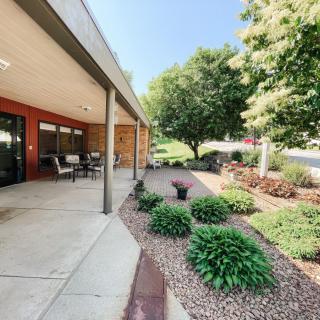
The strongest pros here, staff who feel like family, a caring, patient approach, and a consistently clean, cheery environment, deliver tangible value. Caregivers are repeatedly described as compassionate and attentive, with frequent room visits that foster a sense of safety and personalization. Residents and families repeatedly praise the way staff engage with daily activities, heighten social connection, and keep residents involved in meaningful ways. The dining experience stands out as a highlight, with nutritious, well-prepared meals and a menu that residents and families can anticipate with satisfaction. The facility’s simple, practical floor plan, two outdoor spaces, and easy access to shared spaces support easy navigation and social participation, reinforcing a sense of normalcy and belonging.
Yet a few drawbacks surface in the reviews. There are notes about staffing strains that can slow service at times, and directors have changed hands a couple of times, which can raise questions about consistency in leadership. While these issues are not ubiquitous, they are real signals to investigate during tours: ask about current staff-to-resident ratios, how shifts are staffed on weekends, and what the plan is for leadership continuity. The small-town setting also means fewer on-site amenities than larger communities, which may matter to residents with broader activity or service expectations. These factors do not negate the care quality, but they do shape the day-to-day experience in meaningful ways.
The key pros offset the main cons through a strong, resident-centered culture. When staff visits are frequent and genuine, the risk of feeling overlooked diminishes, even if service speed occasionally lags. The abundance of social activities, live entertainment, and daily engagement counters concerns about limited programming in a smaller community. The cleanliness, lack of odors on entry, and thoughtful touches like freshly painted rooms and well-kept common areas reinforce a feeling of pride in the property and ongoing investment in resident well-being. Most important, the emphatic sense of being known and cared for by staff translates into lasting peace of mind for families and a sense of security for residents.
Bottom line: Traditions of Preston delivers a high-quality, resident-centered experience in a warm, approachable setting. It is an excellent match for families prioritizing heartfelt care, meaningful interaction, strong dining, and a lively, but intimate, social calendar in a small-town atmosphere. For those who require intensive clinical oversight, a broader care continuum, or a campus with more rapid service and expanded medical resources, it is prudent to explore alternatives and verify current staffing levels and leadership stability. To move forward, arrange a tour, observe staff-resident interactions, meet current residents, and sample the dining experience; directly address staffing plans and leadership continuity to gauge how well the community will sustain its trusted, family-like environment over time.
 21 resident community capacity
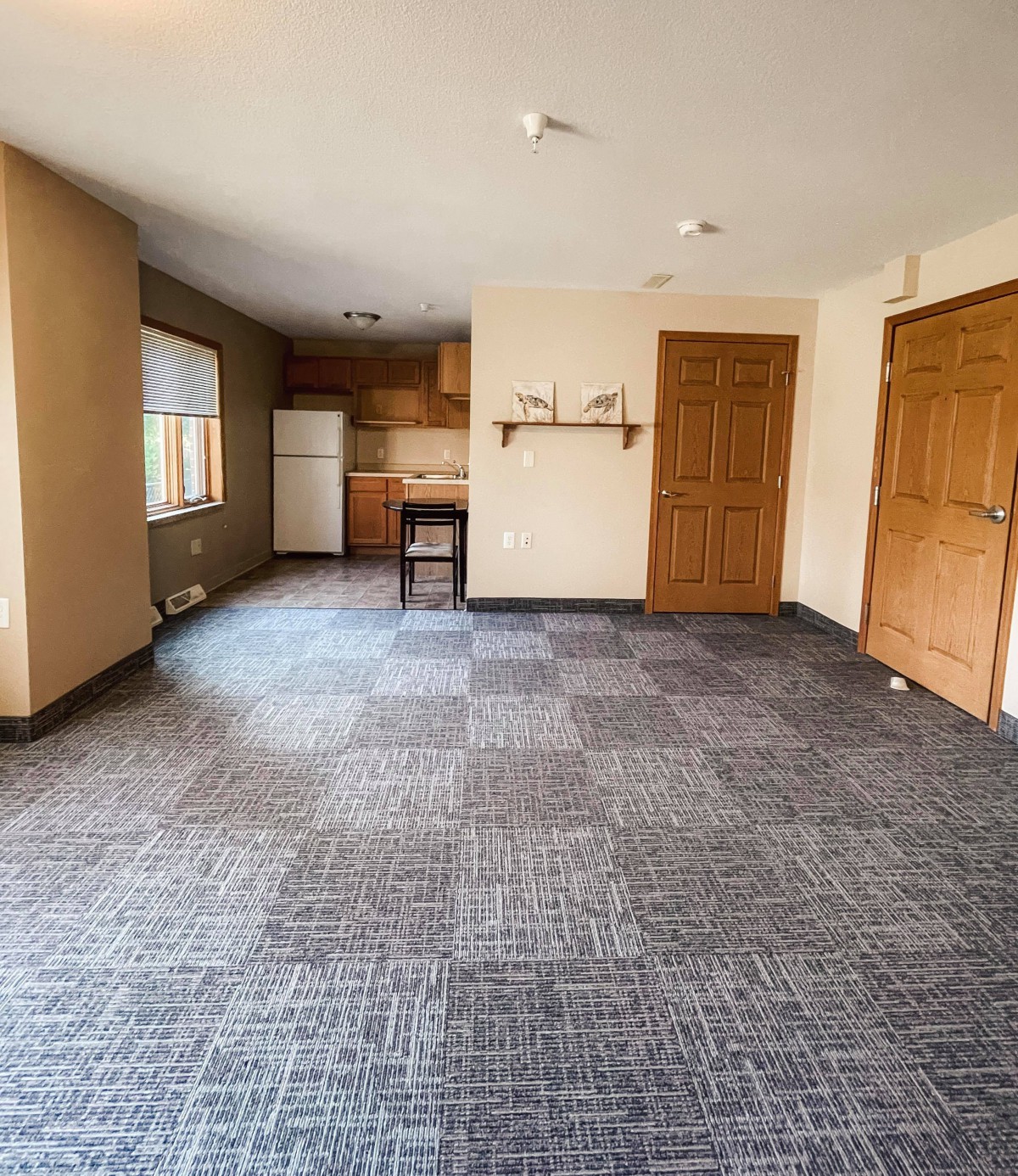
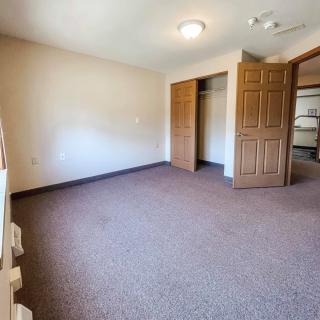
 1-bedroom apartments
 Assisted Living
 Memory Care
 Activities on-site
 Air-conditioning
 Beautician on-site
 Cable or satellite TV
 Devotional services on-site
 Dining room
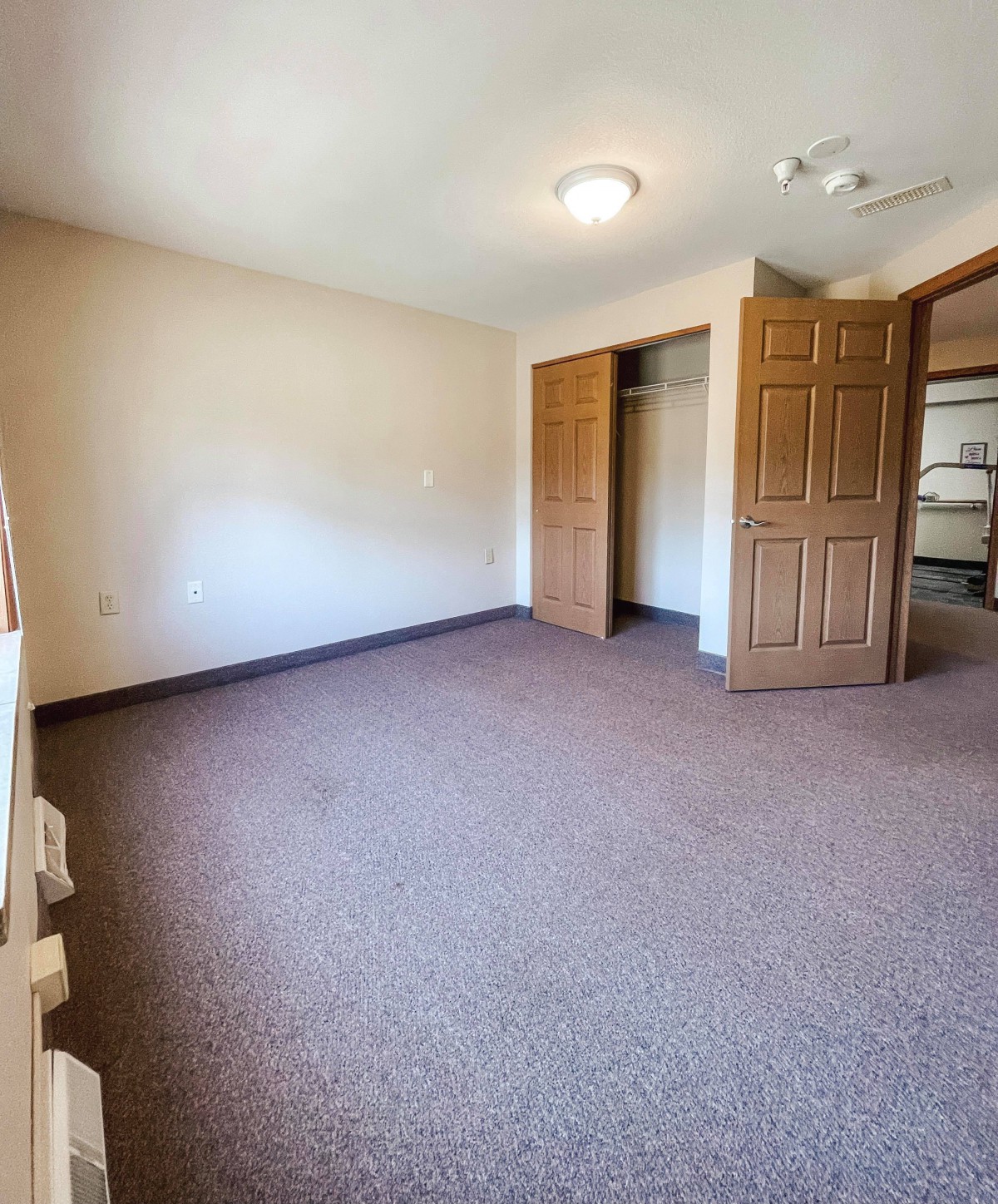
 Fully furnished
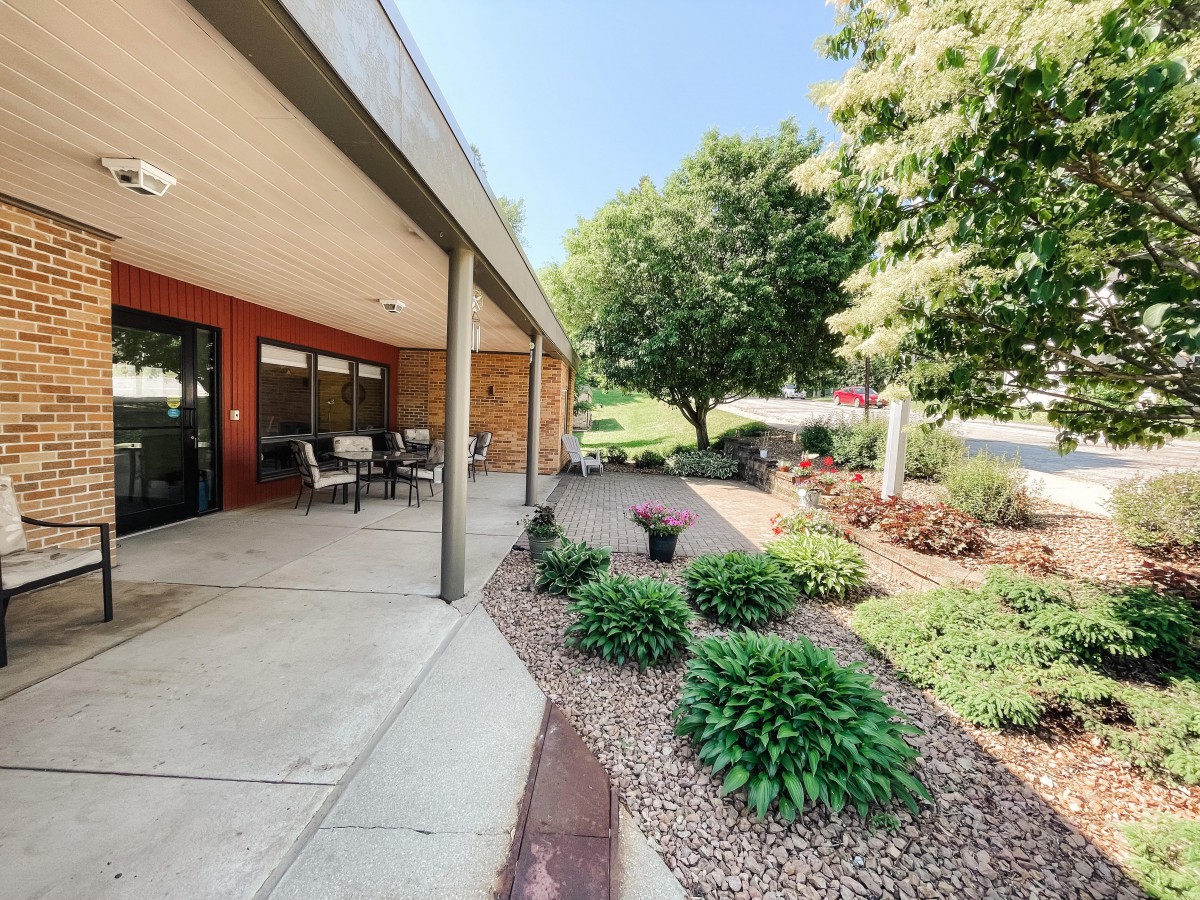
 Garden
 Ground floor units
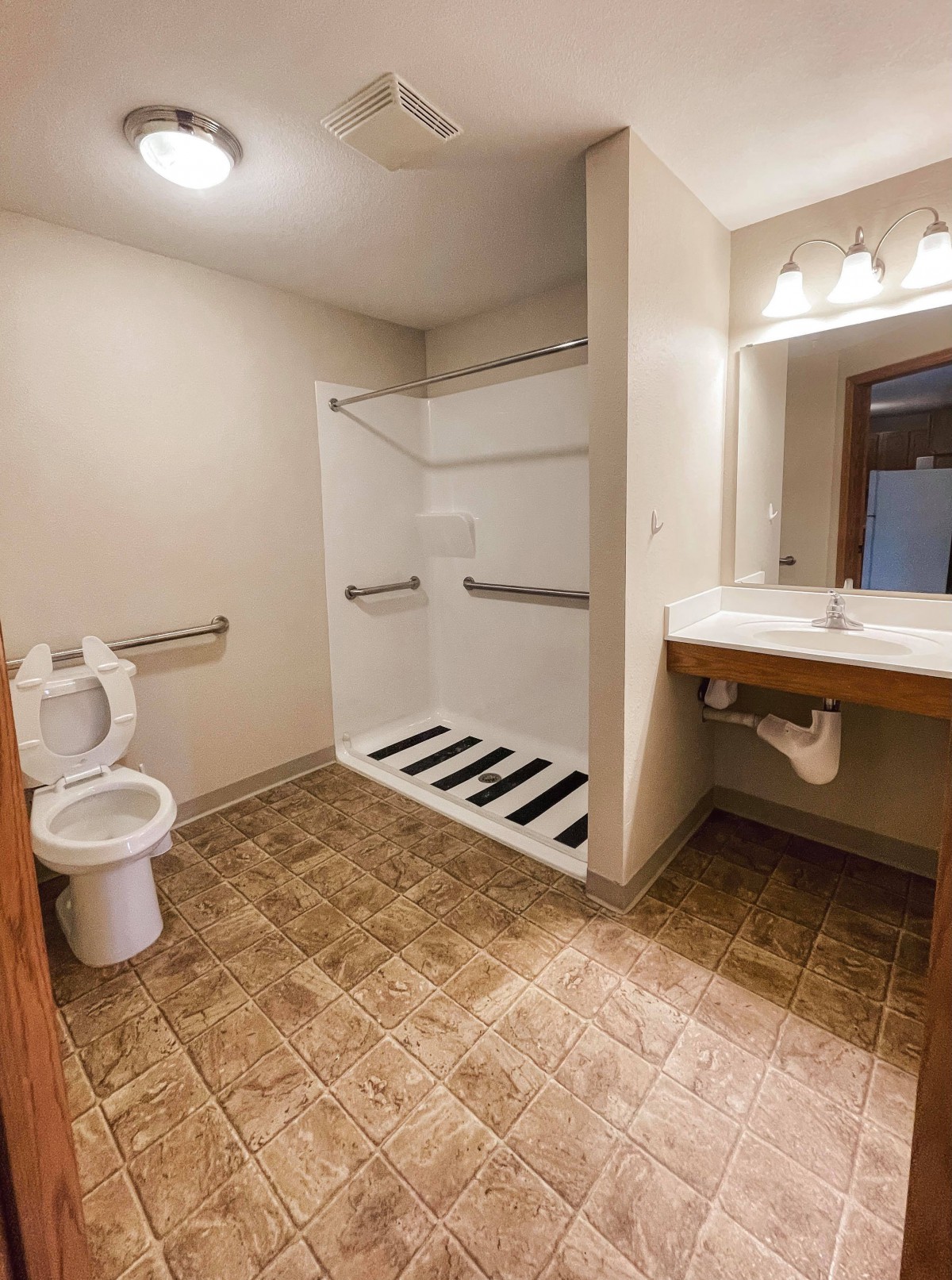
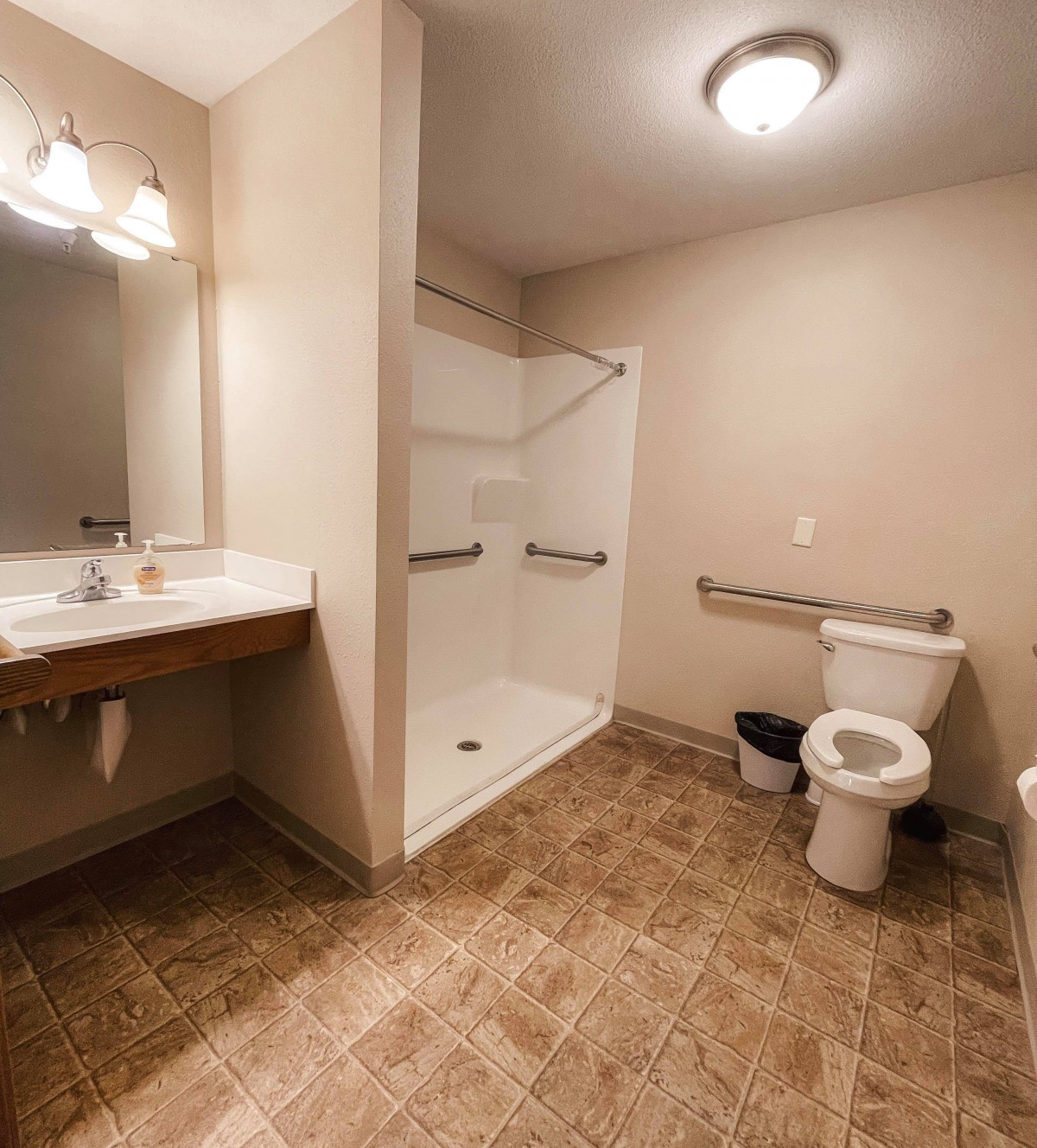
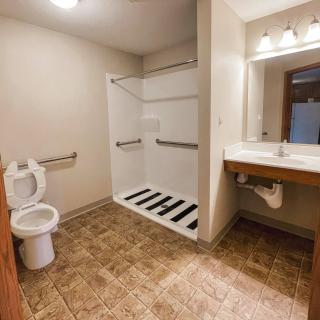
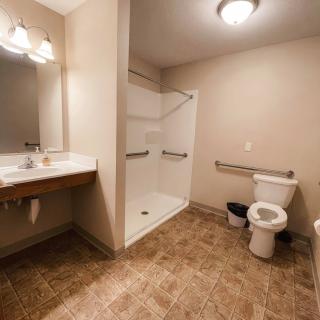
 Handicap accessible
 Housekeeping services
 Indoor common areas
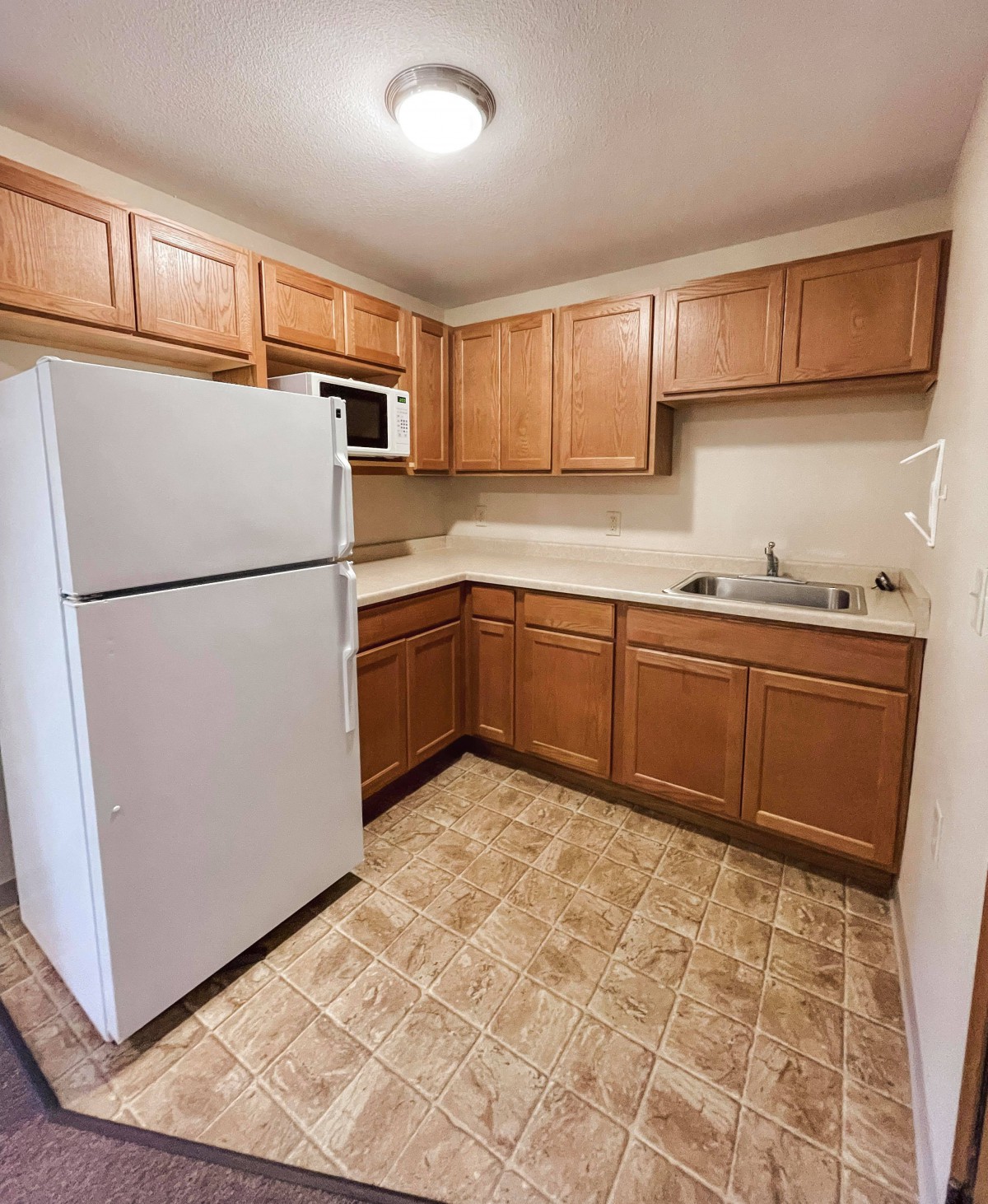
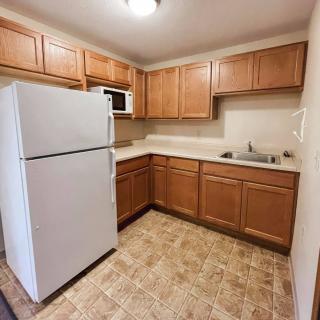
 Kitchenette
 Move-in coordination
 Outdoor common areas
 Respite or short term stays offered
 Telephone
 Wheelchair accessible showers
 Wi-Fi/high-speed internet available
 24-hour call system
 Ambulatory care
 Assistance with bathing
 Assistance with dressing
 Assistance with transfers
 Diabetes diet
 Diabetic care
 Incontinence care
 Meal preparation and service
 Medication management
 Mental wellness program
 Special dietary restrictions
 Transportation arrangement (medical)
 Transportation to doctors appointments
 BBQs or picnics
 Birthday parties
 Happy hour
 Live musical performances




 Understanding Medicaid Coverage for Assisted Living: A Comprehensive Guide
 How and When Medicaid May Cover Assisted Living Costs
 A Detailed Exploration of Assisted Living Medicaid Waivers Across the United States