
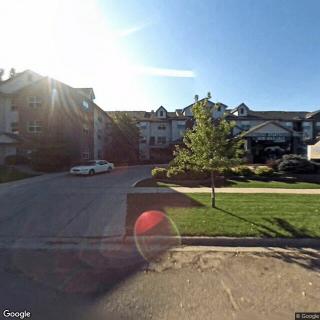
908 Coney Street West, Perham, MN 56573
For more information about senior living options: (866) 208-4318
Overall Review of Some Place Special
Cons
 The caregiver attention is divided among 15 other elderly residents, suggesting neglect of the grandmother.
- The owners verbally and emotionally abused the 91-year-old grandmother.
- The staff stood over the disabled grandmother with raised voices, telling her she needed to find another place to live.
- Worried about the grandmother's physical care, the family hurriedly found her a new place to live.
- When asked for a return of unused rent, the owner insisted that the money was not due.
- The reviewers caution that loved ones should not be sent to live there, as they will be neglected and possibly verbally abused by the staff.
Review
This community is best suited for families who are prepared to act as constant, proactive advocates, ready to intervene at the first signs of trouble and to relocate a loved one quickly if care declines. In practical terms, it is not a place for passive oversight. The sole firsthand account available paints a picture of a setting where oversight is thin and caregiver attention is stretched across too many residents. For families prioritizing safety, dignity, and reliable, respectful care, this facility is not a fit. A candid decision-maker would treat this as a red flag and seek options with demonstrable staffing stability and clearly prioritized resident well-being.
Anyone unable to commit to vigilant, ongoing oversight should consider alternatives. This includes families with limited time or resources for frequent checks, those living far away, or those who cannot tolerate the likelihood of delayed responsiveness to needs. In addition, individuals who require consistent, respectful, and emotionally safe interactions should look elsewhere. The emotional climate described in a single, troubling account, where staff reportedly raise their voices and act in ways that feel coercive, strongly suggests that a setting with formal protections, transparent accountability, and immediate corrective action is essential. Long-term safety hinges on dependable staff behavior as much as on any routine or activity schedule.
There appear to be no credible, lasting advantages highlighted in the account that would offset the core concerns. Typical positives families often seek, such as a smaller setting, perceived homeliness, or convenient proximity to family, are not substantiated here, and even if present, would be overwhelmed by the reported patterns of neglect and abuse. When a facility signals that caregiver attention is divided among as many as 15 residents, the math simply does not pencil out for someone who requires consistent supervision, timely assistance, and respectful interaction. Any potential upside evaporates under the weight of the major liabilities described.
The most severe cons are explicit and actionable: verbal and emotional abuse by owners, a care culture that appears to tolerate or even encourage intimidation, and a pattern that leaves a vulnerable elder underserved on basic needs. The account notes one resident being neglected and another being pressured to find alternative placement in a tense moment that raised questions about physical care and overall safety. The financial interaction, refusal to honor unused rent, adds a material risk layer, signaling an absence of trustworthy business practices. Taken together, these elements create an environment where residentsā€™ dignity and security cannot be counted on as reliable outcomes.
Practical next steps are clear. Families with a loved one already placed should consider a rapid reassessment and plan a move to a better-regulated setting the moment warning signs appear. Collect and preserve documentation of any care concerns, requests for assistance, and billing questions, and engage the appropriate licensing or regulatory authorities to investigate potential violations. When evaluating options, prioritize facilities with transparent staffing ratios, verifiable adherence to resident rights, and strong, accountable management. In-home care or a smaller, nonprofit retirement home with a reputation for responsive, respectful care may offer a safer, more predictable environment for someone who cannot endure risk.
In conclusion, this community should be approached with extreme caution and treated as a last resort only if no better alternatives exist. Its defining red flags, the potential for neglect, emotionally inappropriate staff conduct, and disputed financial practices, collectively overwhelm any conceivable benefits. The prudent course is to pursue options with proven safety records, consistent caregiver engagement, and clear channels for accountability. Families deserve settlements and care that honor dignity, not jeopardize it, and any decision should reflect a commitment to protecting the emotional and physical well-being of the elderly loved one above all other considerations.
 21 resident community capacity
 Assisted Living
 Beauty salon
 Cable or satellite TV
 Dining room
 Fully furnished
 Garden
 Housekeeping services
 Kitchenette
 Move-in coordination
 Outdoor space
 Telephone
 Wi-Fi/high-speed internet available
 24-hour call system
 Activities of daily living assistance
 Assistance with bathing
 Assistance with dressing
 Assistance with transfers
 Diabetes diet
 Meal preparation and service
 Medication management
 Mental wellness program
 Special dietary restrictions
 Transportation arrangement (medical)
 Transportation to doctors appointments
 Comprehensive care with 24/7 supervision, ADL support, medication management, transportation to medical appointments, and furnished apartments.

 Assisted Living Support for Veterans: A Complete and Detailed Overview
 Exploring the Contrasts Between Assisted Living and Skilled Nursing
 8 Key Indicators That Suggest It May Be Time to Transition from Assisted Living to Skilled Nursing Care