
825 7Th Avenue Sw, Perham, MN 56573
For more information about senior living options: (866) 208-4318
Overall Review of Elk Ridge Assisted Living II
Pros
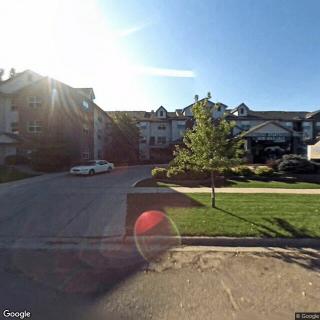
 The place is beautiful.
- The building is beautiful and the residents are wonderful.
- The care is amazing and residents are treated as whole people.
- The staff is loving and very attentive.
- Doctor visits are regular, and concerns are communicated quickly and clearly to the POA.
- It is highly recommended.
- Performers love coming here because of the great audience.
Cons
 The administration and management are terrible.
- There is a very bullying culture if you’re not in the inner circle.
Review
Elk Ridge Assisted Living II in Perham, Minnesota is best suited for families that want a visually appealing, home-like environment paired with hands-on, compassionate daily care. The facility earns praise for its beauty and for frontline staff who treat residents with warmth and respect. This is especially true for families seeking dementia-capable care delivered with a person-centered philosophy, residents are viewed as whole people, not merely as conditions to manage. Regular physician visits, clear communication with family members who hold power of attorney, and an active social calendar contribute to a sense of reliability. For those who prize a lively living environment with ongoing social engagement, Elk Ridge II can feel like a natural fit.
However, the landscape is not without significant caveats. Several reviewers flag an administration and management dynamic that can feel harsh or exclusive, describing a bullying culture that diverts attention from core governance. That tone can manifest as inconsistent policy execution, slow responses to concerns, and a sense that complaints or grievances may not be handled with equal seriousness. In short, governance and leadership become as important as bedside care because they shape how care plans are translated into daily practice, how safety is prioritized, and how transparent communication remains during busy periods.
On the positive side, the strongest leverage is the care itself. When staff are described as loving and attentive, that frontline experience translates into meaningful daily routines, timely assistance with activities of daily living, and prompt escalation of medical concerns. The notion of residents being treated as whole persons reflects a care culture that values dignity beyond dementia. The combination of regular doctor visits and rapid family updates via POA channels offers essential peace of mind for families navigating medical decisions, especially for residents with complex needs. The social dimension, participation in events, performances, and community life, further supports quality of life and reduces isolation.
Yet the administrative concerns cannot be dismissed. The perception of an "inner circle" where only some are truly in the loop may erode trust and complicate care coordination, especially for families relying on consistent billing, policy enforcement, and access to leadership. Where governance falters, even excellent bedside care risks becoming uneven across shifts or departments, leaving families to scout for inconsistencies in care plans, scheduling, or responsiveness. The two low-rated reviews underline that negative experiences are real for some, and that risk should be weighed against the positive care experiences when evaluating overall fit.
Social vitality matters in long-term care, and Elk Ridge II appears to offer an engaged calendar and opportunities to connect with the broader community, evidence by mentions of performances and audience-friendly events. For residents who thrive on social contact, this can be a meaningful differentiator that supports mental and emotional well-being. Families should assess whether the facility’s social offerings align with their loved one’s interests, and whether staff have bandwidth to sustain individualized attention amid activity schedules. When life feels routine, these moments of community connection often stand between a resident thriving versus merely existing.
Decision-making should begin with a targeted due diligence plan. Prospective residents and families should request a meeting with the administrator to hear about governance structures, escalation paths, and how care plans are reviewed and updated. Ask for recent care timelines, incident reports, and examples of how family concerns were resolved. Inquire about staff turnover, training, and nurse-to-resident ratios. Given the mixed signals from the reviews, strong daily care in some cases contrasted with leadership concerns in others, Elk Ridge II can be a strong fit for families prioritizing compassionate care and a vibrant community, provided administrative questions are answered satisfactorily. If administrative stability and transparent governance are non-negotiable, alternatives with clearer leadership pipelines may be wiser.
 6 resident community capacity
 Assisted Living
 Cable or satellite TV
 Dining room
 Fully furnished
 Garden
 Housekeeping services
 Move-in coordination
 Outdoor space
 Telephone
 Wi-Fi/high-speed internet available
 24-hour supervision
 Activities of daily living assistance
 Assistance with bathing
 Assistance with dressing
 Assistance with transfers
 Diabetes diet
 Meal preparation and service
 Medication management
 Special dietary restrictions
 Transportation arrangement (medical)
 Transportation to doctors appointments


 Understanding the Distinctions: Assisted Living and Memory Care Explained
 Guiding Elderly Parents Who Refuse Assisted Living: 6 Practical Steps
 Your Comprehensive Guide to Luxury Assisted Living: Elevated Facilities, Amenities, and Costs