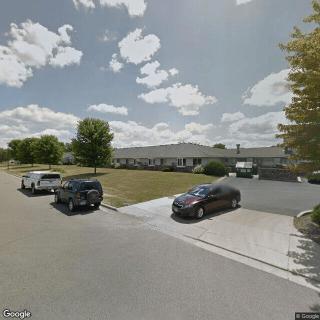
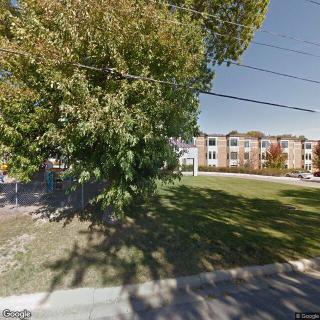
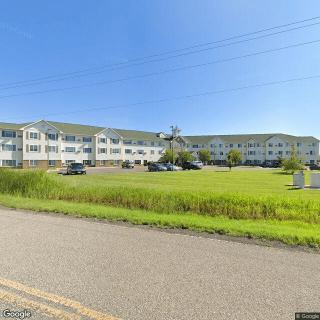
The Beacon At New Richland

113 1St Street Sw, New Richland, MN 56072

For more information about senior living options: (844) 490-3973

5 from 1 review
Assisted Living Memory Care

What level of care are you interested in?

Assisted Living

Memory Care

Independent Living

Skilled Nursing Facility

Continuing Care Retirement Community (CCRC)CCRC

Other


Request a tour at The Beacon At New Richland

    Overall Review of The Beacon At New Richland

    Pros

    • pro They would highly recommend this home to anyone seeking a place for a family member to receive A+ treatment.
    • pro It is close to Main Street and the doctor's office.
    • pro The staff go out of their way for the residents.

    Review

    The Beacon At New Richland is best suited for families seeking an intimate, hands-on assisted-living option in a small-town setting where caregivers are accessible and responsive. This community excels for residents who prefer a home-like atmosphere over a sprawling campus, and for relatives who want meaningful daily interaction with staff, reliable routines, and a practical, easy-to-navigate environment. Its proximity to Main Street and local medical offices enhances convenience for appointments, errands, and quick check-ins, making it an attractive choice when ease of logistics matters as much as daily care.

    Those who should consider alternatives include families aiming for specialized memory-care programs, substantial rehab services, or a broader slate of on-site activities and social engagement. With just one positive review on record, the breadth of experiences isn't fully demonstrated, and potential residents should be cautious about assuming the full range of capabilities without verification. A personal visit is essential to confirm whether clinical oversight, staff stability, and activity options meet evolving needs, or if a larger community with more extensive services would be a better fit in the long run.

    The strongest pros center on care quality and caregiver commitment. The review notes A+ treatment and staff who go out of their way for residents, a combination that translates into meticulous daily support, attentive medication management, and responsive problem-solving. When a family prioritizes trust and reliability, this level of staff dedication becomes a meaningful offset to the inherent limitations of a smaller operation. The convenient location near town resources compounds these benefits, reducing the stress and time demands of doctor visits and routine errands for both residents and family members.

    Another key advantage is the home-like, low-friction environment that tends to reduce anxiety for seniors who value predictability and personal attention. In a smaller community, staff often learn residents' preferences, routines, and communication styles, which can translate into fewer misunderstandings and more proactive care. For families, seeing staff who remember specifics about a loved one - preferences, quirks, and care nuances - can provide essential reassurance during transitions and as needs evolve. The geographic tightness can also foster a more cohesive, familiarly paced daily rhythm that supports sustained well-being.

    Still, the main cons to weigh involve breadth and scale. A single positive review does not prove universal satisfaction, and prospective residents should consider whether the campus offers sufficient variety in activities, therapy options, and healthcare coordination to sustain long-term engagement. Rural, small-town settings can limit access to certain specialists or advanced equipment, and families accustomed to extensive on-site amenities may find the array here more modest. Importantly, cost considerations and acceptance of payer sources should be clarified early, as smaller operations can differ markedly from larger groups on coverage and transparency.

    In conclusion, The Beacon At New Richland stands out for personalized, compassionate care delivered by a staff that appears to "go the extra mile," paired with a highly practical, convenient location. It serves well those who prize stable routines, direct staff relationships, and easy access to medical offices and town services. For families seeking expansive programming, extensive specialized care, or a facility with a broader ecosystem of services, alternatives deserve exploration. A deliberate visit - pose questions about memory care options, care plans, staffing ratios, emergency response, and pricing - will reveal whether this community aligns with the resident's needs or if a more expansive option better safeguards long-term independence and health.

    Features

    Housing

    • 21 resident community capacity 21 resident community capacity

    Types of Care

    • Assisted Living Assisted LivingAssisted living facilities provide crucial support and care for seniors who may need help with daily tasks such as medication management, bathing, and meal preparation. These communities offer a safe and comfortable environment where seniors can maintain their independence while receiving the assistance they need to thrive in their golden years.
    • Memory Care Memory CareMemory care is crucial for seniors as it provides specialized support and services for individuals with dementia or Alzheimer's disease. These programs offer a safe and secure environment where residents receive personalized care, cognitive stimulation, and help with daily activities. Memory care helps seniors maintain their independence, quality of life, and dignity while also providing peace of mind for their families.

    Amenities

    • Beauty salon Beauty salonBeauty salons are important for seniors because they provide a space for them to feel pampered, socialize, and maintain their personal grooming and hygiene. Regular visits to a beauty salon can help boost seniors' self-esteem and overall well-being.
    • Cable or satellite TV Cable or satellite TVCable or satellite TV is important for seniors because it provides entertainment, news, and companionship, helping to combat loneliness and boredom. It also offers a wide range of programming options tailored to different interests and preferences.
    • Dining room Dining roomDining rooms are important for seniors as they provide a space for socialization, connection, and nutritious meals. They offer opportunities for residents to bond over shared meals, foster a sense of community, and promote healthy eating habits. Dining rooms also ensure that seniors have access to well-balanced meals tailored to their dietary needs and preferences.
    • Fully furnished Fully furnishedFully furnished senior living communities are important for seniors because they provide convenience, comfort, and a hassle-free moving experience. Seniors can easily settle into their new living space without the stress of having to buy and move furniture. This allows them to focus on enjoying their new home and community.
    • Garden GardenGardens are important for seniors as they provide a peaceful and therapeutic environment for relaxation, physical activity, and socialization. Being in nature has been shown to reduce stress, improve mood, and promote overall well-being. Gardens also offer opportunities for seniors to engage in gardening activities, which can improve mobility, flexibility, and cognitive function. Additionally, gardens create a sense of community and connection with others who share a passion for plants and outdoor spaces.
    • Housekeeping services Housekeeping servicesHousekeeping services are important for seniors because they help maintain a clean and safe living environment, promote independence, and reduce the risk of accidents or illnesses. Additionally, having assistance with household chores can alleviate physical strain and allow seniors to focus on other aspects of their well-being.
    • Kitchenette KitchenetteKitchenettes are important for seniors living in senior living communities because they provide the convenience and independence of being able to prepare simple meals and snacks in the comfort of their own living space. This can help promote a sense of autonomy and well-being for seniors, allowing them to maintain some level of control over their dietary choices and daily routines.
    • Move-in coordination Move-in coordinationMove-in coordination is important for seniors because it helps ease the transition into their new living environment. It ensures that all logistics, such as packing, organizing movers, and setting up utilities are taken care of, allowing seniors to focus on settling in and adjusting to their new home. Having a smooth move-in process can alleviate stress and anxiety, making the transition smoother and more enjoyable for seniors.
    • Outdoor space Outdoor spaceOutdoor spaces are important for seniors as they provide opportunities for physical activity, social interaction, exposure to natural light and fresh air, and a sense of connection to nature. Having access to outdoor spaces can improve overall well-being and quality of life for older adults living in senior communities.
    • Telephone TelephoneTelephones are important for seniors as they provide a lifeline for communication with loved ones, emergency services, and healthcare providers. They offer a sense of security and independence, enabling seniors to stay connected and access assistance when needed.
    • Wi-Fi/high-speed internet available Wi-Fi/high-speed internet availableWi-Fi/high-speed internet is important for seniors to stay connected with loved ones, access online resources, and participate in virtual activities to combat feelings of loneliness and isolation. It also allows them to easily manage healthcare needs, access entertainment, and engage in lifelong learning opportunities.

    Care Services

    • 24-hour call system 24-hour call system24-hour call systems are important for seniors because they provide peace of mind and immediate assistance in case of emergencies. This technology ensures that help is always available, promoting safety and security for elderly individuals living alone or in assisted living facilities.
    • 24-hour supervision 24-hour supervision24-hour supervision is important for seniors to ensure their safety, well-being, and access to immediate assistance in case of emergencies or health issues. This constant support provides peace of mind for both seniors and their loved ones, allowing them to age in place with dignity and security.
    • Activities of daily living assistance Activities of daily living assistanceActivities of daily living assistance are important for seniors because they provide essential support with tasks such as eating, bathing, dressing, and mobility. This assistance helps seniors maintain their independence, dignity, and overall quality of life as they age.
    • Assistance with bathing Assistance with bathingAssistance with bathing is crucial for seniors as it helps maintain personal hygiene, prevents infections, and ensures their overall well-being and comfort. It also provides a sense of dignity and independence for seniors who may struggle with this task on their own.
    • Assistance with dressing Assistance with dressingAssistance with dressing is important for seniors because it helps maintain their independence, promotes personal hygiene, prevents accidents and injuries, and improves overall quality of life. This service ensures that seniors can continue to dress comfortably and confidently, despite any physical limitations they may have.
    • Assistance with transfers Assistance with transfersAssistance with transfers is crucial for seniors as it helps prevent falls and injuries, maintains their independence, and ensures they can safely navigate their living environment. It also provides peace of mind for both seniors and their loved ones.
    • Coordination with health care providers Coordination with health care providersCoordination with health care providers is crucial for seniors to ensure proper medical care, medication management, and overall well-being. This collaboration helps prevent overlapping treatments, track progress more effectively, and provide comprehensive support tailored to individual needs.
    • Dementia waiver Dementia waiverDementia waivers are essential for seniors as they provide critical protections and accommodations for those experiencing cognitive decline. These waivers ensure individuals with dementia receive appropriate care, support, and resources to maintain their quality of life and dignity as they navigate the challenges of this progressive condition.
    • Diabetes diet Diabetes dietA diabetes diet is crucial for seniors as it helps manage blood sugar levels, reduce risks of complications, and improve overall health and well-being. By following a balanced and nutritious diet tailored to their specific needs, seniors can better control their diabetes and enhance their quality of life.
    • Hospice waiver Hospice waiverHospice waivers are important for seniors because they allow individuals to receive specialized end-of-life care and support at home or in a hospice facility. This waiver ensures that seniors can access the necessary resources and services to maintain comfort and dignity during their final days.
    • Meal preparation and service Meal preparation and serviceMeal preparation and service are crucial for seniors as they may have limited mobility or energy to cook nutritious meals. Having access to healthy and convenient food options can ensure they are getting the proper nutrition needed to maintain their overall health and well-being.
    • Medication management Medication managementMedication management is crucial for seniors to ensure they are taking the right medications at the correct dosages and times. This helps prevent adverse drug interactions, reduces the risk of medication errors, and promotes overall health and well-being. Proactive management also allows for adjustments as needed based on changing health conditions or new prescriptions.
    • Mental wellness program Mental wellness programMental wellness programs are essential for seniors as they promote cognitive stimulation, emotional support, and social engagement. These programs help prevent isolation, depression, and cognitive decline, ultimately enhancing the overall quality of life for older adults.
    • Mild cognitive impairment Mild cognitive impairment"Mild cognitive impairment" is important for seniors because it is an early stage of cognitive decline that can potentially progress to more severe conditions such as dementia. Recognizing and addressing mild cognitive impairment can help seniors receive appropriate care and support to maintain their quality of life and independence for as long as possible.
    • Special dietary restrictions Special dietary restrictionsSpecial dietary restrictions are important for seniors because age-related changes in metabolism and health conditions can make it difficult for their bodies to process certain foods. By following a diet tailored to their specific needs, seniors can maintain their overall health and well-being, manage chronic conditions, and reduce the risk of complications such as malnutrition or food interactions with medications.
    • Specialized memory care programming Specialized memory care programmingSpecialized memory care programming is crucial for seniors with cognitive impairments such as dementia or Alzheimer's disease. These programs provide a safe and supportive environment tailored to the unique needs of individuals with memory loss, helping them maintain their independence, dignity, and quality of life.
    • Transportation arrangement (medical) Transportation arrangement (medical)Transportation arrangements for medical purposes are essential for seniors as they may have difficulty driving themselves to appointments or accessing public transportation. Having reliable and safe transportation options ensures that seniors can receive timely medical care and maintain their health and well-being.
    • Transportation to doctors appointments Transportation to doctors appointmentsTransportation to doctors' appointments is crucial for seniors as it ensures they have access to necessary medical care and support for their health needs. Without reliable transportation, seniors may struggle to attend important appointments, leading to potential delays in treatment and health complications. Providing transportation services helps seniors maintain their overall well-being and quality of life.

    Dining

    • Diabetes diet Diabetes dietA diabetes diet is crucial for seniors as it helps manage blood sugar levels, reduce risks of complications, and improve overall health and well-being. By following a balanced and nutritious diet tailored to their specific needs, seniors can better control their diabetes and enhance their quality of life.
    • Special dietary restrictions Special dietary restrictionsSpecial dietary restrictions are important for seniors because age-related changes in metabolism and health conditions can make it difficult for their bodies to process certain foods. By following a diet tailored to their specific needs, seniors can maintain their overall health and well-being, manage chronic conditions, and reduce the risk of complications such as malnutrition or food interactions with medications.

    Activities

    • Community-sponsored activities Community-sponsored activitiesCommunity-sponsored activities are important for seniors as they provide opportunities for social interaction, mental stimulation, and physical activity. These activities can help improve overall well-being, combat loneliness and isolation, and promote a sense of belonging and purpose among older adults.
    • Resident-run activities Resident-run activitiesResident-run activities are important for seniors as they encourage social interaction, creativity, and a sense of autonomy. These activities empower seniors to stay engaged and active in their community while fostering meaningful connections with their peers.
    • Scheduled daily activities Scheduled daily activitiesScheduled daily activities are important for seniors because they provide structure, socialization, mental stimulation, and physical activity. Engaging in regular activities can improve overall well-being and quality of life for seniors living in a community setting.

    Description

    The Beacon at New Richland in New Richland, MN is a memory care assisted living community that provides personalized care and support for individuals with Alzheimer's disease or other forms of dementia. Residents can enjoy a comfortable and fully furnished living space with amenities such as cable or satellite TV, Wi-Fi/high-speed internet, and a kitchenette. Housekeeping services ensure that the environment remains clean and tidy.

    The community offers 24-hour supervision to ensure the safety and well-being of each resident. Caregivers provide assistance with activities of daily living including bathing, dressing, and transfers. Coordination with health care providers ensures that residents receive proper medical attention when needed.

    Residents can indulge in delicious meals prepared according to their special dietary restrictions. The dining room provides a warm and inviting space for socializing with other residents during meal times.

    A variety of activities are available to keep residents engaged and active. Resident-run activities allow individuals to take an active role in planning events that suit their interests. Scheduled daily activities provide structured opportunities for socialization and entertainment.

    The location of The Beacon at New Richland is convenient for residents as it is close to pharmacies, restaurants, places of worship, and hospitals. Transportation arrangements are available for medical appointments to ensure residents have easy access to healthcare services.

    Overall, The Beacon at New Richland offers specialized memory care programming and a range of services and amenities designed to enhance the quality of life for individuals with memory loss.

    Nearby Places of Interest

    Pharmacies

    • New Richland Drug (0.1 miles)
    • Thrifty White Pharmacy (12.7 miles)
    • Walmart Pharmacy (14.1 miles)
    • Sterling Drug (17.9 miles)
    • Hy-Vee Pharmacy (17.9 miles)

    Places of Worship

    • First Congregational Church (0.1 miles)
    • St Mary Parish (0.1 miles)
    • Good Samaritan Ministries (0.4 miles)
    • Vista Evangelical Covenant Church (4.5 miles)
    • Vista Lutheran Church (4.7 miles)
    • Hartland Ev Lutheran Church (6.3 miles)
    • West Freeborn Church (10 miles)

    Hospitals

    • New Richland Clinic (0.1 miles)
    • Waseca Medical Center (13 miles)
    • Wells Clinic (15.5 miles)
    • Almc (17.7 miles)
    • Albert Lea Eye Clinic (17.7 miles)
    • Naeve Hospital-Mayo Health System (17.8 miles)
    • Albert Lea Medical Center (17.8 miles)

    Restaurants

    • The Willows (0.4 miles)
    • RJ'S on 5th Ave Bar & Grill (9.7 miles)
    • Mis Tres Flores (12.2 miles)
    • The Pour House (12.4 miles)
    • Starfire Grill (12.7 miles)
    • Boxcar Bar (12.8 miles)
    • Wildcats Bar & Grill (15.4 miles)

    Parks

    • Ellendale Park (9.7 miles)
    • Arrowhead Point County Park (11.2 miles)
    • SMMAC Air Field (11.7 miles)
    • University Park (12.2 miles)
    • Kanne State Wildlife Management Area (12.6 miles)
    • Waseca Parks Department (12.6 miles)
    • Memorial Park (12.6 miles)

    Cafes

    • Ellendale Cafe (9.7 miles)
    • Jonnie Beans (12.7 miles)
    • Trio Wine Cafe (12.8 miles)
    • Trio Coffee, Wine & Ale House (12.8 miles)
    • You Betcha Cafe and Ice Cream Shoppe (15.9 miles)

    Transportation

    • Flying Time Taxi (12.6 miles)
    • Waseca Municipal Airport (12.7 miles)
    • I C & E Railroad (15.4 miles)
    • Enterprise Rent-A-Car (17.8 miles)

    Theaters

    • Wells Minnesota (15.4 miles)
    • Flame Theatre (15.4 miles)

    Physicians

    • Douglas J Edwards DR (16 miles)
    • Mekala Praveen Mayo Clinic Health System Southeast Minnesota Region (17.7 miles)

    Frequently Asked Questions

    Where is The Beacon At New Richland?
    Does The Beacon At New Richland provide care for residents with dementia or Alzheimer's disease?

    Nearby Communities

    • New Richland Care Center

      New Richland Care Center

      New Richland, MN

      4 from 39 reviews
       

      pro 24/7 supervision with comprehensive care and on-site restaurant-style dining.

    • Whispering Oak Place

      Whispering Oak Place

      Ellendale, MN

      4.2 from 17 reviews
      $4,300 to $5,000 / month

      pro Spacious rooms with a strong memory care program and attentive staff.

    • Lakeshore Inn Nursing Home

      Lakeshore Inn Nursing Home

      Waseca, MN

      2 from 1 review
       

      pro Lakefront setting with an intimate, well-maintained exterior.

    • Latham Place

      Latham Place

      Waseca, MN


      pro Fully furnished with 24/7 supervision, meals, and daily activities.

    • Colony Court

      Colony Court

      Waseca, MN


      pro Memory-care focus with 24/7 supervision, specialized programming, and broad on-site amenities.

    • Colony Court Memory Care

      Colony Court Memory Care

      Waseca, MN


      pro Specialized memory care with 24/7 supervision.

    • Knutson Place Apartments

      Knutson Place Apartments

      Albert Lea, MN

      2.3 from 3 reviews
       

      pro Comprehensive care options and on-site amenities for independent and assisted living.

    • Ecumen CountrySide

      Ecumen CountrySide

      Owatonna, MN

      4.8 from 6 reviews
      $2,815 to $3,150 / month

      pro Caring staff in a modern, spacious facility with a wide activity schedule.

    • Birchwood Cottage I

      Birchwood Cottage I

      Owatonna, MN


      pro Compact, supportive community with 24-hour care, medical coordination, and engaging activities.

    Assisted Living in Nearby Cities

    Related Resources

    • delirium vs dementiaDelirium and Dementia: Unraveling the Key Differences

      Delirium is a rapidly onset, reversible cognitive disturbance often caused by acute medical issues, while dementia is a gradual and irreversible decline due to chronic neurodegenerative diseases. Accurate differentiation between the two is essential for appropriate treatment and management in older adults.

    • can you die from dementiaAre Dementia and Alzheimer's Disease Lethal? A Comprehensive Exploration

      Dementia, including Alzheimer’s disease, is often mischaracterized in terms of lethality as it leads to complications that can be fatal rather than being a direct cause of death; it causes a progressive decline in cognitive and physical health, making patients vulnerable to infections and other health crises. Effective management of nutrition, hydration, and communication is crucial in patient care, with palliative care becoming vital in advanced stages to enhance comfort and quality of life while caregivers play a key role amidst the challenges posed by the disease.

    • reminiscence therapyExploring the Power of Reminiscence Therapy for Individuals With Dementia

      Reminiscence therapy helps individuals with dementia recall past memories through structured discussions and meaningful objects, enhancing mood, relationships, and sense of identity while celebrating their lives. It can be practiced in formal settings or at home, requiring sensitivity to personal histories and cultural backgrounds.


    Get Pricing Ask A Question Schedule A Tour Contact Senior Advisor